When it comes to choosing a multimeter, you might feel overwhelmed by the numbers—especially when you see terms like 2000 count and 4000 count. But what do these numbers really mean for you and your work?
Are you missing out on accuracy or features by picking one over the other? Understanding the difference can save you time, money, and frustration. Keep reading, and you’ll discover which multimeter count fits your needs perfectly and how it can make your measurements more reliable and easier than ever.
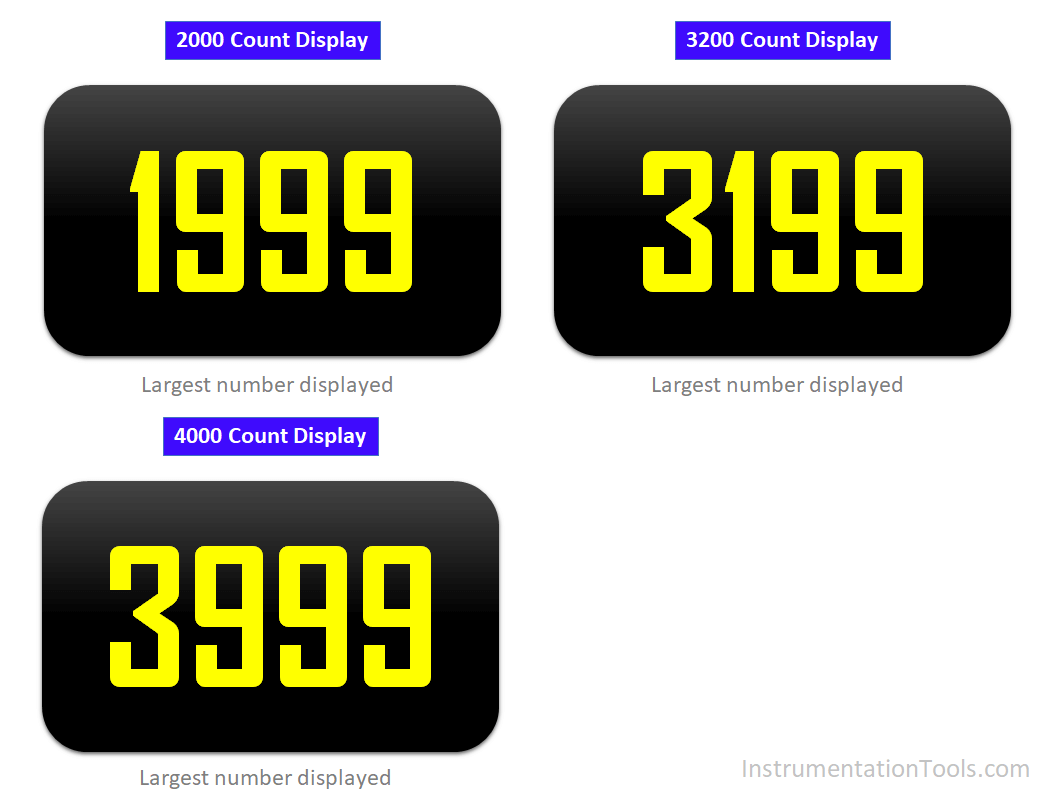
Credit: instrumentationtools.com
Multimeter Basics
Understanding multimeter basics helps users pick the right tool for their needs. Multimeters measure electrical values like voltage, current, and resistance. They come in different models, often described by their count. Choosing between a 2000 count and 4000 count multimeter depends on what you need to measure and how precise the reading should be.
What Count Means
The count on a multimeter shows the highest number it can display. A 2000 count multimeter shows values up to 1999. A 4000 count model goes up to 3999. Higher count means better resolution and accuracy. It helps in reading smaller changes in measurements. For simple home tasks, 2000 count may be enough. For detailed work, 4000 count gives clearer data.
Key Features To Consider
Accuracy is important. Check how close the reading is to the real value. Look for a multimeter with good accuracy for your tasks. Display type matters too. A clear, easy-to-read screen helps prevent mistakes. Auto-ranging is handy. It lets the multimeter choose the right range automatically. This saves time and avoids errors. Also, consider safety ratings. They protect you when working with high voltages. Battery life and size can affect convenience. Choose a multimeter that fits your working style.

Credit: marfaimaria.ru
2000 Count Multimeters
2000 count multimeters are basic tools for measuring electrical values. They display readings up to 1999. This means they can show numbers from 0 to 1999 before moving to the next range. They are common in homes, schools, and small projects.
These multimeters offer simple features and easy use. They suit beginners and casual users. Their limited counts affect their precision and range. Still, they provide good value for many tasks.
Typical Accuracy
Accuracy in 2000 count multimeters usually ranges from ±0.5% to ±1%. This means small errors can occur in readings. They are accurate enough for basic checks and repairs. Precise tasks may need better tools.
Common Uses
These multimeters measure voltage, current, and resistance in simple circuits. They check batteries, household wiring, and small appliances. Hobbyists and students use them for learning and projects. They are handy for quick, routine tests.
Limitations
2000 count multimeters have limited resolution and range. They cannot measure very low or very high values accurately. Complex electronics or detailed diagnostics require higher count meters. Their display may not show small changes clearly.
4000 Count Multimeters
4000 count multimeters offer a higher level of measurement detail compared to 2000 count models. They display up to 3999 on the screen, providing more steps between values. This feature is useful for tasks that need better accuracy. Many professionals prefer 4000 count meters for their reliability and clarity.
Enhanced Precision
These multimeters show finer measurement increments. Users get readings with less rounding error. Small changes in voltage, current, or resistance appear clearly. This precision helps avoid mistakes during testing. Accurate data is important in electronics and electrical work.
Applications
4000 count multimeters suit many fields. They work well in home repairs and hobby projects. Technicians use them for detailed circuit analysis. Engineers rely on their accuracy for product testing. The extra counts help in diagnosing subtle issues quickly.
Cost Implications
4000 count multimeters cost more than 2000 count ones. The higher price reflects better components and features. For casual users, the extra cost may not be necessary. Professionals find the price worth paying for improved accuracy. Budgeting depends on the level of precision needed.
Performance Comparison
The performance of a multimeter is a key factor in choosing between a 2000 count and a 4000 count model. Both types have specific strengths that affect how well they measure electrical values. Understanding their differences helps in selecting the right tool for your needs.
Accuracy In Measurements
A 4000 count multimeter offers better accuracy than a 2000 count one. It can show more digits on its screen, which means it detects smaller changes in voltage, current, or resistance. This precision is useful for delicate electronics work where small differences matter. The 2000 count meter is good for general tasks but may miss fine details.
Display And Resolution
The 4000 count model displays numbers up to 3999, giving more detailed readings. The 2000 count model shows up to 1999, which limits the visible detail. Higher resolution means you can see small shifts in measurements clearly. This helps in troubleshooting and fine-tuning electrical systems more easily.
Durability And Build
Both 2000 and 4000 count multimeters usually have sturdy cases. The build quality depends more on the brand and price than the count number. Some 4000 count meters come with extra features like better protective casing. Still, many 2000 count meters are tough enough for everyday use. Choose based on your work environment and durability needs.
Choosing The Right Multimeter
Choosing the right multimeter can make your work easier and more accurate. Different multimeters have different features and counts. The 2000 count and 4000 count multimeters are common choices. Knowing which one fits your needs helps avoid extra costs and confusion. Let’s explore key factors to consider.
Budget Considerations
Budget plays a big role in deciding between 2000 and 4000 count multimeters. The 2000 count models are usually cheaper. They offer enough features for simple tasks. The 4000 count models cost more but provide higher precision. If your budget is tight, a 2000 count multimeter is a good start. Spend more only if you need extra accuracy.
User Skill Level
Beginners benefit from simple multimeters with easy controls. The 2000 count models suit new users well. They show clear readings and have fewer complex options. Skilled users may prefer 4000 count models for detailed measurements. These offer more functions and better resolution. Choose a multimeter that matches your comfort and knowledge.
Project Requirements
Your project type affects the best multimeter choice. Small home repairs or basic electronics often need only 2000 count accuracy. For advanced or professional projects, a 4000 count multimeter is useful. It measures with finer detail and handles more tasks. Think about the devices you will test and the precision needed.
Tips For Accurate Measurements
Accurate measurements are essential for reliable results with both 2000 and 4000 count multimeters. Taking the right steps ensures your readings are precise and trustworthy. Small mistakes can cause wrong data and affect your work.
Follow these simple tips to get the best accuracy from your multimeter. Proper technique and care make a big difference in measurement quality.
Proper Calibration
Calibration aligns your multimeter with known standards. Regular calibration keeps the device accurate over time. Check the user manual for calibration instructions. Use a reference voltage or resistor with a known value. Avoid using a damaged or old calibration source. Calibration helps both 2000 and 4000 count multimeters perform well.
Store the multimeter in a dry place to prevent drift. Recalibrate after any impact or long storage period. A well-calibrated multimeter shows reliable readings every time.
Avoiding Common Errors
Errors can come from wrong settings or poor contact with the test points. Always select the correct measurement mode and range before testing. Using the wrong range can cause inaccurate results or damage the device.
Hold the probes steadily and ensure they touch the test spots firmly. Loose connections lead to unstable readings. Keep fingers away from the probe tips to avoid interference. Avoid measuring live circuits if unsure, to prevent damage or injury.
Check battery level regularly. Low batteries cause false readings. Replace batteries as needed for consistent performance. Avoid measuring in very hot or wet conditions. These factors affect multimeter accuracy and safety.

Credit: www.gonzaloamat.com
Frequently Asked Questions
What Is The Difference Between 2000 And 4000 Count Multimeters?
A 2000 count multimeter shows up to 1999 digits, while a 4000 count displays up to 3999. The 4000 count offers higher resolution and accuracy, making it better for precise measurements in electronics and electrical work.
Which Multimeter Count Is Better For Beginners?
A 2000 count multimeter is usually better for beginners. It’s simpler to use and sufficient for basic household and automotive tasks. Advanced users may prefer 4000 count for more detailed readings and professional applications.
Can 4000 Count Multimeters Measure Smaller Voltage Changes?
Yes, 4000 count multimeters detect smaller voltage changes due to higher resolution. This allows more precise readings, especially in low-voltage circuits or sensitive electronic components.
Is A 4000 Count Multimeter More Expensive Than 2000 Count?
Generally, 4000 count multimeters cost more than 2000 count models. The higher price reflects better resolution, advanced features, and improved accuracy suitable for professional use.
Conclusion
Choosing between a 2000 and 4000 count multimeter depends on your needs. A 2000 count is good for simple, everyday tasks. A 4000 count offers better detail and accuracy for complex jobs. Think about the work you will do most often.
A higher count helps catch small changes in readings. A lower count is easier and cheaper for basic use. Both types have value. Pick the one that fits your work and budget best. Simple and clear—just what you need.