Choosing a reliable multimeter is an important decision for both professionals and DIY enthusiasts. If you’re considering the Southwire vs Klein multimeter debate, you’re not alone. These two brands are well-known in the electrical tools industry. Each offers a wide range of models, features, and price points, making the choice less straightforward than it first appears. This article takes a deep dive into both brands, covering their main strengths, weaknesses, and how they compare in real-world use. By the end, you’ll have a clear understanding of which multimeter may be best for your needs.
Understanding Southwire And Klein: Brand Backgrounds
When you look at tools, the brand’s history often tells you about their reliability and focus.
Southwire is a major American company best known for its electrical wire and cable products. However, in recent years, they have expanded into electrical tools, including multimeters. Their meters are designed with electricians in mind, focusing on durability, safety, and user-friendly interfaces. Southwire is relatively new in the digital meter market but has gained attention for offering solid features at competitive prices.
Klein Tools has a much longer history, dating back to 1857. They are a trusted name among electricians, known for their hand tools and electrical testers. Klein’s multimeters are designed for professionals who need accuracy and toughness on the job. Many users trust Klein because their meters are often made in the USA and pass strict quality controls.
While both brands focus on electricians, their approach and market experience differ. This can be seen in their product design, features, and user feedback.
Key Features Comparison: What Matters Most
Choosing the right multimeter comes down to more than just brand loyalty. Here are the features that have the biggest impact on your daily work.
Measurement Capabilities
Both brands offer meters that can measure basic electrical properties such as voltage, current, and resistance. However, the range and accuracy can vary.
- Southwire multimeters usually cover standard AC/DC voltage and current, resistance, and continuity. Some models add features like temperature measurement or non-contact voltage detection.
- Klein multimeters typically include all standard measurements and often add extras such as frequency, duty cycle, capacitance, and diode testing. Higher-end models can even measure low-impedance voltage (LoZ) for safer work around ghost voltages.
Insight: Many beginners overlook the importance of LoZ (low impedance) mode. This feature, found in some Klein models, helps to filter out false readings caused by stray or “ghost” voltages.
Build Quality And Durability
The build of a multimeter impacts how long it lasts and how it handles tough job site conditions.
- Southwire meters are known for their robust, slightly bulky bodies with thick protective cases. They can usually withstand drops and rough handling.
- Klein meters are often praised for their ergonomic design and high-quality plastics. Their meters tend to be compact, with well-protected displays and input jacks. Some Klein models are drop-tested up to 2 meters.
Non-obvious insight: A meter’s input jack quality can affect measurement reliability. Klein often uses gold-plated or reinforced jacks, which resist corrosion better than the standard ones on many Southwire models.
Display And Readability
A clear, easy-to-read display is essential, especially in dim or awkward locations.
- Southwire offers large backlit LCD screens on most of their models. The digits are usually big and easy to read.
- Klein also provides backlit displays, but some models have extra features like dual display (showing two measurements at once) or a bar graph for quick analog-style viewing.
Safety Ratings
Safety is critical when working with electricity. All meters should be tested and rated for their intended use.
- Both brands provide meters with CAT III and CAT IV safety ratings, which indicate they are safe for use in high-energy environments, such as main panels or industrial settings. Always check the specific model’s safety category before buying.
Price And Value
- Southwire meters are generally more budget-friendly, making them a good choice for beginners, students, or anyone who needs a basic meter for occasional use.
- Klein meters tend to cost a bit more, but they include extra features and better build quality. For professionals, the higher price can be justified by the added reliability and safety.

Credit: www.youtube.com
Head-to-head: Comparing Popular Models
To get a real sense of Southwire vs Klein, let’s look at some of their most popular multimeters side by side.
Southwire 16040t Vs Klein Mm400
These two models are frequently compared because they target similar users: those who need a versatile, mid-range meter.
| Feature | Southwire 16040T | Klein MM400 |
|---|---|---|
| Voltage Range | 600V AC/DC | 600V AC/DC |
| Current Range | 10A | 10A |
| Resistance | 40 MΩ | 40 MΩ |
| Capacitance | Yes | Yes |
| Frequency | No | Yes |
| Temperature | Yes | No |
| Backlight | Yes | Yes |
| Auto-Ranging | Yes | Yes |
| Safety Rating | CAT III 600V | CAT III 600V |
| Price Range | Lower | Mid |
Summary: The Southwire 16040T stands out for its temperature measurement, which is missing from the Klein MM400. Klein, on the other hand, adds frequency measurement and tends to have slightly better build quality.
Southwire 10031s Vs Klein Mm300
For those looking for entry-level models, these are two popular options.
| Feature | Southwire 10031S | Klein MM300 |
|---|---|---|
| Voltage Range | 600V AC/DC | 600V AC/DC |
| Current Range | 10A | 10A |
| Resistance | 2 MΩ | 2 MΩ |
| Auto-Ranging | No | No |
| Backlight | No | No |
| Safety Rating | CAT III 600V | CAT III 600V |
| Build | Basic | Basic |
| Price Range | Very Low | Very Low |
Summary: Both are simple, manual-ranging meters best for light home use or learning. Klein has a slightly more trusted name, but feature-wise, they are nearly identical.
Southwire 21050t Vs Klein Mm6000
If you want advanced features, these higher-end models are worth considering.
| Feature | Southwire 21050T | Klein MM6000 |
|---|---|---|
| Voltage Range | 1000V AC/DC | 1000V AC/DC |
| Current Range | 10A | 10A |
| Resistance | 50 MΩ | 60 MΩ |
| Capacitance | Yes | Yes |
| Frequency | Yes | Yes |
| Temperature | Yes | Yes |
| Low Impedance (LoZ) | No | Yes |
| Display | Backlit | Backlit, Dual |
| Safety Rating | CAT IV 600V | CAT IV 600V |
| Price Range | High | High |
Summary: The Klein MM6000 offers LoZ and a dual display, which are big advantages for troubleshooting complex issues. Southwire 21050T has a strong feature set, but lacks LoZ mode.
Real-world Performance: User Experience
Features on paper are important, but how do these meters perform in daily life? Here’s what users and experts report.
Accuracy And Speed
Both brands generally deliver reliable readings for standard electrical work. However, Klein meters are often praised for their quicker response times and tighter tolerances. For example, when checking continuity or measuring resistance, Klein meters beep or display results almost instantly. Southwire meters are accurate, but sometimes show a slight delay, especially in budget models.
Practical tip: If you regularly troubleshoot circuits where speed matters (like finding a break in a wire), Klein’s faster response may save you time and frustration.
Ease Of Use
- Southwire: Simple interfaces, large dials, and clear labeling make these meters easy for beginners. Many models include a kickstand and probe holders.
- Klein: Interfaces are also user-friendly but may include more functions or buttons. For professionals, these extras are helpful, but beginners might find them a bit confusing at first.
Durability In The Field
Both brands hold up well in tough environments. Southwire models are a bit bulkier, making them less comfortable in a crowded tool bag. Klein meters tend to be slimmer and lighter, which many electricians prefer.
Non-obvious insight: The quality of the included test leads can vary. Klein often provides thicker, more flexible leads that last longer. Southwire’s leads may need replacing sooner if used heavily.
Customer Support And Warranty
- Southwire offers a one-year limited warranty on most meters. Customer service is responsive, but some users mention slow processing for warranty claims.
- Klein stands out with a two-year (sometimes longer) warranty and strong customer support. Replacement or repair is usually fast and hassle-free.

Credit: www.popularmechanics.com
Use Case Scenarios: Which Brand Fits Your Needs?
It’s not always about which brand is “best”—it’s about which meter fits your actual needs. Consider these common scenarios:
Homeowners And Hobbyists
If you’re fixing outlets, checking batteries, or learning basic electronics, a simple, affordable meter is enough.
- Southwire’s entry-level meters are easy to use and gentle on the wallet. They provide all the basic functions.
- Klein’s budget models are reliable, but cost a bit more. You may pay extra for the brand name, but you get better support.
Professional Electricians
For daily work on job sites, reliability and advanced features matter most.
- Klein is often the go-to choice here, thanks to their reputation, LoZ mode, better leads, and longer warranty. Many electricians trust Klein to handle tough jobs.
- Southwire can be a good secondary meter or backup, but is less common as the main tool for pros.
Hvac Technicians And Specialized Trades
Temperature measurement, capacitance, and frequency are important for HVAC and electronics work.
- Southwire models like the 16040T and 21050T include temperature measurement and are priced well for specialized use.
- Klein offers temperature on several models, but you may need to go up a price tier. Their high-end meters include all the specialized features, plus more robust safety ratings.
Students And Beginners
Learning to use a multimeter can be challenging. A simple, safe, and affordable model is best.
- Southwire is a smart choice for students or those on a budget. The controls are simple, and the risk of selecting the wrong setting is low.
- Klein is slightly more advanced, but offers better build quality—something to consider if you plan to use the meter for many years.
Pros And Cons: Southwire Vs Klein Multimeter
Let’s summarize the main strengths and weaknesses of each brand.
Southwire
Pros:
- Competitive pricing
- Simple, user-friendly interfaces
- Good safety ratings
- Temperature measurement on several models
Cons:
- Limited advanced features (like LoZ)
- Test leads sometimes lower quality
- Slightly slower response times on budget models
- Warranty shorter than Klein
Klein
Pros:
- Trusted, established brand
- Excellent build quality and durability
- Fast, accurate readings
- Advanced features (LoZ, dual display)
- Superior test leads
- Longer warranty and strong support
Cons:
- Higher prices for similar features
- Some models may be confusing for complete beginners
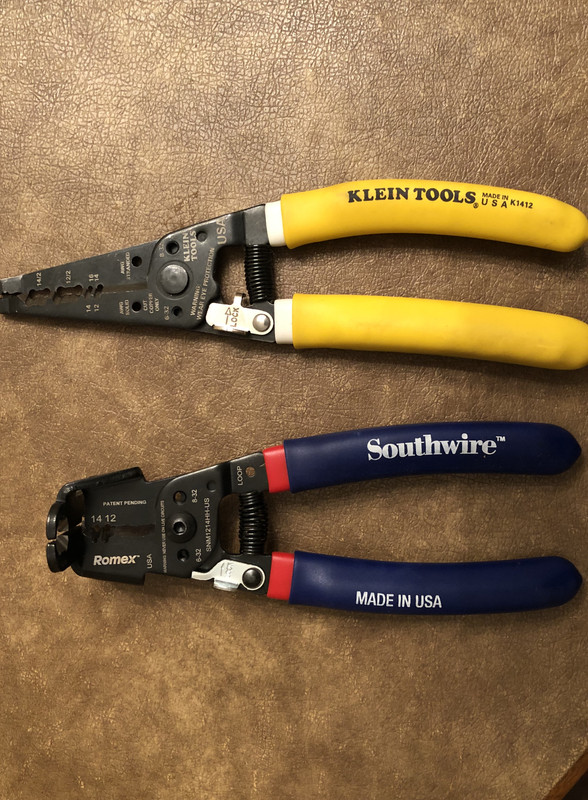
Credit: www.doityourself.com
What To Look For When Choosing
Before you make your final decision, consider these factors:
- Purpose: Are you using the meter for home repairs, professional work, or learning?
- Features: Make sure the meter has all the functions you need—think about temperature, frequency, and LoZ.
- Build Quality: If you’re working on job sites, choose a meter that can handle drops and rough use.
- Display: Look for backlighting and large digits if you work in dark areas.
- Price: Don’t pay for features you won’t use, but don’t go too cheap if reliability is important.
- Warranty: A longer warranty often means better support and peace of mind.
Pro tip: The best meter is the one you feel comfortable using. Test the dial, feel the leads, and check the screen before buying if possible.
Southwire Vs Klein Multimeter: Final Thoughts
Both Southwire and Klein make reliable, safe, and useful multimeters. For most users, Klein wins in terms of durability, extra features, and long-term value—especially for professionals. However, Southwire offers excellent value, simple controls, and enough features for most basic tasks. If price is a concern, or you are just starting out, Southwire is a smart pick. For those who need top performance and support, Klein is worth the investment.
If you want to compare more technical details, you can check the official Klein Tools site for specifications and user reviews: Klein Tools Multimeters.
Frequently Asked Questions
What Is The Main Difference Between Southwire And Klein Multimeters?
The main difference is that Klein multimeters usually offer more advanced features, faster response times, and better overall build quality. Southwire meters are usually simpler and more affordable, making them ideal for beginners or budget-conscious users.
Are Southwire Multimeters Good For Professional Electricians?
While Southwire multimeters are safe and reliable, most professional electricians prefer Klein for daily use due to their extra features, stronger build, and longer warranties. Southwire meters are often used as backup or secondary meters in the field.
Can I Use A Klein Or Southwire Meter For Automotive Work?
Yes, both brands have models that can measure voltage, current, and continuity needed for automotive work. However, check for features like auto-ranging and capacitance measurement if you work with modern vehicle electronics.
Do I Need Loz (low Impedance) Mode In My Multimeter?
LoZ mode is helpful for eliminating ghost voltages, especially when troubleshooting electrical circuits in buildings. If you work in environments where false readings are common, a Klein meter with LoZ is a good choice.
Which Brand Offers Better Warranty And Customer Support?
Klein generally offers a longer warranty (often two years or more) and has a stronger reputation for customer support. Southwire provides a standard one-year warranty and responsive service, but some users have reported slower claim processing.
With the right information, you can make a confident choice between Southwire and Klein. Always prioritize your actual needs and safety first. Both brands have something valuable to offer, whether you’re just starting out or have years of experience in the field.