When it comes to choosing the right multimeter for your electrical projects, you might find yourself stuck between a 600V and a 1000V model. Which one is better for your needs?
How do you know which voltage rating really matters? Making the wrong choice can affect your safety and the accuracy of your work. You’ll discover the key differences between 600V and 1000V multimeters, so you can pick the perfect tool with confidence.
Keep reading to make sure your next multimeter fits your tasks perfectly and keeps you safe every step of the way.
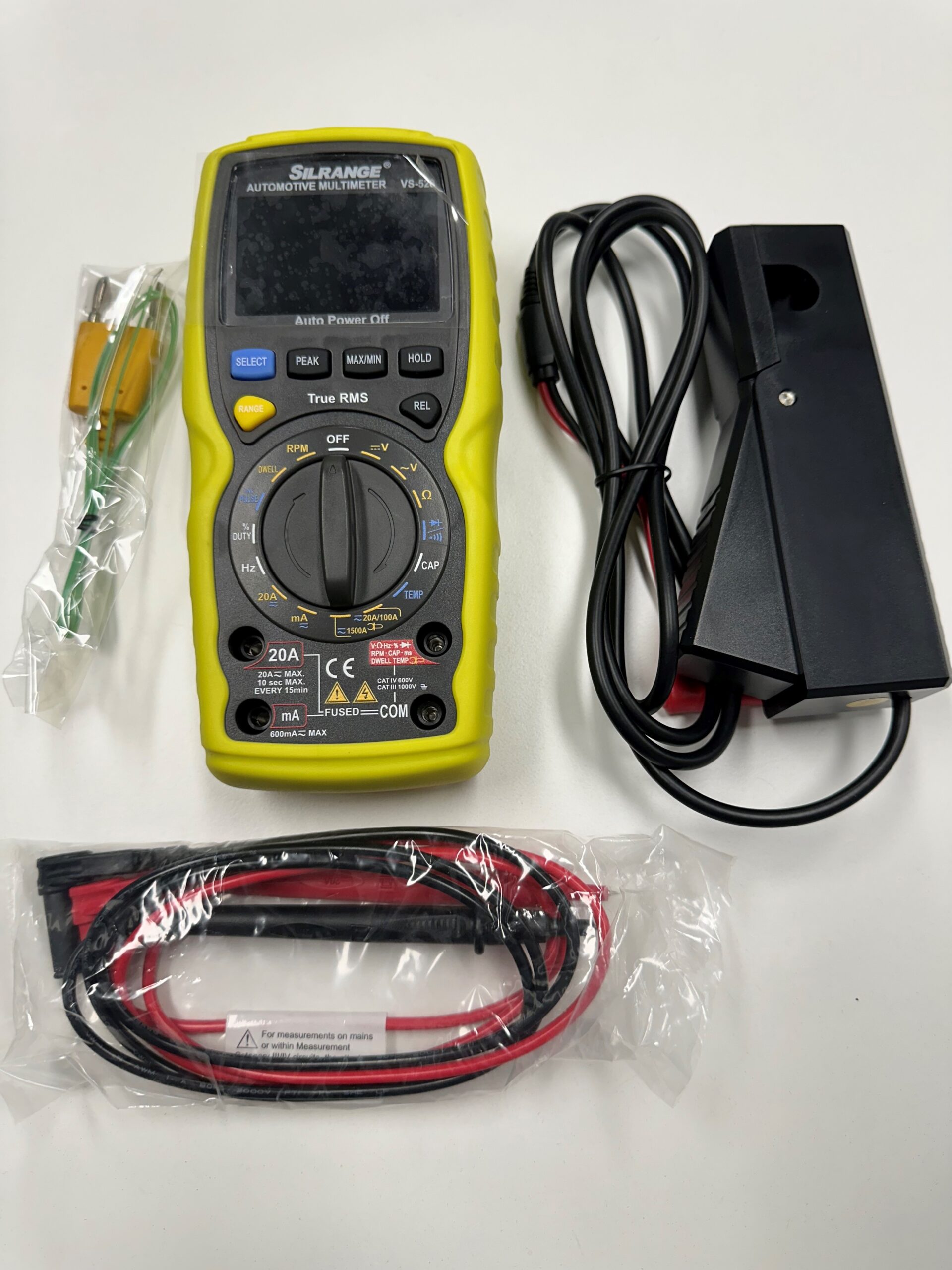
Credit: powerstartau.com
Voltage Ratings Explained
Understanding voltage ratings is important when choosing a multimeter. These ratings tell you the highest voltage the tool can safely measure. Picking the right rating helps prevent damage and keeps you safe. Let’s explore what the 600V and 1000V ratings mean.
What 600v And 1000v Mean
The numbers 600V and 1000V show the maximum voltage level a multimeter can handle. A 600V multimeter is designed for circuits up to 600 volts. A 1000V multimeter can measure higher voltage circuits, up to 1000 volts. Using a multimeter with a lower rating on a higher voltage circuit can cause failure or injury. Choose the rating based on your typical work environment.
Safety Standards And Certifications
Voltage ratings follow safety standards set by international organizations. These standards include IEC 61010 and CAT (Category) ratings. CAT ratings define the type of electrical environment the multimeter can be used in safely. For example, a CAT III 600V meter suits building installations. A CAT IV 1000V meter is made for outdoor or industrial power lines. Always check certifications to ensure the multimeter meets safety requirements for your tasks.
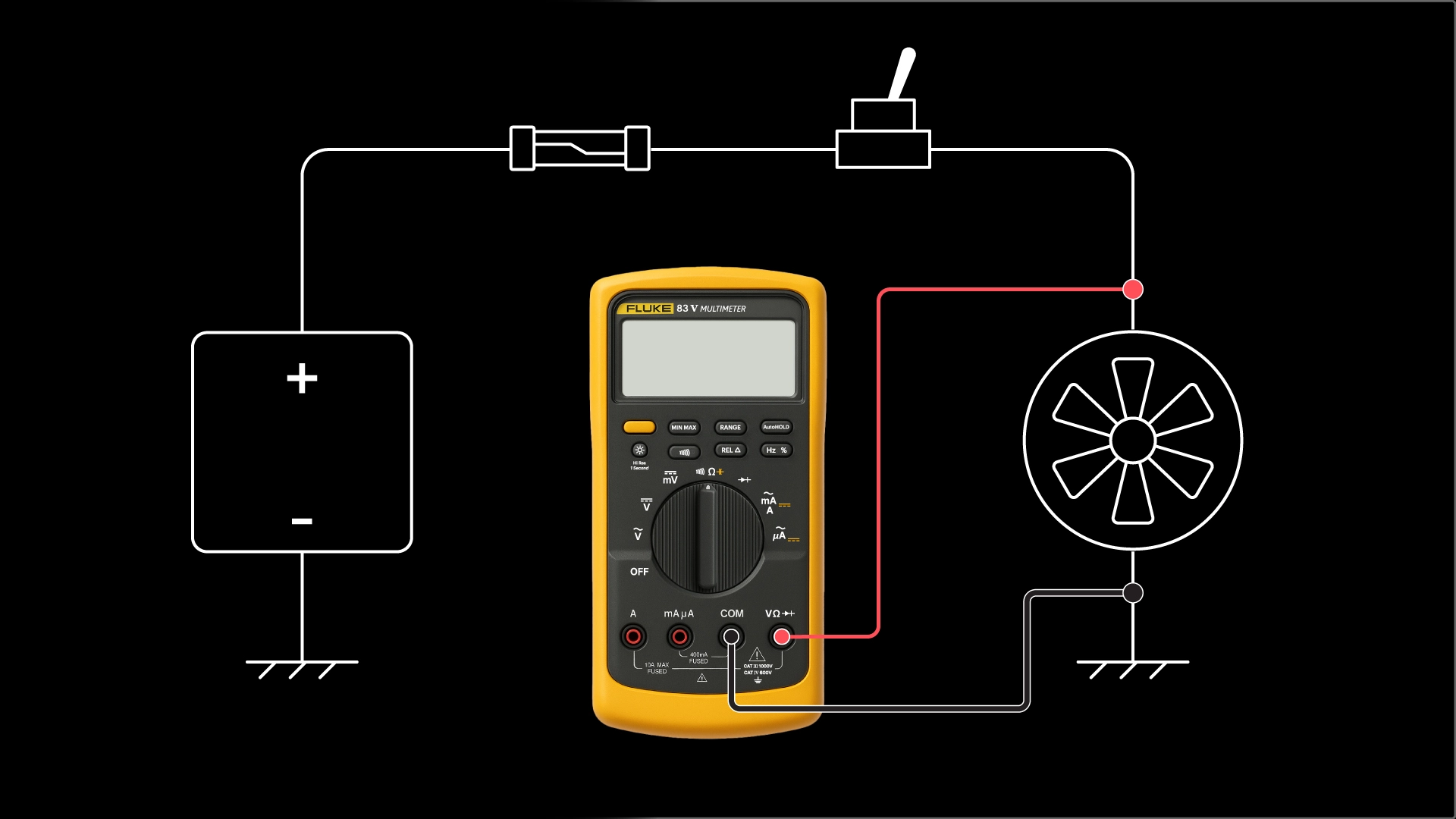
Credit: www.realpars.com
Applications For 600v Multimeters
600V multimeters are common tools for many electrical tasks. They are designed to handle voltages up to 600 volts safely. These devices serve well in homes, small businesses, and light industrial settings. Their applications cover a range of electrical measurements and troubleshooting.
Choosing a 600V multimeter suits many everyday electrical jobs. The device offers enough capacity for most low to medium voltage circuits. It is practical for electricians, technicians, and hobbyists working with standard electrical systems.
Common Use Cases
600V multimeters are ideal for measuring household electrical circuits. They can test outlets, switches, and lighting fixtures. Checking batteries and small motors is also easy with these meters. They help find faults in appliances and electronic devices. Electricians use them to measure voltage and current in control panels. Maintenance workers rely on them for routine equipment checks.
Limitations To Consider
600V multimeters are not for high-voltage tasks. They should not be used on circuits above 600 volts. Using them on higher voltages risks damage and injury. They lack the protection needed for heavy industrial or utility work. Their range may limit measurements in some commercial settings. Users must check voltage levels before testing to avoid accidents.
Applications For 1000v Multimeters
1000V multimeters serve important roles in many fields. They measure higher voltages safely and accurately. These tools help workers handle electrical tasks without risks. Their design suits environments with strong electrical currents. Understanding where 1000V multimeters fit is key to using them properly.
Industries That Benefit
Construction sites often use 1000V multimeters for power line checks. Electricians rely on them for residential and commercial wiring tasks. Manufacturing plants need these meters to monitor heavy machinery. Solar energy companies test panels and inverters with 1000V devices. Utility companies inspect power grids safely and effectively. Each industry demands tools that handle high voltages without failure.
Extra Safety Features
1000V multimeters include strong insulation to prevent shocks. They have protective casing to endure tough work conditions. Many models come with overload protection to avoid damage. Clear displays help users read measurements easily and correctly. Safety standards compliance guarantees reliability in risky environments. These features reduce accidents and protect both the user and device.
Accuracy And Performance
Accuracy and performance are vital when choosing between 600V and 1000V multimeters. These features affect how well the tool measures electrical values. A precise reading helps avoid mistakes and ensures safety. Performance determines how the multimeter handles different tasks and conditions. Understanding these aspects guides you to the right choice for your needs.
Measuring Precision
Both 600V and 1000V multimeters offer good precision. The design and quality of internal components affect this. Higher voltage models often have better insulation and more stable circuits. This stability improves measurement accuracy. Low voltage models might have slight fluctuations in readings. For tasks requiring exact data, a 1000V multimeter can be more reliable.
Impact On Readings
The voltage rating influences how readings are affected by external factors. A 1000V multimeter handles high voltage without distortion. It reduces errors caused by electrical noise and surges. The 600V version may show inaccurate readings in high voltage environments. Using the right multimeter protects both the user and the device. It ensures consistent, trustworthy measurements every time.
Cost And Durability Factors
Cost and durability are key factors when choosing between a 600V and a 1000V multimeter. These tools often face tough conditions, so understanding their price and build can save money and hassle. This section compares these aspects to help make a smart choice.
Price Differences
600V multimeters usually cost less than 1000V models. The lower voltage rating means simpler parts and fewer safety features. This keeps the price down. On the other hand, 1000V multimeters have extra protections and advanced components. These add to the cost but offer more safety and capability. Users who need higher voltage testing often accept the higher price for better performance.
Build Quality And Lifespan
Higher voltage multimeters often have stronger cases and better insulation. This helps protect the device from shocks and drops. The internal components are also designed to handle more stress. These factors make 1000V meters last longer in tough environments. In contrast, 600V multimeters may wear out faster if used beyond their rating. Choosing a meter with good build quality ensures longer use and fewer replacements.
Choosing Based On Your Needs
Choosing the right multimeter depends on your specific needs. The voltage rating, either 600V or 1000V, affects safety and usability. Understanding your work environment and future plans can guide this choice. This section helps you decide which multimeter suits your tasks best.
Assessing Your Work Environment
Check the voltage levels in your daily tasks. Residential work usually involves lower voltages, often under 600 volts. For these jobs, a 600V multimeter is safe and efficient. Industrial settings often require handling higher voltages. A 1000V multimeter offers extra protection in such environments.
Consider the types of circuits you test. Some equipment or wiring may exceed 600 volts. Using a multimeter rated below the maximum voltage can be dangerous. Safety standards recommend choosing a tool with a voltage rating above your highest expected voltage. This reduces risk and protects your tools.
Future-proofing Your Equipment
Think about upcoming projects or changes in your work. Voltage requirements might increase over time. Investing in a 1000V multimeter can save money later. It avoids the need to buy a new tool if your tasks evolve.
Higher-rated multimeters often include more features. These can improve accuracy and durability. Even if you don’t need 1000V now, having the option gives flexibility. It also ensures compliance with stricter safety rules in the future.
Balance your budget with long-term needs. A 600V multimeter might suit simple jobs and tight budgets. A 1000V model offers more room to grow and work safely with high voltages. Choose based on what fits your current and future work best.
Tips For Safe Multimeter Use
Using a multimeter safely is very important, especially when measuring high voltage. Taking the right steps helps avoid accidents and keeps you safe. Understanding how to handle your device correctly protects both you and your equipment.
Handling High Voltage Measurements
Always check the multimeter’s voltage rating before use. Use a 1000V multimeter for higher voltage measurements. Never use a 600V multimeter on circuits above its limit. Wear insulated gloves and safety glasses to protect yourself.
Keep your hands steady and avoid touching metal parts. Connect the test leads carefully and one at a time. Stand on an insulated surface to reduce shock risk. Turn off power if possible before connecting the multimeter.
Maintenance And Inspection
Inspect your multimeter regularly for damage. Look for cracks, worn wires, or loose parts. Replace damaged test leads immediately to prevent shock. Keep the device clean and dry to avoid malfunctions.
Test the multimeter on a known voltage source before use. Store it in a safe, dry place away from dust. Follow the manufacturer’s instructions for battery replacement and calibration. Proper care extends the life of your multimeter.
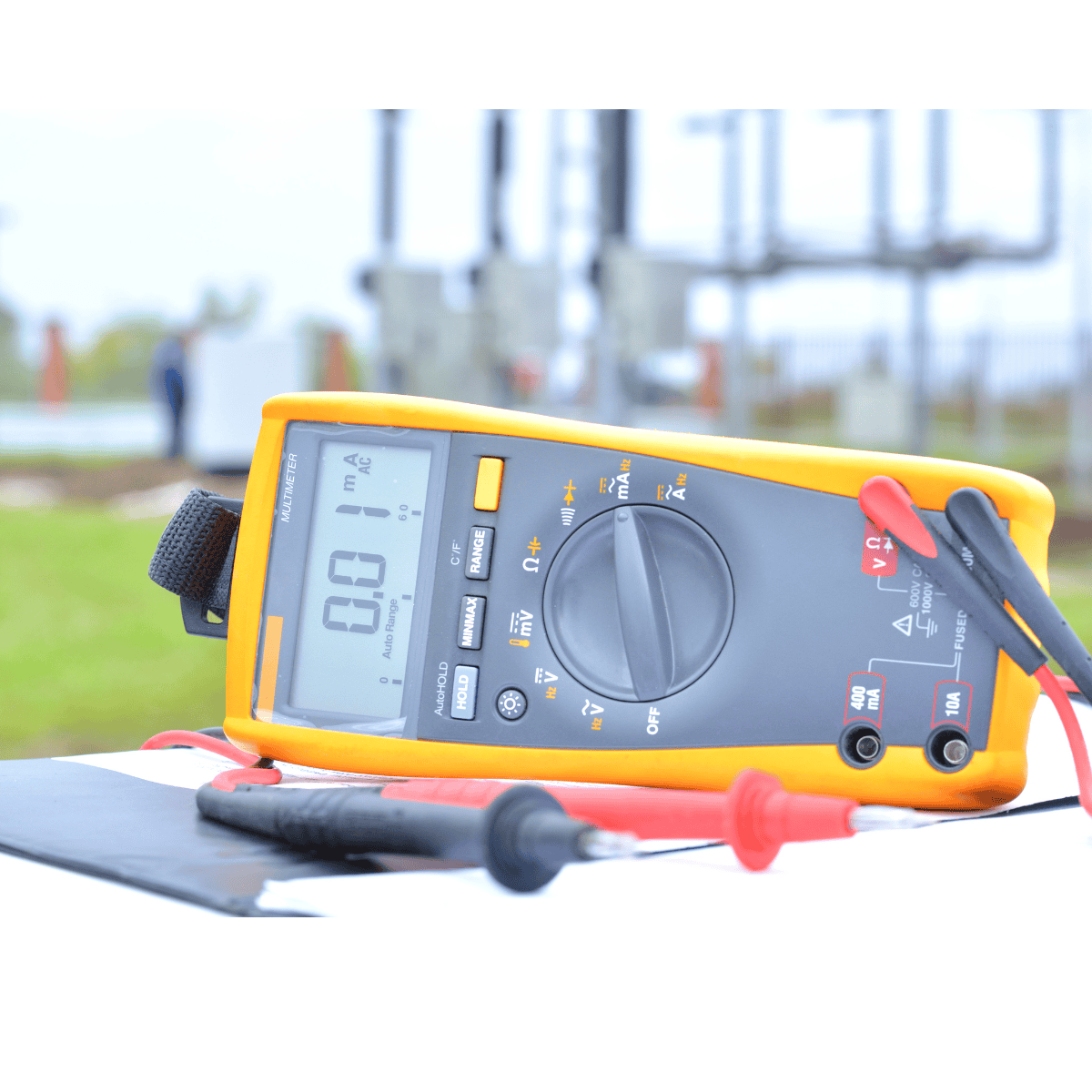
Credit: www.foxvalleymetrology.com
Frequently Asked Questions
What Is The Difference Between 600v And 1000v Multimeters?
600V multimeters measure up to 600 volts safely, while 1000V models handle higher voltages. The 1000V multimeter offers extra protection for industrial or high-voltage work environments. Choosing depends on your voltage requirements and safety needs.
Which Multimeter Voltage Rating Is Safer To Use?
A 1000V multimeter is generally safer because it withstands higher voltage spikes. It provides better insulation and protection for testing circuits above 600 volts. Always select a multimeter with a voltage rating exceeding your measurement needs.
Can A 600v Multimeter Measure 1000v Circuits?
No, a 600V multimeter should not be used on 1000V circuits. Using it beyond its rating risks damage or electrical shock. Always use a multimeter rated equal to or above the circuit voltage.
When Should I Choose A 1000v Multimeter Over 600v?
Choose a 1000V multimeter for industrial, commercial, or high-voltage electrical work. It ensures safety when working with circuits above 600 volts. For household or low-voltage tasks, a 600V multimeter is usually sufficient.
Conclusion
Choosing between a 600V and 1000V multimeter depends on your needs. A 600V meter suits most home and small projects. A 1000V meter offers extra safety for higher voltage work. Always pick a meter that matches your tasks. Safety matters most when working with electricity.
Use the right tool to protect yourself. Both meters have clear advantages in different settings. Think about your usual work and choose smartly. This helps you measure accurately and stay safe. Simple and reliable tools make your work easier.