Are you having trouble with your solenoid valve and wondering if it’s working properly? Testing a solenoid valve with a multimeter is easier than you might think.
By following a few simple steps, you can quickly find out if your valve is faulty or just needs a quick fix. In this guide, you’ll learn exactly how to test your solenoid valve with a multimeter, saving you time and money on repairs.
Keep reading, and you’ll be able to diagnose the problem like a pro!
Tools Needed
Testing a solenoid valve with a multimeter needs the right tools. Having these tools ready makes the process smooth and accurate. Gather everything before starting. This saves time and avoids confusion.
Choosing The Right Multimeter
Select a digital multimeter with a resistance (ohms) setting. It should measure low resistance values accurately. A clear display helps read results easily. Look for a model with a continuity test feature. This helps check if the valve coil is continuous or broken. A multimeter with auto-ranging is easier to use. It adjusts the measurement scale automatically. This feature suits beginners and experienced users alike.
Additional Equipment
Besides the multimeter, you need a few other items. Use insulated test leads to ensure safety. Needle probes help reach small terminals on the valve. A screwdriver may be required to access the valve coil. Keep a clean cloth handy to wipe contacts. A notebook to jot down readings can be useful. Have good lighting to see small parts clearly. These tools help perform the test effectively and safely.
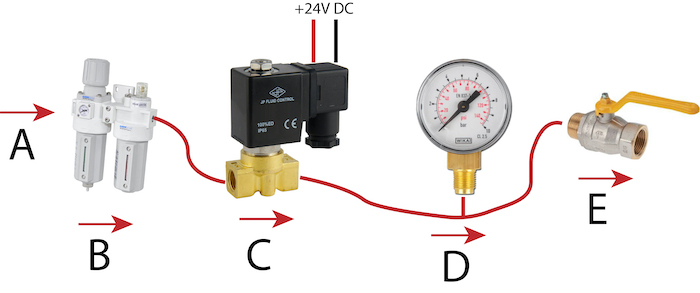
Credit: tameson.com
Safety Precautions
Safety is the first step when testing a solenoid valve with a multimeter. Taking the right precautions protects you from injury and prevents damage to the device. Follow clear and simple safety rules to keep the process smooth and secure.
Power Off Procedures
Always switch off the power before starting any test. Disconnect the device from the power source completely. Use a voltage tester to check that no electricity flows to the valve. This step avoids electric shocks and short circuits. Never skip this step, even if you think the power is off.
Handling Electrical Components
Handle all wires and connectors with care. Avoid touching metal parts with bare hands. Use insulated tools to prevent accidental shocks. Keep the work area dry and clean to avoid slips or shorts. Check your multimeter settings before use to avoid wrong readings or damage.
Locating The Solenoid Valve
Locating the solenoid valve is the first step in testing it with a multimeter. Knowing exactly where the valve sits helps you check it safely and quickly. Solenoid valves control fluid flow in many machines and systems. Finding the right spot ensures accurate testing and avoids damage.
Identifying Valve Type
Solenoid valves come in different types. Some are direct-acting, while others are pilot-operated. Each type looks different and has a unique size. Check the machine’s manual or labels for clues. Look for a coil or wire attached to the valve. This coil is the solenoid part that you will test.
Access Points
Access points are where you connect your multimeter. These points are usually near the coil’s terminals. Sometimes, you need to remove a cover or panel to reach them. Use a flashlight if the valve is in a dark place. Be careful not to damage wires or parts. Good access makes testing easier and safer.
Testing Coil Resistance
Testing the coil resistance of a solenoid valve is an important step in checking its condition. The coil is the part that creates a magnetic field to open or close the valve. Measuring its resistance helps find faults like breaks or short circuits.
This test is simple and quick with a multimeter. It tells if the coil is working well or needs replacement. Follow these steps carefully for accurate results.
Setting Multimeter To Ohms
Turn on your multimeter. Look for the resistance setting, shown as the Greek letter omega (Ω). Set the dial to a low ohm range, usually 200 Ω or less. This range works best for most solenoid coils.
Make sure the multimeter probes are in the right ports. The black probe goes into the common (COM) port. The red probe goes into the port labeled for measuring resistance or voltage.
Measuring Resistance
First, disconnect the solenoid valve from any power source. Touch one probe to each coil terminal. Hold the probes steady to get a stable reading. Note the resistance value shown on the multimeter display.
Do not let the probes touch each other during the test. This could cause a false reading or damage your multimeter.
Interpreting Results
Check the resistance value against the solenoid valve’s specifications. The correct resistance usually ranges from 10 to 100 ohms, but it varies by model. A reading of zero means a short circuit, and infinite or very high resistance means a broken coil.
Values outside the normal range suggest the coil is faulty. Replace the solenoid valve if the coil does not meet the expected resistance.
Checking For Continuity
Checking for continuity is a key step to test a solenoid valve with a multimeter. It helps find breaks in the valve’s coil. A continuous coil allows current to flow, making the valve work. No continuity means the coil is damaged and the valve won’t work properly.
This test is simple and fast. It shows if the solenoid valve coil is good or bad. The multimeter helps detect open circuits or broken wires inside the coil. This section guides you through the process of checking continuity.
Continuity Mode Setup
First, turn off the power to the solenoid valve. Set the multimeter to continuity mode. This mode often has a symbol like a sound wave or diode. If your multimeter does not have a continuity mode, use the resistance (ohms) setting instead. Continuity mode makes a beep sound when the circuit is good.
Prepare the multimeter by connecting the black probe to the common (COM) port. Connect the red probe to the voltage or ohms port. Now, the multimeter is ready to test the solenoid coil.
Testing Steps
Remove the wires connected to the solenoid coil. Place one probe on each terminal of the coil. Watch the multimeter display and listen for a beep. A beep or low resistance value shows continuity. It means the coil is intact.
If the multimeter shows no beep or infinite resistance, the coil is broken. Test again to confirm your reading. Repeat on all solenoid valves if needed to find the faulty one.
Troubleshooting Open Circuits
Open circuits mean no continuity in the coil. Check the coil terminals for dirt or corrosion. Clean them gently with a cloth or brush. Test again after cleaning.
If no continuity is found, the coil may be burned or broken inside. Replace the solenoid valve coil. Sometimes, wires connecting the coil can break. Inspect wires for cuts or damage. Repair or replace wires if needed.

Credit: www.youtube.com
Voltage Testing
Voltage testing is an important step to check a solenoid valve. It helps find out if the valve gets the correct power to work. A multimeter is the right tool for this job. It measures the electric voltage going into the solenoid coil.
Start by setting the multimeter to the right voltage type. Then, measure the voltage at the coil terminals. The reading shows if the coil gets enough power to open or close the valve. Correct voltage means the valve should work well. Low or no voltage can cause the valve to fail.
Ac Vs Dc Voltage Settings
Solenoid valves use either AC or DC voltage. The multimeter must match the type of voltage. Set the multimeter to AC if the solenoid uses alternating current. Choose DC for direct current solenoids. Using the wrong setting can give false readings. Double-check the valve label to find the voltage type.
Measuring Coil Voltage
Turn off the power before connecting the multimeter. Attach the test leads to the coil terminals carefully. Turn the power on and watch the multimeter display. The voltage should match the valve specifications. Write down the reading for comparison. Turn off the power again before removing the leads.
Analyzing Voltage Readings
Compare the measured voltage to the valve’s rated voltage. A reading close to the rated voltage means the coil receives proper power. A much lower reading indicates a wiring problem or power supply issue. No voltage means the coil is not energized. This can cause the valve to stay closed or open.
Common Issues And Solutions
Solenoid valves can face several common issues that affect their performance. Knowing these problems helps you test and fix the valve properly. Each issue has simple signs and solutions. This guide covers coil burnout, wiring problems, and valve mechanical failures.
Coil Burnout Signs
A burnt coil often causes the valve to stop working. You may notice a strong burnt smell or see black marks on the coil. Use a multimeter to check the coil’s resistance. A reading of zero or infinite resistance means the coil is damaged. Replace the coil to restore valve function.
Wiring Problems
Loose or broken wires can prevent the valve from receiving power. Look for frayed or disconnected wires around the valve terminals. Use a multimeter to test for continuity in the wiring. Fix any broken connections or replace damaged wires for proper operation.
Valve Mechanical Failures
Mechanical parts inside the valve can wear out or get stuck. This causes the valve to leak or not open and close fully. Check for debris or corrosion blocking the valve. Clean or replace any damaged parts to ensure smooth movement and correct sealing.

Credit: www.youtube.com
Maintenance Tips
Proper maintenance keeps solenoid valves working well and extends their life. Regular care helps spot problems early. It also ensures accurate testing with a multimeter. Follow these simple tips to maintain your solenoid valve.
Regular Inspections
Check the solenoid valve often for any signs of wear or damage. Look for cracks, leaks, or loose wires. Inspect the coil for any burn marks or unusual smells. Early detection of issues saves time and cost.
Cleaning Procedures
Clean the valve parts carefully to remove dirt and debris. Use a soft brush or cloth to avoid damage. Avoid harsh chemicals that can harm the valve materials. Clean contacts and terminals before testing with your multimeter.
Replacing Faulty Components
Replace any broken or worn parts quickly. Faulty coils, seals, or wires affect valve performance. Use original or high-quality parts for replacements. Proper replacement keeps the valve functioning reliably and safely.
Frequently Asked Questions
How Do You Test A Solenoid Valve With A Multimeter?
To test a solenoid valve, set your multimeter to the resistance mode. Connect the probes to the valve terminals. A reading between 20 to 60 ohms typically indicates a good coil. No or infinite reading suggests a faulty coil that needs replacement.
What Resistance Should A Solenoid Valve Show?
A healthy solenoid valve coil usually shows resistance between 20 to 60 ohms. Values outside this range may indicate coil damage or short circuits. Always check the manufacturer’s specifications for exact resistance values for your specific valve model.
Can A Multimeter Detect Solenoid Valve Coil Faults?
Yes, a multimeter can detect coil faults by measuring resistance. If the coil is open or shorted, the multimeter reading will be infinite or very low. This simple test helps determine if the valve needs repair or replacement.
Why Is Testing A Solenoid Valve Important?
Testing ensures the solenoid valve operates correctly and prevents system failures. Faulty valves can cause leaks or system inefficiency. Regular testing saves time and repair costs by identifying issues early.
Conclusion
Testing a solenoid valve with a multimeter is simple and useful. It helps find problems fast and saves money. Use the steps carefully for clear results. Check the coil resistance and wiring connections well. A good multimeter test keeps your system working smoothly.
Keep practicing to feel more confident each time. This skill helps avoid bigger issues later on. Small checks today lead to fewer repairs tomorrow. Try it yourself and see how easy it is.