Choosing the right multimeter can make a huge difference in your work. Whether you’re fixing electronics at home or testing circuits in a lab, you want a tool that fits your needs perfectly.
You might be wondering: should you go for a benchtop multimeter or a handheld one? Each has its strengths, but which one will save you time, give you better results, and feel more comfortable in your hands? Keep reading, because by the end of this article, you’ll know exactly which multimeter suits your projects and lifestyle best.
Credit: www.foxvalleymetrology.com
Benchtop Multimeter Features
Benchtop multimeters offer distinct features tailored for lab and workshop use. They provide stable and precise measurements suitable for complex tasks. These devices are designed to stay on a workbench, offering more power and options than handheld models.
Design And Build Quality
Benchtop multimeters have a robust and sturdy design. They come with a large casing to protect internal parts. Their build supports long hours of use without overheating. Buttons and knobs are larger for easy control. The design focuses on stability to avoid movement during tests.
Measurement Capabilities
These multimeters measure voltage, current, and resistance accurately. Many models also test frequency, capacitance, and temperature. They often support multiple ranges for different test needs. Benchtop units handle higher voltages and currents than handhelds. This makes them ideal for advanced electrical work.
Display And Interface
Benchtop multimeters feature large, clear screens. The display shows multiple readings at once. Some use color LCDs for better visibility. Menus are easy to navigate with buttons or knobs. The interface often includes data logging and graphing options.
Accuracy And Precision
These devices deliver high accuracy for precise measurements. They use advanced components to reduce errors. Benchtop multimeters often have better resolution than handhelds. This precision is crucial for detailed testing and calibration.
Power Supply And Connectivity
Benchtop multimeters usually plug into AC power for continuous use. Some models include battery backup for short-term use. Connectivity options include USB, LAN, or GPIB ports. These allow data transfer to computers or other equipment. This feature supports remote monitoring and analysis.

Credit: www.keysight.com
Handheld Multimeter Features
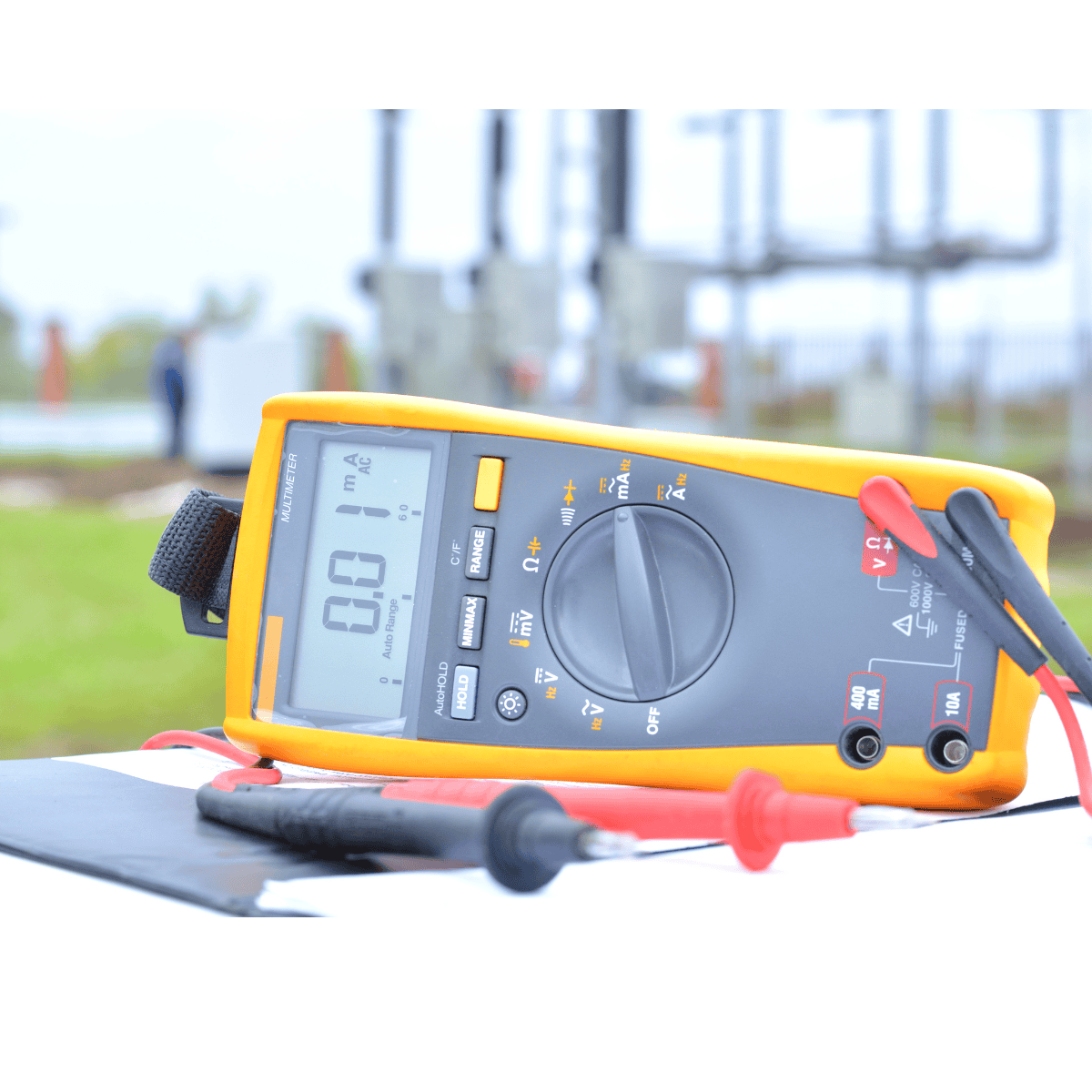
Handheld multimeters are essential tools for electricians, technicians, and hobbyists. They offer a compact design with many useful features. These features make measuring electrical values easy and fast. Understanding these features helps in choosing the right multimeter for daily tasks.
Each handheld multimeter is designed to balance convenience and functionality. This balance affects its portability, measurement abilities, display, durability, and safety. These factors determine how well the device performs in different environments.
Portability And Size
Handheld multimeters are small and lightweight. They fit easily in your hand or pocket. This makes carrying them simple during work. Their compact size allows use in tight spaces. Portability means you can measure anywhere without hassle.
Measurement Functions
These multimeters measure voltage, current, and resistance. Some models test continuity and diodes. Advanced versions include capacitance and frequency checks. Multiple functions help handle various electrical tasks. This versatility saves time and tools.
Display And Controls
Handheld multimeters usually have clear digital displays. The screen shows numbers and symbols for easy reading. Backlit displays help in low light conditions. Controls are simple with buttons or dials. Easy controls reduce user errors during measurements.
Durability And Battery Life
Most handheld multimeters are built to last. They have sturdy cases to resist drops and shocks. Some models offer water and dust resistance. Battery life is important for long use. Many devices use standard batteries that last many hours.
Safety Ratings
Safety is critical for measuring electrical systems. Handheld multimeters come with safety ratings like CAT II, CAT III, or CAT IV. These ratings indicate the device’s protection level. Using a properly rated multimeter prevents accidents. Always choose a multimeter with the right safety standard.
Performance Comparison
Performance plays a key role in choosing between a benchtop multimeter and a handheld one. Each type offers unique strengths that suit different tasks and environments. Understanding their performance differences helps you select the right tool for your work.
Accuracy Levels
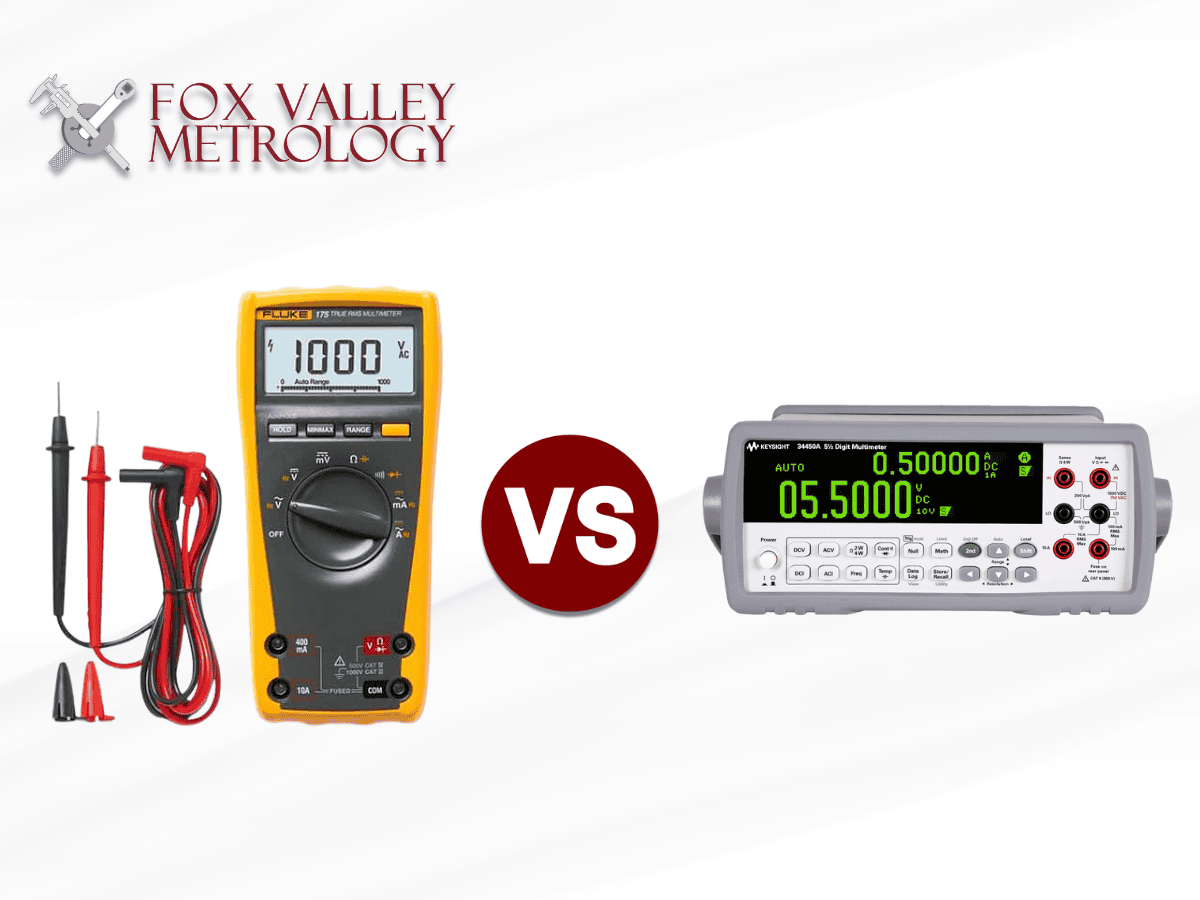
Benchtop multimeters usually provide higher accuracy than handheld models. They measure small changes in voltage or current more precisely. This makes them ideal for lab work and detailed testing. Handheld multimeters offer good accuracy but can have slight variations. They work well for general troubleshooting and field use.
Range Of Measurements
Benchtop multimeters cover a wider range of measurements. They can test voltage, current, resistance, capacitance, frequency, and more. Handheld multimeters cover basic measurements like voltage, current, and resistance. Some advanced handhelds include extra functions but still lag behind benchtop models in range.
Response Time
Benchtop multimeters often have faster response times. They quickly display stable readings for accurate analysis. Handheld multimeters may take longer to stabilize. This delay can affect quick diagnostics. Fast response helps in monitoring rapidly changing signals or components.
Data Logging And Storage
Benchtop multimeters usually come with built-in data logging features. They store large amounts of data for later review. This feature supports detailed analysis and record keeping. Handheld multimeters may have limited or no data logging. They rely more on manual note-taking or external devices.
Credit: www.foxvalleymetrology.com
Usability And Convenience
Usability and convenience are key when choosing between benchtop multimeters and handheld models. These features affect how easily you can perform measurements and maintain the device. Both types have their strengths depending on the setting and user needs.
Ease Of Use
Handheld multimeters are simple to carry and operate quickly. They suit tasks that require mobility and fast checks. Benchtop multimeters often have more functions, which can take time to learn. They work well in labs where detailed testing happens regularly.
User Interface
Benchtop multimeters usually have larger screens and more buttons. This setup shows more information at once. Handheld models have smaller displays but focus on essential data. Their menus are straightforward to avoid confusion during quick tests.
Maintenance Requirements
Handheld multimeters need less upkeep due to their compact design. They often use batteries that are easy to replace. Benchtop multimeters require stable power and occasional calibration. They may need professional service for complex repairs.
Ergonomics
Handheld multimeters fit comfortably in one hand. Their lightweight design reduces user fatigue during long use. Benchtop multimeters stay on a desk, so ergonomics focus on display angle and button placement. Both designs aim to make measurement tasks less tiring.
Application Suitability
Choosing between a benchtop multimeter and a handheld one depends on where and how you plan to use it. Each type suits different tasks and environments. Understanding their application suitability helps you pick the right tool for your needs.
Industrial And Laboratory Use
Benchtop multimeters excel in industrial and laboratory settings. They offer high accuracy and stable readings. These meters handle complex measurements and long testing sessions. Their size allows for more features and better display. Professionals rely on them for precise data and detailed analysis.
Fieldwork And Troubleshooting
Handheld multimeters are perfect for fieldwork and quick troubleshooting. They are lightweight and portable. You can carry them easily to different locations. Their durability withstands rough conditions. Technicians use handheld meters for fast checks and repairs on site.
Educational Purposes
Both types serve educational needs, but handheld meters are more common. Students find them simple and easy to operate. They teach basic electrical measurements effectively. Benchtop meters appear in advanced labs for deeper learning. They help students understand complex concepts with better accuracy.
Hobbyist And Diy Projects
Hobbyists and DIY enthusiasts prefer handheld multimeters. These meters are affordable and user-friendly. They fit well in small workshops and home use. Hobbyists measure voltage, current, and resistance with ease. Handheld models support a wide range of simple projects.
Cost And Value
Choosing between a benchtop multimeter and a handheld model involves thinking about cost and value. Both types serve different needs and budgets. Understanding price ranges and long-term benefits can help in making the right choice. Warranty and support also add to the overall value of the device.
Price Ranges
Benchtop multimeters usually cost more than handheld ones. They offer higher accuracy and more features. Prices can range from $200 to over $1,000. Handheld multimeters are cheaper. Most models cost between $20 and $200. The price difference reflects their design and use cases.
Long-term Investment
Benchtop multimeters provide stable performance over time. They suit labs and professional environments. This makes them a good long-term investment. Handheld multimeters may wear out faster. They are best for quick checks and fieldwork. Choosing a device depends on how often you will use it.
Warranty And Support
Warranty periods vary between brands and models. Benchtop multimeters often come with longer warranties. Some offer up to three years of coverage. Handheld models typically have shorter warranties, around one year. Good customer support adds peace of mind. It helps fix problems without extra costs.
Trends And Innovations 2026
The year 2026 brings new trends and innovations in benchtop and handheld multimeters. These tools are becoming smarter and more efficient. Users gain better control and data access. The advances focus on ease of use and performance. Both types now offer features that enhance measurement accuracy and convenience.
Smart Features Integration
Multimeters now include smart features for better user experience. Voice commands and digital assistants help operate devices hands-free. Automatic range selection reduces errors and speeds up testing. Some models show real-time data analysis on clear displays. These smart functions simplify complex tasks for all skill levels.
Connectivity Enhancements
Wireless connectivity is common in new multimeters. Bluetooth and Wi-Fi allow data transfer to smartphones and computers. Cloud storage options help keep measurement records safe and organized. Remote monitoring becomes easier for technicians in the field. Connectivity upgrades improve workflow and data sharing.
Energy Efficiency
Energy-saving designs extend battery life in handheld multimeters. Low power consumption helps benchtop models run longer with less heat. Sleep modes activate during inactivity to conserve energy. Efficient components reduce environmental impact and operating costs. Users benefit from longer use and fewer battery changes.
Future Prospects
Future multimeters may include AI for predictive maintenance. Enhanced sensors could offer even higher precision measurements. Integration with augmented reality might provide visual guides during testing. Compact designs will improve portability without losing functionality. The future holds promising tools for both beginners and experts.
Frequently Asked Questions
What Are The Main Differences Between Benchtop And Handheld Multimeters?
Benchtop multimeters offer higher accuracy and more features but are less portable. Handheld multimeters are compact, battery-powered, and ideal for fieldwork. Choose benchtop for lab precision and handheld for on-the-go measurements.
Which Multimeter Is Better For Professional Lab Use?
Benchtop multimeters are better for professional labs. They provide precise readings, advanced functions, and stable operation. Handheld meters are suited for quick diagnostics and field repairs, not detailed lab analysis.
Are Handheld Multimeters Accurate Enough For Home Use?
Yes, handheld multimeters are accurate for most home applications. They measure voltage, current, and resistance reliably. For casual users and DIY projects, handheld meters offer sufficient precision and convenience.
Can Benchtop Multimeters Be Used In The Field?
Benchtop multimeters are not ideal for field use due to size and power needs. They require stable power sources and a flat surface. Handheld multimeters are better suited for portable, outdoor, or on-site testing.
Conclusion
Choosing between a benchtop multimeter and a handheld one depends on your needs. Benchtop models offer more features and accuracy. Handheld meters are easy to carry and use on the go. Both tools measure voltage, current, and resistance well. Think about where and how often you will use the device.
Budget matters too; benchtop meters usually cost more. Each type has clear benefits for different tasks. Pick the one that fits your work style and budget best. Simple and practical choices work best in the long run.