When it comes to choosing the right tools for your electrical work, you want gear that’s reliable, accurate, and built to last. You might be torn between Fluke and Ideal, two top brands that professionals trust every day.
But which one truly fits your needs? You’ll discover the key differences, benefits, and what each brand brings to your toolbox. By the end, you’ll feel confident picking the perfect tool that makes your job easier and safer. Keep reading—you don’t want to miss this.
Brand Histories
Understanding the histories of Fluke and Ideal helps in choosing the right tools. Both brands have a strong legacy and focus on quality. Their backgrounds reveal their experience and commitment to the industry.
Fluke Background
Fluke was founded in 1948. The company started with electrical testing tools. It aimed to provide reliable and accurate equipment.
Fluke quickly gained trust from professionals worldwide. It became known for durable and easy-to-use devices. The brand expanded its range to include multimeters, thermal cameras, and more.
Fluke invests in innovation and quality. This focus made it a leader in the test and measurement field. Many technicians and engineers rely on Fluke daily.
Ideal Background
Ideal Industries began in 1916. It started as a small tool company in Illinois. Ideal focused on tools for electricians and construction workers.
The brand built a reputation for strong and practical tools. It offers hand tools, testers, and wire connectors. Ideal aims to simplify electrical work.
Ideal has grown by listening to customer needs. It provides products that balance quality and affordability. The brand remains popular among tradespeople across the U.S.

Credit: www.youtube.com
Product Range
The product range of Fluke and Ideal offers a variety of tools for electrical work. Both brands focus on quality and usability. Their tools serve different needs and skill levels. Understanding their product lines helps choose the right tools for your tasks.
Fluke Electrical Tools
Fluke provides a wide selection of testing and measuring tools. Their digital multimeters are popular for accuracy and durability. They also offer clamp meters, thermal imagers, and insulation testers. Fluke tools often include advanced features for professionals. Many products have rugged designs for tough job sites. Fluke is known for reliable electronics testing equipment.
Ideal Electrical Tools
Ideal offers a broad range of hand tools and testers. Their product line includes wire strippers, pliers, and screwdrivers. Ideal also makes electrical testers and voltage detectors. Their tools focus on comfort and ease of use. Ideal provides solutions for both electricians and DIY users. The brand is trusted for practical and affordable electrical tools.
Performance And Accuracy
Performance and accuracy define the value of any electrical testing tool. Both Fluke and Ideal offer strong contenders in this area. Their tools aim to deliver precise readings and consistent results. Understanding how each brand performs helps users pick the right device for their needs.
Measurement Precision
Fluke tools are known for their high measurement precision. They provide stable and clear readings across many types of tests. Ideal also delivers good accuracy but often suits simpler applications. Fluke’s advanced sensors reduce errors in complex environments. This makes Fluke a favorite for professionals needing exact data.
Reliability In Field
Field reliability is crucial for electrical tools. Fluke devices often feature rugged designs to handle tough conditions. They resist drops, dust, and moisture well. Ideal tools are durable too but may not match Fluke’s ruggedness. Both brands offer reliable battery life for long work hours. Users can trust these tools to perform steadily on-site.

Credit: sandsharkanchor.com
Durability And Build Quality
Durability and build quality are key factors for any tool, especially for electricians and technicians. Both Fluke and Ideal focus on creating strong, reliable tools. These tools must endure tough use on job sites. Understanding how each brand approaches durability helps in choosing the right tool.
Material And Design
Fluke tools often use high-quality plastics and metals. This choice makes them sturdy without adding too much weight. Their design includes reinforced grips and shock-absorbing materials. Ideal tools also use durable plastics but tend to have a simpler design. They focus on practical build and ease of repair. Both brands offer tools that fit well in the hand and resist damage from drops.
Resistance To Environmental Factors
Fluke tools usually have better sealing against dust and water. Many models meet high IP ratings, protecting internal parts. This makes them suitable for outdoor and harsh environments. Ideal tools provide decent resistance but often lack the same level of sealing. They perform well indoors and in dry conditions. Both brands design their tools to handle temperature changes and rough handling.
Ease Of Use
Ease of use is a key factor when choosing between Fluke and Ideal tools. Both brands design their products to be user-friendly. This helps professionals work faster and with less effort. Simple controls and clear displays make a big difference on the job site.
User Interface
Fluke tools often feature bright, easy-to-read screens. Buttons are well spaced and clearly marked. This helps users operate tools without confusion. Ideal tools also focus on clear displays, but their interface is more basic. Fluke’s digital menus tend to be more intuitive. Ideal keeps things simple for quick use. Both brands avoid cluttered screens and complex menus.
Portability And Weight
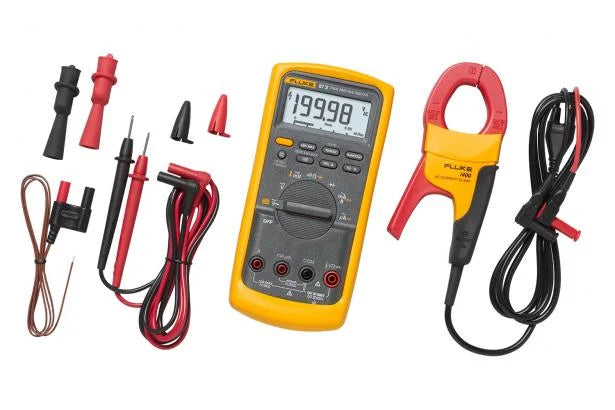
Fluke devices are generally lightweight and compact. This makes them easy to carry around all day. The design balances durability with comfort. Ideal tools are slightly heavier but still portable. Their robust build suits tough work environments. Both brands include convenient carrying cases. Fluke may be better for those who prioritize light gear. Ideal fits well in rugged conditions without adding too much weight.
Credit: www.elexp.com
Safety Features
Safety features are critical in choosing the right tool for electrical work. Both Fluke and Ideal focus on protecting users during testing and measurements. These brands integrate safety in different ways. Understanding their safety features helps you pick the best option for your needs.
Insulation And Protection
Fluke tools often have strong insulation to prevent electric shocks. Their testers include double or triple insulation layers. This reduces the risk of accidental contact with live parts. Ideal also offers good insulation, using durable materials that resist wear and tear. Their tools usually have protective casing to shield users from sparks or short circuits. Both brands prioritize user safety with sturdy build quality and secure grips.
Compliance With Standards
Fluke products meet international safety standards like IEC and UL. These certifications show Fluke tools pass rigorous testing for safe use. Ideal tools also comply with key safety standards. They follow guidelines to ensure reliability in various environments. Choosing a tool that meets recognized standards means better protection. It assures users that the tool performs safely under normal and extreme conditions.
Price And Value
Price and value are key factors in choosing between Fluke and Ideal tools. Both brands offer quality, but their costs and benefits differ. Understanding these differences helps you get the best tool for your money.
Cost Comparison
Fluke tools usually cost more upfront. They are known for high precision and durability. Ideal tools tend to be more affordable. They still provide good quality but at a lower price point. Choosing depends on your budget and tool needs.
Long-term Investment
Fluke tools often last longer with proper care. This can save money over time. They also come with strong warranties and support. Ideal tools may need replacement sooner. Still, they offer good performance for smaller budgets. Think about how long you need the tool to last.
Customer Support
Customer support plays a key role in choosing between Fluke and Ideal tools. Reliable help can save time and reduce frustration. Both brands offer support, but their services differ in important ways.
Warranty And Repairs
Fluke provides a solid warranty on most products. This covers defects for a specific time period. Repairs under warranty are handled promptly. Customers can send tools to service centers easily.
Ideal also offers a good warranty. It covers parts and workmanship issues. Repair services are available but may take longer. Checking warranty details before buying helps avoid surprises.
Technical Assistance
Fluke has a strong technical support team. Experts respond quickly to questions by phone or email. They provide clear advice for troubleshooting and use.
Ideal offers technical help through phone support and online guides. Response times can vary, but support is friendly and helpful. Both brands aim to assist users effectively.
User Reviews
User reviews provide real insights into Fluke and Ideal tools. They reveal strengths and weaknesses from daily users. These reviews help buyers choose the right tool for their needs. Both brands have loyal followers and critics. Let’s see what professionals and hobbyists say.
Professional Electricians’ Feedback
Electricians value accuracy and durability in their tools. Many praise Fluke for reliable measurements and rugged design. It often stands up well in tough job sites. Some find Fluke pricier but worth the cost for long-term use.
Ideal also receives good remarks for affordability and ease of use. Professionals note it performs well for common tasks. Some users mention Ideal’s tools feel lighter and easier to carry. A few electricians say Ideal may lack advanced features found in Fluke.
Overall, professionals trust Fluke for critical jobs. Ideal suits those who need solid performance without extra cost.
Diy Enthusiasts’ Opinions
DIY users focus on simplicity and value. Many find Ideal tools easier to handle and budget-friendly. They like the clear instructions and basic functions. Ideal fits well for simple home projects.
Fluke attracts DIYers who want high quality and precise readings. Some beginners feel Fluke tools are complex and expensive. Others appreciate the reliability for safety checks and repairs.
DIY enthusiasts often choose Ideal for everyday tasks. Fluke appeals to those wanting professional-grade tools at home.
Best Use Cases
Choosing the right tool depends on the task and environment. Each brand offers unique strengths suited to specific jobs. Understanding these best use cases helps pick the right product for your needs.
Ideal Scenarios For Fluke
Fluke excels in industrial and commercial settings. It suits electricians working with high voltage and complex systems. The brand’s tools provide accurate measurements in tough conditions. Fluke devices are perfect for troubleshooting electrical circuits and HVAC systems. They work well for professionals needing reliable, fast, and precise readings.
Fluke is also great for technicians who require durable tools. These tools handle rough handling and harsh environments. The brand’s multimeters and testers often feature advanced safety standards. They are ideal for tasks involving live electrical equipment and detailed diagnostics.
Ideal Scenarios For Ideal
Ideal tools are best for general electrical work and residential use. They offer good quality at a more affordable price. Ideal products suit electricians who focus on wiring, connectors, and basic circuit testing. The tools are user-friendly and effective for everyday tasks.
Ideal is a strong choice for those needing versatile hand tools and testers. It works well for light commercial and home maintenance jobs. The brand’s equipment is reliable for simple troubleshooting and installations. Ideal tools fit users who want solid performance without extra features.
Frequently Asked Questions
What Are The Key Differences Between Fluke And Ideal Tools?
Fluke tools focus on precision measurement and diagnostics. Ideal tools emphasize durability and electrical installation needs. Both brands offer quality products, but Fluke is preferred for testing accuracy while Ideal excels in hand tools and electrical accessories.
Which Brand Offers Better Value For Electricians?
Ideal provides cost-effective solutions with reliable hand tools. Fluke’s products are higher priced, offering advanced features and accuracy. Electricians needing budget-friendly tools may choose Ideal, while those requiring precise measurements often prefer Fluke.
Are Fluke And Ideal Tools Suitable For Industrial Use?
Yes, both Fluke and Ideal tools are designed for industrial environments. Fluke excels in diagnostic testing equipment, while Ideal offers rugged hand tools and connectors. Selecting depends on the specific industrial task and tool requirements.
How Does Fluke Compare To Ideal In Terms Of Durability?
Ideal tools are known for robust construction suited for tough job sites. Fluke products combine durability with high-precision electronics. Both brands produce long-lasting tools, but Ideal is often favored for physical toughness.
Conclusion
Choosing between Fluke and Ideal depends on your needs and budget. Both brands offer reliable tools for electricians and technicians. Fluke tends to focus on advanced features and durability. Ideal provides good quality at a more affordable price. Think about what features matter most for your tasks.
Consider how often you will use the tools and where. Either way, you get solid performance and accuracy. Quality tools help you work safely and efficiently. Pick the brand that fits your work style best. Simple as that.