Are you confused about whether to use an electrometer or a multimeter for your electrical measurements? Choosing the right tool can save you time, improve accuracy, and make your work much easier.
You’ll discover the key differences between an electrometer and a multimeter, and learn which one fits your needs best. By the end, you’ll feel confident picking the perfect device for your projects. Keep reading to unlock the secrets that can boost your efficiency and precision!
Electrometer Basics
Understanding the basics of an electrometer helps to see how it differs from a multimeter. Electrometers measure very small electrical charges and voltages with high precision. These tools are vital in fields where tiny electrical signals matter. Knowing how electrometers work can guide you to choose the right device for your needs.
What Is An Electrometer
An electrometer is a device that measures electric charge or voltage. It detects very small electrical signals that regular meters cannot. The device often shows results in units like picoamperes or microvolts. Scientists and engineers use electrometers for precise electrical measurements.
Common Uses Of Electrometers
Electrometers find use in labs for research and testing. They help measure ionizing radiation in physics and medical fields. Some use them to check insulation in electronics. Electrometers also measure tiny currents in chemical and biological experiments. Their role is crucial where accuracy is key.
How Electrometers Work
Electrometers use a very sensitive amplifier to detect small charges. This amplifier increases the tiny signals to measurable levels. The device has a high input resistance to avoid affecting the measurement. It often uses a feedback system to maintain accuracy. This design allows electrometers to measure very low currents and voltages.
Multimeter Essentials
The multimeter is a vital tool for anyone working with electronics or electrical systems. It measures different electrical values quickly and accurately. Knowing the basics of a multimeter helps users choose and use it properly. This section explains what a multimeter is, its uses, and how it works.
What Is A Multimeter
A multimeter is a handheld device that measures electrical properties. It can test voltage, current, and resistance in circuits. Multimeters come in analog and digital types. Digital multimeters are more common because they show clear numerical readings. They help check if electrical parts work correctly or find faults.
Typical Applications
People use multimeters in many fields. Electricians use them to check wires and outlets. Technicians test batteries and circuits with multimeters. Hobbyists use them for DIY electronics projects. Multimeters help find broken wires, dead batteries, and short circuits. They are also useful in home repairs and car maintenance.
Multimeter Functionality
Multimeters have different modes for various tests. The voltage mode measures the electric force in volts. The current mode checks the flow of electricity in amperes. The resistance mode measures how much a material resists electric flow. Some multimeters also test continuity and diode function. Users select the mode based on the test they need.
Measurement Capabilities
Measurement capabilities define how well an instrument performs electrical tests. Electrometers and multimeters serve different roles in measuring electrical properties. Each device has unique strengths and specific uses. Understanding these differences helps choose the right tool for your task.
Voltage And Current Range
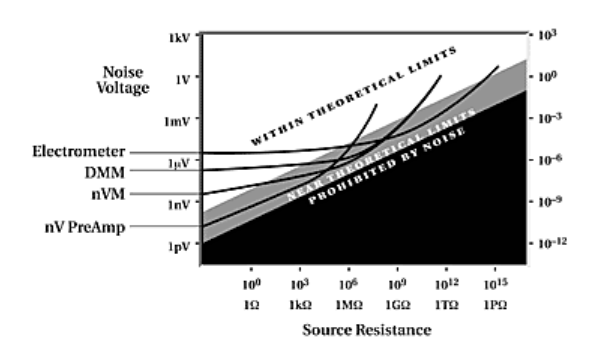
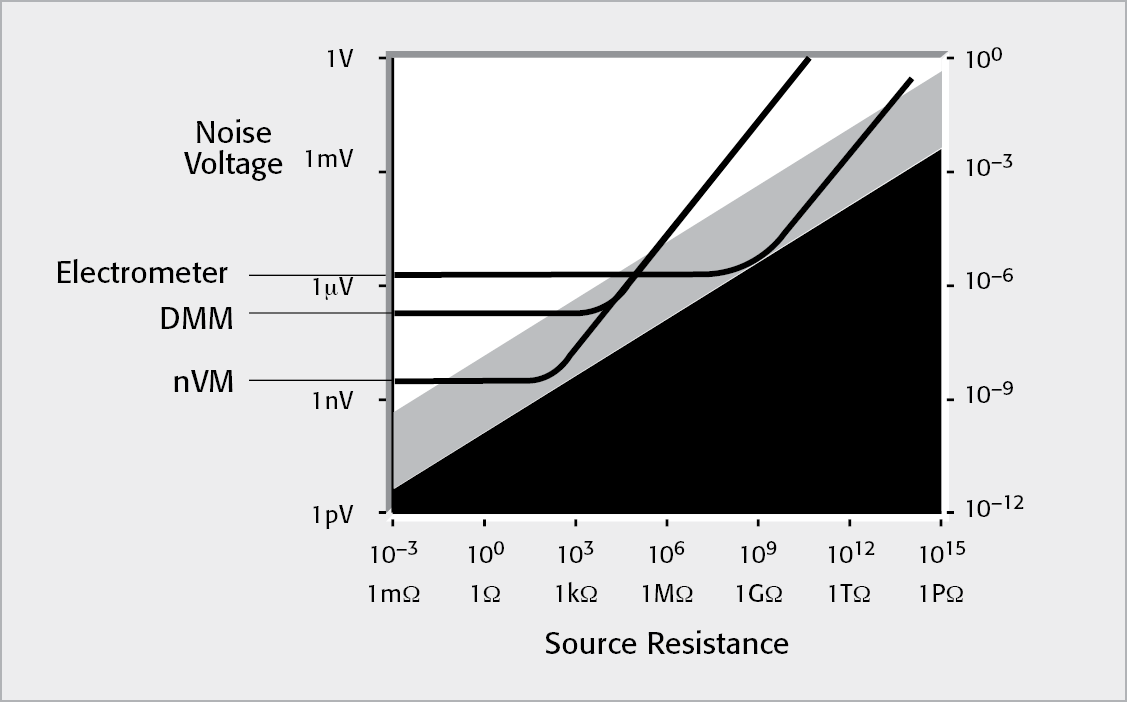
Multimeters measure voltage and current across a wide range. They handle common voltages in household and industrial circuits. Electrometers measure very low currents and extremely high voltages. They excel at detecting tiny electrical signals invisible to multimeters.
Resistance And Capacitance
Multimeters measure resistance and capacitance with good accuracy. This suits most electrical and electronic troubleshooting needs. Electrometers can measure resistance but focus on very high resistance values. They also detect small capacitances in sensitive applications.
Charge And Potential Detection
Electrometers are designed to measure electrical charge precisely. They detect small charges on insulating materials. Multimeters cannot measure charge directly. Electrometers also measure electric potential with very high sensitivity, useful in research and labs.
Accuracy And Sensitivity
Accuracy and sensitivity are key factors in choosing between an electrometer and a multimeter. These features affect how well each tool measures electrical signals. Understanding their differences helps pick the right device for your needs.
Precision Levels
Electrometers offer very high precision. They measure tiny electrical charges and voltages with exactness. Multimeters have good precision but are less accurate than electrometers. This makes electrometers better for delicate experiments and detailed analysis.
Sensitivity To Small Signals
Electrometers can detect very small electrical signals. They work well with low current and high resistance. Multimeters cannot sense these tiny signals as clearly. This limits their use in sensitive electronic measurements.
Impact On Measurement Results
Using an electrometer gives more reliable results for small signals. It reduces errors caused by weak electrical currents. Multimeters provide faster readings but may miss subtle changes. Choosing the right tool ensures correct data for your project.
Design And Portability
Design and portability matter a lot when choosing between an electrometer and a multimeter. These tools serve different purposes, so their design reflects that. Understanding their size, interface, and power needs helps pick the right tool for your tasks.
Physical Size And Weight
Electrometers are usually larger and heavier. They need extra space for sensitive parts that measure tiny electrical charges. Multimeters are smaller and lighter. This makes them easy to carry around on jobs or in a toolbox.
User Interface
Multimeters have simple displays with clear numbers and symbols. Buttons and dials let users change settings quickly. Electrometers have more complex screens. They show detailed readings and often need careful controls. This suits lab work more than quick checks.
Power Requirements
Multimeters mostly run on standard batteries. They last long and are easy to replace. Electrometers require stable power sources to avoid errors. They may use special batteries or need to plug into an outlet. This limits their use in the field.
Credit: www.tek.com
Applications And Industries
Electrometers and multimeters serve different roles across various fields. Each device suits specific tasks based on its features and sensitivity. Knowing their applications helps choose the right tool for the job.
Scientific Research
Electrometers measure very small electrical charges with high accuracy. Scientists use them to study material properties and electrical phenomena. Their precision makes them vital in physics and chemistry labs.
Multimeters help researchers check voltage, current, and resistance quickly. They support experiments needing routine electrical measurements. Their versatility fits many testing situations in science.
Electrical Troubleshooting
Electricians rely on multimeters for diagnosing circuit problems. The tool detects faulty wires, blown fuses, and voltage drops easily. It speeds up repairs and ensures safety in electrical systems.
Electrometers assist in cases needing ultra-sensitive measurements. They detect tiny leakages or insulation faults invisible to multimeters. This precision helps in specialized electrical troubleshooting.
Industrial Use Cases
Multimeters serve maintenance teams in factories for daily equipment checks. They monitor machines to prevent breakdowns and improve efficiency. Their rugged design suits tough industrial environments.
Electrometers find use in industries like semiconductors and pharmaceuticals. They measure low-level charges during product development and quality control. Their accuracy supports high-tech manufacturing processes.
Cost And Maintenance
Cost and maintenance are important factors when choosing between an electrometer and a multimeter. Both tools have different price points and upkeep needs. Understanding these differences helps you decide which tool fits your budget and long-term use.
Price Range Comparison
Electrometers usually cost more than multimeters. They have sensitive parts that require advanced technology. Multimeters are more affordable and widely available. You can find basic models for a low price. Electrometers often target specialized users and labs. This reflects in their higher price tags.
Calibration Needs
Electrometers need regular calibration for accurate readings. Calibration ensures measurements stay precise over time. Multimeters also need calibration, but less often. Basic multimeters can remain accurate for longer without it. Calibration for electrometers can be costly and needs expert handling. Skipping calibration can lead to wrong data, especially for electrometers.
Durability And Repairs
Multimeters are generally more durable. They can handle drops and rough use better. Electrometers have delicate internal parts. They require careful handling and controlled environments. Repairs for electrometers are often expensive and take longer. Multimeters are easier and cheaper to fix. This makes multimeters better for everyday use in tough conditions.
Credit: www.tek.com
Choosing The Right Tool
Choosing the right tool for electrical measurements is important. It affects the accuracy and ease of your work. Electrometers and multimeters serve different purposes. Picking the correct one saves time and prevents errors. Understanding their strengths helps you decide.
Factors To Consider
First, think about what you need to measure. Electrometers measure very low currents and charges. Multimeters measure voltage, current, and resistance at higher levels. Consider the precision required. Also, check the environment where you work. Some tools work better in labs, others in the field.
Matching Tool To Task
Use an electrometer for sensitive and low-level electrical signals. Multimeters suit general electrical tasks like checking batteries or wiring. Each tool has limits. Choose the one that fits the specific job. This avoids damage to the tool or wrong results.
Future-proofing Your Choice
Think about future projects. Will you need more precise measurements later? Investing in a versatile tool can save money over time. Choose one with features that grow with your needs. This keeps your work efficient and accurate for years.

Credit: www.axiomtest.com
Frequently Asked Questions
What Is The Main Difference Between Electrometer And Multimeter?
An electrometer measures very low electric charges or voltages with high sensitivity. A multimeter measures voltage, current, and resistance in general electrical circuits. Electrometers are more precise for tiny signals, while multimeters are versatile for everyday electrical testing.
When Should I Use An Electrometer Over A Multimeter?
Use an electrometer when measuring extremely low currents or voltages, often in scientific research. Multimeters are suitable for general electrical troubleshooting and measurements. Electrometers provide higher sensitivity and accuracy for delicate electronic components.
Can A Multimeter Measure The Same Signals As An Electrometer?
No, multimeters cannot accurately measure ultra-low currents or charges like electrometers. Multimeters have limited sensitivity and higher noise levels. Electrometers are designed for precise measurement of very small electrical signals.
Are Electrometers More Expensive Than Multimeters?
Yes, electrometers are typically more expensive due to their specialized high-precision components. Multimeters are affordable and widely used by hobbyists and professionals. Electrometers are investment tools mainly for research and specialized applications.
Conclusion
Choosing between an electrometer and a multimeter depends on your needs. Electrometers measure very small electrical charges with high precision. Multimeters check voltage, current, and resistance in everyday devices. Both tools serve important roles in electronics and science. Know what you want to measure first.
Then pick the right instrument for clear, accurate results. Understanding their differences helps you work smarter and safer. Simple tools, big impact.