Choosing the right multimeter can make a big difference in your work. When it comes to Fluke vs Milwaukee multimeters, you might wonder which one fits your needs better.
Are you looking for accuracy, durability, or ease of use? This guide will help you understand the key differences and benefits of each brand. By the end, you’ll feel confident picking the perfect tool for your projects. Keep reading to find out which multimeter will give you the best value and performance.
Brand Reputation
Brand reputation plays a key role when choosing a multimeter. It shows how much users trust a company. A strong brand means quality and reliability. Both Fluke and Milwaukee are well-known. Each has earned respect in different ways.
Fluke’s Industry Standing
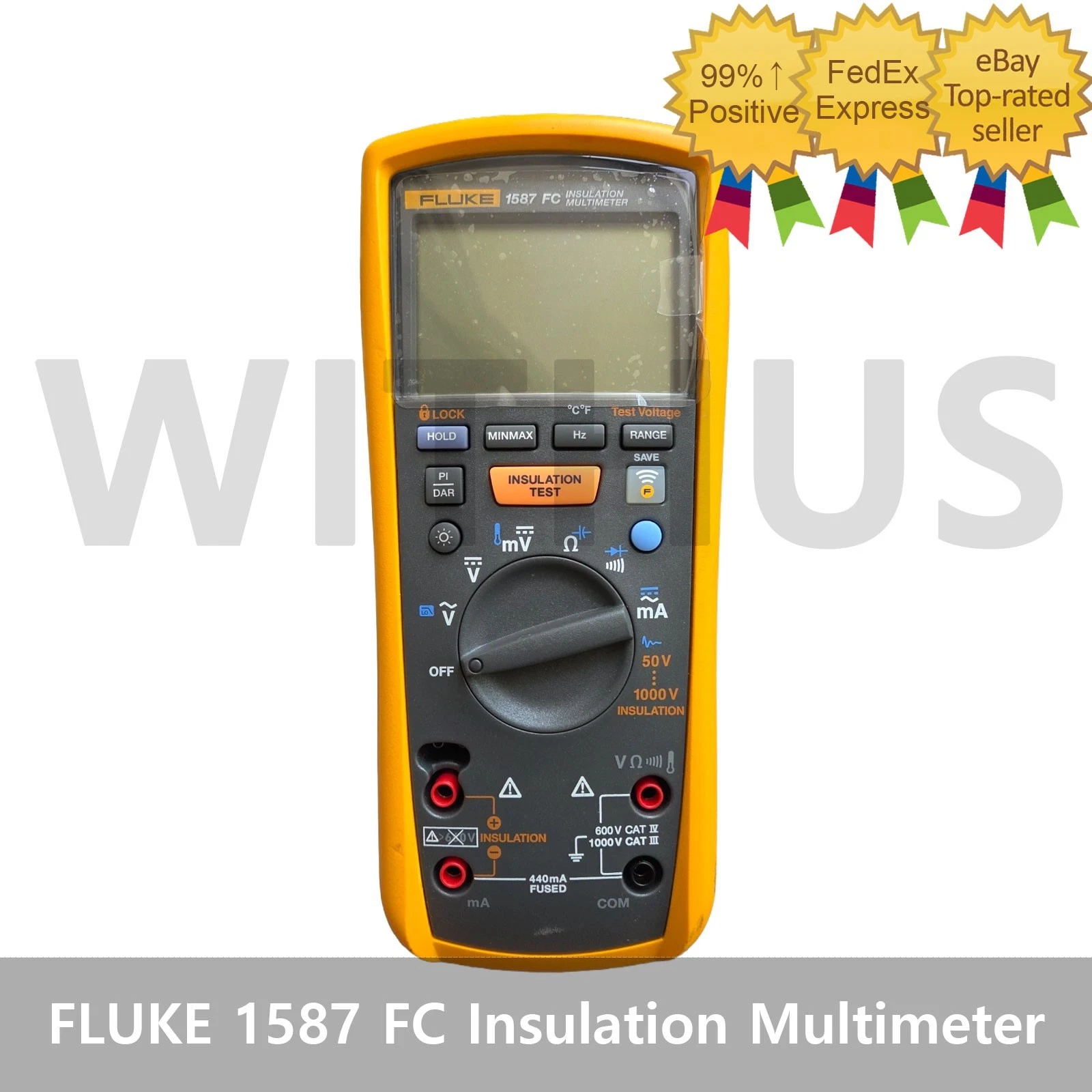
Fluke is a top name in test tools. Professionals use Fluke for accurate readings. The brand has built trust over decades. Many technicians rely on Fluke every day. Known for durability and precision, Fluke leads in industrial fields. Its tools often last longer under tough conditions.
Milwaukee’s Market Presence
Milwaukee is famous for power tools and accessories. Its multimeters fit well with other Milwaukee products. The brand focuses on innovation and ease of use. Many tradespeople choose Milwaukee for everyday tasks. It offers good value and solid performance. Milwaukee’s reputation grows fast in construction and home use markets.
Credit: www.ebay.com
Design And Build Quality
The design and build quality of a multimeter affect its ease of use and lifespan. Both Fluke and Milwaukee are known for strong, reliable tools. Their multimeters show clear attention to detail in design. Every part is made to handle tough conditions.
Ergonomics And Durability
Fluke multimeters have a sturdy, compact body. Their shape fits well in the hand. This reduces fatigue during long use. The rubber overmold protects against drops and shocks. It also helps keep a good grip.
Milwaukee’s design focuses on durability too. Their multimeters use tough, impact-resistant materials. The body feels solid and well-built. The grip is comfortable even with gloves on. Both brands offer devices that can survive rough job sites.
Display And Interface
Fluke multimeters feature large, clear displays. The numbers and symbols are easy to read. Some models have backlit screens for dark spaces. Buttons are well spaced and simple to use.
Milwaukee also provides bright, easy-to-read screens. Their displays often include extra info like bar graphs. The interface is intuitive, with clearly marked buttons. This helps users quickly take measurements without confusion.
Measurement Features
Measurement features play a key role in choosing a multimeter. They determine how well the tool reads electrical values. Both Fluke and Milwaukee offer strong options, but they differ in some ways. Understanding these features helps pick the best fit.
Accuracy And Precision
Accuracy shows how close a reading is to the true value. Precision means how consistent the readings are. Fluke multimeters usually provide high accuracy and strong precision. They suit tasks needing detailed and exact measurements. Milwaukee multimeters also offer good accuracy. They focus more on durability and ease of use. Both brands deliver reliable results, but Fluke is often seen as more precise.
Range Of Functions
Fluke multimeters come with many functions. They measure voltage, current, resistance, capacitance, and frequency. Some models also test temperature and continuity. Milwaukee multimeters cover essential functions like voltage and current. Some advanced models include extra features like diode testing. Fluke tends to offer a wider range of functions. Milwaukee focuses on core functions with user-friendly operation. Choose based on the types of measurements needed.

Credit: www.ebay.com
Safety And Compliance
Safety and compliance are vital when choosing a multimeter. Both Fluke and Milwaukee focus on protecting users from electrical hazards. Understanding their safety features helps make a smart choice.
Safety Ratings
Fluke multimeters have high safety ratings that meet international standards. They often carry CAT III and CAT IV ratings, meaning they can handle high energy circuits safely. Milwaukee multimeters also meet important safety ratings but usually focus on CAT III levels. These ratings ensure the tool can withstand voltage spikes and surges during use. Choosing a multimeter with proper safety ratings reduces the risk of accidents.
Protective Features
Fluke models include features like overload protection and fused inputs. These prevent damage to the meter and injury to the user if current exceeds safe limits. Milwaukee multimeters offer similar protective features, such as rugged casing and input protection. Both brands design their meters to be durable and safe in tough environments. Protective features give users confidence in measuring live circuits safely.
Battery Life And Power Options
Battery life and power options play a big role in choosing a multimeter. A tool that lasts longer means less worry about charging or replacing batteries. Power options also affect how easy the multimeter is to use in different places.
Fluke and Milwaukee multimeters offer different battery types and energy-saving features. Knowing these details helps pick the right one for your needs.
Battery Types
Fluke multimeters mostly use standard AAA or AA batteries. Some models have rechargeable lithium-ion batteries. These batteries last long and are easy to replace.
Milwaukee multimeters usually use rechargeable lithium-ion batteries. These provide steady power and can charge quickly. The batteries fit well with other Milwaukee tools, which is convenient.
Both brands offer good battery options, but Milwaukee leans more on rechargeables. Fluke offers more choices between disposable and rechargeable.
Energy Efficiency
Fluke multimeters have features that save battery power. Auto shut-off turns the meter off after a period of no use. This helps extend battery life.
Milwaukee also uses auto shut-off and low power consumption designs. Their meters often have bright screens that adjust to save energy.
Both brands focus on keeping power use low. This means longer use times and fewer interruptions during work.
Price And Value
Price and value are key factors when choosing between Fluke and Milwaukee multimeters. Both brands offer quality tools, but their prices and what you get for the money differ. Knowing these differences helps pick the right tool for your needs and budget.
Cost Comparison
Fluke multimeters usually cost more than Milwaukee models. The price reflects advanced features and high accuracy. Milwaukee offers more budget-friendly options. These models have good basic functions for everyday tasks. Choosing depends on how precise and durable you need the meter to be.
Warranty And Support
Fluke provides a strong warranty and excellent customer support. Their service covers repairs and replacements for many years. Milwaukee also offers warranties but for shorter periods. Their customer service is reliable but not as extensive as Fluke’s. Warranty length and service quality add value beyond the initial price.
User Experience
User experience plays a key role in choosing a multimeter. It covers how easy the device is to use and what customers say about it. A good user experience means you can work faster and with less stress. Both Fluke and Milwaukee offer strong options, but their designs and feedback differ.
Ease Of Use
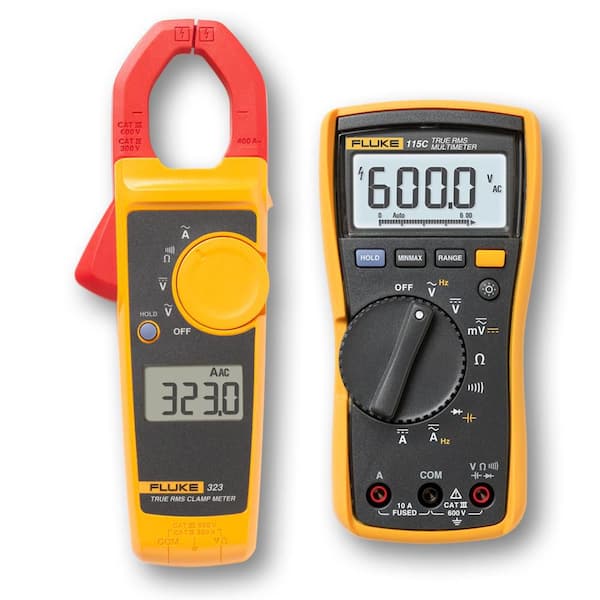
Fluke multimeters are known for clear displays and simple controls. Buttons are well spaced, making it easy to change settings. The screen shows large numbers for quick reading. Some models have backlight for dark places. Milwaukee multimeters focus on rugged design and grip. They often include extra features like auto-ranging. Their screens are bright but sometimes smaller than Fluke’s. Both brands offer intuitive layouts, but Fluke shines in clarity and simplicity.
Customer Feedback
Users praise Fluke for reliability and accuracy in tough jobs. Many say it lasts long and handles daily use well. Some mention Fluke is a bit pricey but worth the cost. Milwaukee gets good marks for durability and value. Customers like its strong build and comfortable grip. A few users find Milwaukee’s menus harder to navigate. Both brands have loyal followers who trust their products. Feedback shows Fluke suits professionals needing precision. Milwaukee fits those who want rugged, affordable tools.
Credit: www.homedepot.com
Best Use Cases
Choosing the right multimeter depends on how you plan to use it. Both Fluke and Milwaukee offer quality tools, but their strengths suit different needs. Understanding the best use cases helps pick the right one for you.
Professional Applications
Fluke multimeters excel in professional settings. They provide high accuracy and reliability. Electricians trust Fluke for complex electrical diagnostics. Industrial environments benefit from Fluke’s rugged design. These meters handle harsh conditions and heavy use. Fluke also offers advanced features like true RMS and temperature measurement. Professionals need precise and durable tools. Fluke meets these demands with ease.
Diy And Hobbyist Suitability
Milwaukee multimeters fit well with DIYers and hobbyists. They offer good accuracy and user-friendly interfaces. These meters are often more affordable and lightweight. Milwaukee tools are easy to carry and store. They work well for home repairs and small projects. Hobbyists appreciate simple functions and clear displays. Milwaukee provides reliable performance without extra complexity. Perfect for those who test circuits occasionally.
Frequently Asked Questions
What Are The Key Differences Between Fluke And Milwaukee Multimeters?
Fluke multimeters are known for high precision and durability. Milwaukee multimeters offer innovative features and affordability. Fluke suits professional use, while Milwaukee targets DIY and tradespeople. Both brands provide reliable measurements, but Fluke leads in accuracy and ruggedness.
Which Multimeter Brand Is Better For Industrial Use?
Fluke multimeters are preferred for industrial environments due to their robust build and accuracy. They withstand harsh conditions and offer advanced safety features. Milwaukee multimeters are good for light to medium tasks but may lack some industrial-grade certifications.
How Does The Price Of Fluke Compare To Milwaukee Multimeters?
Fluke multimeters are generally more expensive, reflecting their precision and durability. Milwaukee offers more budget-friendly options with decent performance. Choosing depends on your specific needs and budget, balancing cost with feature requirements.
Are Fluke And Milwaukee Multimeters Easy To Use For Beginners?
Milwaukee multimeters often have user-friendly interfaces ideal for beginners. Fluke devices are slightly more complex but offer detailed readings for advanced users. Both brands provide clear displays and manuals, making them accessible with some practice.
Conclusion
Choosing between Fluke and Milwaukee multimeters depends on your needs. Fluke offers strong accuracy and durability. Milwaukee is known for affordability and user-friendly features. Both brands deliver reliable results for everyday tasks. Think about your budget and what features matter most.
Either way, you will get a tool that helps measure electrical values well. Trust your judgment to pick the one that fits your work style best. Quality tools make any job easier and safer.