SMD DD1 vs Oscilloscope: Understanding the Differences and Choosing the Right Tool
If you work with electronics, circuit boards, or troubleshooting devices, you have likely heard about SMD DD1 testers and oscilloscopes. Both tools are essential for professionals and hobbyists, but they serve different purposes. Choosing the right one can save you time, reduce errors, and improve your results. In this article, you will learn what each device does, how they compare, and which one fits your needs best.
What Is An Smd Dd1 Tester?
An SMD DD1 is a small, handheld tool that tests surface-mount devices (SMDs) on circuit boards. These testers help you identify faulty components without removing them from the board. They are popular among repair technicians and engineers because they are quick and easy to use.
SMD DD1 testers measure parameters like resistance, continuity, and sometimes diode function. Most models have two sharp probes that touch the tiny SMD pads. The tester then gives a reading or beeps if the component is good or bad.
Features Of Smd Dd1 Testers
- Compact size
- Lightweight design
- Simple operation
- Fast testing for SMD parts
- Battery-powered
Some advanced models can test capacitors and transistors. However, the main function is checking passive components like resistors and diodes.
Who Uses Smd Dd1 Testers?
- Electronics repair technicians
- PCB assembly workers
- Quality control inspectors
- Hobbyists working with SMD boards
If you need to check many small parts quickly, an SMD DD1 tester can be a lifesaver.
What Is An Oscilloscope?
An oscilloscope is a much more advanced tool. It displays electrical signals on a screen, showing how voltage changes over time. This makes oscilloscopes perfect for analyzing circuits, finding signal problems, and diagnosing faults.
Oscilloscopes can measure:
- Voltage (AC and DC)
- Frequency
- Waveform shape
- Pulse width
- Rise and fall times
Modern oscilloscopes come in digital and analog versions. Digital models are more common today, offering high accuracy and memory for saving signals.
Common Uses Of Oscilloscopes
- Designing and testing electronics
- Troubleshooting circuit boards
- Analyzing audio signals
- Research and development
- Education and training
Oscilloscopes are used in labs, production lines, and repair shops. They are essential for anyone who works with complex circuits.
Key Differences Between Smd Dd1 And Oscilloscope
To help you understand the main differences, here is a clear comparison in a data table:
| Feature | SMD DD1 Tester | Oscilloscope |
|---|---|---|
| Purpose | Testing SMD components | Analyzing electrical signals |
| Operation | Simple, handheld | Complex, bench-top or portable |
| Display | Small LCD or LED | Large screen with waveforms |
| Accuracy | Basic (pass/fail) | High (detailed measurement) |
| Price | Low ($20-$100) | Medium to high ($200-$5,000+) |
| Skills Needed | Beginner | Intermediate to expert |
| Portability | Very portable | Some portable, most bench-top |
| Testing Speed | Very fast | Varies (depends on signal) |
This table shows why SMD DD1 testers are perfect for quick checks, while oscilloscopes are best for deep analysis.
How Smd Dd1 Testers Work: A Closer Look
SMD DD1 testers operate on simple principles. You place the probes on the SMD component. The tester sends a tiny current through the part and measures the response. If the part is within acceptable limits (for resistance or diode drop), the tester displays a reading or flashes a light.
Some non-obvious insights:
- SMD DD1 testers can sometimes detect soldering errors (cold joints or bridges) because they check continuity at the pads.
- They are not suitable for testing active components like microchips or ICs, so do not rely on them for all diagnostics.
Practical Example
Imagine you have a circuit board with many SMD resistors. You suspect one is faulty but cannot see which. Using an SMD DD1, you touch each resistor quickly. The tester shows resistance values or beeps for open circuits. This helps you find the bad part in seconds.
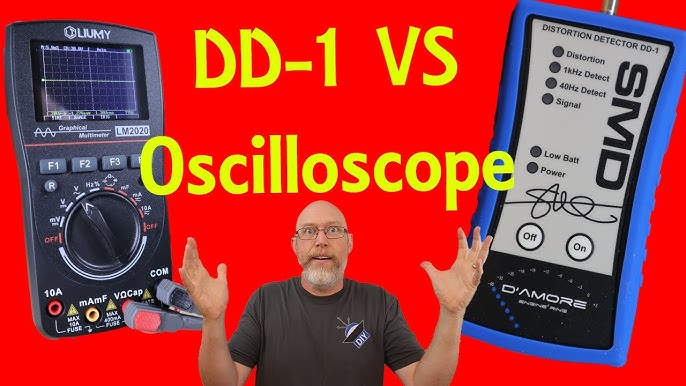
Credit: www.youtube.com
Oscilloscope Operation: Beyond Simple Testing
Oscilloscopes are more complex. They sample the electrical signal at high speed, then show a graph of voltage versus time. This graph is called a waveform. You can see if the signal is noisy, distorted, or missing.
Oscilloscopes let you:
- Compare signals from different points
- Measure signal timing
- Spot glitches or spikes
- Analyze digital communication lines
Practical Example
Suppose you are designing a power supply circuit. It works, but the output voltage sometimes fluctuates. With an oscilloscope, you connect probes to the output and see the waveform. You notice a spike every few milliseconds. This tells you there is a problem, such as poor filtering or interference.
Data Table: Oscilloscope Functions
| Function | Typical Use | Benefit |
|---|---|---|
| Voltage Measurement | Check signal levels | Ensures correct operation |
| Frequency Analysis | Analyze waveforms | Detect timing errors |
| Pulse Width | Digital circuits | Detect communication faults |
| Noise Detection | Audio, RF circuits | Find unwanted signals |
When Should You Use Smd Dd1 Or Oscilloscope?
The choice depends on your task.
Smd Dd1 Is Best For:
- Quick checks of SMD passive components
- Finding faulty resistors, capacitors, or diodes
- Working with crowded boards
- Beginners or fast diagnostics
Oscilloscope Is Best For:
- Analyzing complex circuits
- Troubleshooting signal issues
- Designing and testing electronics
- Research and education
If you only need to check if a resistor is good, use the SMD DD1. If you need to see how a signal changes over time, use an oscilloscope.
Pros And Cons
Here is a summary of the advantages and disadvantages in a comparison table:
| Device | Pros | Cons |
|---|---|---|
| SMD DD1 | – Fast – Simple – Portable – Cheap |
– Limited function – Not for complex analysis – Cannot test ICs |
| Oscilloscope | – Powerful – Detailed – Flexible – Suitable for many tasks |
– Expensive – Requires skill – Less portable (bench-top models) |
Buying Tips And Common Mistakes
When choosing between SMD DD1 and oscilloscope, consider these points:
- Do not buy an oscilloscope if you only need basic component testing. You will spend more money and time than necessary.
- Check SMD DD1 compatibility with the smallest SMD sizes. Some models struggle with ultra-miniature parts.
- Oscilloscopes require practice. Beginners can make mistakes by misinterpreting waveforms. Take time to learn the basics before using for critical testing.
- Avoid cheap oscilloscopes with unclear displays. Poor resolution can hide signal details.
- For SMD DD1, battery life matters. Choose a model with easy-to-replace batteries.

Credit: www.reddit.com
Real-life Scenarios
- Repair Shop: A technician needs to check hundreds of SMD resistors on a broken phone board. SMD DD1 saves hours compared to a multimeter.
- Lab Testing: An engineer is debugging a digital circuit. An oscilloscope reveals timing errors in the clock signal that SMD DD1 cannot detect.
- Quality Control: Inspectors use SMD DD1 for quick checks during production. For deeper analysis, they use oscilloscopes to monitor signal quality.
Smd Dd1 Vs Oscilloscope: Which Should You Buy?
If you are a beginner or only work with simple repairs, start with an SMD DD1 tester. It is cheap, fast, and easy to use. If you move into more complex work, invest in a good oscilloscope. The two tools complement each other, so advanced technicians often own both.
Some experienced users even carry a portable oscilloscope for fieldwork, but most day-to-day SMD testing is done with the DD1.
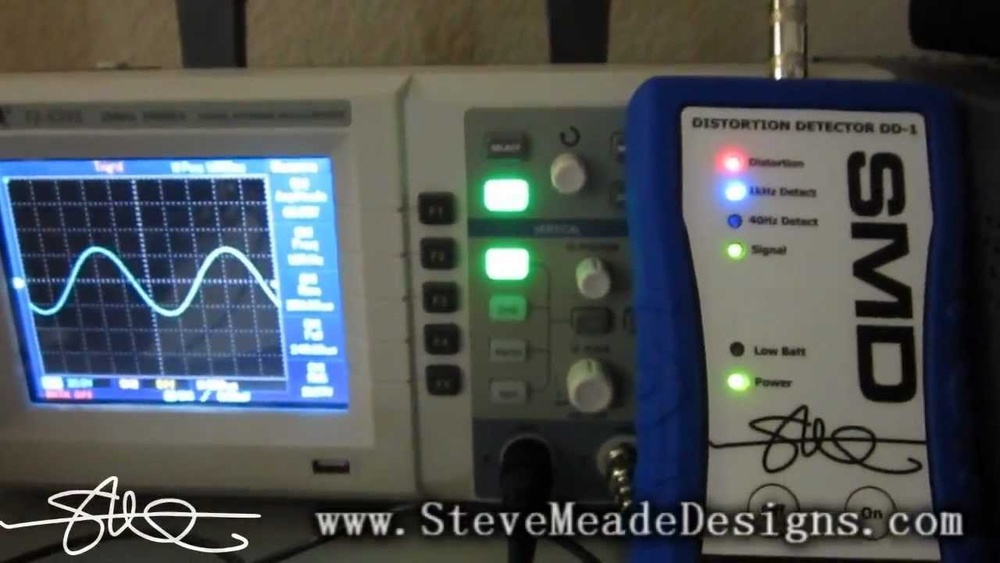
Credit: electrozlab.com
Frequently Asked Questions
What Can An Smd Dd1 Tester Measure?
An SMD DD1 tester measures resistance, continuity, and sometimes diode function. It is designed for quick checks of SMD passive components but cannot test ICs or advanced devices.
Is An Oscilloscope Worth Buying For Beginners?
For basic repairs, an oscilloscope may be too advanced and costly. Start with simple testers like SMD DD1. If you plan to design circuits or troubleshoot complex problems, learning to use an oscilloscope is very valuable.
Can I Use An Smd Dd1 To Test Regular (through-hole) Components?
Yes, most SMD DD1 testers can check larger components, but the probes are optimized for SMD pads. For through-hole parts, a regular multimeter may be easier to use.
Do Oscilloscopes Work For Audio And Rf Signals?
Absolutely. Oscilloscopes are used to analyze audio, radio frequency (RF), and all types of electrical signals. High-end models can handle signals up to several GHz.
Where Can I Find More Information On Smd Testers And Oscilloscopes?
You can visit Wikipedia for detailed articles and technical explanations.
Final Thoughts
Both SMD DD1 testers and oscilloscopes are important tools in electronics. Each has a clear role: SMD DD1 is best for quick, simple component checks; oscilloscopes are essential for signal analysis and advanced troubleshooting. Understanding the strengths and limits of each device will help you work smarter, avoid mistakes, and choose the right tool for every job. Whether you are a beginner or an expert, investing in the proper test equipment is key to success in electronics.