When you need reliable hand tools for electrical or construction work, two names often come up: Ideal and Klein Tools. Both brands are respected, but each has a different story, focus, and product strength. If you’re an electrician, technician, or DIY hobbyist, you may wonder which brand is best for your needs. Choosing the right tools can affect your work quality, safety, and even long-term costs. But many people only look at price or popularity, missing key details that matter in real use.
Let’s dive deep into both brands—exploring their history, main product lines, design differences, pricing, and what real users say. You’ll also learn about hidden factors beginners often miss, and get clear advice for choosing the right tools for your situation.
The Story Behind The Brands
Ideal Industries started in 1916 in Sycamore, Illinois. The founder, J. Walter Becker, wanted to produce products that made electricians’ jobs safer and easier. Over the years, Ideal has grown into a global company with a focus on electrical tools, wire connectors, testers, and data communications equipment. Their products are often found in commercial and industrial settings, but they also serve residential electricians.
Klein Tools has a longer history, founded in 1857 by Mathias Klein in Chicago. It began with a single pair of pliers and expanded as America grew, especially alongside the telegraph and electrical industries. Today, Klein is still family-owned and produces thousands of hand tools. Their core audience is professional electricians, but their tools are used by tradespeople across many industries.
Both brands are American-born and have strong reputations. But their product focus and design philosophy are not identical.
Core Product Lines: What Each Brand Offers
Ideal and Klein both make hand tools, but their main product lines have unique features.
Ideal Industries: Specialization And Range
Ideal is known for:
- Wire connectors (the famous “Wire-Nut”)
- Electrical testers (voltage, continuity, circuit tracers)
- Fish tapes and pulling tools
- Crimpers and strippers
- Data/telecom tools (punchdown tools, cable testers)
Ideal’s lineup is strongest in test equipment and wire management. Many professional electricians use their testers daily because they’re reliable and easy to use.
Klein Tools: Breadth And Legacy
Klein focuses on:
- Pliers (lineman’s, needle nose, diagonal cutters)
- Screwdrivers and nut drivers
- Multi-tools
- Fish tapes and conduit tools
- Tool bags, pouches, and accessories
Klein’s pliers are especially famous—many electricians consider them the gold standard. Their screwdrivers, wire strippers, and nut drivers are also highly rated for comfort and durability.
Comparing Core Products
Here is a quick side-by-side look at their main products:
| Product Category | Ideal | Klein Tools |
|---|---|---|
| Wire Connectors | Industry Leader | Available, less focus |
| Pliers | Good quality, less variety | Extensive range, top-rated |
| Testers | Very strong, innovative | Reliable, but fewer options |
| Fish Tapes | Durable, user-friendly | Long-lasting, ergonomic |
| Crimpers/Strippers | Precision-focused | Comfort, heavy-duty |
This shows that while both brands cover similar ground, they have different specialties.

Credit: www.youtube.com
Design, Build Quality, And Ergonomics
When you use a hand tool all day, details like grip, balance, and weight matter as much as durability.
Ideal’s Design Approach
Ideal tools often have a modern, functional design. Their grips are usually molded for comfort, and testers are built to be easy to read even in poor lighting. Many of their products are made in the USA, but some items are made overseas to reduce costs.
A unique feature: Ideal often color-codes tools for quick identification. For example, their wire strippers and crimpers have different grip colors for various wire sizes, which helps prevent mistakes.
Klein Tools’ Build And Feel
Klein is famous for its rugged, heavy-duty construction. Many Klein tools are forged rather than stamped, which increases strength. Their handles are often double-dipped for better grip, and the balance is carefully tuned for daily use.
One detail many beginners miss: Klein tools tend to be heavier, which can reduce hand fatigue by using the tool’s weight (not just your muscles) to cut or strip wires.
How They Compare In Hand
Here’s a side-by-side look at comfort and build:
| Feature | Ideal | Klein Tools |
|---|---|---|
| Grip Comfort | Ergonomic, softer | Firm, contoured |
| Tool Weight | Lighter | Heavier, balanced |
| Material | High-grade steel, mixed origin | Forged steel, mostly USA |
| Finish | Matte or color-coded | Polished or black-oxide |
Performance In Real-world Use
Every tool works fine in a showroom, but what about on the job? Here’s where small details make a big difference.
Ideal: Accurate And Reliable
Ideal testers and connectors are known for precision. Their voltage testers give clear, quick readings, and their wire connectors hold tight over time. For jobs where accurate results matter, such as troubleshooting a complex electrical panel, Ideal’s testers are a strong choice.
Many professionals trust Ideal’s fish tapes for long pulls, especially in commercial buildings, due to their smooth feed and durable cases.
Klein Tools: Toughness And Longevity
Klein’s hand tools are often described as “workhorses. ” Their pliers cut through thick cable without flexing, and their screwdrivers keep their tips sharp after years of use. Many users report Klein tools lasting 10+ years with daily use.
One non-obvious insight: Klein’s focus on durability sometimes means their tools take a bit longer to “break in.” For example, new pliers may feel stiff at first but become smoother with use.
Which Performs Best?
If you want accuracy and modern features, Ideal often leads—especially with testers and specialized tools. If you want a tool that will survive tough work for decades, Klein is hard to beat.
Pricing And Value For Money
Cost is a big factor, especially for beginners or those buying many tools at once. But cheapest is not always best.
Ideal Pricing
Ideal’s prices are usually mid-range. Their testers and specialty tools can be more affordable than Klein’s, especially for advanced features. Wire connectors are usually priced competitively since Ideal is a leading supplier.
Klein Tools Pricing
Klein tools are typically slightly higher in price, especially for signature items like pliers or screwdrivers. But this often reflects their long life and made-in-USA quality. Some Klein products, like multi-tools or tool bags, are priced at a premium.
Value Over Time
One mistake beginners make: looking only at upfront price. Spending a bit more on a tool that lasts 10 years can be cheaper than buying a lower-cost tool every 2 years.
Here’s a quick price comparison for common tools (prices in USD, as of 2024):
| Tool Type | Ideal (avg.) | Klein (avg.) |
|---|---|---|
| Lineman’s Pliers | $28 | $37 |
| Wire Stripper | $18 | $22 |
| Voltage Tester | $17 | $23 |
| Fish Tape (50 ft.) | $32 | $38 |
Prices can vary by store and region, but this gives you a general idea.
Warranty And Customer Support
A good warranty can save you money and stress if something goes wrong.
Ideal’s Warranty
Most Ideal tools come with a limited lifetime warranty against defects in materials and workmanship. For electrical testers and electronic tools, the warranty is usually one year. You need to keep your proof of purchase, and some products have faster service than others.
Klein Tools’ Warranty
Klein offers a lifetime warranty on most hand tools (not including abuse or wear). Their customer support is known for being responsive, and many users report hassle-free replacements. For electrical testers, the warranty is usually two years.
One thing many people miss: neither brand covers tools damaged by misuse (like using pliers as a hammer), so using the right tool for the job is important.

Credit: www.amazon.com
Who Uses Each Brand?
Ideal and Klein both have loyal followings, but their user base has some differences.
Ideal Users
- Many commercial electricians
- Data/telecom installers
- Professionals who need accurate testers and connectors
- Some DIYers who want affordable testers
Klein Tools Users
- Professional electricians (especially in the US)
- Construction workers
- Technicians who need durable tools
- People who prefer US-made products
Both brands are used on major job sites and by union workers. However, Klein’s “orange handles” are almost a badge of honor among American electricians.
Real User Reviews And Feedback
What do real users say after years of use? Here are some patterns from online forums, trade magazines, and product reviews:
- Klein’s pliers: Many electricians say they’ve used the same pair for 15+ years with only minor wear.
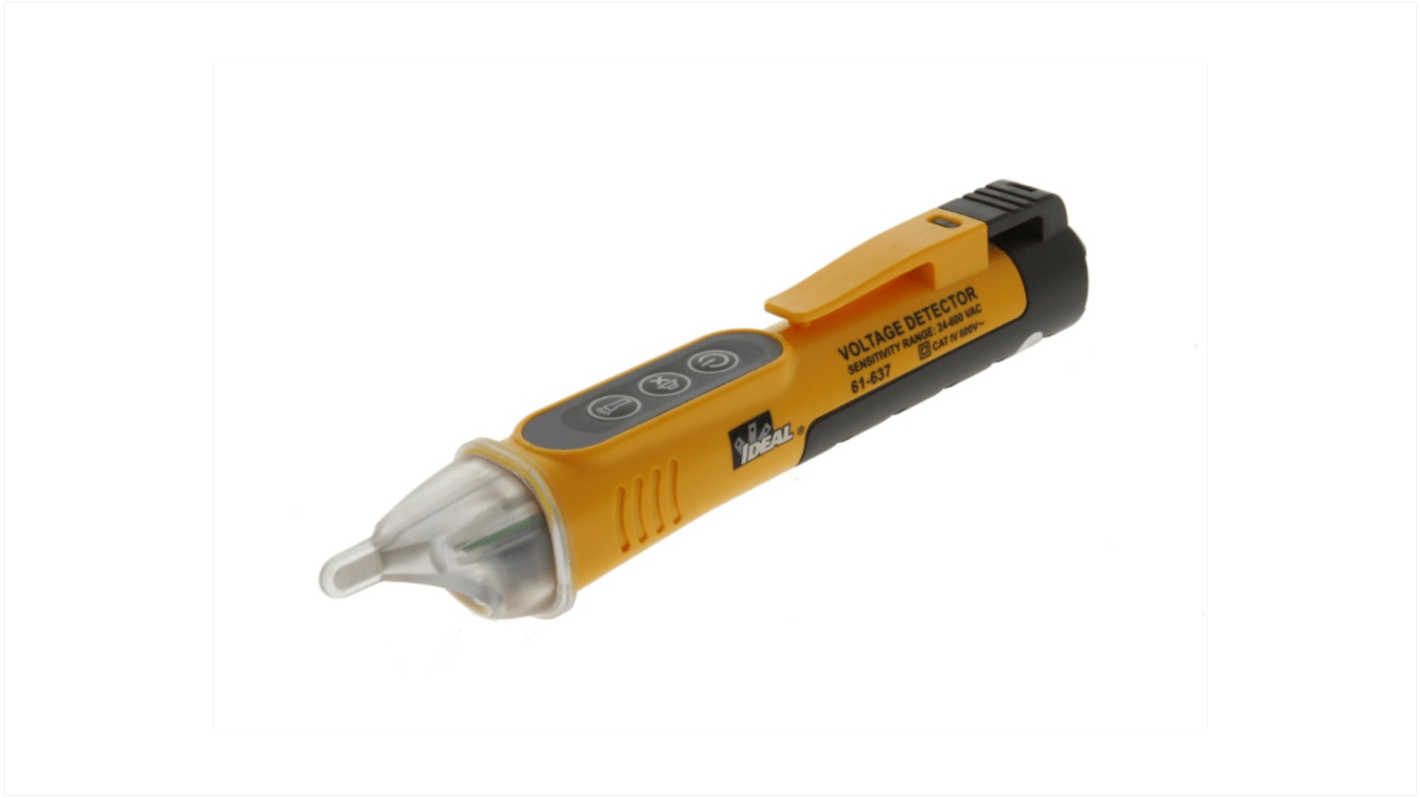
- Ideal’s testers: Praised for fast, clear readings and smart features like auto-off, but some users wish the cases were tougher.
- Ideal wire connectors: Often chosen for speed and reliability, especially in commercial panels.
- Klein screwdrivers: Loved for grip and tip strength, but some users find them slightly heavy for small hands.
- Fish tapes: Both brands receive high marks, but some users prefer Ideal for smoother payout, and Klein for ruggedness.
One hidden insight: Some professionals use both brands together—Ideal for testers and connectors, Klein for pliers and screwdrivers. There’s no rule saying you have to pick only one.
Credit: za.rs-online.com
Hidden Factors Beginners Overlook
When choosing tools, beginners often focus on price or brand name. But two non-obvious details can make a big difference:
- Tool Replacement Cost: Some Klein tools have higher resale value. If you upgrade later, you may get money back by selling used Klein tools.
- Tool Compatibility: Ideal’s wire connectors are sometimes designed for specific wire sizes or types, so always check compatibility for your region or project.
Also, some tool pouches and bags are designed to fit Klein’s longer pliers or Ideal’s wider testers. Using mismatched pouches can cause frustration.
How To Choose: Key Questions To Ask Yourself
If you’re still unsure, ask yourself these questions:
- What is your main use? (Heavy-duty work = Klein. Testing and data work = Ideal.)
- Do you prefer lighter or heavier tools?
- Is “Made in USA” important to you?
- How often will you use the tool? (Daily = invest in durability.)
- Do you want color-coded or standard handles?
Trying out tools in-store can help. Pay attention to how the tool feels in your hand, and check for features like grip comfort and visibility.
Latest Innovations And Trends
Both brands continue to innovate. In recent years:
- Ideal has added smart testers with Bluetooth connectivity, allowing electricians to log and share results via smartphone apps.
- Klein Tools has launched insulated hand tools rated for up to 1000 volts, plus Wi-Fi-enabled inspection cameras for tight spaces.
These upgrades are useful if you’re working with modern building systems or need to document work digitally.
For more background on the history of hand tools, you can visit Wikipedia’s hand tool article.
Summary: Which Brand Should You Choose?
There’s no single winner—both Ideal and Klein Tools are top brands for electrical and construction work. Here’s a quick guide:
- Choose Ideal if: You want accurate testers, affordable connectors, or work often with data/telecom systems.
- Choose Klein if: You need ultra-durable pliers, screwdrivers, or want US-made tools that last decades.
- Mix and match: Many professionals use both brands, picking the best tool for each task.
Remember, the right tool is the one that fits your hand, your job, and your budget. Invest in quality once, and you’ll save time and money in the long run.
Frequently Asked Questions
What Is The Main Difference Between Ideal And Klein Tools?
The main difference is product focus. Ideal specializes in electrical testers and wire connectors, while Klein is famous for tough, long-lasting hand tools like pliers and screwdrivers. Both are high-quality, but Klein is usually preferred for hand tools and Ideal for testers.
Are Klein Tools Really Made In The Usa?
Most Klein hand tools are made in the USA, especially their pliers and screwdrivers. Some items, like tool bags or specialty electronics, may be made overseas. Always check the product label if US origin is important to you.
Which Brand Is Better For Beginners?
Both brands offer beginner-friendly tools, but Ideal’s testers and wire strippers are often easier for new electricians to use. Klein’s tools are heavier and built for long-term use, which some beginners may find less comfortable at first.
Do Both Brands Offer Good Warranties?
Yes, both Ideal and Klein Tools have lifetime warranties on most hand tools (except for wear or misuse). Testers and electronic tools usually have shorter warranties—one year for Ideal, two years for Klein.
Can I Use Both Brands Together?
Absolutely. Many professionals use Ideal testers and connectors alongside Klein pliers and screwdrivers. It’s common to mix brands to get the best tool for each job.
Choosing between Ideal and Klein Tools isn’t just about picking a brand—it’s about finding the right fit for your work. By understanding their strengths and hidden details, you’ll make better decisions and work smarter every day.