Are you confused about whether to use a bonding meter or a multimeter for your electrical projects? You’re not alone.
Choosing the right tool can make a big difference in how accurate and safe your work turns out. This guide will help you understand the key differences between these two devices, so you can pick the one that fits your needs perfectly.
Keep reading, and you’ll gain the confidence to handle your electrical tasks like a pro.
Purpose Of Bonding Meter
The purpose of a bonding meter is to check electrical connections in buildings and equipment. It helps ensure that all metal parts are properly connected to prevent electric shocks. This tool is essential for safety in homes, offices, and industrial places.
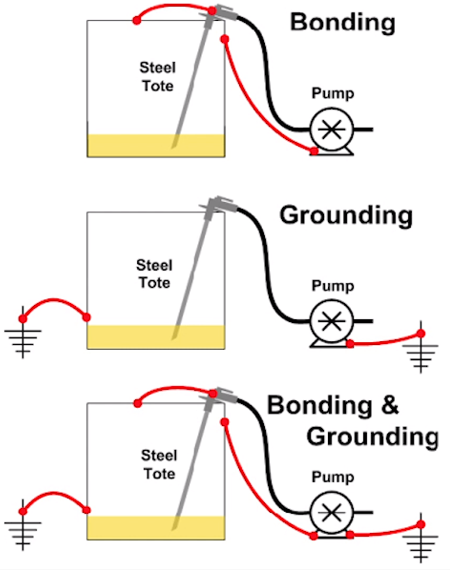
Bonding meters test the continuity and resistance of bonding wires. They confirm that metal parts are linked together to create a safe path for electricity. This prevents dangerous electrical faults and reduces the risk of accidents.
Measuring Electrical Bonding
Bonding meters measure the resistance between metal parts and grounding systems. Low resistance means good bonding, which allows electricity to flow safely. High resistance shows poor bonding, which can cause electric shocks or fires.
Technicians use bonding meters to check pipes, electrical panels, and metal frames. These checks ensure the electrical system works as intended. Accurate measurements help fix problems before they become dangerous.
Ensuring Safety Compliance
Bonding meters help meet safety rules and standards for electrical systems. They provide proof that bonding connections are safe and reliable. Inspectors often require bonding meter tests during safety checks.
Using a bonding meter prevents accidents and protects people from electric hazards. It supports the safe operation of electrical installations. Regular testing keeps buildings and workplaces safe for everyone.

Credit: instruments.uni-trend.com
Purpose Of Multimeter
A multimeter is a tool for testing electrical circuits. It helps check if electrical parts work right. Technicians and hobbyists use it to find problems quickly. This tool gives fast and clear results. It measures voltage, current, and resistance. Each measurement tells something important about a circuit. Understanding these values helps fix and build electrical devices safely.
Measuring Voltage, Current, And Resistance
A multimeter measures three main things: voltage, current, and resistance. Voltage shows how much power flows in a circuit. Current shows how strong the flow of electricity is. Resistance tells how hard it is for electricity to pass through. Measuring these helps find breaks or shorts in wires. It also checks if devices get the right power. This makes sure everything works as it should.
Versatility In Electrical Testing
The multimeter works on many electrical tasks. It tests batteries to see if they hold power. It checks wires and switches for faults. It finds problems in appliances or cars. The tool suits both simple and complex jobs. Users can test AC or DC circuits. This flexibility makes it a must-have tool for many jobs. It saves time and helps avoid errors in repairs.
Design And Features
The design and features of bonding meters and multimeters serve distinct purposes. Each tool fits specific tasks in electrical work. Understanding their design helps choose the right meter for the job.
Specialized Sensors In Bonding Meters
Bonding meters use sensors made for detecting grounding and bonding connections. These sensors measure low resistance levels accurately. Their design focuses on safety and precision in electrical systems.
The sensors are often compact and built to resist harsh environments. This design supports use in construction and industrial sites. It ensures reliable readings even in tough conditions.
Multimeter Display And Functions
Multimeters feature digital or analog displays showing voltage, current, and resistance. Their design includes multiple functions in one device. Users can test many electrical parameters quickly.
The display is clear and easy to read. Buttons and knobs allow switching between measurement modes. This user-friendly design suits beginners and professionals alike.
Credit: www.tecotec.com.vn
Applications
Understanding the applications of bonding meters and multimeters helps choose the right tool. Both devices serve different purposes in electrical work. Each has unique roles and settings where they perform best.
Use Cases For Bonding Meters
Bonding meters check the connection between metal parts. They ensure safety by measuring resistance in grounding systems. These meters help prevent electrical shocks and fires. They are common in construction and industrial sites. Inspectors use them to verify equipment grounding. Bonding meters also support maintenance checks on electrical installations.
Common Uses Of Multimeters
Multimeters measure voltage, current, and resistance in circuits. They test batteries, wires, and electronic devices. Electricians use multimeters to find faults quickly. Hobbyists rely on them for small repairs and projects. Multimeters work in homes, workshops, and factories. They help diagnose problems and confirm repairs are done well.
Accuracy And Precision
Accuracy and precision are vital when measuring electrical properties. They ensure reliable results and safety. Both bonding meters and multimeters serve this purpose but differ in how they deliver accuracy and precision. Understanding these differences helps choose the right tool for specific tasks.
Sensitivity Of Bonding Meters
Bonding meters detect very small resistance values. This sensitivity is essential for grounding and bonding tests. They measure in milliohms or even microohms. This allows finding loose connections or corrosion in bonding systems. Their design focuses on low noise and stable readings. This precision ensures safety in electrical installations.
Accuracy Levels In Multimeters
Multimeters offer broader functions and measure voltage, current, and resistance. Their accuracy varies by model and range. Typically, multimeters measure resistance in ohms with less sensitivity than bonding meters. They are accurate enough for general electrical work. High-end multimeters can achieve better precision but still may not match bonding meters for specific low-resistance tests.

Credit: www.fluke.com
Cost And Availability
Cost and availability play a big role when choosing between a bonding meter and a multimeter. Both tools serve different purposes but often appear in the same electrical toolkit. Understanding their price and how easy they are to find helps in making a smart purchase.
Price Range Of Bonding Meters
Bonding meters usually cost more than basic multimeters. Prices start around $150 and can go up to $600. The higher cost comes from their specialized function to test electrical bonding and grounding. Some models include features that make testing faster and more accurate. These meters are less common, so availability may vary by region.
Multimeter Market Options
Multimeters come in a wide price range. Basic models start at $10 and advanced ones go beyond $300. Many brands offer multimeters, making them easy to find online and in stores. Their versatility for measuring voltage, current, and resistance makes them popular. This popularity keeps prices competitive and options plentiful.
Choosing The Right Tool
Choosing the right tool is key for electrical work. Bonding meters and multimeters serve different purposes. Selecting the correct one improves safety and accuracy. This section helps you decide which tool fits your needs best.
Factors To Consider
Think about the job type first. Bonding meters check grounding and bonding connections. Multimeters measure voltage, current, and resistance. Consider the tool’s ease of use. Some tasks need simple readings. Others need detailed measurements. Budget and tool durability matter too. Choose tools that last and fit your budget.
Matching Tools To Tasks
Use a bonding meter for grounding tests. It shows if metal parts are connected safely. Use a multimeter for general electrical checks. It measures power flow and finds faults. Each tool fits specific tasks. Using the right one saves time and prevents errors.
Frequently Asked Questions
What Is The Main Difference Between Bonding Meter And Multimeter?
A bonding meter measures grounding and bonding resistance. A multimeter tests voltage, current, and resistance in circuits. Both serve electrical testing but focus on different parameters.
Can A Multimeter Replace A Bonding Meter?
No, a multimeter cannot replace a bonding meter. Bonding meters specifically test grounding integrity, which multimeters do not accurately measure.
When Should I Use A Bonding Meter Instead Of A Multimeter?
Use a bonding meter to check electrical bonding and grounding resistance. Use a multimeter for general electrical measurements like voltage and current.
Are Bonding Meters Necessary For Electrical Safety Compliance?
Yes, bonding meters ensure proper grounding and bonding, crucial for electrical safety compliance and preventing shock hazards.
Conclusion
Both bonding meters and multimeters serve important electrical tasks. Bonding meters check the safety of electrical connections. Multimeters measure voltage, current, and resistance. Choosing the right tool depends on your specific needs. Using the correct meter ensures accurate results and safety.
Keep these differences in mind for your projects. Understanding each device helps you work smarter and safer. Simple tools, big difference in electrical work.