Kaiweets Vs Fluke: In-depth Comparison Of Multimeter Brands
Choosing the right digital multimeter can be confusing, especially with so many brands in the market. Two names that often come up are Kaiweets and Fluke. While both brands offer a range of tools for electricians, engineers, hobbyists, and homeowners, their products differ in price, performance, and reliability. If you’re deciding between these two, this guide will help you understand the key differences, strengths, and weaknesses, so you can make a confident decision.
Why The Right Multimeter Brand Matters
A multimeter is not just another tool in your box. It’s used to measure voltage, current, resistance, and more—sometimes in high-stakes situations. If your multimeter fails or gives inaccurate readings, the results can be dangerous or expensive. That’s why comparing Kaiweets and Fluke is more than just looking at price tags.
Brand Histories And Reputation
Kaiweets: New But Ambitious
Kaiweets is a newer player in the world of electrical tools. Founded in the late 2010s, it quickly became popular among DIY users and budget-conscious professionals. The brand focuses on offering affordable, feature-rich multimeters that are easy to use. Kaiweets products are widely available online, and the company has built a reputation for modern design, clear displays, and strong customer support. However, since Kaiweets is newer, it does not have the decades-long field record that some competitors do.
Fluke: Decades Of Trust
Fluke has been a leader in test and measurement tools since 1948. The brand is known for rugged, reliable, and highly accurate meters. Fluke’s reputation is built on use in demanding environments—factories, labs, construction sites—where safety and performance matter most. Many professionals call Fluke the “gold standard” for multimeters. Their tools are more expensive, but they’re often seen as a long-term investment.
Product Range And Key Models
Both brands offer digital multimeters, but their lineups are different in approach.
Kaiweets Main Models
Kaiweets focuses on general-purpose multimeters with modern features. Some popular models include:
- Kaiweets KM601 – A full-featured auto-ranging digital multimeter with a large color LCD screen and multiple measurement options.
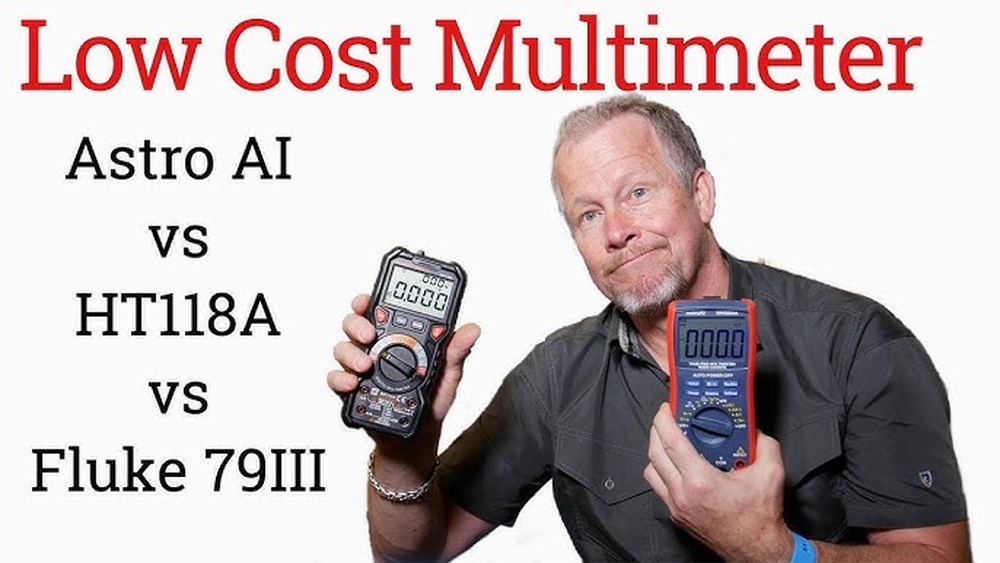
- Kaiweets HT118A – Known for its affordability, backlit display, and non-contact voltage detection.
- Kaiweets HT208D – A clamp meter for measuring higher currents without direct contact.
Kaiweets meters are often bundled with accessories (probes, thermocouples, cases) and are aimed at both beginners and advanced users.
Fluke Main Models
Fluke’s range covers everything from basic to highly specialized meters. Key models include:
- Fluke 117 – A compact, True RMS digital multimeter designed for electricians. It includes non-contact voltage detection and is built for safety.
- Fluke 87V – A classic, highly accurate industrial multimeter with advanced features for troubleshooting.
- Fluke 101 – An entry-level, pocket-sized meter ideal for basic electrical work.
Fluke offers a wider range of specialized meters, including models for HVAC, automotive, and industrial applications.
Features And Functionality
Let’s compare the core features that matter most to users.
| Feature | Kaiweets (e.g., KM601) | Fluke (e.g., 117) |
|---|---|---|
| Display | Large color LCD, backlit | Backlit LCD, monochrome |
| Auto-Ranging | Yes | Yes |
| Non-Contact Voltage | Yes | Yes |
| Data Logging | Some models | Advanced models |
| Temperature Measurement | Yes (with probe) | Some models |
| Max Voltage Range | Up to 1000V | Up to 1000V |
| Battery Life | 200+ hours | 400+ hours |
| Durability | Good for home/DIY | Excellent, industrial grade |
Display And Usability
Kaiweets stands out with large, colorful LCD displays and easy-to-read numbers. This can be a big plus if you often work in low-light areas or need to see results at a glance. Fluke meters usually have smaller, monochrome screens, but their contrast and backlighting are optimized for outdoor and bright environments.
Measurement Accuracy
Fluke’s main advantage is accuracy. Fluke multimeters use higher quality components and have stricter calibration standards. This means their readings are more reliable, especially for sensitive electronics or industrial settings. Kaiweets meters are accurate enough for most home and light professional tasks, but may show small variations compared to Fluke in high-precision scenarios.
Safety And Cat Ratings
Electrical safety is measured by CAT (Category) ratings, which indicate the highest energy level the meter can safely handle.
- Fluke 117: CAT III 600V, CAT II 1000V
- Kaiweets KM601: CAT III 1000V, CAT IV 600V
Both are rated for serious work, but Fluke’s internal build quality and safety testing are more rigorous. Fluke meters are often independently certified, while Kaiweets relies more on manufacturer claims.
Special Features
- Kaiweets meters often include features like live wire detection, flashlight, and temperature measurement as standard.
- Fluke focuses on reliability and adds features like low input impedance (to avoid ghost voltage), True RMS (for accurate AC readings), and better protection circuits.
Credit: electrozlab.com
Build Quality And Durability
Materials And Construction
Fluke meters are famous for their tough, impact-resistant cases. They are designed to survive drops, knocks, and years of use in harsh environments. The buttons, rotary switch, and jacks are made to last and resist wear.
Kaiweets meters are solidly built for their price but use lighter plastics and less rugged components. They’re great for bench work or careful handling but may not survive heavy field use as well as Fluke.
Reliability In Real Use
Professionals often report using a Fluke meter for 10–20 years with no problems. Fluke’s sealed construction helps keep out dust and moisture. Kaiweets meters have fewer long-term reports, as the brand is newer. They tend to work well for home use and occasional pro jobs, but it’s too early to say if they’ll last as long as Fluke.
User Experience: Who Should Choose Which?
For Homeowners And Diyers
If you need a multimeter for basic tasks—checking batteries, fixing appliances, working on cars—Kaiweets offers plenty of value. The screens are easy to read, and the extra features (like built-in flashlights) are nice if you’re not working in a well-lit shop. Plus, you get more accessories in the box.
For Electricians And Professionals
If you work with electricity every day, in risky or high-power environments, Fluke is the safer choice. The meters are built for tough jobs, and their reputation means you can trust the readings. Some employers and safety inspectors even require Fluke or similar brands for compliance.
For Students And Hobbyists
Both brands can be good, but Kaiweets offers more features for the price, making it a smart first purchase. If you plan to move into industrial or commercial work, investing in a Fluke may save you money over time.
Price Comparison: Value Vs. Investment
Price is a big factor for many buyers. Here’s a basic comparison:
| Model | Kaiweets Price Range | Fluke Price Range |
|---|---|---|
| Entry-level | $25–$40 | $45–$75 |
| Mid-range | $40–$65 | $100–$200 |
| High-end | $70–$100 | $250–$400+ |
Kaiweets costs less, sometimes by half or more. This makes their meters attractive for casual users. Fluke is much more expensive, but you are paying for accuracy, build quality, and safety.
Warranty And Support
Kaiweets usually offers a 3-year warranty and has active customer support via email and chat. They tend to replace faulty units quickly, which is a plus.
Fluke offers a standard 3-year warranty on many models, with some professional meters covered for the life of the product. Fluke’s global support network is strong, and repair or calibration services are widely available.
Non-obvious insight: Fluke’s warranty often covers calibration or repair for a small fee, even many years after purchase. This can keep your tool accurate and safe for decades, something rarely offered by budget brands.
Real-world Testing And Performance
Speed Of Readings
Fluke meters are noticeably quicker to stabilize and display readings, especially with fast-changing signals. This can save time and reduce mistakes in the field.
Kaiweets meters are fast enough for most tasks but may lag slightly when measuring complex or unstable signals.
Response To Overload Or Faults
Fluke meters have better overload protection and will warn you (with beeps or messages) if you connect them incorrectly. Kaiweets offers basic protection but may not be as robust in extreme cases.
Battery Changes And Maintenance
Changing batteries is simple on both brands, but Fluke usually isolates the battery compartment from the rest of the circuit. This means less risk of damaging the meter or getting shocked during battery swaps.
Common Buyer Mistakes
- Choosing only by price – Many buyers pick the cheapest meter, not realizing that poor accuracy or safety can cost more in the long run.
- Ignoring CAT ratings – Using a low-rated meter on high-energy circuits is risky.
- Overestimating needs – Some buyers pay extra for advanced features they’ll never use.
- Assuming all meters are equal – Brand reputation and independent certifications matter for safety and accuracy.
Non-obvious insight: Some workplaces or training programs will only accept Fluke (or other certified brands) for liability reasons. If you plan to use your meter at work, check requirements before buying.

Credit: www.amazon.com.be
User Reviews And Community Feedback
Kaiweets
Most users praise Kaiweets for excellent value, easy-to-read screens, and lots of accessories. The meters work well for low-voltage and home use. Some users report minor accuracy issues or durability concerns after heavy use.
Fluke
Fluke reviews are overwhelmingly positive among professionals. The meters are praised for accuracy, reliability, and safety. Some users mention the high cost but agree that it’s justified for critical work.
When To Choose Kaiweets
- You’re on a budget but want lots of features
- Most of your work is in low-risk environments (homes, cars, appliances)
- You want a clear, modern display
- You’re a student, beginner, or casual user

Credit: www.youtube.com
When To Choose Fluke
- You need the highest accuracy and safety
- You work in commercial, industrial, or high-voltage settings
- You want a meter that will last for many years
- Your employer or training program requires certified tools
Summary Table: Kaiweets Vs Fluke
Here’s a quick overview of the main differences:
| Aspect | Kaiweets | Fluke |
|---|---|---|
| Price | Affordable | Expensive |
| Accuracy | Good for most tasks | Excellent, trusted |
| Build Quality | Solid for home/DIY | Industrial-grade |
| Features | Many extras | Focus on essentials |
| Warranty | Up to 3 years | Up to lifetime |
| Support | Good, online | Excellent, global |
Practical Buying Tips
- Check what you really need. If you’re only testing batteries or wall outlets, you don’t need a $300 meter.
- Read reviews from users in your field. Electricians, HVAC techs, and hobbyists have different needs.
- Consider future use. If you might go pro, a Fluke can be a better investment.
- Inspect the warranty terms. Long warranties can save you money and stress.
Where To Buy
Both brands are available from major online retailers, tool shops, and electronics stores. Buy from authorized dealers to ensure you get a genuine product with full warranty support. For more on multimeter safety and standards, see the Wikipedia Multimeter Article.
Frequently Asked Questions
Is Kaiweets A Good Brand For Beginners?
Yes, Kaiweets is a smart choice for beginners due to its low price, easy-to-read display, and included accessories. It covers all the basic functions you need for most home and car projects.
Why Are Fluke Multimeters So Expensive?
Fluke uses high-quality materials, advanced safety features, and strict calibration standards. The price reflects the meter’s reliability, accuracy, and long lifespan, making it a favorite among professionals.
Can I Use A Kaiweets Meter For Professional Work?
For light professional work (like home electrical repairs or automotive use), Kaiweets can be suitable. For industrial, high-voltage, or mission-critical jobs, Fluke is usually required for safety and compliance reasons.
What Does True Rms Mean, And Do Both Brands Offer It?
True RMS means the meter can accurately measure both pure and complex AC signals. Fluke includes True RMS in most models; some Kaiweets meters also offer this feature, but always check the specifications.
How Long Do These Meters Last?
Fluke meters can last 10–20 years or more with proper care. Kaiweets meters are newer, but users report several years of reliable use for DIY and light professional jobs. Longevity depends on how and where you use your meter.
Choosing between Kaiweets and Fluke comes down to your needs, budget, and how much you value accuracy and long-term reliability. For most home users, Kaiweets offers plenty of value. For professionals, Fluke remains the trusted benchmark.