When you work with electronics, choosing the right test equipment is crucial. Two names stand out in the world of oscilloscopes and electronic test instruments: Siglent and Tektronix. For students, engineers, or seasoned professionals, comparing these brands is a common task. Both offer a range of products for different budgets and needs. But which one is right for you? In this article, you’ll get a clear, detailed look at Siglent vs Tektronix, including their history, key product lines, main strengths, and the subtle differences that matter most in real-world use.
The Background: Who Are Siglent And Tektronix?
Understanding each company’s background helps you see why their products are different.
Siglent: The Rising Challenger
Siglent Technologies is a Chinese company founded in 2002. Their main focus is on affordable, high-quality test equipment. Over the past decade, Siglent has grown quickly, especially in the entry-level and mid-range market. Their products include digital oscilloscopes, waveform generators, power supplies, and spectrum analyzers. Siglent is well-known for offering excellent value for money and delivering features that sometimes match or even exceed more expensive brands.
Tektronix: The Trusted Pioneer
Tektronix, based in the United States, started in 1946. For decades, they have been a world leader in electronic test and measurement. Tektronix is famous for innovation and reliability. Many universities, research labs, and electronics companies rely on their instruments. Their product range covers basic oscilloscopes up to high-end, specialized instruments used in aerospace, research, and telecommunications.
Product Range Overview
Both companies have a wide range of products, but their focus and pricing are different.
Oscilloscopes
Oscilloscopes are perhaps the most popular tools from both brands. Let’s compare their offerings.
| Brand | Entry-Level Series | Mid-Range Series | High-End Series | Bandwidth (max) | Channels |
|---|---|---|---|---|---|
| Siglent | SDS1000X-E | SDS2000X Plus | SDS5000X | 1 GHz | 2-4 |
| Tektronix | TBS1000C | MDO3/MSO4 | MSO6/70000 | 33 GHz | 2-8 |
Siglent usually focuses on the 70 MHz – 1 GHz range, with a strong presence in the 100–350 MHz segment. Tektronix offers products across a much wider range, including ultra-high bandwidth models used for advanced research.
Other Instruments
Both brands also produce:
- Function generators
- Digital multimeters
- Power supplies
- Spectrum analyzers
Siglent is known for making these tools affordable and accessible for small labs and individuals. Tektronix, on the other hand, often includes advanced features, better build quality, and long-term support.
Credit: www.testequity.com
Performance: How Do Siglent And Tektronix Compare?
When you look at specs on paper, Siglent and Tektronix often seem close. But the reality is more nuanced.
Signal Accuracy And Bandwidth
Tektronix usually leads in terms of signal accuracy, especially at higher frequencies. Their high-end models are trusted for precise measurements in demanding applications. Siglent offers good accuracy in the entry- and mid-level range, sometimes matching older Tektronix models.
Sampling Rate And Memory Depth
These two specs affect how much detail you can see in fast signals.
- Siglent often provides deeper memory at a lower cost, which means you can capture longer signals without losing detail.
- Tektronix balances sampling rate and memory for different use cases, but memory upgrades can be expensive.
User Interface And Software
Tektronix oscilloscopes tend to have more polished interfaces. Their touchscreens, menus, and analysis tools are easy to use and highly responsive. Siglent’s UI has improved in recent years, but it sometimes feels less refined, especially on entry models.
Build Quality And Reliability
Tektronix instruments are known for durability. In education and industry, some Tektronix scopes last for decades. Siglent’s build quality is solid for its price, but their devices may not withstand rough handling or 24/7 use as well as Tektronix.
Probing And Accessories
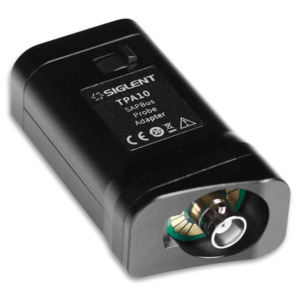
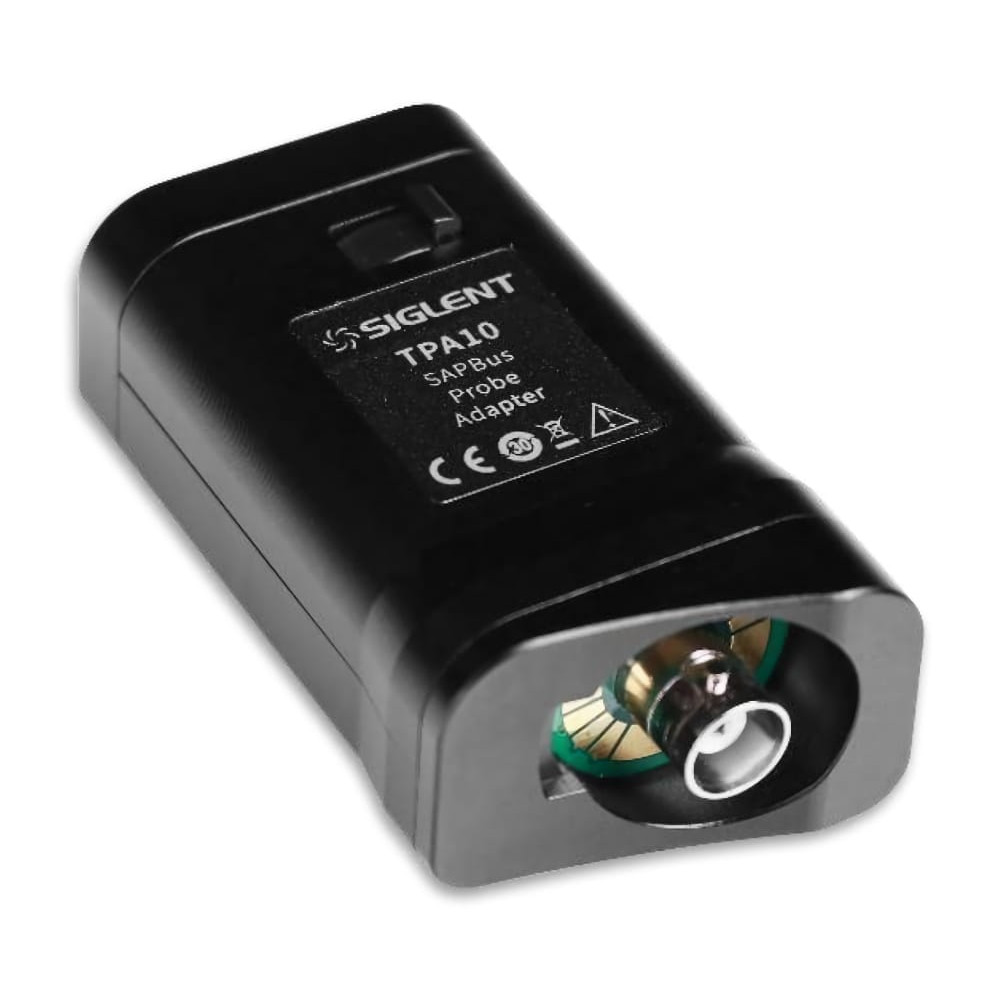
Tektronix offers a wide range of probes and accessories. Their active probes, differential probes, and current probes are some of the best available. Siglent includes basic probes and offers some upgrades, but their accessory range is smaller.
Pricing: What Do You Get For Your Money?
Price is one of the biggest differences between Siglent and Tektronix.
Entry-level Oscilloscopes
- Siglent entry models start around $300–$500 for a 100–200 MHz, 2-channel scope.
- Tektronix entry models start around $700–$1,200 for similar specs.
For students or small labs, Siglent is often the first choice due to the lower cost and rich features.
Mid-range And High-end
- Siglent mid-range (SDS2000X Plus) costs about $1,200–$2,500.
- Tektronix mid-range (MDO/MSO series) runs from $2,500 to $10,000+.
In high-end models, Tektronix can easily exceed $20,000, especially for bandwidth over 1 GHz. These are usually for specialized research or industry use.
Software Options And Licensing
Tektronix often charges extra for advanced software features such as protocol decoding, math analysis, or extended bandwidth. Siglent usually includes many features as standard, making it a better value for some users.
Credit: www.batterfly.com
Use Cases: Which Brand Is Right For You?
Choosing between Siglent and Tektronix depends on your specific needs.
Education And Hobbyists
Siglent is a top pick for:
- Students needing a first oscilloscope
- Hobbyists working with microcontrollers, audio, or basic RF
- Small labs with tight budgets
The combination of low price and useful features is hard to beat.
Professional Engineers
Tektronix is often chosen by:
- Design engineers in companies that need accuracy and reliability
- Researchers working with high-frequency or specialized signals
- Labs where instruments face heavy use every day
Tektronix’s long-term support and wide accessory range are key advantages.
Repair And Field Work
For service technicians, Siglent’s lighter weight and compact size are convenient. But if you need rugged gear for tough environments, Tektronix is often the safer choice.
Real-world Comparison: Performance Benchmarks
Let’s look at some real-world numbers from common models.
| Model | Brand | Bandwidth | Sample Rate | Memory Depth | Price (USD) |
|---|---|---|---|---|---|
| SDS1202X-E | Siglent | 200 MHz | 1 GSa/s | 14 Mpts | ~$379 |
| TBS1202C | Tektronix | 200 MHz | 1 GSa/s | 20 kpts | ~$1,100 |
| SDS2354X Plus | Siglent | 350 MHz | 2 GSa/s | 200 Mpts | ~$2,000 |
| MSO24 | Tektronix | 200 MHz | 2.5 GSa/s | 62.5 Mpts | ~$3,200 |
Notice that Siglent’s memory depth is often much larger at a lower price, which is useful for capturing long or complex signals.
Software And Connectivity
Modern test instruments do more than just display signals. Let’s compare their software and connectivity features.
Siglent
- Web-based remote control on most models
- SCPI command support for automation
- LAN, USB, and WiFi options for data transfer
- Free software for remote operation and data logging
Tektronix
- Advanced analysis software (TekScope, SignalVu-PC)
- Better protocol decoding for automotive, serial, and RF
- Touchscreen interfaces on many models
- Remote access via LAN, USB, GPIB, and even cloud services
Tektronix’s software ecosystem is deeper, but often comes at an extra cost. Siglent provides enough for most basic to mid-level users without extra fees.
Support And Warranty
A good warranty and responsive support can save headaches.
- Tektronix offers a standard 3-year warranty and has a global network of service centers. Their customer support is fast and knowledgeable.
- Siglent offers a 3-year warranty as well, but service centers are fewer outside Asia. Support response is generally good, but may be slower in some regions.
For mission-critical environments, local support availability may matter more than price.
Updates, Calibration, And Longevity
Firmware And Updates
- Siglent regularly updates firmware, adding new features even to older models. Their user community is active, and feedback often leads to improvements.
- Tektronix also provides updates, but new features are sometimes reserved for newer models.
Calibration
- Tektronix scopes are often easier to calibrate and have more service options worldwide.
- Siglent instruments can be calibrated, but options may be limited outside of major cities.
Longevity
Tektronix instruments are legendary for lasting 10–20 years or more. Many old models are still in use. Siglent is newer, so long-term durability is less proven, but reports are positive so far.
Non-obvious Insights Most Beginners Miss
- Memory Depth Matters More Than You Think: Many people focus on bandwidth, but memory depth is crucial for capturing detailed long signals. A cheaper Siglent with deep memory may outperform a more expensive Tektronix in this area, especially for serial data or long captures.
- Probes Affect Signal Quality: The basic probes included with both brands are suitable for general use, but if you need high fidelity measurements (like fast digital or RF signals), investing in high-quality probes (often from Tektronix) makes a big difference.
- User Community and Resources: Siglent’s active user forums often provide firmware tips and troubleshooting advice that can extend your device’s usefulness. Tektronix has more official documentation and training, but less community-driven hacking.
- Software Licenses Add Up: Tektronix’s advanced features often require paid licenses. If you need protocol decoding or advanced math, budget for these add-ons. Siglent includes more features out of the box.
- Resale Value: Tektronix instruments tend to hold value better over time. If you plan to sell or upgrade later, this may offset the higher initial cost.
Siglent Vs Tektronix: Side-by-side Key Points
Here’s a quick comparison to highlight the main differences:
| Aspect | Siglent | Tektronix |
|---|---|---|
| Price | Lower, more features for cost | Higher, especially for advanced models |
| Bandwidth Range | Up to 1 GHz | Up to 33 GHz |
| Memory Depth | Very deep in most models | Good, but upgrades can cost more |
| Software Features | Many included | Many require paid licenses |
| Build Quality | Solid for price | Rugged, long-lasting |
| Support/Warranty | 3 years, fewer service centers | 3 years, global service |
| Accessories | Basic range | Extensive, including advanced probes |
| Community | Active user forums | More official resources |
Making Your Decision: Key Questions To Ask
When deciding between Siglent and Tektronix, consider:
- What is your budget? Siglent wins for low cost, Tektronix for premium features.
- What signals will you measure? For high-frequency or complex signals, Tektronix might be necessary.
- Do you need advanced analysis? Tektronix offers deeper, but pricier, analysis tools.
- Will you rely on local support? Tektronix has more global service centers.
- How important is future resale? Tektronix tends to hold its value.
Trusted Opinions And External Resources
For more detailed technical reviews and up-to-date model comparisons, you can visit Wikipedia’s Tektronix page to see the company’s history and product evolution.
Frequently Asked Questions
What Is The Main Difference Between Siglent And Tektronix Oscilloscopes?
The biggest difference is price vs. brand legacy. Siglent offers more features for less money, especially for entry- and mid-level users. Tektronix, however, is known for higher accuracy, better long-term reliability, and wider support—especially for advanced and specialized needs.
Are Siglent Oscilloscopes Reliable For Professional Work?
Yes, Siglent scopes are reliable for many professional tasks, especially in education, repair, and small labs. For highly demanding or mission-critical work (like aerospace or high-speed communications), Tektronix is often the safer choice due to proven durability and support.
Can You Use Tektronix Probes With Siglent Oscilloscopes?
Most basic passive probes are interchangeable if they match the oscilloscope’s input specs (BNC connectors, bandwidth, compensation range). However, advanced active or differential probes may require matching models from the same brand, especially if they use proprietary interfaces.
Is The Software For Siglent And Tektronix Free?
Siglent includes most software features at no extra cost. Tektronix includes basic software, but many advanced features (like serial protocol decoding or math analysis) often require purchasing separate licenses.
Which Brand Is Better For Beginners?
For most beginners and students, Siglent is a better starting point due to its low price, deep memory, and good included features. Tektronix is the better choice if you want to learn on the same equipment used in leading research or high-end industry labs.
Choosing between Siglent and Tektronix is about more than specs. It’s about your budget, needs, and how you plan to grow in electronics. If you want the best value and solid features, Siglent is a great choice. If you demand the highest reliability, advanced features, and long-term support, Tektronix remains the industry gold standard. Either way, understanding your real needs will help you make the smartest investment.

Credit: thevoltpost.com