The world of electronic test and measurement instruments is more dynamic than ever. With technology advancing fast, engineers, researchers, and educators need accurate, reliable, and affordable tools. Two brands frequently stand out: Siglent and Agilent. Both have rich histories and solid reputations, but they cater to different needs and budgets. If you are looking for oscilloscopes, signal generators, or other lab instruments, choosing between Siglent and Agilent can be confusing. This guide will break down their strengths, weaknesses, and differences—helping you make a confident decision.
Company Backgrounds: Siglent And Agilent
Understanding the roots of each company helps you see what drives their products and innovations.
Siglent
Siglent Technologies is a Chinese company founded in 2002. Over the past two decades, Siglent has become a strong competitor in the electronic test equipment market. Their focus is on affordability without sacrificing core performance. Siglent is especially popular among hobbyists, educators, small labs, and cost-conscious professionals. They produce a wide range of devices—oscilloscopes, waveform generators, spectrum analyzers, and power supplies.
Siglent invests in research and development, aiming to bring modern features to lower price points. Their products often include USB, LAN, or Wi-Fi connectivity, modern user interfaces, and advanced measurement tools. While Siglent started as a budget brand, their latest models now challenge some mid-tier and even high-tier products from traditional leaders.
Agilent
Agilent Technologies has a longer and more complex history. Originally part of Hewlett-Packard (HP), Agilent spun off in 1999, inheriting HP’s electronic measurement division. In 2014, Agilent split again, creating Keysight Technologies for its test and measurement arm. However, many still use “Agilent” to refer to these products, and both Agilent and Keysight share much of the same DNA.
Agilent/Keysight is known for high-end, extremely precise instruments used in advanced research, defense, aerospace, and industry. Their devices are often the benchmark for accuracy, stability, and advanced features. Agilent invests heavily in innovation, pioneering new technologies for demanding applications.
Product Range And Core Offerings
Comparing Siglent and Agilent means looking at what they actually make and sell. Both companies offer a wide lineup, but their focus and market segments are different.
Siglent’s Product Focus
Siglent concentrates on:
- Digital oscilloscopes
- Function/waveform generators
- Spectrum analyzers
- Digital multimeters
- DC power supplies
- Electronic loads
Their products target education, small businesses, R&D labs, and electronics repair. Siglent aims to balance cost and features, often including extras like advanced triggering, math functions, and remote control at affordable prices. Their oscilloscopes, for example, range from entry-level 50 MHz models to 2 GHz bandwidth devices.
Agilent’s Product Focus
Agilent (now Keysight for test equipment) covers:
- High-performance oscilloscopes (100 MHz up to 110 GHz)
- Signal and network analyzers
- Precision multimeters and LCR meters
- Power meters and supplies
- Microwave and RF instruments
- Modular and PXI systems
Agilent’s lineup is vast, targeting universities, R&D, manufacturing, telecom, medical, aerospace, and more. Their products often feature the highest bandwidth, fastest sample rates, and most advanced analysis tools. Agilent also supports cutting-edge protocols and standards, making their instruments essential in many industries.
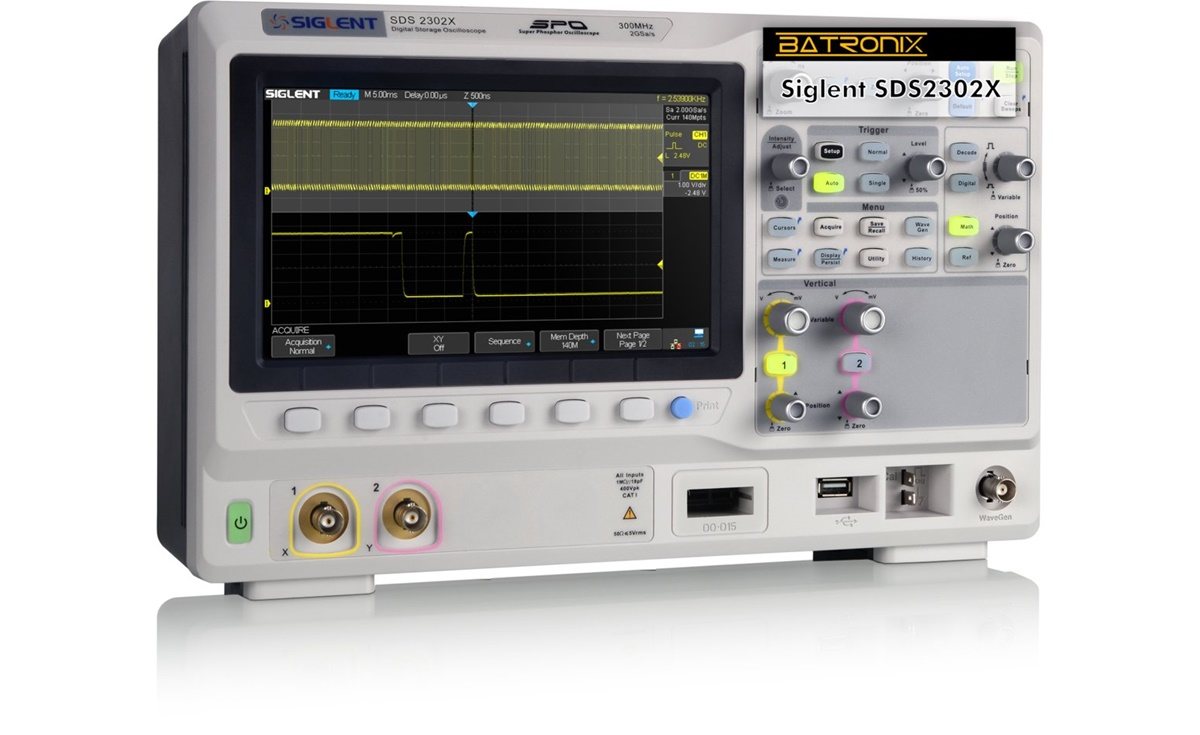
Credit: www.batronix.com
Head-to-head: Oscilloscopes
Oscilloscopes are the most popular electronic test instruments. Both Siglent and Agilent offer a wide range, but with different priorities.
Entry-level Oscilloscopes
Siglent’s entry-level oscilloscopes (like the SDS1104X-E or SDS1202X-E) offer:
- Bandwidth: 50–200 MHz (expandable with software options)
- Sample rate: Up to 1 GSa/s per channel
- Memory depth: Up to 14 Mpts
- 7–8 inch color displays
- LAN/USB connectivity
- Advanced math, FFT, and protocol decoding (some models)
- Price: $300–$800
Agilent/Keysight’s entry models (like the InfiniiVision 1000 X-Series) offer:
- Bandwidth: 50–200 MHz
- Sample rate: Up to 2 GSa/s
- Memory depth: Up to 1 Mpts (sometimes less than Siglent)
- 7-inch color displays
- USB connectivity, some models with LAN
- Software for advanced analysis (sometimes as paid options)
- Price: $700–$1500
Non-obvious insight: Siglent often offers deeper memory and more included features at a lower price point. However, Agilent’s sample rates are often higher, and their build quality can be more robust.
Mid-range And Advanced Oscilloscopes
When you move up in price and performance, Agilent’s advantage grows.
Siglent’s higher-end models (e.g., SDS2000X Plus) reach:
- 100 MHz–500 MHz bandwidth
- Up to 2 GSa/s sample rate
- 200 Mpts memory depth
- Multi-channel (up to 4+16 digital with logic analyzer option)
- Touchscreen (on top models)
- Price: $1000–$4000
Agilent’s advanced oscilloscopes (e.g., InfiniiVision 3000/4000 X-Series) offer:
- 100 MHz–1.5 GHz (or more)
- 5 GSa/s or higher sample rates
- Up to 4 Gpts memory (on some models)
- Touchscreens, advanced triggers, protocol analysis, and mixed-signal capabilities
- Price: $2500–$20,000+
Non-obvious insight: Agilent/Keysight’s advanced models support very high-speed digital, RF, and mixed-signal analysis, making them essential for cutting-edge research. Siglent is closing the gap but still mainly serves up to mid-level needs.
Oscilloscope Comparison Table
Here is a side-by-side comparison of popular models from both brands:
| Feature | Siglent SDS1202X-E | Agilent/Keysight 1000 X-Series |
|---|---|---|
| Bandwidth | 200 MHz | 200 MHz |
| Sample Rate | 1 GSa/s | 2 GSa/s |
| Memory Depth | 14 Mpts | 1 Mpts |
| Channels | 2 | 2 |
| Screen Size | 7 inch | 7 inch |
| Price | ~$350 | ~$900 |
Signal And Function Generators
Signal generators create electrical waveforms for testing circuits and systems. Both brands offer capable devices, but differences in precision, modulation, and price are clear.
Siglent Signal Generators
Siglent’s SDG series is popular for:
- Frequency range: 10 MHz to 120 MHz (some models up to 500 MHz)
- 16-bit vertical resolution
- Arbitrary waveform generation
- Modulation functions (AM/FM/PM, PWM, Burst)
- Price: $200–$1000
Siglent’s signal generators are good for labs, education, and repair. They are easy to use, with color screens and USB/LAN connectivity.
Agilent Signal Generators
Agilent/Keysight’s 33500B series and 33600A series offer:
- Frequency range: 20 MHz to 120 MHz (and up to 1 GHz on advanced models)
- 16-bit or higher resolution
- Very low jitter and phase noise
- Advanced modulation, sequencing, and arbitrary waveform playback
- More robust output amplifiers
- Price: $1000–$5000+
Agilent’s models are chosen for applications needing high accuracy, low distortion, and complex waveforms (such as RF, communications, or medical devices).
Signal Generator Comparison Table
Compare Siglent and Agilent entry-level signal generators:
| Feature | Siglent SDG1032X | Agilent/Keysight 33511B |
|---|---|---|
| Frequency Range | 30 MHz | 20 MHz |
| Vertical Resolution | 16-bit | 16-bit |
| Modulation | AM, FM, PM, PWM, Burst | AM, FM, PM, PWM, Burst |
| Arb Waveforms | Yes | Yes |
| Price | ~$350 | ~$1200 |
Key insight: Siglent offers similar core specifications for a much lower price, but Agilent’s models provide lower distortion, higher reliability, and extra features for demanding applications.
Spectrum Analyzers And Advanced Instruments
Both brands offer spectrum analyzers, but their target users differ.
Siglent Spectrum Analyzers
Siglent’s SSA3000X series covers:
- Frequency: 9 kHz to 2.1 GHz/3.2 GHz/7.5 GHz (depending on model)
- Resolution bandwidth: As low as 1 Hz
- Phase noise: Typically -98 dBc/Hz at 10 kHz offset
- Touchscreen on some models
- Price: $1,300–$5,000
These analyzers are well-liked in education, repair, EMC pre-compliance, and small R&D labs. They deliver good performance at a low price, but may lack some advanced analysis and automation features.
Agilent/keysight Spectrum Analyzers
Agilent (now Keysight) offers the N9000B CXA and other models:
- Frequency: 9 kHz to 3.0 GHz/7.5 GHz/26.5 GHz (or higher)
- Resolution bandwidth: Down to 1 Hz
- Phase noise: -106 dBc/Hz at 10 kHz offset or better
- Advanced measurement suites (phase noise, vector analysis, EMC, 5G, IoT, etc.)
- Modular options, remote control, and automation
- Price: $9,000–$60,000+
These analyzers are the standard in advanced research, wireless, aerospace, and compliance labs.
Advanced Instrument Comparison Table
A closer look at a mid-range model from each brand:
| Feature | Siglent SSA3032X | Agilent/Keysight N9000B CXA |
|---|---|---|
| Frequency Range | 9 kHz – 3.2 GHz | 9 kHz – 3.0 GHz |
| Phase Noise | -98 dBc/Hz | -106 dBc/Hz |
| Display | 10.1″ color | 8.5″ color |
| EMC Pre-compliance | Yes | Yes (more advanced) |
| Price | ~$2,500 | ~$12,000 |
Software, Connectivity, And Ecosystem
Instrument software and connectivity have become critical. Users demand remote control, scripting, and integration with automation.
Siglent’s Software Approach
Siglent offers:
- EasyScopeX: Free software for remote oscilloscope control and data logging
- LabVIEW and SCPI support
- LAN, USB, and some Wi-Fi options
- Simple firmware updates and open documentation
Siglent’s software tools are practical and simple, but not always as feature-rich as Agilent/Keysight’s. However, for most standard tasks, they are more than enough.
Agilent’s Software Ecosystem
Agilent/Keysight’s software suite includes:
- BenchVue: Powerful control for multiple instruments, data logging, and automation
- PathWave: Advanced test workflow integration
- Full SCPI, IVI, and LXI support
- APIs for Python, MATLAB, C++, and more
- Remote web interfaces, deep automation, and scripting
- Fast firmware support and advanced security
Agilent’s software is designed for large labs and enterprise use. It enables complex automation, remote diagnostics, and detailed analysis.
Practical insight: If you plan to build automated test setups or integrate instruments into a large lab network, Agilent’s software is more advanced. For individual users or small labs, Siglent’s tools are usually sufficient.
Price, Value, And Total Cost Of Ownership
The price difference between Siglent and Agilent is huge—sometimes 2x to 10x for similar-looking specs. But price is not the only factor.
Siglent: Value Leader
Siglent is known for:
- Very competitive pricing, especially for core performance
- Lower cost of ownership (parts, repairs, calibration)
- More features included in base price (protocol decoding, math, LAN, etc.)
- Good reliability for the price
Siglent is ideal for those who need a capable, modern instrument without top-level specs or advanced certifications. For students, educators, repair shops, and small R&D labs, Siglent often delivers 80–90% of the utility at 20–30% of the cost.
Agilent: Premium Performance
Agilent is known for:
- High initial price, but excellent long-term reliability
- Best-in-class accuracy, speed, and measurement confidence
- Industry certifications (calibration traceability, compliance)
- Strong support, fast repairs, and long product life cycles
- High resale value
If your work is mission-critical, if you need compliance with advanced standards, or if you expect to use instruments for 10+ years, Agilent is a safe choice. Their devices rarely fail, and support is among the best.
Expert tip: For most hobbyists and small labs, Siglent offers unbeatable value. But if a mistake could cost you thousands or compromise safety, Agilent’s extra cost is justified.
Support, Warranty, And Community
Both brands support their products, but their approach and reputation differ.
Siglent Support
- Standard warranty: 3 years on most products
- Global support network (especially strong in Asia and Europe)
- Fast firmware updates, responsive email support
- Growing online community (forums, YouTube reviews, hobbyist blogs)
- Authorized repair centers in most regions
Siglent’s support has improved greatly in the last decade. While not as deep as Agilent’s, most users find it reliable and helpful.
Agilent/keysight Support
- Standard warranty: 3–5 years, optional extensions
- Large global network, with local offices in most countries
- Professional calibration and on-site service options
- Deep technical documentation, white papers, and application notes
- Very active user community, especially among professionals
Agilent’s support is considered the gold standard. Their technical documents and application engineers set them apart.
Reliability, Build Quality, And Accuracy
Instrument quality can affect your results and downtime.
Siglent Build Quality
Siglent’s hardware has improved rapidly:
- Modern, sturdy cases
- Quality controls better than most low-cost brands
- Good accuracy for routine work (typically within 1–2% of specs)
However, Siglent’s devices may show some variation unit-to-unit. Long-term stability is good, but not as high as Agilent for extreme cases.
Agilent Build Quality
Agilent’s reputation is built on:
- Highest-quality components
- Rigid testing and calibration standards
- Consistent performance, even in harsh environments
- Devices that last 10–20 years with routine calibration
For critical research, aerospace, or compliance testing, Agilent’s accuracy and stability are often required.
Hidden insight: Most Siglent devices are accurate enough for all but the most demanding RF or compliance work. If your measurements must be traceable to national standards, Agilent is better.
Where Each Brand Shines
Not all users need the same features. Here’s where each brand excels.
Siglent Is Best For:
- Students, educators, and electronics hobbyists
- Startups and small businesses
- Repair and troubleshooting labs
- General R&D where cost is important
- Anyone who wants modern features without a premium price
Agilent/keysight Is Best For:
- Advanced R&D, aerospace, defense, and telecom
- Compliance, safety, and certified testing labs
- Users who need the highest bandwidth, lowest noise, or long-term stability
- Organizations with strict calibration and traceability needs
- Large labs with automation and networked instruments
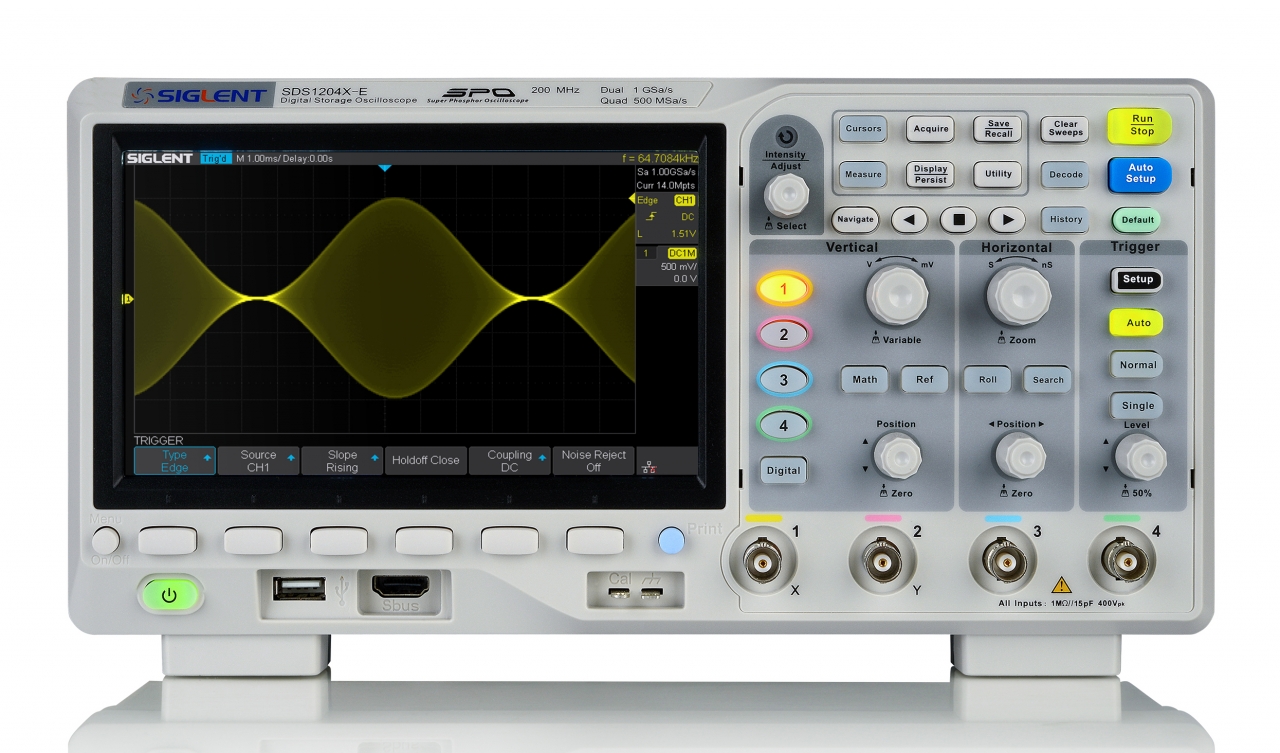
Credit: www.circuitspecialists.com
How To Choose: Key Questions
Ask yourself these questions to decide which brand suits you:
- What is your real measurement need? Don’t pay extra for bandwidth, memory, or features you’ll never use.
- Is this for hobby, learning, or professional work? Siglent is ideal for learning and routine testing; Agilent is for high-stakes work.
- What is your budget? Siglent provides 80–90% of the features for a fraction of the price.
- Do you need calibration or compliance certificates? Agilent is the leader in traceability.
- Are you working alone or in a large lab? For automated setups and large networks, Agilent’s software is stronger.
- How important is long-term reliability? Agilent devices have decades-long reputations for durability.
If you’re still unsure, consult the official sites or independent reviews. For further details, the Agilent Technologies Wikipedia page provides a detailed company history.
Frequently Asked Questions
What Is The Main Difference Between Siglent And Agilent?
The main difference is focus and market: Siglent targets value and affordability for education and small labs, while Agilent/Keysight delivers the highest accuracy, reliability, and advanced features for professional and research environments.
Are Siglent Oscilloscopes Reliable For Professional Use?
Yes, Siglent oscilloscopes are reliable for most routine professional work, educational labs, and R&D. For ultra-high precision or compliance testing, Agilent’s models are better, but Siglent is excellent for everyday electronics tasks.
Why Are Agilent (keysight) Instruments Much More Expensive?
Agilent/Keysight invests heavily in research, high-precision components, and strict testing. Their instruments offer top specs, certifications, automation, and long-term support, which increases costs. The price reflects unmatched performance and reliability.
Can Siglent Instruments Be Calibrated To Professional Standards?
Many Siglent products can be calibrated and are accurate for general professional use. However, for certified labs, Agilent/Keysight offers better traceability, documentation, and compliance with international standards.
Is It Worth Buying Used Agilent Equipment Instead Of New Siglent?
Buying used Agilent can be a good value, as these instruments last long and retain their accuracy. However, software and support may be limited. New Siglent devices offer modern interfaces and features, which can be more convenient for new users.
In summary, both Siglent and Agilent are respected brands, but they serve different needs. If you want the best performance and long-term investment, Agilent/Keysight is the clear leader. If you seek modern features, solid performance, and the best value, Siglent is hard to beat.
Choose based on your real requirements, not just brand reputation.

Credit: www.eevblog.com