When you need to measure electrical current, choosing the right tool can make all the difference. Are you wondering whether an Amp Hound or a Multimeter is better for your tasks?
You’re not alone. Both devices have their strengths, but understanding which one fits your needs can save you time, money, and frustration. You’ll discover the key differences and find out which tool will give you the most accurate results for your projects.
Keep reading—your next electrical measurement just got a lot easier.
Credit: www.pichler.tools
Amp Hound Basics
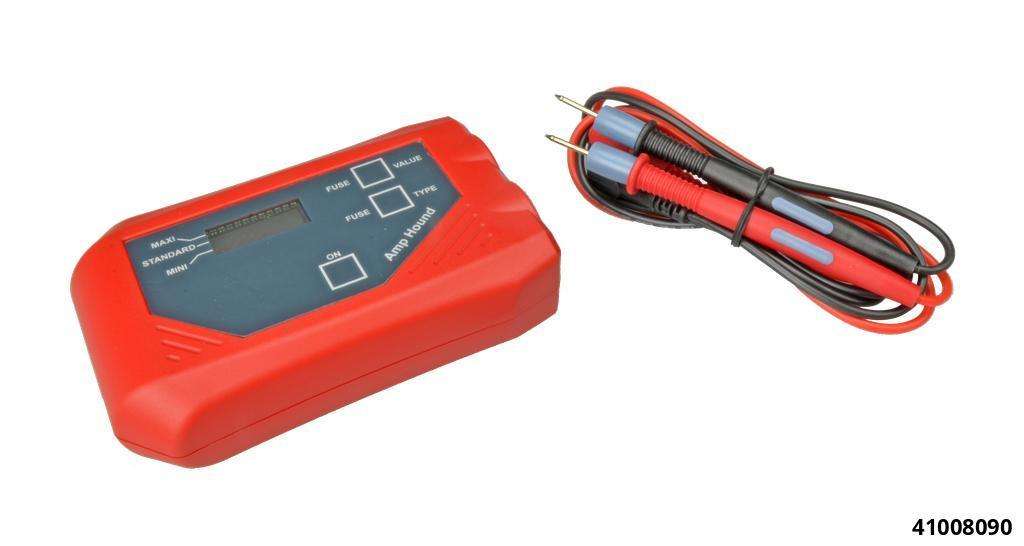
The Amp Hound is a tool designed to measure electrical current safely and quickly. It is different from a traditional multimeter. The device focuses only on current measurement. This makes it simple and easy to use.
Many electricians and technicians prefer the Amp Hound for specific tasks. It offers clear readings without complex settings. Understanding its basics helps in choosing the right tool for your needs.
Design And Features
The Amp Hound has a clamp-style design. This lets you measure current without touching wires directly. It is lightweight and easy to hold. The display shows clear numbers that are easy to read. Some models have backlit screens for use in dark places.
Its design focuses on speed and safety. The clamp opens wide to fit various wire sizes. There are no extra buttons or complicated menus. The simplicity makes it faster to use than many multimeters.
How It Measures Current
The Amp Hound measures current using a clamp sensor. It detects the magnetic field around a wire. This field changes when current flows through the wire. The device converts this magnetic field into a current reading.
It does not need to break the circuit or touch the wire directly. This reduces risk and saves time. The measurement is instant and accurate for many electrical jobs. It is best for AC current but some models measure DC as well.
Multimeter Essentials
A multimeter is a must-have tool for anyone working with electronics. It helps measure different electrical properties safely and accurately. Understanding its basics can make your work easier and more efficient.
Multimeters come in many types and offer various functions. Each type serves a specific purpose, making it important to know which one fits your needs best.
Types And Functions
There are two main types of multimeters: analog and digital. Analog multimeters use a needle to show readings, while digital ones display numbers on a screen. Digital multimeters are more common today because they are easier to read and more precise.
Multimeters measure voltage, current, and resistance. Some models also test continuity, capacitance, and temperature. These functions help diagnose electrical problems quickly.
Current Measurement Methods
Measuring current requires connecting the multimeter in series with the circuit. This means the current flows through the meter. It is important to set the correct range to avoid damage.
Multimeters measure two types of current: alternating current (AC) and direct current (DC). Many digital multimeters have a clamp feature to measure current without direct contact. This method is safer and easier for high currents.
Accuracy In Current Testing
Accuracy in current testing is crucial for both safety and effective troubleshooting. Precise measurements help identify electrical issues correctly. Choosing the right tool impacts the quality of the results. Both Amp Hound and multimeters are popular for current testing. Understanding their accuracy differences helps users pick the best option for their needs.
Factors Affecting Precision
Several factors affect how precise current measurements can be. The quality of the sensor in the tool plays a big role. Amp Hound uses clamp sensors designed for high accuracy in current detection. Multimeters may use different methods, such as shunt resistors, which can vary in precision.
Environmental conditions like temperature and electromagnetic interference also affect accuracy. Calibration of the device is essential for reliable readings. Tools not calibrated regularly may give false results. The range and resolution of the tool influence how small changes in current are detected.
Comparing Measurement Results
Test results from Amp Hound and multimeters show some differences. Amp Hound tends to provide more stable readings during fluctuating currents. Multimeters offer versatility but may require manual adjustments for the best accuracy. The clamp design in Amp Hound allows non-contact measurements, reducing error risk.
Multimeters sometimes show small delays or fluctuations in reading changes. Amp Hound’s design minimizes this lag, giving faster updates. For very low currents, multimeters might be more sensitive. For high current loads, Amp Hound generally maintains better accuracy and safety.
Credit: cal-vantools.com
Ease Of Use And Safety
Ease of use and safety are key factors when choosing between an Amp Hound and a multimeter. Both tools measure electrical current but differ in design and operation. Understanding how each device handles user interface and safety features helps pick the right tool for your needs.
User Interface And Handling
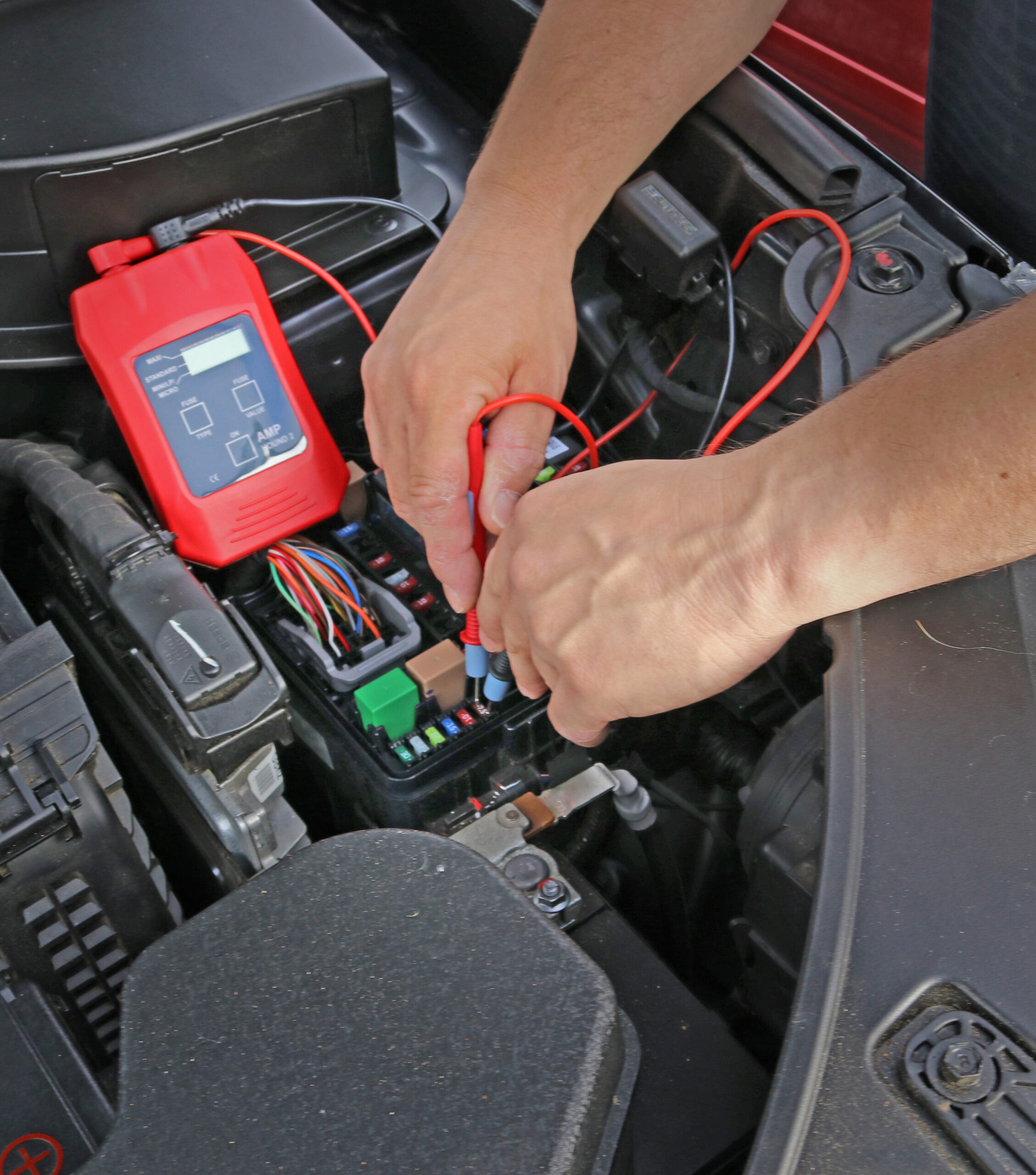
The Amp Hound has a simple, clear display with easy-to-read numbers. It often uses a clamp design, allowing hands-free use. This makes measuring current quick and less complex.
Multimeters have multiple settings and buttons to measure voltage, resistance, and current. This can be confusing for beginners. Some models have small screens that may be hard to read in poor light.
The Amp Hound’s compact shape fits comfortably in your hand. Multimeters can be bulkier and require two hands to operate properly. For quick current checks, the Amp Hound is easier to handle.
Protective Features
The Amp Hound usually has built-in overload protection. This prevents damage if the current is too high. It also isolates the user from direct contact with live wires, improving safety.
Multimeters often include fuses to protect the device and user from electrical faults. Still, incorrect settings can cause sparks or damage. Users must be careful when switching modes.
Both tools offer safety but in different ways. The Amp Hound focuses on current measurement safety, while multimeters cover a wider range but need more careful handling.
Application Scenarios
Understanding where to use an Amp Hound or a multimeter helps you choose the right tool. Each device has strengths suited for different tasks. Knowing their best uses saves time and improves accuracy.
Best Uses For Amp Hound
Amp Hound is excellent for measuring current in large cables. It works well on high-amperage circuits. Electricians use it to check load on breakers and panels. It gives quick, clear readings without disconnecting wires. This tool is ideal for troubleshooting electrical systems in buildings. Also, it helps in monitoring energy consumption in real time.
Ideal Situations For Multimeter
Multimeters measure voltage, current, and resistance in small circuits. They are perfect for electronics repair and testing batteries. Use them to check continuity in wires and components. Multimeters are handy for DIY projects and simple home fixes. They work well on low-voltage devices like radios and lights. This tool is a must-have for precise electrical measurements.
Cost And Value
Cost and value play a big role when choosing between an Amp Hound and a multimeter. Both tools serve different purposes but come at various price points. Understanding their cost and long-term value helps buyers make smart choices.
Price Range Comparison
Amp Hounds usually cost more than basic multimeters. Prices for Amp Hounds start around $100 and can go up to $300 or more. Multimeters have a wide price range. Simple models may cost as little as $10. Advanced multimeters with more features can cost over $150.
The price difference comes from the tool’s design and features. Amp Hounds measure current without breaking the circuit. Multimeters often require manual connection to the circuit. This makes Amp Hounds more expensive but easier to use for specific tasks.
Long-term Investment Considerations
Think about how often you will use the tool. If you measure current often, an Amp Hound might save time and effort. It also reduces the risk of damaging circuits. This can save money in the long run.
Multimeters are versatile. They can measure voltage, resistance, and current. This makes them useful for many tasks. If your needs are basic, a multimeter may offer better value. It can handle many jobs without extra cost.
Consider tool durability and brand reputation. A quality tool may last longer and give more accurate readings. Spending more upfront can reduce replacement costs later.
Choosing The Right Tool
Choosing the right tool for electrical measurements is important for safety and accuracy. Both the Amp Hound and the multimeter offer unique features. Picking the best tool depends on your specific needs and the tasks you handle. Understanding their differences helps you make the right choice.
Key Decision Factors
Consider the type of current you need to measure. The Amp Hound specializes in measuring current without breaking the circuit. A multimeter measures voltage, current, and resistance but requires circuit access.
Think about ease of use. The Amp Hound is simple for current checks. Multimeters offer more functions but can be complex for beginners.
Safety matters. The Amp Hound reduces exposure to live wires. Multimeters need careful handling to avoid shocks or damage.
Price plays a role. Multimeters usually cost less and are more common. The Amp Hound can be pricier but offers convenience for current checks.
Expert Recommendations
Electricians often prefer the Amp Hound for quick current readings. It saves time and keeps users safe. However, many experts suggest having a multimeter for versatile testing tasks.
For home use or basic electrical work, a multimeter might be enough. Professionals working on complex systems may benefit from both tools.
Experts advise learning how to use each tool properly. Training and practice improve accuracy and safety.
Credit: www.summitracing.com
Frequently Asked Questions
What Is The Main Difference Between Amp Hound And Multimeter?
Amp Hound measures current without disconnecting wires, using clamp technology. Multimeter measures voltage, current, and resistance but often requires circuit disconnection. Amp Hound is faster for current checks, while multimeters provide versatile electrical measurements.
Can Amp Hound Replace A Multimeter Completely?
No, Amp Hound cannot fully replace a multimeter. It only measures current. Multimeters provide broader functions like voltage, resistance, and continuity testing, making them essential for comprehensive electrical diagnostics.
How Accurate Is Amp Hound Compared To A Multimeter?
Amp Hound offers good accuracy for current measurements but less precision than high-end multimeters. It’s ideal for quick checks, while multimeters deliver more precise and varied electrical readings for detailed analysis.
When Should I Use An Amp Hound Over A Multimeter?
Use an Amp Hound for fast, non-intrusive current measurements. It’s best when you need to avoid circuit disconnection. For detailed electrical diagnostics or measurements beyond current, use a multimeter.
Conclusion
Both Amp Hound and multimeters measure electrical current well. Amp Hound offers quick, clamp-style current readings without breaking the circuit. Multimeters provide detailed measurements, including voltage and resistance. Choose Amp Hound for easy, fast current checks. Pick a multimeter for more versatile electrical testing.
Understanding your needs helps in picking the right tool. Each tool suits different tasks and skill levels. Use the one that fits your work best. Both are useful for electricians and hobbyists alike.