Are you confused about whether you need an ESR meter or a multimeter for your electronics projects? Both tools look similar but serve very different purposes.
Choosing the right one can save you time, money, and frustration. You’ll discover the key differences between an ESR meter and a multimeter, how each works, and which one is best for your needs. Keep reading, and you’ll never second-guess your tool choice again.

Credit: www.amazon.com.be
Basics Of Esr Meter
An ESR meter is a tool used to check the health of capacitors in electronic devices. It helps find problems that a regular multimeter cannot detect. Understanding the basics of an ESR meter is important for anyone working with electronics.
This device measures the resistance inside capacitors, which affects their performance. It gives quick and accurate results to identify faulty parts. Knowing how an ESR meter works can save time and money in repairs.
What Esr Meter Measures
An ESR meter measures the Equivalent Series Resistance of capacitors. This resistance is a small amount of power loss inside the capacitor. High resistance shows that the capacitor is damaged or worn out. The meter helps spot bad capacitors without removing them from the circuit.
Key Features Of Esr Meter
ESR meters have features designed for easy and fast testing. They offer low test currents to avoid damaging parts. The meters display resistance in ohms with high accuracy. Many models are handheld and portable for use in different locations. Some come with easy-to-read screens and simple controls.
Common Uses
Technicians use ESR meters to test capacitors in power supplies and audio equipment. They find faulty parts that cause device failure or poor performance. The meter is also useful for checking old or stored components. Hobbyists and professionals rely on ESR meters for quick diagnosis and repair.
Credit: www.yamanelectronics.com
Basics Of Multimeter
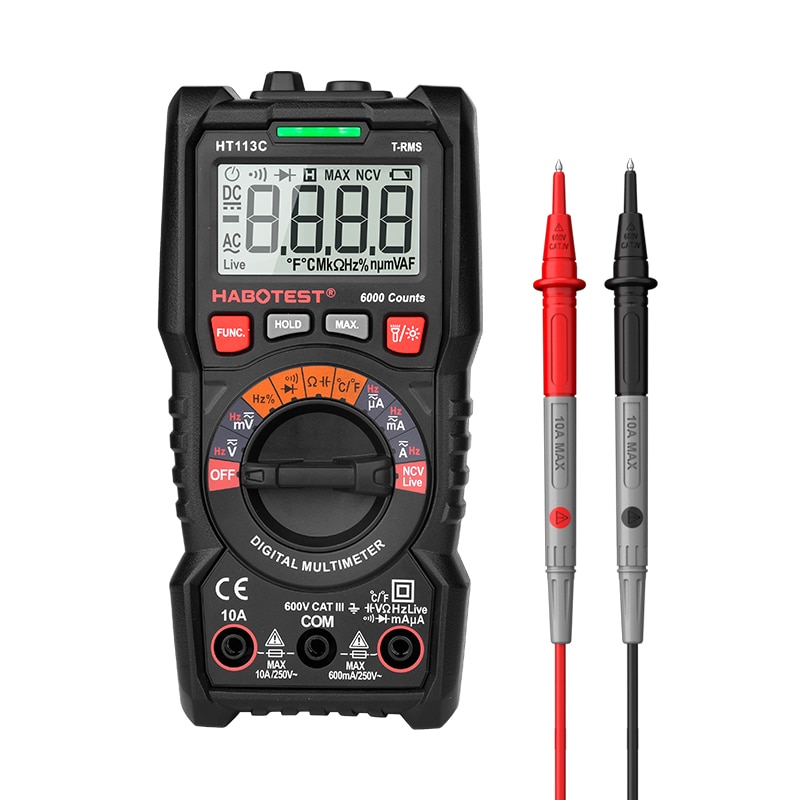
A multimeter is a tool used to measure electrical values. It helps check voltage, current, and resistance in circuits. This tool is essential for electricians and hobbyists. It allows quick testing without needing many instruments.
Multimeters come in many forms, and each serves different needs. Understanding the basics helps you choose the right one. It also improves your ability to diagnose electrical problems correctly.
Functions Of A Multimeter
A multimeter measures voltage, current, and resistance. Voltage tells how much electric force flows in a circuit. Current measures the flow of electric charge. Resistance shows how much a material opposes electric flow.
Some multimeters also test continuity. Continuity means checking if a circuit is complete. Others can measure capacitance and frequency. These extra features help in complex electrical tasks.
Types Of Multimeters
There are two main types: analog and digital. Analog multimeters use a needle to show readings. Digital multimeters display values in numbers. Digital types are more popular today due to accuracy.
Handheld multimeters are common for field use. Bench multimeters are bigger and used in labs. Each type suits different work environments and budgets.
Typical Applications
Multimeters help fix electrical problems in homes and cars. They test batteries, wires, and appliances. Electricians use them to ensure circuits work safely. Hobbyists use multimeters to build and repair gadgets.
In schools, multimeters teach students about electricity. They are simple tools to learn basic electrical concepts. This makes them useful for beginners and experts alike.
Comparing Esr Meter And Multimeter
Comparing an ESR meter and a multimeter helps you understand their key differences. Both tools measure electrical values but serve distinct purposes. Choosing the right tool depends on your task. Each device offers unique features and functions.
Measurement Capabilities
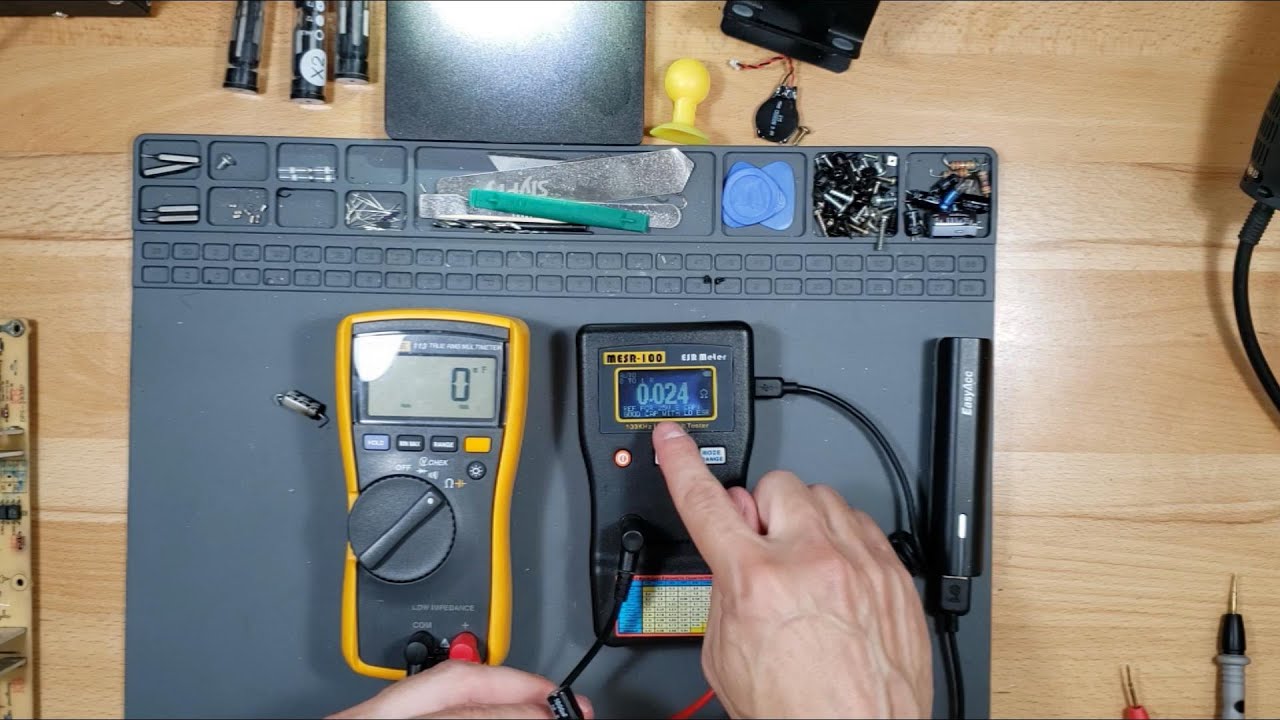
An ESR meter measures the equivalent series resistance in capacitors. It detects faults in capacitors without removing them from the circuit. A multimeter measures voltage, current, and resistance. It also tests continuity and diode function. The ESR meter focuses on capacitor health. The multimeter offers broader electrical measurements.
Accuracy And Precision
ESR meters provide accurate readings for low resistance values. They are precise for small changes in capacitor resistance. Multimeters vary in accuracy based on model and price. They handle general electrical measurements with good precision. ESR meters excel in specialized capacitor testing. Multimeters perform well in everyday electrical tasks.
Ease Of Use
ESR meters have simple interfaces for quick capacitor tests. They often require less setup for their specific function. Multimeters may need more settings adjusted for different measurements. They have multiple modes to choose from. ESR meters are straightforward for capacitor checks. Multimeters offer versatility but need more user knowledge.
Cost Differences
ESR meters usually cost more than basic multimeters. Their specialized function justifies the higher price. Multimeters range from inexpensive to professional-grade models. Basic multimeters are affordable for general use. ESR meters are an investment for focused capacitor testing. Multimeters provide value across many electrical tasks.
Credit: www.youtube.com
Choosing The Right Tool
Choosing the right tool between an ESR meter and a multimeter depends on what you need to measure. Both tools serve different purposes and work best in specific situations. Understanding your requirements helps you pick the most useful device. This section guides you through key points to consider before making a choice.
Assessing Your Needs
Know what you want to test. An ESR meter measures the equivalent series resistance of capacitors. It helps find faulty capacitors quickly. A multimeter measures voltage, current, and resistance in circuits. It is more versatile but less specialized. Choose based on the type of testing you do most.
Environment And Application
Consider where you will use the tool. ESR meters work well in electronics repair shops. They help detect problems in power supplies and audio devices. Multimeters suit a wider range of tasks. They are useful in household wiring, automotive work, and general electronics. Think about your work environment and tasks.
Budget Considerations
Price is important. ESR meters can cost more than basic multimeters. However, they save time in specific testing. Multimeters vary widely in price, from cheap to advanced models. Decide how much you want to spend. Balance cost with the tool’s usefulness for your work.
Tips For Effective Testing
Testing electronic components accurately needs careful steps. Using an ESR meter or a multimeter correctly improves your results. Follow simple tips for effective testing. These will help you get clear readings and protect your tools.
Preparing For Measurement
Turn off power before measuring. This prevents damage and ensures safety. Clean the test leads and contacts. Dirt or corrosion can cause wrong readings. Choose the right test mode on your device. Select ESR mode for capacitors and resistance mode for general parts. Hold the probes steadily on the component. Avoid moving them to get stable results.
Interpreting Results
Check the display carefully. Compare readings with the component’s specifications. High ESR values often mean a bad capacitor. Low resistance usually shows a good connection. Repeat tests if values seem off. Small differences can happen due to temperature or probe position. Understand what each number means for your device.
Maintenance And Calibration
Keep your meter clean and dry. Store it in a safe place to avoid damage. Calibrate the meter regularly to keep accuracy. Use a known reference component or follow the manufacturer’s guide. Replace batteries before they run out. A weak battery can cause false readings. Regular care extends your meter’s life and improves testing trustworthiness.
Frequently Asked Questions
What Is The Main Difference Between Esr Meter And Multimeter?
An ESR meter measures equivalent series resistance in capacitors, while a multimeter measures voltage, current, and resistance. ESR meters focus on capacitor health, multimeters serve broader electrical diagnostics. Both tools are essential but serve different testing purposes in electronics.
Can A Multimeter Test Capacitor Esr Accurately?
No, a standard multimeter cannot accurately measure capacitor ESR. ESR meters specifically detect series resistance inside capacitors, which multimeters cannot isolate. For precise capacitor health checks, an ESR meter is necessary to avoid misleading readings.
When Should I Use An Esr Meter Over A Multimeter?
Use an ESR meter when testing capacitor condition, especially in circuit troubleshooting. It identifies failing capacitors by measuring internal resistance. A multimeter is better for general electrical measurements like voltage and continuity.
Are Esr Meters Useful For All Electronic Components?
ESR meters are primarily useful for testing capacitors. They are not designed to measure other components like resistors or transistors. For comprehensive testing, combine ESR meters with multimeters and other specialized tools.
Conclusion
Choosing between an ESR meter and a multimeter depends on your needs. ESR meters measure capacitor health, while multimeters check voltage, current, and resistance. Both tools serve different purposes in electronics work. Having the right tool makes repairs easier and faster.
Think about what you want to test before buying. Simple tools can save a lot of time. Use the tool that fits your task best. Understanding their differences helps you work smarter.