Are you struggling to figure out if your AC’s high pressure switch is working properly? Knowing how to test this crucial part can save you time and money on repairs.
With just a simple multimeter, you can quickly check if the switch is functioning or needs replacement. In this guide, you’ll learn step-by-step how to test your AC high pressure switch easily, even if you’re not a professional. Keep reading to take control of your AC’s health and avoid costly breakdowns.
Ac High Pressure Switch Basics
The AC high pressure switch is a small but vital part of your air conditioning system. It helps keep the system safe by monitoring pressure inside the AC unit. This switch stops the AC from running if the pressure gets too high. This prevents damage to the compressor and other parts. Understanding this switch can help you spot problems early and avoid costly repairs.
Testing the AC high pressure switch with a multimeter is an easy way to check if it works well. Before testing, knowing its role and signs of failure is important. This knowledge makes the testing process clearer and more effective.
Role In Ac System
The high pressure switch controls the AC system’s pressure. It turns the compressor off when pressure is too high. This protects the compressor from damage. It also stops leaks and other serious issues. The switch resets automatically once pressure returns to normal. This keeps the AC running safely and smoothly.
Common Symptoms Of Failure
A failing high pressure switch causes many AC problems. The AC may stop cooling suddenly. The compressor might not start at all. Sometimes, the AC turns on and off quickly. Strange noises can also happen near the compressor. These signs show the switch may need testing or replacement.
Tools Needed For Testing
Testing an AC high pressure switch requires specific tools. Using the right tools ensures accurate results and safety. This section explains the essential tools you need for testing.
Choosing The Right Multimeter
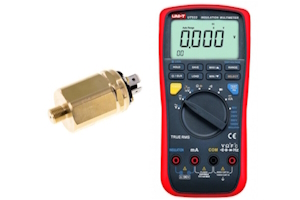
A reliable multimeter is crucial for testing the high pressure switch. Select a digital multimeter with a continuity test feature. It should measure voltage, resistance, and current. The display must be clear and easy to read. Look for a multimeter with a durable build to withstand regular use. Set it to the correct mode before testing the switch.
Additional Safety Gear
Safety gear protects you during the testing process. Wear insulated gloves to avoid electric shock. Use safety glasses to protect your eyes from debris. Ensure the AC unit is powered off before starting any tests. Keep a fire extinguisher nearby for emergencies. Good lighting helps you see connections clearly.
Preparing For The Test
Preparing to test an AC high pressure switch is important for accurate results. This step helps avoid mistakes and keeps you safe. Follow a clear process to get ready before using a multimeter. Understanding the parts and safety rules is key.
Locating The High Pressure Switch
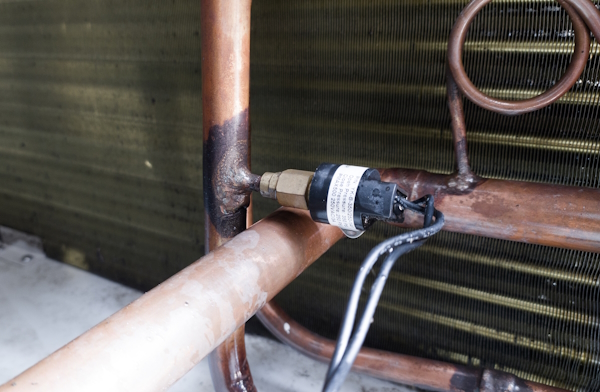
Start by finding the high pressure switch on the AC unit. It usually sits near the compressor or on the high-pressure line. Look for a small device with electrical wires connected. Check the unit’s manual if you have trouble locating it. Knowing its exact position makes testing faster and easier.
Ensuring Safety Precautions
Safety comes first before any testing. Turn off the AC power at the breaker box. Use insulated tools to avoid electric shock. Wear gloves and eye protection to stay safe. Work in a dry area to prevent accidents. Double-check power is off by testing with your multimeter. This step protects you from injury and damage to the unit.
Credit: tameson.com
Testing Procedure
Testing the AC high pressure switch is important to ensure the air conditioner works safely. The testing procedure uses a multimeter to check the switch’s function. This process helps find any faults early. Follow these steps carefully to get accurate results.
Setting The Multimeter
First, turn on the multimeter. Set it to the continuity or ohms mode. Continuity mode checks if the circuit is complete. Ohms mode measures resistance. Use the mode that fits your test type. Attach the probes to the multimeter correctly. Black to the common port, red to the voltage/resistance port.
Checking Continuity
Disconnect the switch from the AC unit. Touch the multimeter probes to the switch terminals. Listen for a beep or look for zero resistance. A beep or low resistance means continuity is good. No beep or infinite resistance shows a broken switch. This means the switch may need replacement.
Measuring Resistance
Set the multimeter to the resistance mode if not already done. Place the probes on the switch terminals again. Note the resistance reading on the display. A normal switch has low resistance, usually near zero. High or infinite resistance suggests a bad switch. Compare readings with the manufacturer’s specifications for accuracy.
Interpreting Multimeter Results
After testing the AC high pressure switch with a multimeter, understanding the results is key. The multimeter shows numbers that tell if the switch works well or not. Knowing how to read these numbers helps decide if the switch needs fixing or replacing.
Normal Reading Ranges
A good AC high pressure switch usually shows specific values on the multimeter. When the system is off, the multimeter should show infinite resistance or “open” circuit. This means the switch is not letting current pass through, which is normal.
When the pressure reaches the set limit, the switch should close. The multimeter then shows zero or near zero ohms, meaning a “closed” circuit. This indicates the switch is working properly and responding to pressure changes.
Signs Of A Faulty Switch
If the multimeter reads zero ohms all the time, the switch might be stuck closed. This can cause the AC to stop working or run continuously. On the other hand, if the multimeter always shows infinite resistance, the switch could be stuck open and not closing at high pressure.
Fluctuating or unstable readings also suggest a problem. The switch might have a loose connection or internal damage. Such issues can lead to inaccurate pressure control and system failure.
Troubleshooting Common Issues
Troubleshooting common issues with an AC high pressure switch can save time and money. Many problems arise from simple causes that you can fix yourself. Testing the switch with a multimeter often reveals the source of trouble. Understanding how to read the results is key to solving the issue effectively.
Dealing With Inconsistent Readings
Inconsistent multimeter readings often confuse users. Check the multimeter settings first. Make sure the device is on the correct mode for testing resistance or continuity. Loose connections between the multimeter probes and the switch terminals can cause fluctuating readings. Ensure the probes touch the contacts firmly without slipping.
Electrical noise from other devices nearby may affect the readings. Try testing in a quieter environment. Sometimes, the switch itself has internal faults causing erratic results. Test the switch multiple times to confirm the inconsistency before deciding on replacement.
When To Replace The Switch
Replace the high pressure switch if it shows no continuity at any pressure level. A switch stuck in open or closed position can damage the AC system. Frequent tripping without pressure changes also signals a bad switch. Physical damage such as cracks or corrosion on the switch body requires replacement. Regular failures or unreliable readings suggest the switch is worn out and needs changing.
Preventive Maintenance Tips
Preventive maintenance helps keep your AC system running smoothly. It avoids costly repairs and extends the life of your unit. Testing the high pressure switch regularly ensures it works correctly. Small steps in maintenance can prevent big problems later.
Regular Testing Schedule
Set a routine for testing the AC high pressure switch with a multimeter. Check it at least twice a year, ideally before summer and winter. Regular tests catch issues early. It helps maintain system efficiency and prevents sudden breakdowns.
Keeping Ac Components Clean
Clean AC parts regularly to avoid dust buildup. Dust and dirt can cause the high pressure switch to malfunction. Use a soft cloth or brush to clean coils and other components. Clean parts improve airflow and switch performance.

Credit: www.youtube.com
Credit: tameson.com
Frequently Asked Questions
How Do I Test An Ac High Pressure Switch?
To test the AC high pressure switch, disconnect the switch from the system. Set your multimeter to continuity mode. Place the probes on the switch terminals. If the multimeter beeps or shows zero resistance, the switch is good. No beep means the switch is faulty.
What Multimeter Setting Is Best For Pressure Switch Testing?
Use the continuity or ohms setting on your multimeter. Continuity mode checks if the switch circuit is complete. Ohms mode measures resistance and helps identify switch faults. Both settings provide accurate results for testing AC high pressure switches.
When Should I Test The Ac High Pressure Switch?
Test the AC high pressure switch if your system stops cooling or frequently shuts off. It is also necessary after replacing refrigerant or if you notice pressure-related issues. Early testing prevents system damage and ensures proper operation.
Can A Faulty High Pressure Switch Damage The Ac System?
Yes, a faulty high pressure switch can cause system shutdowns or compressor damage. It protects the AC by stopping operation under unsafe pressure. Regular testing ensures it functions properly and prevents costly repairs.
Conclusion
Testing an AC high pressure switch with a multimeter is simple. Follow each step carefully and stay safe. Checking the switch helps find AC problems fast. Use the multimeter to see if the switch works well. This keeps your AC running smoothly and saves money.
Regular tests stop bigger issues later on. Now you can handle this task with confidence and ease.