When you need to check for live wires quickly and safely, choosing the right non-contact voltage tester is crucial. You want a tool that is reliable, easy to use, and accurate every time.
That’s where Fluke and Klein come into the picture—two top brands that promise to keep you safe and get the job done right. But which one fits your needs better? You’ll discover the key differences between Fluke and Klein non-contact voltage testers, so you can make a smart choice without any guesswork.
Stay with me, and by the end, you’ll know exactly which tester is the best match for your work and peace of mind.

Credit: www.reddit.com
Key Features Comparison
The key features of Fluke and Klein non-contact voltage testers help users choose the best tool. Each model has unique strengths. Comparing them side by side shows their differences clearly.
Design And Build Quality
Fluke testers have a sturdy, ergonomic design. They feel solid in hand and fit well. Klein models are lightweight and compact. Both brands focus on durability. Fluke uses high-quality plastic for long-term use. Klein offers rubberized grips for better control.
Voltage Detection Range
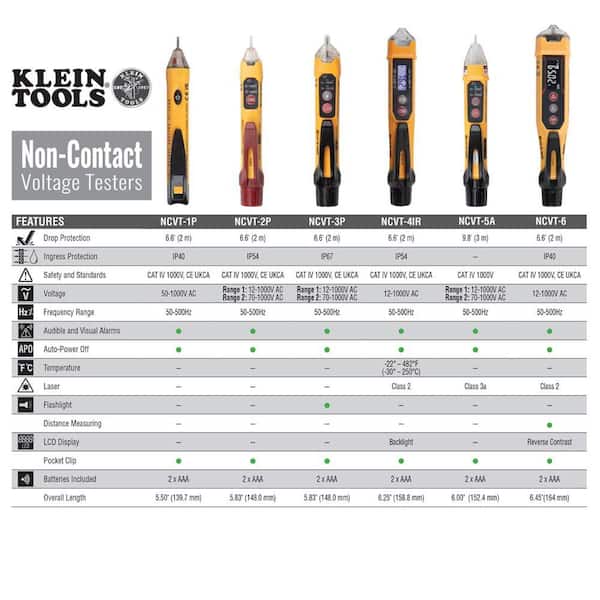
Fluke testers detect voltage from 12 to 1000 volts. This wide range suits many tasks. Klein testers detect from 50 to 1000 volts. Fluke covers lower voltage better. Klein works well for standard electrical work.
Sensitivity And Accuracy
Fluke offers high sensitivity with fewer false alarms. It detects even small voltage changes. Klein testers are reliable but less sensitive at low voltages. Both provide accurate readings for safe work. Fluke edges ahead in precision.
Display And Indicators
Fluke features bright LED lights and audible alarms. Some models include a digital display for voltage levels. Klein uses LED lights and sound signals too. Fluke’s display makes it easier to read results. Klein keeps it simple and clear.
Battery Life And Power Source
Fluke testers use standard AAA batteries lasting many hours. Battery replacement is easy. Klein models also use AAA batteries. Battery life is good but shorter than Fluke. Both brands warn users when batteries run low.
Performance In Real-world Use
Performance in real-world use is key for any non-contact voltage tester. Both Fluke and Klein models aim to deliver accurate and fast detection. This section covers how these testers perform under everyday conditions. It looks at speed, environment handling, durability, and user-friendliness. Understanding these factors helps pick the right tool for daily electrical tasks.
Response Time
Fluke testers show quick response to live wires. The signal appears almost instantly. Klein models also respond fast but sometimes take a split second longer. Quick detection is crucial for safety and efficiency. Both brands perform well, but Fluke edges ahead slightly in speed.
Detection In Different Environments
Fluke testers detect voltage well in bright and dim light. They work indoors and outdoors without much issue. Klein testers also handle various environments but may struggle a little in very bright sunlight. Both models detect AC voltage through insulation, but Fluke holds a slight advantage in tricky lighting.
Durability And Reliability
Fluke testers are built tough for heavy use. They resist drops and rough handling better than most. Klein testers have solid construction but feel less rugged. Both brands are reliable for long-term use. Fluke is often preferred by professionals who need a tool that lasts.
User Experience And Ease Of Use
Fluke testers offer clear signals with bright lights and loud beeps. Their design fits comfortably in the hand. Klein testers are simple to operate but have fewer feedback options. Users find Fluke easier to read and use quickly. Both brands suit beginners and pros, but Fluke’s interface feels more polished.
Safety And Compliance
Safety and compliance are vital when choosing a non-contact voltage tester. These tools detect electrical voltage without touching wires. They protect users from electric shocks and other hazards. Both Fluke and Klein offer testers designed with safety in mind. Understanding their safety ratings, protective features, and compliance helps pick the right tool.
Safety Ratings And Certifications
Fluke and Klein testers carry important safety ratings. These ratings show how well the tool handles high voltage and rough conditions. Look for CAT III or CAT IV ratings. These categories mean the tool can work safely in industrial and residential environments. Both brands meet or exceed these safety standards. This ensures the tester can handle voltage spikes and surges.
Protective Features
Both testers include features to protect users. Insulated casings prevent accidental shocks. Bright LED indicators alert users to live voltage quickly. Some models have audible alarms for extra warning. The testers are built to resist drops and impacts. This prevents damage that could cause unsafe use. Klein and Fluke focus on user safety in their designs.
Compliance With Industry Standards
Compliance with industry standards means the testers are tested and approved. Both brands meet standards like IEC 61010 and UL. These ensure electrical safety and reliability. Compliance confirms the tools work correctly in various environments. It also means they pass strict quality controls. Choosing a tester that complies with standards reduces risk.
Credit: www.homedepot.com
Price And Value
Choosing between Fluke and Klein non-contact voltage testers involves more than features. Price and value play a big role. Understanding what you get for your money helps make a smart choice. This section breaks down the cost, warranty, and long-term value of both brands.
Cost Comparison
Fluke testers often come with a higher price tag. Their advanced technology and brand reputation add to the cost. Klein testers tend to be more affordable. They still offer reliable performance for basic tasks. The price difference can be significant for budget-conscious buyers.
Warranty And Support
Fluke provides strong warranty coverage. Their customer support is fast and helpful. Klein also offers good warranty terms. Their support is solid but may not be as extensive as Fluke’s. Both brands give peace of mind through warranty services.
Long-term Value
Fluke’s testers are built to last longer under heavy use. This durability can save money over time. Klein testers fit well for occasional use or lighter work. The right choice depends on how often you use the tool and the work conditions.
Which Tester Suits Your Needs
Choosing the right non-contact voltage tester depends on your specific needs. Both Fluke and Klein offer reliable tools, but each suits different users and tasks. Understanding the strengths of each tester helps you pick the best one for your work.
Consider your experience level and the tasks you perform. This will guide your choice between these two brands.
Best For Professionals
Fluke testers are known for high accuracy and durability. They offer advanced features that professionals trust. Their robust design handles tough job sites well. The precise readings help avoid costly mistakes. If you work daily with electrical systems, Fluke is a solid choice.
Best For Diy Enthusiasts
Klein voltage testers are user-friendly and affordable. They provide reliable performance for home projects. The simple design makes them easy to use for beginners. Klein testers often come with clear indicators and good battery life. They fit well in a home tool kit.
Choosing Based On Application
Consider what tasks you perform most. For heavy industrial work, Fluke’s accuracy and durability are crucial. For light electrical checks around the house, Klein offers good value. Also, think about the tester’s size and ease of use. Match the tool with your specific needs for best results.

Credit: www.youtube.com
Frequently Asked Questions
What Are The Main Differences Between Fluke And Klein Testers?
Fluke testers offer advanced features and higher sensitivity. Klein testers focus on affordability and durability. Both are reliable but serve different user needs.
Which Brand Provides Better Accuracy In Voltage Detection?
Fluke non-contact voltage testers are known for superior accuracy. Klein testers provide adequate accuracy for basic electrical tasks. Choose based on your precision needs.
Are Fluke And Klein Voltage Testers Safe For Home Use?
Yes, both brands meet safety standards for residential use. Fluke testers often include extra safety certifications. Klein models are suitable for general electrical work.
How Long Do Fluke And Klein Testers’ Batteries Last?
Fluke testers usually have longer battery life due to efficient design. Klein testers offer decent battery performance for everyday use. Battery life varies by model.
Conclusion
Choosing between Fluke and Klein voltage testers depends on your needs. Both brands offer reliable and safe tools for detecting voltage without contact. Fluke models tend to have advanced features and clear displays. Klein testers are often simpler and easy to use for beginners.
Consider your budget and work environment before deciding. Either way, these testers help keep you safe around electricity. Use them correctly for best results. Stay careful and always check twice before working on electrical circuits.