Are you confused about whether to use an AC or DC multimeter for your electrical projects? Understanding the difference between AC and DC measurements can save you time, money, and frustration.
Knowing which type of multimeter suits your needs helps you get accurate readings and keeps you safe while working. You’ll discover the key differences, how each multimeter works, and tips to choose the right one for your tasks. Keep reading, and you’ll feel confident handling any electrical measurement with ease.
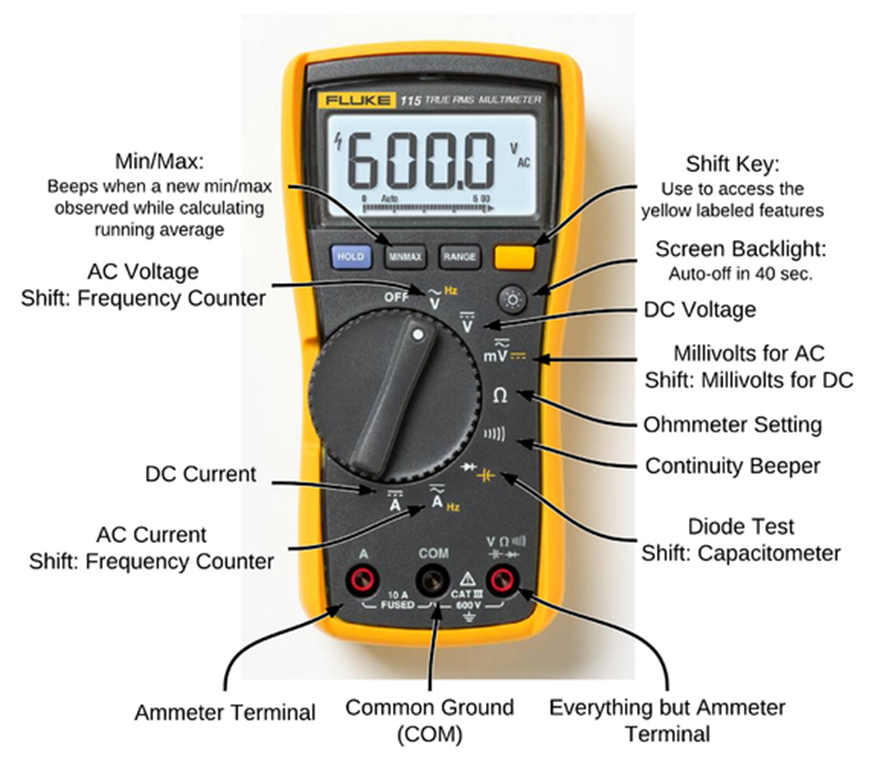
Credit: electricalnotebook.com
Ac And Dc Basics
Understanding the basics of AC and DC is important when using a multimeter. These two types of current behave differently and serve different purposes. Knowing how they work helps in choosing the right multimeter and using it correctly.
AC stands for alternating current. It changes direction many times per second. This type of current powers homes and offices. DC means direct current. It flows in one direction only. Batteries and solar panels usually provide DC power.
Key Differences
AC changes direction periodically. DC flows steadily in one direction.
AC voltage rises and falls in a wave pattern. DC voltage stays constant.
AC is used for long-distance power transmission. DC is common in small electronic devices.
Multimeters measure AC and DC differently. They have specific settings for each type.
Common Applications
AC multimeters test household wiring, outlets, and appliances.
DC multimeters check batteries, solar panels, and electronic circuits.
Electricians use AC settings to find power issues in buildings.
Technicians use DC settings to test gadgets and car batteries.
Multimeter Types
Multimeters are essential tools for measuring electrical values like voltage, current, and resistance. They come in different types, each suited for specific tasks. Understanding these types helps you choose the right multimeter for your needs.
Analog Vs Digital
Analog multimeters use a needle to show readings on a dial. They are simple and can detect small changes quickly. Some users prefer them for basic checks and quick estimates.
Digital multimeters (DMMs) display readings as numbers on a screen. They are more accurate and easier to read. Digital meters often include extra features like auto-ranging and data hold.
Specialized Meters
Specialized multimeters target specific measurements. For example, clamp meters measure current without touching wires. They are great for safety and convenience.
Other types include insulation testers and milliohm meters. These tools help with advanced tasks in industry and repair work. Choosing a specialized meter depends on your exact measurement needs.
Measuring Ac Voltage
Measuring AC voltage is a basic task for anyone using an AC/DC multimeter. It helps to check power outlets, wires, and electrical devices. This measurement shows how much electrical energy flows in a circuit. Understanding this is key for safety and device performance.
Selecting The Right Setting
Turn the multimeter dial to the AC voltage (V~) mode. This setting reads the alternating current voltage. Choose a range higher than the expected voltage. For example, for household power, select 200V or 600V. This avoids damaging the meter or getting inaccurate results. Always start with the highest range if unsure.
Common Challenges
One challenge is getting a stable reading. The needle or digits may jump due to interference. Hold the probes steady and avoid touching metal parts. Another issue is the wrong range setting. Too low a range can blow the meter fuse. Also, faulty or loose probes cause errors. Check the meter and probes before measuring. Safety is crucial; never touch live wires directly.
Measuring Dc Voltage
Measuring DC voltage is a common task for many electrical projects. A multimeter helps check the voltage in batteries, circuits, and power supplies. Understanding how to use the meter correctly ensures accurate readings. It also helps prevent damage to the meter or the device being tested.
DC voltage means direct current voltage. It flows in one direction only. This is different from AC voltage, which changes direction. Knowing this difference is important when using a multimeter.
Proper Meter Configuration
Set the multimeter to the DC voltage mode. This is often marked as “V” with a straight line. Make sure the range is higher than the voltage you expect to measure. For example, use the 20V setting for a 12V battery. Connect the red probe to the positive terminal. Connect the black probe to the negative terminal or ground.
Check the meter display for a steady reading. If the reading is unstable, adjust the range to a higher setting. Avoid using the AC voltage mode for DC measurements. It can give incorrect results or damage the meter.
Avoiding Common Errors
Do not touch the metal part of the probes during measurement. This can cause inaccurate readings or electric shock. Always connect probes to the correct terminals on the multimeter. The red probe goes to the voltage or positive terminal. The black probe goes to the common or ground terminal.
Never measure voltage on a live circuit with the meter set to resistance or current mode. This can harm the meter and the circuit. Double-check connections before turning on the power. Keep the probes steady and avoid moving them during the test.
Accuracy Factors
Accuracy is key when using an AC vs DC multimeter. Several factors influence how precise your measurements are. Understanding these helps you get better results and trust your readings.
Meter Quality
The quality of the multimeter plays a big role in accuracy. Cheaper meters may have less precise components. High-quality meters use better parts and strict testing. This ensures stable and reliable measurements.
Look for meters with a good accuracy rating. Digital meters often provide more exact readings than analog ones. Also, consider meters with calibration certificates for guaranteed accuracy.
Environmental Influences
Temperature and humidity affect multimeter accuracy. Extreme heat or cold can change how parts work. Moisture can cause short circuits or false readings. Always use meters in recommended conditions.
Electromagnetic interference from nearby devices can distort measurements. Keep the meter away from strong magnetic fields or power lines. This reduces noise and improves reading precision.
User Techniques
How you use the multimeter matters a lot. Proper connection to the test points avoids errors. Hold probes steady and avoid loose contacts.
Choose the correct measurement mode (AC or DC) before testing. Read the manual to understand each function. Regularly calibrate your meter to maintain accuracy.
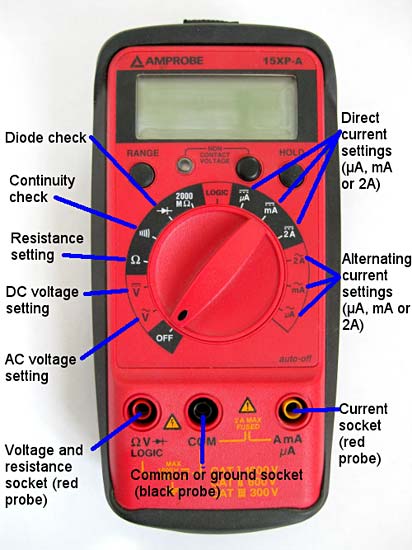
Credit: www.sciencebuddies.org
Safety Tips
Using an AC vs DC multimeter safely is important to avoid accidents. These tools measure electrical values, but wrong use can cause harm. Follow simple safety tips to protect yourself and your device.
Handling High Voltage
High voltage can be dangerous. Always check the multimeter’s voltage rating before use. Never test circuits beyond this limit. Use insulated gloves to avoid electric shocks. Keep your hands dry and steady while measuring. Stay alert and do not rush. Turn off power when possible before testing.
Preventing Damage
Use the correct setting on the multimeter for AC or DC measurements. Incorrect settings can damage the meter. Avoid dropping the device or exposing it to water. Store it in a safe, dry place after use. Replace worn or broken test leads immediately. Regularly check the battery to keep the meter working well.
Troubleshooting Tips
Troubleshooting with an AC vs DC multimeter can be simple with the right tips. Understanding the device helps avoid mistakes. Knowing what the readings mean and how to fix common problems saves time and effort. Here are some useful tips for troubleshooting your multimeter effectively.
Interpreting Readings
Check the dial setting before measuring. AC voltage and DC voltage have different modes. Wrong settings give wrong numbers. Readings show voltage, current, or resistance. Look for steady numbers, not flickering values. Fluctuations may mean a bad connection or unstable power. Zero or very low readings may mean no power or a broken circuit. High readings might signal a short or overload. Always compare the reading with the expected value for your device or circuit.
Common Issues And Fixes
Multimeter shows no reading? Check if the battery is dead. Replace it if needed. Loose test leads cause errors. Tighten connections or change leads. Fuse inside the multimeter might blow. Replace it carefully with the correct type. If the display is dim or unclear, clean the screen. Sometimes, dirt or moisture blocks the view. Incorrect readings can happen from damaged probes. Inspect and replace faulty probes. Use the right measurement range to avoid overload. Reset the multimeter if it freezes or acts strangely.
Advanced Measurement Techniques
Advanced measurement techniques enhance the use of AC vs DC multimeters. These methods help users get accurate results in various situations. They also save time and effort. Understanding these techniques makes multimeter use more effective and practical.
Using Clamp Meters
Clamp meters measure current without touching wires. They work by clamping around a conductor. This method avoids breaking the circuit. Clamp meters are ideal for high current readings. They also improve safety during measurements.
These meters work with both AC and DC currents. The clamp senses magnetic fields around the conductor. The multimeter then converts this data into current values. This technique allows quick checks on live circuits without disconnecting.
Data Logging Features
Data logging saves measurement results over time. This feature helps track changes in electrical parameters. Users can analyze trends and detect faults early. Many modern multimeters have built-in memory for this purpose.
Data logging is useful in long-term tests. It records voltage, current, and resistance values automatically. This helps technicians review data without manual notes. The process increases accuracy and reduces human error.
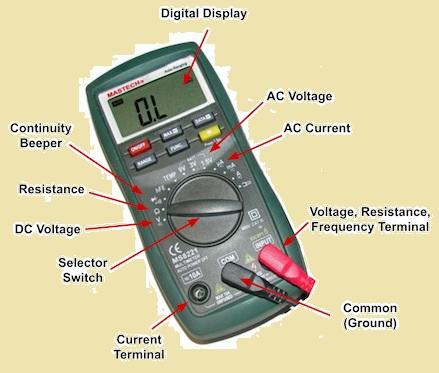
Credit: www.nextpcb.com
Frequently Asked Questions
What Is The Difference Between Ac And Dc Multimeters?
AC multimeters measure alternating current voltage or current, while DC multimeters measure direct current voltage or current. Both types help test electrical circuits but are designed for different current types.
How Do I Use A Multimeter To Measure Ac Voltage?
Set the multimeter to AC voltage mode, connect the probes to the circuit, and read the displayed voltage. Ensure proper safety precautions while testing AC circuits.
Can A Multimeter Measure Both Ac And Dc Currents?
Yes, many multimeters have settings to measure both AC and DC currents. Always select the correct mode before taking measurements to avoid errors.
Why Is It Important To Know Ac Vs Dc In Multimeter Use?
Using the wrong mode can damage the multimeter or give inaccurate readings. Knowing AC vs DC ensures safe and precise electrical measurements.
Conclusion
Choosing between an AC and DC multimeter depends on your needs. AC multimeters measure alternating current, common in homes and offices. DC multimeters check direct current, used in batteries and electronics. Both tools help find electrical problems safely and quickly.
Understanding their differences makes your work easier and more accurate. Keep this guide handy for your next project. Simple tools, clear results.