Are you confused about choosing between an analog and a digital multimeter? You’re not alone.
Both tools can measure electrical values, but they work very differently. Understanding these differences can save you time, money, and frustration. You’ll discover which multimeter suits your needs best, how each one works, and the pros and cons of both.
By the end, you’ll feel confident making the right choice for your projects. Keep reading to find out which multimeter is the perfect fit for you.
Basics Of Multimeters
Multimeters are essential tools for measuring electrical values. They help check voltage, current, and resistance. Two main types exist: analog and digital multimeters. Each serves the same purpose but works differently. Understanding their basics helps you choose the right one for your needs.
What Is An Analog Multimeter
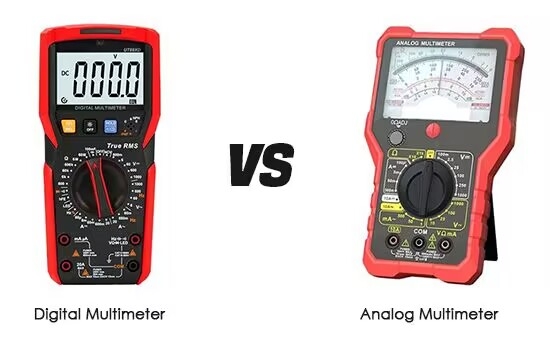
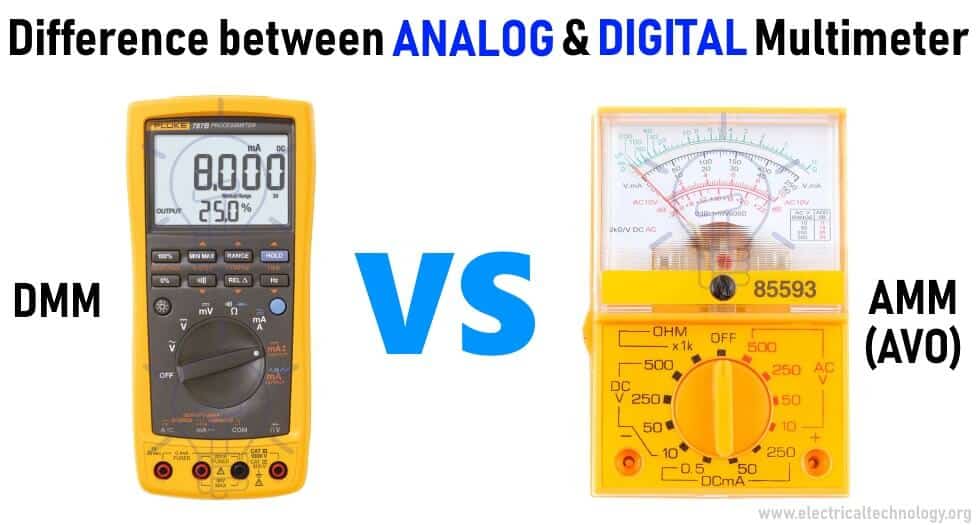
An analog multimeter uses a needle to show readings on a dial. The needle moves across a scale based on the electrical value. It relies on a moving coil and magnetic field to detect current. Analog meters give a continuous range of readings. They are simple and durable but less precise than digital ones.
What Is A Digital Multimeter
A digital multimeter displays measurements as numbers on a screen. It converts electrical signals into digital data. Digital meters offer higher accuracy and easier reading. They often include extra features like auto-ranging and data hold. Most users prefer digital multimeters for everyday tasks.
Core Components And Functions
Both multimeters have key parts: probes, display, selector switch, and internal circuitry. Probes touch the points to measure voltage, current, or resistance. The selector switch sets the measurement type and range. The display shows the results clearly. Internal circuits process the electrical signals to give accurate values.
Design And Display Differences
The design and display of multimeters greatly affect how users read and interpret measurements. Analog and digital multimeters show results in different ways. This difference impacts ease of use, accuracy, and durability. Understanding these variations helps choose the right tool for any task.
Analog Needle Vs Digital Screen
Analog multimeters use a moving needle on a scale to show values. The needle swings to point at the measurement. Digital multimeters display numbers on an LCD screen. This shows exact values directly. The needle gives a quick sense of change. The digital screen gives a clear, direct reading.
Readability And Precision
Analog meters are harder to read precisely. The needle position can be tricky to judge exactly. Small changes may be missed or guessed. Digital meters show exact numbers. This makes reading very clear and precise. Digital displays reduce errors in measurement reading. Numbers on screen are easy to understand.
Durability And Build
Analog meters have fewer electronic parts. This can make them more rugged in some cases. The needle and dial are mechanical. Digital meters rely on electronic circuits and screens. They may be sensitive to drops or moisture. Both types are built to last. But usage environment affects their durability.
Measurement Capabilities
Measurement capabilities are key when choosing between analog and digital multimeters. Both types measure electrical values but differ in precision and ease of use. Understanding their strengths helps pick the right tool for your needs.
Each multimeter type handles basic tests like voltage and current, but the way they display results varies. Some models offer extra features that can be very useful in specific situations. Let’s explore the main measurement functions.
Voltage And Current Testing
Analog multimeters show voltage and current using a moving needle on a scale. This gives a quick visual of changes but can be hard to read precisely. Digital multimeters display exact numbers on a screen. This makes it easier to get accurate readings fast. Digital meters also handle low and high voltages better.
Resistance Measurement
Both analog and digital multimeters measure resistance to check components and circuits. Analog meters show resistance as a needle deflection, which might be less clear. Digital meters provide a clear numeric value, making it simpler to identify problems. Digital models often measure a wider range of resistance levels.
Additional Features And Modes
Digital multimeters often include extra features like diode testing, continuity checks, and capacitance measurement. These features help diagnose complex electrical issues. Analog meters usually focus on basic measurements and lack these modes. Digital meters may also have auto-ranging, which sets the correct measurement scale automatically.
Credit: www.sisco.com
Accuracy And Reliability
Accuracy and reliability are key when choosing between analog and digital multimeters. Precise readings ensure safety and proper diagnosis. Reliability means consistent performance over time. Both types have strengths and weaknesses in these areas.
Factors Affecting Accuracy
Analog multimeters rely on moving needles. This can cause small reading errors due to parallax. Digital multimeters use digital displays for clear results. Accuracy depends on the quality of internal components. Low-cost meters may show less precise readings. High-end models provide better accuracy and resolution.
Calibration And Maintenance
Regular calibration keeps multimeters accurate. Analog meters need mechanical adjustments to maintain precision. Digital meters require software updates and calibration checks. Neglecting maintenance can lead to wrong readings. Calibration should follow the manufacturer’s guidelines strictly. Proper care extends the tool’s lifespan and accuracy.
Impact Of Environmental Conditions
Temperature and humidity affect multimeter accuracy. Analog meters can be more sensitive to temperature changes. Digital meters often have built-in compensation for environment shifts. Dust and moisture may damage internal parts. Store multimeters in dry, clean places to protect them. Avoid extreme conditions for consistent performance.
Ease Of Use And Handling
Ease of use and handling are crucial when choosing between analog and digital multimeters. A tool that feels right in your hands makes tasks faster and less frustrating. This section explores how these two types compare in user interface, portability, and learning curve.
User Interface And Controls
Analog multimeters have a simple dial and needle display. The needle moves to show readings on a scale. Some find this old-school style harder to read. Digital multimeters use a screen that shows numbers clearly. Buttons and switches on digital meters allow quick mode changes. This clarity often helps users avoid mistakes. Digital controls are usually more intuitive.
Portability And Size
Analog multimeters tend to be bulkier and heavier. Their mechanical parts add to the weight. Digital multimeters are generally lighter and smaller. Compact digital meters fit easily in pockets or tool bags. This makes digital meters better for fieldwork. Portability matters when you carry tools all day. Smaller size also improves handling during delicate tasks.
Learning Curve For Beginners
Analog multimeters require understanding needle movement and scale reading. Beginners may struggle to interpret needle position accurately. Digital multimeters show exact numbers, reducing guesswork. This makes digital meters easier for beginners to use. Digital models often include extra features like auto-ranging. Such features simplify the learning process. Beginners gain confidence faster with digital tools.

Credit: www.ic-components.com
Applications And Use Cases
Multimeters are essential tools for measuring electrical values like voltage, current, and resistance. Both analog and digital multimeters have specific roles in different tasks. Understanding their applications helps users choose the right tool for their needs.
Home And Hobbyist Use
Analog multimeters suit simple home tasks well. They provide quick readings and show trends with a moving needle. Hobbyists often use them for basic electronics projects and checking batteries.
Digital multimeters offer precise measurements and easy-to-read displays. Home users find them helpful for troubleshooting appliances and fixing small circuits. Their accuracy helps avoid mistakes in repairs.
Professional And Industrial Use
Professionals prefer digital multimeters for their accuracy and multiple functions. These meters handle complex measurements in industrial environments. They support data logging and can measure frequency or capacitance.
Analog meters still find use in certain fields due to their ability to show gradual changes. Some technicians rely on them for monitoring fluctuating signals in equipment.
Specialized Testing Scenarios
Specialized tests often require digital multimeters with advanced features. For example, they measure temperature or test semiconductor components. Their ability to store data aids in detailed analysis.
Analog multimeters excel in scenarios where signal trends matter more than exact numbers. This makes them useful in audio testing and some automotive diagnostics. Each type has unique strengths for specific tasks.
Cost And Value Comparison
Cost and value play a big role when choosing between analog and digital multimeters. Both types offer different benefits at various price points. Understanding their cost can help pick the best tool for your needs and budget.
Price Ranges
Analog multimeters usually cost less. Basic models start very affordable. They have fewer features but handle simple tasks well. Digital multimeters tend to be pricier. Entry-level digital meters are still affordable. Advanced models with many features cost more.
Long-term Investment
Digital multimeters last longer with proper care. They provide precise readings, reducing errors. This saves money on repairs and mistakes. Analog meters may wear out faster. They need more maintenance. Still, some prefer their durability and simplicity.
Choosing Based On Budget
Set a clear budget before buying. For light use, a basic analog meter might work fine. For detailed measurements, digital meters offer more value. Balance price with features needed. Choose the meter that fits your tasks and budget best.
Pros And Cons Summary
The choice between analog and digital multimeters depends on your needs. Each type has distinct strengths and weaknesses. Understanding these helps you pick the right tool for your tasks.
Advantages Of Analog Multimeters
Analog multimeters provide smooth, continuous readings. They show trends and changes clearly on the needle scale. They do not need batteries for voltage or current measurement. These meters are simple and durable. They work well in rough environments. You can quickly spot fluctuating signals with analog meters.
Advantages Of Digital Multimeters
Digital multimeters offer precise numeric readings. They are easy to read, even in low light. Many models include features like auto-ranging and data hold. They measure voltage, current, resistance, and more with accuracy. Digital meters often have better safety ratings. They are good for detailed and exact measurements.
Limitations Of Each Type
Analog meters can be hard to read quickly. They may lose accuracy over time. Parallax errors happen if you do not view straight-on. Digital meters need batteries to work. They can be more fragile than analog meters. Sometimes digital screens can be hard to see in bright light. Both types have limits in measurement range and precision.
Making The Right Choice
Choosing between an analog and digital multimeter can feel tricky. Each type has its strengths and fits different needs. Understanding these can help you pick the right tool for your tasks. This section breaks down key points to consider before making your choice.
Assessing Your Testing Needs
Think about what you will test most often. Analog meters show readings with a moving needle. This can help with watching slow changes or trends. Digital meters give precise numbers and are easier to read quickly. For simple home repairs, a digital multimeter works well. For electronics hobbyists who track small changes, analog meters may be better.
Balancing Features And Price
Digital multimeters usually have more features like auto-ranging and data hold. These add convenience but can raise the price. Analog meters tend to be simpler and less costly. Decide which features you truly need. Spending more does not always mean better for your specific tasks. Pick a model that matches your budget and test needs.
Tips For First-time Buyers
Start with a basic digital multimeter for ease of use. Check the display size and button layout for comfort. Look for safety ratings if you test electrical circuits. Read reviews to find reliable brands. Avoid models with too many confusing features. A simple, sturdy meter helps you learn quickly and test safely.
Credit: www.electricaltechnology.org
Frequently Asked Questions
What Is The Main Difference Between Analog And Digital Multimeters?
Analog multimeters use a needle to display readings, while digital multimeters show numeric values on a screen. Digital versions are more accurate and easier to read, making them popular for precise measurements.
Which Multimeter Is Better For Beginners, Analog Or Digital?
Digital multimeters are better for beginners because they provide clear numeric readings. Analog meters require interpretation of needle position, which can be confusing for new users.
Can Analog Multimeters Measure Voltage And Current Accurately?
Analog multimeters can measure voltage and current but are less precise than digital multimeters. They are suitable for general use but not for highly accurate measurements.
Are Digital Multimeters More Durable Than Analog Ones?
Digital multimeters are generally more durable due to solid-state components. Analog multimeters have mechanical parts that can wear out or get damaged easily.
Conclusion
Choosing between analog and digital multimeters depends on your needs. Analog meters show readings with a moving needle, which some find easier to see changes. Digital meters give exact numbers, making them good for precise work. Both types have strengths and weaknesses.
Consider what you will measure and how often. A simple, reliable meter suits beginners. Experts may prefer more features. The right tool helps you test electrical parts safely and correctly. Keep your choice practical and based on your tasks. This way, you get the best results every time.