
Toner Probe Vs Cable Tester: What’s the Difference and Which Should You Use?
Imagine you’re working with network cables, phone lines, or electrical wiring. Finding faults, tracing cables, or checking connections can be tricky. Two tools that help are the toner probe and the cable tester. Both are common for technicians, electricians, and IT professionals, but they serve different jobs. Choosing the right tool can save time, prevent mistakes, and make your work safer.
Let’s dive deep into how these tools work, their main differences, and when to use each. Whether you’re new to cable work or want to improve your skills, this guide will help you make smart choices.
What Is A Toner Probe?
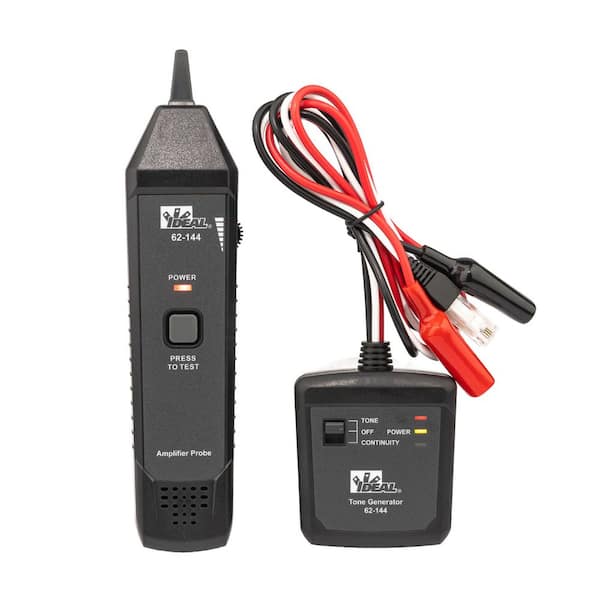
A toner probe is a tool used to trace cables and wires. It has two parts: a tone generator and a probe. The tone generator sends a signal into a cable. The probe detects that signal, allowing you to find the cable’s path.
How Toner Probe Works
The tone generator connects to one end of the cable. It sends out a sound signal (often called a “tone”). The probe is moved along cables, walls, or panels. When it’s near the right cable, it picks up the sound.
The technician hears the tone through the probe’s speaker.
This makes toner probes ideal for:
- Identifying cables in bundles
- Locating wires behind walls
- Tracing phone lines
Real-world Example
Suppose you need to find which wire in a panel connects to a phone jack. You attach the tone generator to the jack, then use the probe to scan wires in the panel. The probe beeps when you’re near the right wire.
Key Features
- Works on unpowered cables (not live)
- Audible tone for easy identification
- Simple to use for tracing cables
What Is A Cable Tester?
A cable tester is designed to check the health and connectivity of cables. It tells you if the cable is wired correctly and if all wires inside are working. Cable testers are used for data, network, and electrical cables.
How Cable Tester Works
Cable testers usually have two units: a main unit and a remote. You plug one end of the cable into the main unit, the other into the remote. The tester sends signals through each wire. It checks if signals go through correctly.
Cable testers are best for:
- Checking if cables are wired properly
- Testing for breaks, shorts, or miswiring
- Troubleshooting network problems
Real-world Example
Imagine you install a new Ethernet cable for a computer network. You use a cable tester to check if all eight wires inside the cable connect as they should. If any wire is broken or crossed, the tester shows the error.
Key Features
- Works on both powered and unpowered cables
- Shows wiring errors and faults
- Often displays results with lights or screens
Credit: www.homedepot.com
Toner Probe Vs Cable Tester: Key Differences
Understanding the main differences helps you choose the right tool. Here is a quick comparison:
| Feature | Toner Probe | Cable Tester |
|---|---|---|
| Main Function | Tracing cables | Testing cable health |
| Use Case | Find cable location | Check wiring & faults |
| Signal Type | Audible tone | LEDs or screen |
| Works on Live Cables | No | Yes (some models) |
| Accuracy | Medium | High |
| Skill Level Needed | Beginner | Beginner to expert |
| Price Range | $20–$80 | $30–$500+ |
When Should You Use A Toner Probe?
A toner probe is best when you need to:
- Trace cable paths: If you don’t know where a cable runs, the toner probe helps you follow it.
- Find cables in bundles: In crowded panels, it’s easy to lose track. The probe makes identification simple.
- Locate hidden cables: Behind walls or ceilings, the probe can detect the tone without seeing the cable.
- Work with phone lines: Toner probes are very common for telephone and low-voltage cables.
Tips For Using Toner Probes
- Make sure the cable is not live. Toner probes may not work well with powered cables.
- Some probes can pick up stray signals or interference. Move slowly and listen for the strongest tone.
- For old cables, tone may not travel far. Attach the generator as close as possible.

Credit: www.noyafa.com
When Should You Use A Cable Tester?
A cable tester is ideal for:
- Checking cable health: After installation, you want to be sure every wire is working.
- Testing for errors: Find broken wires, shorts, or crossed pairs.
- Certifying networks: For professional jobs, testers provide proof the cable is installed correctly.
- Troubleshooting network issues: If a computer or device isn’t connecting, a tester finds wiring problems fast.
Tips For Using Cable Testers
- Match the tester to your cable type: Ethernet, coax, or phone.
- Some testers require both ends to be accessible. Plan your testing before closing walls or panels.
- Higher-end testers show detailed results, including length and signal quality.
Common Mistakes Beginners Make
Many people confuse toner probes and cable testers. Here are mistakes to avoid:
- Using the wrong tool: Trying to test cable health with a toner probe will not give accurate results. Tracing cables with a cable tester is slow and not practical.
- Testing live cables with a toner probe: This can damage the tool or give false signals.
- Ignoring cable type: Not all testers work on all cable types. Check the specs before buying or using.
- Assuming a cable is good because it’s found: Just tracing a cable doesn’t check if it’s wired correctly. Always test after tracing.
How To Choose Between Toner Probe And Cable Tester
Picking the right tool depends on your task. Here’s a simple guide:
| Task | Tool Needed | Why |
|---|---|---|
| Tracing cables in walls | Toner Probe | Follows cable path with audible tone |
| Finding wiring faults | Cable Tester | Checks each wire for problems |
| Certifying new installations | Cable Tester | Provides proof of correct wiring |
| Identifying cables in bundles | Toner Probe | Quickly locates the correct cable |
| Troubleshooting network issues | Cable Tester | Pinpoints wiring errors |
Toner Probe And Cable Tester: Buying Advice
When shopping for these tools, consider:
- Cable compatibility: Ensure the tool matches your cable type (Ethernet, coax, phone).
- Features: Some toner probes have adjustable tone frequency. Cable testers may offer advanced diagnostics.
- Budget: Toner probes are usually cheaper. Professional cable testers can cost much more.
- Ease of use: Look for clear instructions and simple displays.
- Durability: Tools used in the field need to be rugged.
Non-obvious Insights
- Not all toner probes are equal: Some cheaper models have weak signal detection. Investing in a mid-range probe improves reliability, especially in noisy environments.
- Cable testers can save hours: For larger projects, cable testers with automatic scanning and error reporting can reduce troubleshooting time by up to 80%.
Safety And Best Practices
Using these tools safely is important:
- Disconnect power: Always work on unpowered cables when using a toner probe.
- Read manuals: Follow instructions for both tools. Some testers can handle live cables, but many cannot.
- Label cables: After tracing or testing, label cables to avoid confusion in the future.
- Store tools properly: Protect probes and testers from moisture and drops.
Advanced Uses And Modern Trends
Today’s professional cable testers do much more than basic continuity checks. Many can measure signal loss, cable length, and even network speed. Some toner probes now offer digital detection, filtering out noise.
Smart testers connect to smartphones and record results. For large projects, this data helps with tracking and certification.
Example
A network installer uses a smart cable tester to check hundreds of cables. Results are stored digitally, allowing quick reports for clients. This improves trust and reduces errors.

Credit: www.noyafa.com
Toner Probe Vs Cable Tester: Quick Summary
- Toner Probe: Best for tracing and identifying cables. Simple, effective for finding wires.
- Cable Tester: Best for checking wiring quality and faults. Essential for network and electrical work.
Both tools are important for cable work. Knowing when and how to use each will make your projects smoother and safer.
For more in-depth technical information, you can visit Wikipedia’s Cable Testing page.
Frequently Asked Questions
What Cables Can Toner Probes Trace?
Toner probes can trace most low-voltage cables, like telephone wires, Ethernet, and alarm cables. They may struggle with shielded or very long cables.
Can Cable Testers Work On Live Cables?
Some cable testers are designed for live cables, but many are not. Always check your tester’s manual. Using a tester on powered cables without checking can damage the tool.
Do I Need Both Tools For Cable Installation?
Yes. Toner probes help you find cables, while cable testers check their health. Using both ensures cables are correctly installed and working.
How Much Do These Tools Cost?
Toner probes usually cost $20–$80. Basic cable testers start around $30, but advanced models can cost $500 or more, depending on features.
What’s The Most Common Mistake With These Tools?
Beginners often use a toner probe to check cable health or a cable tester to trace cables. Each tool is designed for a specific purpose, so use them correctly to avoid errors.
Having the right tools and knowledge will make your cable work faster, safer, and more reliable. Understanding the difference between toner probes and cable testers is a small step that leads to better results and fewer headaches.