Choosing the right multimeter can make a big difference in your work and results. You might be wondering whether a 4000 count or a 6000 count multimeter is the better choice for your needs.
This small number actually affects how precise and reliable your measurements will be. If you want to avoid mistakes and get the most accurate readings, understanding the difference between these two options is key. Keep reading, and you’ll discover which multimeter fits your tasks perfectly and helps you work smarter, not harder.
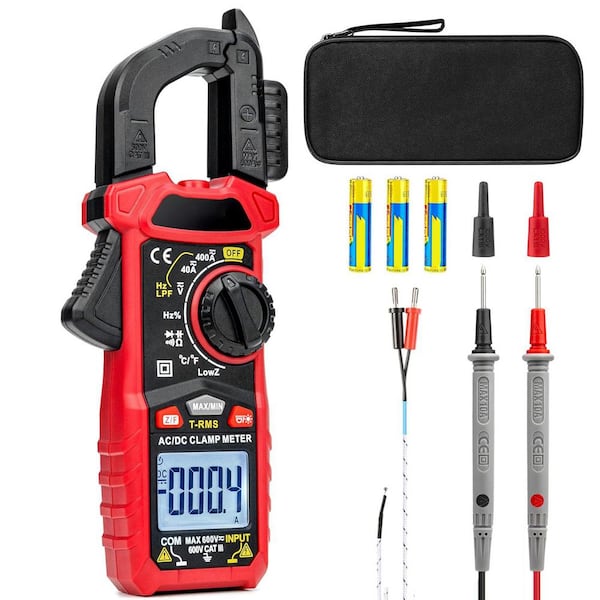
Credit: www.homedepot.com
Multimeter Counts Explained
Understanding multimeter counts helps you choose the right tool for measuring voltage, current, and resistance. The count shows the maximum number the display can show. It affects how precise and detailed your measurements will be.
Higher counts mean better resolution and more accuracy in readings. This is important for tasks needing exact data, like electronics repair or electrical work. Let’s break down what 4000 and 6000 counts mean for your multimeter.
What Does 4000 Count Mean
A 4000 count multimeter can show numbers up to 3999 on its screen. This means it can display four digits, but the highest number is just under 4000. It gives decent precision for many basic electrical tasks.
For example, if you measure 12.34 volts, the meter can show this clearly. It is good for everyday home use and simple projects. It also costs less, making it a popular choice for beginners and hobbyists.
What Does 6000 Count Mean
A 6000 count multimeter can display numbers up to 5999. This offers more detail and finer measurements than a 4000 count meter. It shows six digits with more precise readings for complex work.
This type is useful for professionals who need exact data. It helps find small changes in voltage or resistance more easily. The higher count improves confidence in your measurements and reduces errors.

Credit: www.youtube.com
Accuracy And Resolution
Accuracy and resolution are key features in any multimeter. They decide how well the device measures electrical values. Both affect your ability to trust the readings. Choosing between a 4000 and 6000 count multimeter depends on these factors. Understanding their impact helps select the right tool for your needs.
Impact Of Counts On Measurement Precision
Counts show the maximum number a multimeter can display. A 4000 count means it shows numbers up to 3999. A 6000 count goes up to 5999. More counts give finer measurement steps. This means you can see smaller changes in voltage or current. Higher counts improve precision in detailed work. For simple tasks, 4000 counts might be enough. For more exact work, 6000 counts offer better precision.
How Resolution Affects Readings
Resolution is the smallest value a meter can detect. Higher resolution means you see tiny differences in measurements. A 6000 count meter shows smaller changes than a 4000 count meter. This helps in tasks requiring exact values. Low resolution may hide small but important changes. High resolution gives clearer, more detailed readings. This makes troubleshooting and testing easier and more reliable.
Performance Comparison
The performance of a 4000 count multimeter differs noticeably from a 6000 count model. Both devices measure electrical values, but their precision and ability to handle different voltages vary. Understanding these differences helps in choosing the right tool for your needs.
Performance goes beyond just numbers. Accuracy, speed, and display clarity all play a role. Each type excels in specific tasks, making them better suited for certain jobs.
Handling Low Voltage Measurements
A 6000 count multimeter offers finer resolution for low voltage readings. It can detect smaller changes in voltage with better clarity. This makes it ideal for sensitive electronics and detailed diagnostics.
On the other hand, a 4000 count multimeter provides sufficient accuracy for general low voltage tasks. It shows fewer digits, which may miss subtle differences. Still, it works well for basic household and automotive uses.
Behavior In High Voltage Scenarios
Both multimeters handle high voltage safely, but their reading precision differs. The 6000 count model gives more detailed results, useful for troubleshooting and complex systems. It shows values in smaller increments.
The 4000 count multimeter performs reliably at high voltage too. Its readings are less precise but clear enough for most routine checks. It is a practical choice for electricians and hobbyists.
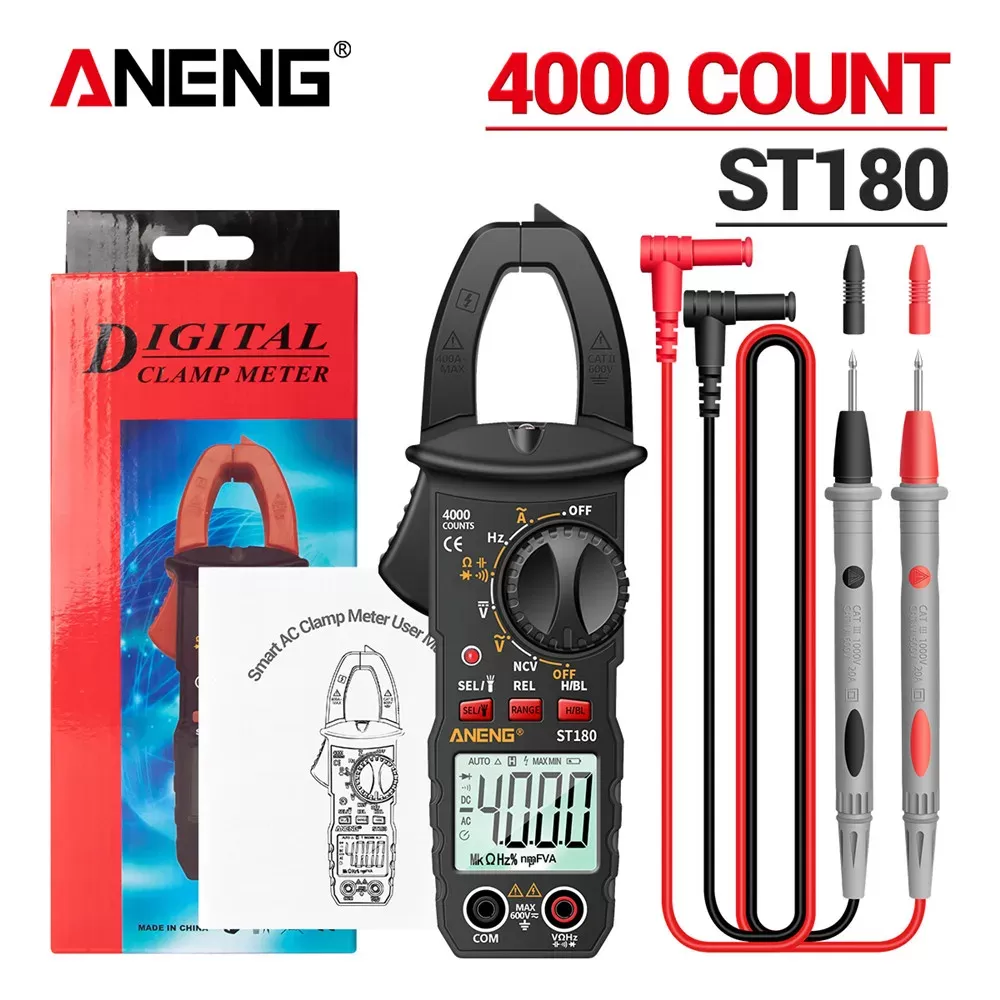
Credit: www.anengmultimeterstore.com
Use Case Scenarios
Choosing between a 4000 count and a 6000 count multimeter depends on the tasks you want to perform. Each meter type suits different needs and environments. Understanding their use case scenarios helps pick the right tool for your projects.
Best Applications For 4000 Count Meters
4000 count multimeters work well for basic household tasks. They measure voltage, current, and resistance with decent accuracy. These meters handle most DIY jobs and small electronics repairs easily.
They suit quick checks on batteries, outlets, and simple circuits. Their lower resolution is enough for everyday use. This makes them affordable and user-friendly for beginners and hobbyists.
Technicians who do routine maintenance find 4000 count meters useful. The readings are clear, and the device is easy to operate. It’s a reliable choice for general electrical troubleshooting.
Ideal Situations For 6000 Count Meters
6000 count multimeters offer higher resolution and precision. They are perfect for detailed electronic diagnostics and advanced projects. Experts use them to detect small changes in voltage or current.
These meters are common in labs and professional workshops. They help in testing sensitive components and complex circuits. The finer measurements improve troubleshooting accuracy.
Electronics engineers and technicians benefit from 6000 count meters. The extra digits provide more data to analyze. This supports better decision-making during repairs or development.
Cost And Value Factors
Cost and value play a big role when choosing between a 4000 count and a 6000 count multimeter. The price reflects the features and accuracy each model offers. Understanding these factors helps buyers decide which model suits their needs best.
Price Differences Between 4000 And 6000 Count
4000 count multimeters are usually cheaper than 6000 count models. The lower price comes with less precise readings and fewer features. These multimeters fit well for simple tasks and home use. 6000 count multimeters cost more due to better accuracy and advanced functions. This higher price suits users needing detailed measurements and professional work.
Assessing Value For Budget And Professional Users
Budget users find 4000 count multimeters valuable for everyday tasks. They get reliable results without spending too much money. Professionals benefit from 6000 count multimeters because of their accuracy and extra features. These tools help experts work faster and with better results. Choosing the right multimeter depends on the user’s goals and how much they want to spend.
Additional Features To Consider
Choosing between a 4000 and 6000 count multimeter involves more than just numbers. Extra features often affect how useful the tool is in daily tasks. These features can improve accuracy, ease of use, and the tool’s lifespan. Understanding what to look for helps you pick the right device.
Build Quality And Durability
Strong build quality ensures the multimeter lasts long. Look for models with sturdy casing that can resist drops. Rubber bumpers add extra protection against shocks. A clear, easy-to-read display matters, especially in bright or low light. Water and dust resistance ratings show how well the device works in tough environments. A well-built multimeter saves money by avoiding frequent replacements.
Extra Functionalities Beyond Counts
More counts do not always mean better performance. Check for features like auto-ranging, which adjusts the scale automatically. Backlit screens help read measurements in dark places. Some models include data hold, freezing the reading for easy note-taking. True RMS capability offers more precise readings on complex signals. Additional functions like temperature measurement or continuity testing add value to your tool.
Frequently Asked Questions
What Is The Difference Between 4000 And 6000 Count Multimeters?
The 4000 count multimeter displays up to 3999 readings, while the 6000 count shows up to 5999. Higher counts mean better resolution and more precise measurements, especially for low voltage or resistance values.
Which Multimeter Count Is Better For Electronics Work?
A 6000 count multimeter is generally better for electronics due to finer resolution. It provides more accurate readings for small signals and components, making it ideal for detailed diagnostic work.
Are 6000 Count Multimeters More Expensive Than 4000 Count?
Yes, 6000 count multimeters usually cost more because they offer enhanced precision and features. However, the price difference is often justified by improved measurement accuracy.
Can A 4000 Count Multimeter Handle Most Household Tasks?
Yes, a 4000 count multimeter is sufficient for most household electrical tasks. It provides adequate accuracy for voltage, current, and resistance measurements in typical home applications.
Conclusion
Choosing between a 4000 and 6000 count multimeter depends on your needs. The 6000 count offers more detail and accuracy. The 4000 count works well for basic tasks and everyday use. Consider what you measure most often and how precise you want your readings.
Both types serve well in different situations. Think about your budget and the features you need. This helps you pick the right tool for your work or hobby. Simple and clear choices make your work easier and more reliable.