Rigol Vs Siglent Spectrum Analyzer: Which One Is Right for You?
Choosing a spectrum analyzer is a big decision for engineers, students, and electronics hobbyists. Two brands, Rigol and Siglent, stand out in the entry-level and mid-range market. Both offer devices with similar features, but they have important differences. If you’re thinking about buying a spectrum analyzer for RF work, wireless testing, or lab analysis, this article will help you decide which brand is right for your needs.
Spectrum analyzers let you see the frequency components of signals. They are essential for tasks like measuring signal purity, checking for interference, and designing wireless circuits. Rigol and Siglent have earned their place by offering reliable, affordable tools. But how do you pick the best one?
Here’s a detailed look at what matters most.
Rigol Spectrum Analyzers: Features And Strengths
Rigol is a Chinese company known for affordable, high-quality test equipment. Their spectrum analyzers, especially the DSA700 and DSA800 series, are popular among beginners and professionals.
Key Features Of Rigol Analyzers
- Frequency Range: Most Rigol models cover from 9 kHz up to 3.2 GHz or 7.5 GHz, depending on the model.
- Resolution Bandwidth (RBW): As low as 10 Hz, which lets you see narrow signals clearly.
- Display: Bright, easy-to-read color screens with simple menu navigation.
- Sweep Speed: Fast sweeps (up to 1 ms) for real-time analysis.
- Tracking Generator: Optional in some models, useful for filter and cable testing.
- USB/LAN Connectivity: Easy to save screenshots or remote control the analyzer.
Example: Rigol Dsa815
The DSA815 is one of Rigol’s best-selling models. It covers up to 1.5 GHz and offers a low noise floor, good accuracy, and robust build quality. Many labs use it for basic RF work, antenna testing, and EMI troubleshooting.
Strengths
- Affordable price: Lower cost compared to similar Siglent models.
- Wide user base: Many tutorials, forums, and resources for beginners.
- Upgradeable features: Some models let you unlock advanced options later.
- Reliable performance: Stable readings and good repeatability.
Non-obvious Insight
Rigol analyzers often have more software options—such as advanced measurement functions—that can be unlocked as needed. This flexibility is valuable for users who want to start simple and expand later.
Siglent Spectrum Analyzers: Features And Strengths
Siglent is another Chinese brand with a strong reputation for innovation and quality. Their spectrum analyzers, like the SSA3000X and SSA3000X Plus series, are designed for demanding users.
Key Features Of Siglent Analyzers
- Frequency Range: Typically from 9 kHz up to 3.2 GHz or 7.5 GHz, matching Rigol.
- Resolution Bandwidth (RBW): As low as 1 Hz in some models, giving very fine detail.
- Display: High-resolution touchscreens with customizable layouts.
- Sweep Speed: Comparable to Rigol, sometimes faster on higher models.
- Tracking Generator: Standard in many models, making them ready for RF sweeps.
- Connectivity: USB, LAN, and even HDMI on some units.
Example: Siglent Ssa3021x
The SSA3021X covers up to 2.1 GHz and offers excellent sensitivity, advanced measurement functions, and a modern interface. It’s used for wireless testing, communications, and R&D.
Strengths
- Better sensitivity: Lower noise floor means you can see weaker signals.
- More advanced measurement tools: Built-in features for modulation analysis, EMI testing, and signal tracking.
- Touchscreen interface: Easier to use for quick adjustments.
- Strong build quality: Durable, solid design.
Non-obvious Insight
Siglent’s analyzers often have higher precision in RBW and amplitude accuracy, which is critical for professional RF work. Their touchscreens also make complex measurements faster.

Credit: www.batronix.com
Comparing Rigol And Siglent: What Really Matters
There’s no perfect spectrum analyzer for everyone. Your choice depends on your goals, budget, and workflow. Let’s compare the two brands by the most important factors.
Frequency Range
Both brands offer similar coverage. Beginners usually need up to 1. 5 GHz, while professionals may require 3. 2 GHz or more.
| Brand | Model | Max Frequency | Min Frequency |
|---|---|---|---|
| Rigol | DSA815 | 1.5 GHz | 9 kHz |
| Rigol | DSA832 | 3.2 GHz | 9 kHz |
| Siglent | SSA3021X | 2.1 GHz | 9 kHz |
| Siglent | SSA3032X | 3.2 GHz | 9 kHz |
Resolution Bandwidth (rbw)
RBW is the smallest frequency difference the analyzer can resolve. Smaller RBW means you can see signals closer together.
| Brand | Model | Minimum RBW |
|---|---|---|
| Rigol | DSA815 | 100 Hz |
| Rigol | DSA832 | 10 Hz |
| Siglent | SSA3021X | 1 Hz |
| Siglent | SSA3032X | 1 Hz |
Siglent’s lower RBW makes it better for analyzing crowded signals.
Display And Interface
Rigol uses traditional buttons and rotary knobs with a color screen. Siglent offers touchscreens and more customizable displays. For labs with frequent adjustments, the touchscreen can save time.
Tracking Generator
A tracking generator is essential for testing filters, cables, and antennas. Siglent includes this feature in most models, while Rigol sometimes requires buying it separately.
Connectivity And Software
Both brands provide USB and LAN for saving data and remote control. Siglent’s HDMI output is useful for connecting to larger screens.
Price And Value
Rigol’s analyzers are usually cheaper. This makes them attractive for students and hobbyists. Siglent costs more, but offers higher precision and more advanced tools.
| Brand | Model | Typical Price (USD) | Tracking Generator |
|---|---|---|---|
| Rigol | DSA815 | $1,200 | Optional |
| Siglent | SSA3021X | $1,500 | Included |
Use Cases: Who Should Choose Rigol Or Siglent?
Different users have different needs. Here are some common scenarios.
Rigol Is Best For:
- Students and beginners: Low price and easy learning curve.
- Budget labs: When cost is the main concern.
- Hobbyists: Flexible options and good community support.
- Basic RF troubleshooting: Reliable for simple tasks.
Siglent Is Best For:
- Professional engineers: Higher precision and advanced features.
- RF design labs: Need for detailed measurements and touch interface.
- EMI testing: Built-in tools for compliance checks.
- Wireless communication analysis: Sensitive enough for weak signals.

Credit: www.youtube.com
Common Buyer Mistakes To Avoid
Many buyers make errors that lead to disappointment. Here are mistakes to watch for:
- Ignoring frequency range: Don’t buy a model below your needs. If you work with Wi-Fi (2.4 GHz), make sure your analyzer covers at least that.
- Overlooking RBW: For crowded signals, pick an analyzer with low RBW.
- Skipping tracking generator: If you test cables or filters, this tool is vital.
- Assuming all models are equal: Compare specs carefully.
- Not planning for upgrades: Choose a model with options for future needs.
Practical Tips For Making Your Choice
- Try to test both brands in person if possible. Real-world feel matters.
- Read reviews and user forums for honest feedback.
- Think about future needs—will you need more frequency, better resolution, or advanced tools?
- Ask about warranty and customer support. Rigol and Siglent both offer good service, but check in your country.
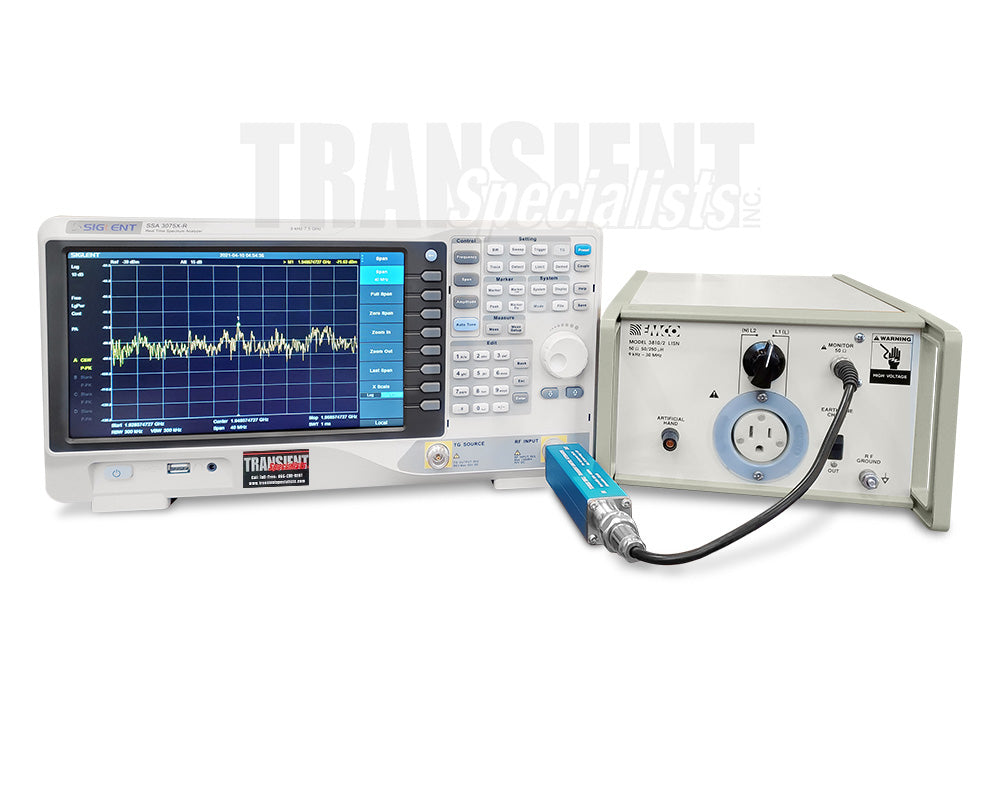
- Check if the analyzer has EMI pre-compliance tools if you plan to test devices for regulatory standards.
Credit: transientspecialists.com
Real-world Example
An RF engineer working at a startup chose a Siglent SSA3021X for its advanced EMI tools, even though it cost more. He found the touchscreen sped up daily tasks, and the low RBW let him spot interference that was invisible on his old analyzer.
A student, meanwhile, bought a Rigol DSA815 for classwork and antenna tests, saving money while still getting reliable measurements.
Frequently Asked Questions
What Is The Main Difference Between Rigol And Siglent Spectrum Analyzers?
The biggest difference is in precision and features. Siglent models usually offer finer RBW, more advanced measurement tools, and touchscreens. Rigol is more affordable and simpler, making it ideal for beginners.
Are Rigol Spectrum Analyzers Accurate Enough For Professional Use?
Yes, Rigol analyzers are accurate for many tasks, especially basic RF work, antenna testing, and learning. However, for very sensitive measurements or EMI pre-compliance, Siglent may offer better accuracy.
Do Both Brands Offer Tracking Generators?
Most Siglent analyzers include a tracking generator. Rigol often sells it as an option, so check the model carefully if you need this feature.
How Do I Upgrade Features On Rigol Or Siglent Analyzers?
Rigol allows software upgrades to unlock extra features, like advanced measurement functions. Siglent also offers upgrades, but many features come standard. Always check with the manufacturer before buying.
Where Can I Find Detailed Technical Specifications For These Models?
You can find detailed specs on the official manufacturer websites or on trusted industry sources like Keysight.
Choosing between Rigol and Siglent means balancing cost, features, and your future needs. Both brands make reliable spectrum analyzers, but the right choice depends on your workflow. Take your time, review the specs, and think about how you’ll use the analyzer day to day.
With careful planning, you’ll find the tool that fits your lab, your projects, and your budget.