When you need to measure voltage, current, or resistance, choosing the right multimeter can make all the difference. But have you ever wondered whether you should go for an auto ranging or manual ranging multimeter?
This choice can affect how quickly and accurately you get your readings. If you want to save time, avoid mistakes, and get the most out of your tool, understanding the difference between these two types is crucial. Keep reading, and you’ll discover which multimeter suits your needs best—and why it matters for your next project.
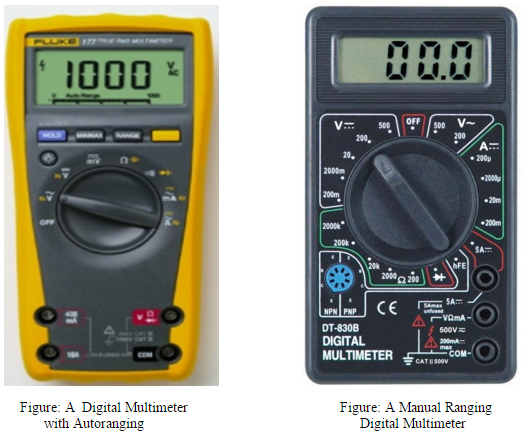
Credit: www.learningaboutelectronics.com
Auto Ranging Multimeter Basics
An auto ranging multimeter is a tool that measures electrical values automatically. It chooses the right measurement range by itself. This makes it easy for users to get accurate readings quickly. No need to guess or change settings manually.
This type of multimeter suits beginners and experts. It saves time and reduces errors. Understanding its basics helps users work more efficiently.
How Auto Ranging Works
The multimeter detects the signal size. It then selects the proper range automatically. This process happens in seconds. The user only needs to connect the probes and turn on the device. The meter does the rest.
The internal microprocessor controls this function. It compares the input to preset ranges. The best range shows the most precise result. This system prevents overload or wrong readings.
Key Features
Auto ranging multimeters have several useful features. They include a digital display for clear readings. The device switches ranges without user action. Many models offer data hold and backlight options.
Some have auto power-off to save battery. The compact design makes them portable. Safety features protect users from electrical hazards. These features improve usability and safety.
Advantages
Auto ranging multimeters save time by removing manual range selection. This reduces mistakes and frustration. They are easier to use for beginners. The device handles complex measurements smoothly.
Users get fast and accurate results. These meters adapt to various testing tasks. Their convenience makes them popular in homes and workplaces. Overall, they increase productivity and confidence.
Manual Ranging Multimeter Basics
Understanding the basics of a manual ranging multimeter helps in choosing the right tool for electrical tasks. This type of multimeter requires users to set the measurement range before testing. It offers control and precision for those who know their expected values.
How Manual Ranging Works
The user selects the measurement type and range on the dial or buttons. The device then measures within the set range only. If the range is too low, the multimeter may show an overload or error. Users must adjust the range to get accurate readings.
Key Features
Manual ranging multimeters have a dial or switch to select ranges. They display readings on an analog or digital screen. These meters usually have separate settings for voltage, current, and resistance. Some models include a hold function to freeze the display for easier reading.
Advantages
Manual ranging multimeters offer greater control over measurements. They often provide more accurate readings in specific ranges. These meters can be more affordable and durable. Users learn more about the measurement process by setting ranges themselves.
Accuracy And Precision
Accuracy and precision are key for any multimeter. Accuracy shows how close the reading is to the true value. Precision means how repeatable the reading is, with little variation. Both matter for reliable measurements.
Auto ranging and manual ranging multimeters differ in these areas. Understanding their accuracy and precision helps in choosing the right tool for a job. It also affects how confident you feel about the measurement results.
Performance In Different Scenarios
Manual ranging multimeters let users select the range. This control can improve accuracy in steady, known conditions. Users avoid overloading or under-ranging, which can cause errors.
Auto ranging multimeters pick the range automatically. They work well in changing or unknown conditions. The meter adjusts quickly, giving a good balance of accuracy and speed.
In simple tasks, both types perform well. In complex or sensitive tasks, manual ranging can offer better precision. Auto ranging suits fast troubleshooting or general use.
Impact On Measurements
Manual ranging reduces the chance of incorrect range selection. This helps avoid false readings or unstable values. It also allows for more consistent precision in repeated tests.
Auto ranging may cause slight delays as it adjusts the range. This can affect fast measurements or fluctuating signals. However, it reduces user error, as no manual guesswork is needed.
Choosing the right type affects the trustworthiness of your data. Accurate and precise readings ensure better decisions in repairs or experiments.
Speed And Efficiency
Speed and efficiency are key factors when choosing a multimeter. Both auto ranging and manual ranging models offer different benefits in these areas. Understanding their differences helps users pick the right tool for fast, accurate work.
Time Taken For Measurements
Auto ranging multimeters select the correct range automatically. This saves time by removing the need to guess the right setting. Users get quick readings without adjusting the dial.
Manual ranging multimeters require users to choose the range. This can slow down the process if the user picks the wrong range. They may need to try multiple settings before getting the correct measurement.
For quick tasks, auto ranging tools often provide faster results. Manual models can take longer but offer control for experienced users.
User Experience
Auto ranging multimeters are easier for beginners. They reduce mistakes by handling range selection automatically. This leads to fewer errors and less frustration.
Manual ranging multimeters give users full control over settings. This suits those who understand how to select ranges accurately. It can feel more precise but requires more skill.
Overall, auto ranging multimeters improve user experience with simplicity. Manual ranging tools suit users who prefer hands-on control.
Ease Of Use
Ease of use is important when choosing between auto ranging and manual ranging multimeters. It affects how quickly and accurately you can take measurements. A simple design helps users work with less stress and fewer mistakes.
Learning Curve
Auto ranging multimeters have a shorter learning curve. They select the correct range automatically. This means beginners do not need to know much about electrical ranges.
Manual ranging multimeters require users to pick the right range before measuring. This needs some knowledge and practice. Mistakes in range selection can lead to wrong readings or damage.
For new users, auto ranging tools offer an easier start. Manual models demand patience and learning to use properly.
User Interface Comparison
Auto ranging multimeters have simpler interfaces. Fewer switches or buttons make operation straightforward. Users can focus on the task without confusion.
Manual ranging multimeters show more dials and settings. Users must understand what each control does. This can slow down measurement and increase errors.
Clear displays and simple controls in auto ranging meters improve user confidence. Manual devices may feel complex for those new to electronics.
Cost Considerations
Choosing between auto ranging and manual ranging multimeters often depends on cost. Understanding the price and value helps decide which fits your needs. Cost considerations include the initial price and the benefits each type offers over time.
Price Differences
Manual ranging multimeters usually cost less than auto ranging models. They have simpler designs and fewer features. Auto ranging multimeters add convenience, so they come with higher prices. The price gap can be significant for basic tools. Budget buyers often prefer manual versions to save money. Professionals may invest in auto ranging for faster work. The price depends on brand, features, and accuracy.
Value For Money
Manual multimeters give good value for simple tasks. They require more skill but cost less upfront. Auto ranging multimeters save time by selecting the right range automatically. This feature reduces errors and speeds up measurements. They offer better value for frequent or complex use. Consider how often and what type of testing you do. Spending more on auto ranging can pay off with ease and accuracy. Weigh cost against your usage needs carefully.
Ideal Use Cases
Choosing between auto ranging and manual ranging multimeters depends on the task and user skill. Each type suits different needs and environments. Understanding their ideal use cases helps select the right tool.
Best For Professionals
Manual ranging multimeters suit professionals who know their measurements. They offer precise control over the range setting. Experts can avoid errors by selecting the correct range. This type works well in labs and detailed diagnostics. Professionals benefit from faster readings with manual settings.
Best For Beginners
Auto ranging multimeters are perfect for beginners. They simplify measurements by choosing the right range automatically. This reduces confusion and mistakes. New users can focus on learning basic functions. Auto ranging helps build confidence in electrical work.
Specific Application Scenarios
Manual ranging is ideal for repetitive tasks with known ranges. It suits environments needing exact control, like electronics repair. Auto ranging fits varied tasks with unknown values. It works well for home use and quick checks. Each has strengths in different situations.

Credit: dronebotworkshop.com
Common Issues And Troubleshooting
Multimeters are essential tools for electrical testing. Both auto ranging and manual ranging multimeters have their common problems. Knowing these issues helps users fix problems quickly. Troubleshooting saves time and avoids damage to the device or the circuit tested.
Typical Problems With Auto Ranging
Auto ranging multimeters may take longer to settle on the correct range. This causes delays in reading measurements. Sometimes, the meter jumps between ranges, making the display confusing. Weak batteries can worsen this issue. The auto mode might fail in circuits with unstable or noisy signals. It can also misread very high or low values. Screen flicker or blank display occurs if the internal fuse blows. Users should check the fuse and replace it if needed.
Typical Problems With Manual Ranging
Manual ranging requires users to select the correct range before measuring. Choosing the wrong range leads to inaccurate readings or no reading at all. The meter may show an overload symbol if the range is too low. This can confuse beginners. Not changing the range in time can damage the meter’s internal components. Another issue is forgetting to switch off the meter, which drains the battery. Mechanical wear on the range dial or buttons can cause incorrect range selection.
Future Trends In Multimeter Technology
The world of multimeters is changing fast. Technology is making these tools smarter and easier to use. Both auto ranging and manual ranging multimeters will see new features soon. These updates aim to help users measure more accurately and with less effort.
Smart sensors and better displays are part of the future. The goal is to reduce errors and save time. Multimeters will likely connect with other devices for better data tracking. This helps technicians and hobbyists work more efficiently.
Innovations In Auto Ranging
Auto ranging multimeters will get faster and more precise. New sensors will detect ranges instantly without delay. This means measurements appear quicker on the screen. Some models might learn from past use to guess ranges better.
Wireless connectivity will become common in auto ranging models. This allows sending data to smartphones or computers easily. Users can track readings over time or share results quickly. Battery life will improve, supporting longer work periods.
Potential Improvements In Manual Ranging
Manual ranging multimeters will gain clearer displays. This helps users choose the correct range without mistakes. Some tools might show guides or tips on the screen. These tips assist beginners in selecting ranges correctly.
Ergonomic designs will make manual adjustments smoother. Buttons and dials will be easier to turn with gloves or wet hands. Some models may include partial auto ranging to help with tricky measurements. This blend keeps control but adds convenience.

Credit: www.youtube.com
Frequently Asked Questions
What Is The Difference Between Auto Ranging And Manual Ranging Multimeters?
Auto ranging multimeters automatically select the correct measurement range. Manual ranging multimeters require you to set the range manually. Auto ranging is more user-friendly, while manual ranging offers more control and precision for experienced users.
Which Multimeter Type Is Better For Beginners?
Auto ranging multimeters are ideal for beginners. They simplify measurements by automatically choosing the range. This reduces user errors and speeds up testing, making them perfect for those new to electrical work.
Can Manual Ranging Multimeters Provide More Accurate Readings?
Yes, manual ranging multimeters can provide more accurate readings. By selecting the exact range, you reduce measurement fluctuations. This is useful in detailed diagnostics where precision is critical.
How Does Auto Ranging Improve Efficiency In Electrical Testing?
Auto ranging saves time by eliminating the need to switch ranges manually. It allows faster measurements and reduces mistakes. This efficiency is especially beneficial in troubleshooting and repetitive testing tasks.
Conclusion
Choosing between auto ranging and manual ranging multimeters depends on your needs. Auto ranging saves time by selecting the right range automatically. Manual ranging gives you more control and can be better for precise work. Both types help measure voltage, current, and resistance well.
Think about how often you use the multimeter and the kind of tasks you do. This will guide you to the best choice. Either way, understanding the difference helps you work safely and accurately. Pick the tool that fits your skills and projects.
Simple and clear.