When it comes to choosing a multimeter, you might have seen terms like Cat 3 and Cat 4 and wondered what they really mean. Picking the right category for your multimeter isn’t just about technical specs—it’s about your safety and getting accurate results every time.
If you want to understand which multimeter suits your needs, and why these categories matter, you’re in the right place. Keep reading, because what you learn here could save you time, money, and even prevent accidents. Let’s dive into the key differences between Cat 3 and Cat 4 multimeters and help you make the smartest choice.
Cat 3 Multimeter Features
Cat 3 multimeters are built for reliable and safe electrical testing. They offer features designed to protect users during work on electrical circuits. These devices suit various settings, especially those involving higher energy levels than basic household circuits. Understanding their features helps users pick the right tool for their needs.
Safety Ratings Explained
Cat 3 multimeters carry a safety rating that shows their protection level. This rating means they can handle tests on circuits with higher energy than Cat 2 devices. It ensures the meter can resist short circuits and electrical spikes safely. The rating covers equipment used in building wiring and fixed installations. This makes Cat 3 meters safer for professionals working on industrial and commercial sites.
Common Applications
These multimeters suit tasks around building wiring and distribution panels. Electricians use them for testing circuit breakers, lighting systems, and outlets. They handle measurements in commercial buildings and industrial environments. Cat 3 meters are perfect for checking voltage and current in fixed installations. Their design supports tougher working conditions than handheld or basic meters.
Voltage And Current Limits
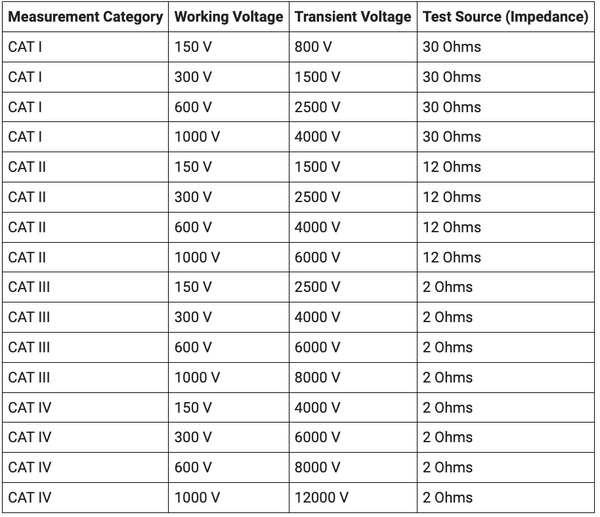
Cat 3 multimeters typically measure voltages up to 600 volts safely. Some models can go up to 1000 volts depending on their design. They can also measure current levels suitable for industrial circuits. These limits make them reliable for testing larger electrical systems. Users must always check the exact voltage and current ratings before use. Staying within limits protects both the user and the meter from damage.

Credit: www.specialized.net
Cat 4 Multimeter Features
Cat 4 multimeters offer advanced features for high-risk electrical environments. They provide strong protection for users working with heavy electrical systems. These devices meet strict industry safety standards. Their design helps prevent accidents and equipment damage during measurements.
Understanding these features helps choose the right multimeter for demanding tasks. Cat 4 multimeters stand out in safety, use, and voltage handling capabilities.
Enhanced Safety Standards
Cat 4 multimeters follow the highest safety ratings for test equipment. They include extra insulation and protection layers. These features reduce risks of electric shock and short circuits. The devices pass rigorous tests for durability and safety. Users can trust them in harsh and complex electrical settings.
Industrial Use Cases
These multimeters suit industrial environments with high electrical loads. They handle power distribution panels and outdoor electrical installations. Cat 4 tools work well for electricians and technicians on large projects. Their rugged design resists drops, dust, and moisture. This reliability keeps work safe and efficient.
Maximum Voltage Handling
Cat 4 multimeters can measure up to 1000 volts or more safely. This high voltage rating supports testing in power generation and transmission areas. The devices maintain accuracy and safety under intense electrical stress. They protect users from voltage spikes and surges. This capability ensures reliable readings in extreme conditions.
Design And Build Differences
The design and build of Cat 3 and Cat 4 multimeters vary to meet different safety and usage needs. These differences affect how they perform in tough environments. The structure, materials, and features make each type suitable for specific tasks. Understanding these design details helps choose the right multimeter for your work.
Durability And Protection
Cat 4 multimeters have stronger cases and better insulation. They protect against high voltage spikes and surges. Cat 3 meters are still sturdy but less rugged than Cat 4. Their protection suits lower voltage levels and less extreme conditions. Both types use shock-resistant materials, but Cat 4 offers extra safety layers.
Display And Interface
Cat 4 meters often have bigger, clearer screens for easy reading. They use simple buttons designed for use with gloves. Cat 3 meters may have smaller displays and fewer interface features. Both types show measurements clearly but Cat 4 focuses more on user safety and visibility in harsh settings.
Portability Factors
Cat 3 multimeters are usually lighter and smaller. They fit easily in a tool bag or pocket. Cat 4 units can be bulkier due to extra safety parts. This makes them less easy to carry but better for tough outdoor jobs. Both designs balance portability and protection to suit different needs.
Credit: www.sanwa-america.com
Performance Comparison
Comparing the performance of Cat 3 and Cat 4 multimeters reveals key differences. These differences impact how well each tool works in various settings. Understanding these helps choose the right multimeter for your needs.
Accuracy And Precision
Cat 4 multimeters often provide higher accuracy than Cat 3. They measure voltage and current with smaller errors. Cat 4 devices handle higher energy levels safely. This makes their readings more reliable in tough environments. Cat 3 meters work well for lower energy tasks but may show slight variations.
Response Time
Response time refers to how fast the meter shows readings. Cat 4 multimeters usually respond quicker. This speed helps in fast troubleshooting and testing. Cat 3 meters can have a slight delay. Faster response improves work efficiency and safety in urgent tasks.
Additional Functionalities
Cat 4 meters often include extra features like data logging. They may also have better display and connectivity options. Cat 3 meters cover basic functions well but lack advanced tools. Extra functions in Cat 4 devices support complex electrical work. They offer more value for professional users.
Choosing The Right Multimeter
Choosing the right multimeter is important for safety and accuracy. Different jobs need different tools. Understanding the difference between Cat 3 and Cat 4 multimeters helps you pick the best one. This guide explains how to choose based on your work environment, budget, and long-term needs.
Based On Work Environment
Cat 3 multimeters are made for building installations and equipment. They handle lower energy levels safely. Cat 4 multimeters work in harsher conditions. They protect against high energy from outside lines. Choose Cat 3 for indoor work with lower voltage. Pick Cat 4 for outdoor or industrial use where risks are higher.
Budget Considerations
Cat 3 multimeters usually cost less. They fit tight budgets or occasional use. Cat 4 multimeters are more expensive due to extra safety features. Think about how often you need a multimeter. Spending more makes sense for regular, risky work. Save money if your tasks are simple and safe.
Long-term Investment
Buying a Cat 4 multimeter can be smart for future jobs. It lasts longer in tough environments. It keeps you safer over time. Cat 3 tools may need replacing sooner if used in harsh places. Choose a multimeter that matches your future work plans. This avoids extra costs and safety issues later.

Credit: www.amazon.ae
Safety Tips For Using Multimeters
Using a multimeter safely protects you and your equipment. Multimeters measure electrical values, which can be dangerous without care. Following safety tips lowers risks and keeps your work safe. Here are key points to remember while using Cat 3 or Cat 4 multimeters.
Proper Handling Practices
Hold the multimeter firmly to prevent slips. Use insulated gloves if working on live circuits. Always check the leads for damage before use. Insert the probes correctly into the right ports. Keep your hands dry and avoid touching metal parts. Stay alert and focused when testing electrical devices.
Avoiding Common Mistakes
Never exceed the multimeter’s voltage and current limits. Do not test live wires without the proper setting. Avoid switching modes while connected to a circuit. Disconnect power before changing test points. Use the correct category rating, Cat 3 or Cat 4, for your work. Avoid using damaged or worn test leads.
Maintenance And Calibration
Clean the multimeter regularly with a dry cloth. Store it in a safe, dry place away from dust. Check for loose or broken parts often. Calibrate the device according to the manufacturer’s instructions. Regular calibration ensures accurate readings and safety. Replace batteries as needed to avoid false readings.
Frequently Asked Questions
What Is The Difference Between Cat 3 And Cat 4 Multimeters?
Cat 4 multimeters offer higher safety ratings than Cat 3. Cat 4 suits outdoor and high-energy environments. Cat 3 is ideal for indoor electrical systems and circuits.
Which Multimeter Category Is Safer For Industrial Use?
Cat 4 multimeters are safer for industrial use. They handle higher transient voltages and energy surges. Cat 3 is better for residential or commercial settings with lower risk.
Can I Use A Cat 3 Multimeter For High Voltage Work?
No, Cat 3 multimeters are not recommended for high voltage work. Use Cat 4 for higher voltage and energy levels. This ensures user safety and device protection.
How Do Cat 3 And Cat 4 Multimeters Differ In Voltage Rating?
Cat 4 multimeters support up to 600V or 1000V in high-energy environments. Cat 3 models usually support up to 600V in lower energy settings. Voltage rating reflects safety and application limits.
Conclusion
Choosing between Cat 3 and Cat 4 multimeters depends on your needs. Cat 4 offers higher safety for work near power sources. Cat 3 suits most general electrical tasks at home or small sites. Always pick a multimeter that matches the voltage and environment you face.
Safety matters most when working with electricity. Understanding these categories helps you work smarter and safer. Keep your tools reliable. Stay safe, and measure with confidence.