If you want to keep your engine running smoothly, knowing how to test your ECM with a multimeter is a skill you can’t afford to miss. Your Engine Control Module (ECM) is like the brain of your vehicle, controlling vital functions that affect performance and fuel efficiency.
But how do you know if it’s working right? That’s where a multimeter comes in. In this guide, you’ll discover simple steps to check your ECM’s health quickly and accurately. By the end, you’ll have the confidence to spot issues before they turn into costly repairs.
Ready to take control of your car’s performance? Let’s dive in!
Ecm Basics
The Engine Control Module, or ECM, is a key part of any modern vehicle. It acts like the brain of the car. The ECM controls many engine functions to keep the vehicle running smoothly. Understanding the ECM basics helps you test it with a multimeter accurately. This knowledge saves time and effort when diagnosing car problems.
Role In Vehicle
The ECM manages fuel injection, ignition timing, and emission controls. It collects data from sensors around the engine. Then, it adjusts the engine settings for best performance. The ECM helps improve fuel efficiency and reduce pollution. It also stores trouble codes that explain engine faults. Mechanics use this information to find and fix issues fast.
Common Issues
ECM problems can cause many car troubles. Engine misfires, poor fuel economy, and stalling are common signs. Sometimes the car won’t start at all. Faulty sensors or wiring can lead to ECM errors. Water damage or electrical shorts may also harm the module. Testing the ECM with a multimeter helps identify these faults.
Multimeter Essentials
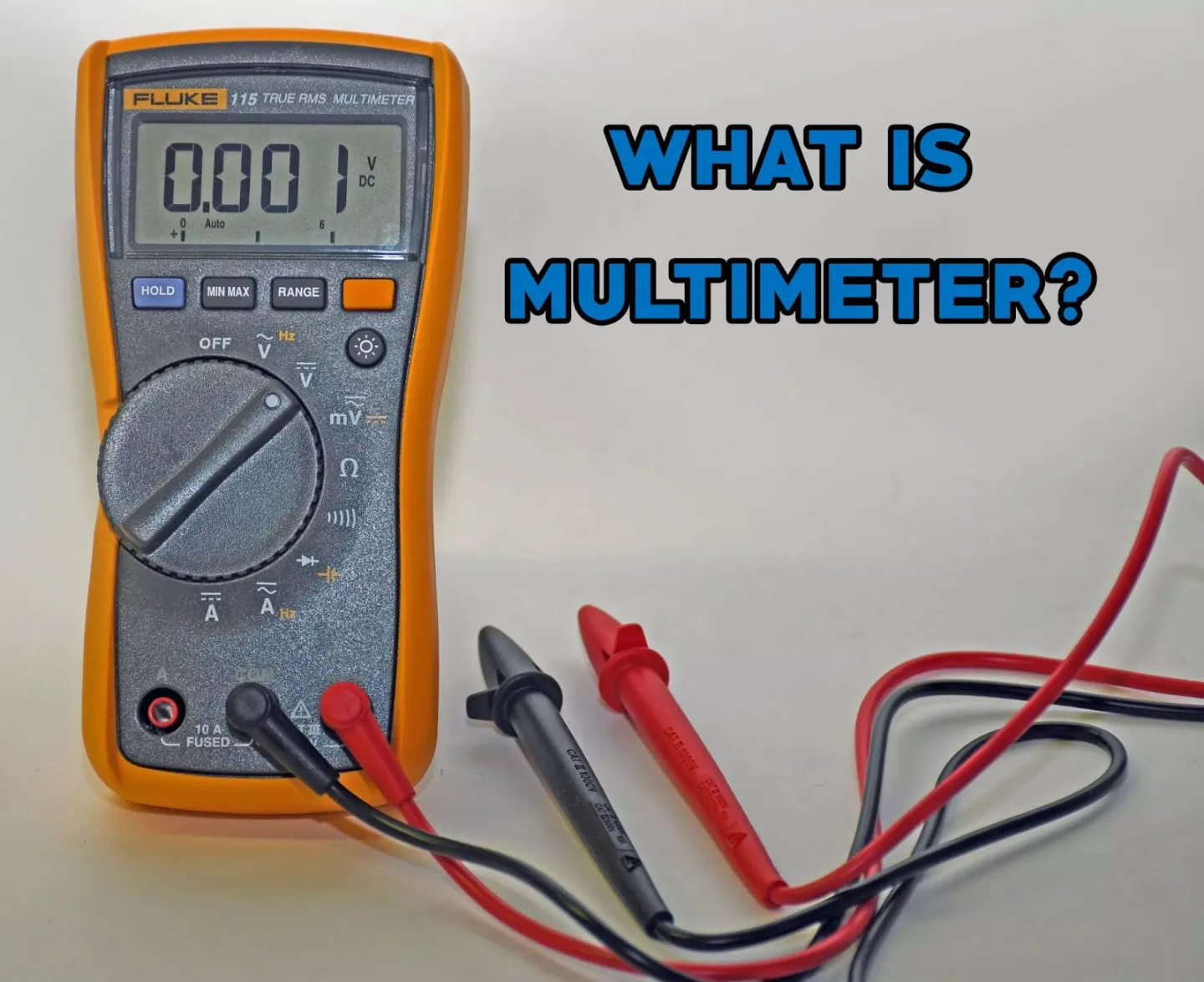
Testing an Engine Control Module (ECM) requires the right tools and knowledge. A multimeter is one of the most important tools for this job. It helps measure electrical values like voltage, current, and resistance. Understanding your multimeter is key to getting accurate test results.
This section explains the essentials of multimeters. It covers types of multimeters and their key functions for ECM testing. Knowing these basics will make your testing easier and more accurate.
Types Of Multimeters
There are two main types of multimeters: analog and digital. Analog multimeters use a moving needle to show readings. Digital multimeters (DMM) display numbers on a screen. Digital multimeters are easier to read and more popular today.
Some digital multimeters come with extra features like auto-ranging. This feature automatically selects the correct measurement range. Basic models are affordable and good for simple tests. Advanced models offer more accuracy and functions for complex tasks.
Key Functions For Ecm Testing
Voltage measurement is crucial for checking ECM power supply. Use the DC voltage setting to measure battery and sensor voltages. Resistance measurement helps test wiring and sensor coils. Set the multimeter to the resistance or ohms mode.
Continuity testing checks if wires or circuits are broken. The multimeter beeps when there is continuity. Current measurement is less common but useful for checking sensor signals. Always follow safety steps when measuring current to avoid damage.
Preparing For The Test
Preparing for the ECM test is an important first step. It ensures accurate results and protects you from harm. You need to get ready with the right tools and safety steps. This preparation saves time and avoids mistakes during the test.
Safety Measures
Always disconnect the car battery before starting the test. This stops electric shocks and damage to the ECM. Wear insulated gloves to protect your hands. Work in a dry area to avoid slipping or electric accidents. Keep metal objects away from the test points. Follow car manual warnings carefully. Safety must come first in every step.
Required Tools
Use a digital multimeter with a good display for clear readings. Make sure the multimeter can measure voltage, resistance, and continuity. Have a set of test leads with sharp tips for easy contact. A wiring diagram of the car’s ECM helps to find the right pins. Keep a notebook and pen ready to record the readings. These tools make the test simple and effective.
Testing Ecm Power Supply
Testing the power supply of an Engine Control Module (ECM) is a key step in diagnosing vehicle problems. The ECM controls many engine functions and needs a stable power source. Without proper power, it cannot work correctly. Using a multimeter, you can check if the ECM gets the right voltage and has good ground connections. These checks help identify electrical issues early and avoid bigger problems.
Checking Voltage
Start by turning the vehicle’s ignition to the “on” position, but do not start the engine. Set your multimeter to measure DC voltage. Connect the red probe to the ECM power terminal and the black probe to a good ground point. A typical ECM power supply should read about 12 volts. If the voltage is too low or missing, the power source or wiring may be faulty.
Inspecting Ground Connections
Ground wires complete the electrical circuit for the ECM. Poor ground connections cause many issues. Use the multimeter in continuity mode or resistance mode. Place one probe on the ECM ground terminal and the other on a known good ground, such as the vehicle chassis. A low resistance value means the ground connection is solid. High resistance or no continuity shows a bad ground that needs fixing.
Measuring Ecm Signals
Measuring ECM signals is a key step in testing the Engine Control Module. It helps find problems in the car’s electronic system. The signals show how well the ECM reads sensors and controls parts.
Using a multimeter, you can check both input and output signals. This process tells if the ECM sends the right commands and receives correct data.
Testing Input Signals
Start by setting the multimeter to measure voltage. Connect the meter’s probes to the ECM input terminals. These inputs come from sensors like the throttle or oxygen sensor.
Check for steady voltage readings. Fluctuations may mean faulty sensors or wiring. Compare readings to the car’s service manual values. Consistent, expected signals show the input side works well.
Verifying Output Signals
Switch the multimeter to measure voltage or resistance, based on the output type. Connect probes to the ECM output terminals. Outputs control fuel injectors, ignition coils, and other actuators.
Look for signals that change with engine activity. No output or wrong values may suggest ECM faults. Use the manual for correct signal ranges. Proper output signals confirm the ECM controls parts correctly.

Credit: www.youtube.com
Resistance And Continuity Checks
Resistance and continuity checks are key to testing an Engine Control Module (ECM). These tests help find breaks or problems inside the ECM circuits. A multimeter measures resistance and continuity easily. Resistance shows how much a circuit resists electric flow. Continuity shows if a circuit is complete or broken.
These checks prevent damage to the ECM and other car parts. They also save time and money by spotting issues early. Using a multimeter correctly ensures accurate results. Understanding these tests makes ECM troubleshooting simpler and safer.
Testing Ecm Pins
Start by turning off the car and disconnecting the ECM. Set the multimeter to measure resistance (ohms). Touch the probes to the ECM pins you want to test. Check the car manual for pin numbers and expected values.
Resistance should match the manual values. A very high or infinite reading means an open circuit. A very low reading means a short circuit. Test each pin one by one. Keep probes steady to avoid wrong readings.
Identifying Faulty Circuits
Continuity test finds broken wires or bad connections inside the ECM. Set the multimeter to continuity mode. Place probes on both ends of a wire or circuit.
If the meter beeps, the circuit is complete. No beep means a break or fault. Mark any faulty circuit for repair or replacement. Repeat for all critical ECM circuits.
Resistance and continuity checks reveal hidden problems fast. These tests help maintain your vehicle’s performance and safety.
Interpreting Multimeter Results
Interpreting multimeter results is key to testing the ECM properly. The readings tell if the ECM works or if it has faults. Correct interpretation helps to avoid wrong fixes. It saves time and money during diagnosis.
Understanding what normal and abnormal readings look like is essential. It helps to spot issues quickly. Also, knowing some troubleshooting tips improves your testing process.
Normal Vs Abnormal Readings
Normal readings fall within the manufacturer’s specified range. For example, resistance or voltage should match the ECM’s manual. Consistent and steady values indicate a healthy ECM.
Abnormal readings show unusual values. These can be too high, too low, or unstable. Fluctuating or zero readings usually signal a problem. Such results mean the ECM or wiring may be faulty.
Troubleshooting Tips
Double-check your multimeter settings before testing. Use the correct mode: voltage, resistance, or continuity. Ensure all connections are secure and clean.
Test multiple points to confirm results. Compare readings with the ECM manual. If results vary widely, re-test to rule out errors.
Look for signs of damage like corrosion or broken wires. Clean or repair connections as needed. If abnormal readings persist, consider professional help.
Common Testing Mistakes
Testing an Engine Control Module (ECM) with a multimeter can be tricky. Many mistakes happen during the process. These mistakes lead to wrong readings and confusion. Avoiding common errors saves time and effort. It helps you get clear and useful results.
Avoiding Misreadings
Misreadings often occur from poor connections. Make sure the multimeter probes touch the correct ECM pins. Loose or dirty contacts cause false readings. Check the multimeter settings before testing. Using the wrong mode or range gives wrong numbers. Always set the multimeter to the right type of measurement.
Ensuring Accurate Measurements
Accurate results depend on a steady hand and clean tools. Hold the probes firmly without moving them. Dirt or oil on the probes can block the flow of electricity. Use a clean cloth to wipe the probes before use. Test the multimeter on a known source first. This step confirms the device works correctly.
When To Seek Professional Help
Testing the ECM with a multimeter can be straightforward. Yet, certain situations call for expert help. Knowing when to seek professional support ensures safety and accuracy. Avoid costly mistakes and unnecessary damage.
Signs Of Complex Electrical Problems
Sometimes, electrical issues are not simple. A multimeter might not detect hidden faults. Strange wiring or multiple damaged parts can confuse the test. Professionals have tools beyond a basic multimeter. They can diagnose complex electrical problems precisely.
Unclear Or Conflicting Test Results
When multimeter readings are unclear, do not guess. Conflicting numbers can indicate several issues. Experts understand how to interpret these results. They use advanced techniques to find the real cause. Avoid spending time on trial and error.
Lack Of Experience With Vehicle Electronics
Testing the ECM requires basic electrical knowledge. Without this, mistakes happen easily. Wrong connections can damage the ECM or other parts. Professionals know the wiring and signals well. Trust them to handle sensitive electronic systems safely.
Persistent Engine Or Performance Issues
Sometimes, the ECM is not the problem. Engine troubles may come from sensors or fuel systems. If tests do not fix the issue, call a mechanic. Experts can perform deeper diagnostics. They can find hidden problems affecting performance.
Safety Concerns During Testing
Electrical testing involves risks like shocks or short circuits. If unsure about safety steps, ask a professional. They follow strict safety rules and use proper gear. Protect yourself and your vehicle by getting expert help.
Credit: www.blikai.com

Credit: www.acservicetech.com
Frequently Asked Questions
How Do I Test Ecm Resistance With A Multimeter?
To test ECM resistance, set the multimeter to the ohms setting. Measure resistance between specific ECM pins as per the vehicle manual. Compare readings with manufacturer specifications to identify faulty circuits or internal damage.
Can A Multimeter Detect Ecm Voltage Issues?
Yes, a multimeter can measure ECM voltage supply and signal voltages. Check power and ground pins for proper voltage levels. Abnormal readings indicate wiring or ECM power problems.
What Multimeter Settings Are Best For Ecm Testing?
Use the ohms setting to measure resistance, and DC voltage for voltage tests. Ensure the multimeter probes have good contact with ECM terminals. Follow vehicle service manual guidelines.
Is Ecm Testing With A Multimeter Safe?
Yes, testing ECM with a multimeter is safe if done correctly. Turn off the ignition before resistance tests. For voltage tests, take care to avoid short circuits.
Conclusion
Testing an ECM with a multimeter is simple and effective. It helps find faults quickly and saves money on repairs. Follow the steps carefully for accurate results. Always double-check your connections before testing. Regular checks keep your vehicle running smoothly.
With practice, the process becomes easier and faster. Remember, safety comes first while working with electrical parts. This skill is useful for any car owner or mechanic. Keep your multimeter ready and your knowledge sharp.