Are you unsure how to safely check if a wire is live? Testing live wires with a multimeter is a simple skill that can protect you from electric shocks and help you troubleshoot electrical problems quickly.
In this guide, you’ll learn step-by-step how to use your multimeter to identify live wires with confidence. By the end, you’ll have the knowledge to handle your electrical tasks safely and efficiently. Keep reading—you don’t want to miss these essential tips that could save you time and keep you safe.
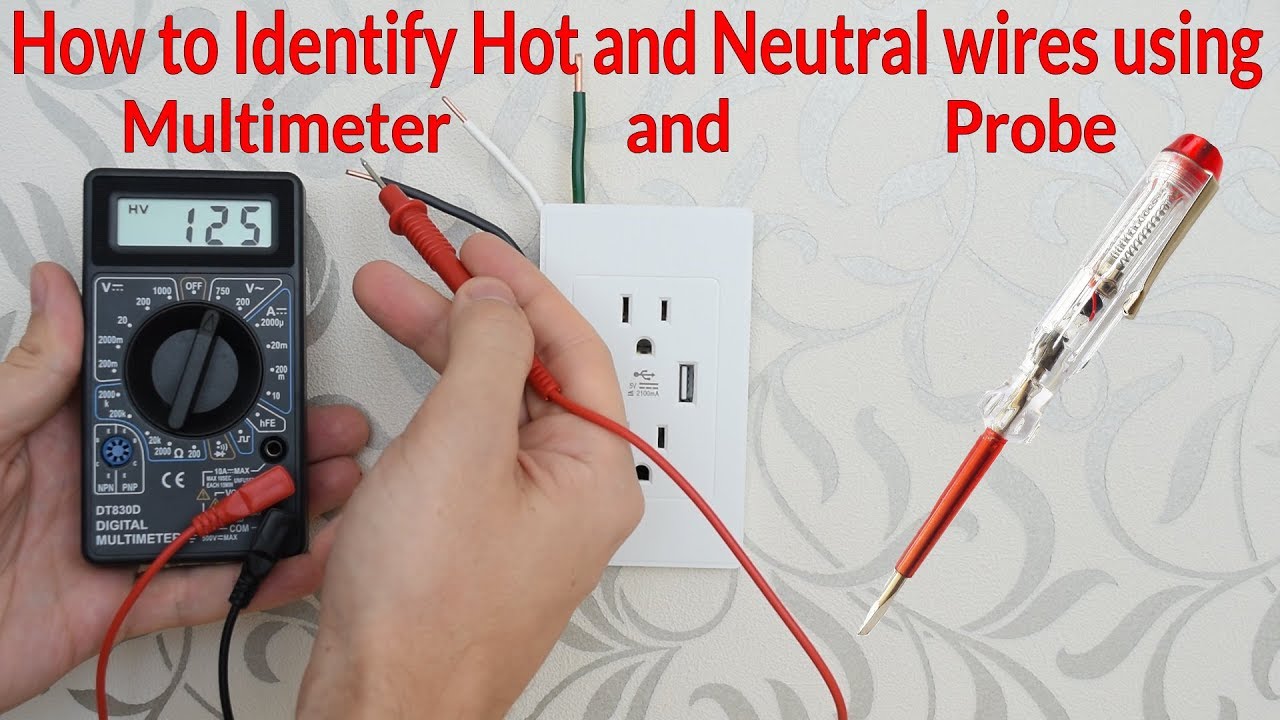
Credit: www.youtube.com
Multimeter Basics
Understanding the basics of a multimeter is important before testing live wires. This tool measures electrical values like voltage, current, and resistance. It helps check if wires are live and safe to handle.
Choosing the right multimeter and knowing its parts makes your work easier and safer. The following sections explain common types and key features.
Types Of Multimeters
There are two main types of multimeters: analog and digital. Analog multimeters have a needle that moves on a scale. Digital multimeters show numbers on a screen.
Digital multimeters are easier to read and more accurate. They often come with extra features. Analog models work without batteries but may be harder to use.
Key Features To Know
Look for a multimeter with clear display and easy controls. It should measure voltage, current, and resistance. Some models also test continuity and diode function.
Safety features like fuse protection and insulated probes are important. Auto-ranging multimeters adjust the measurement scale automatically. This feature saves time and reduces errors.
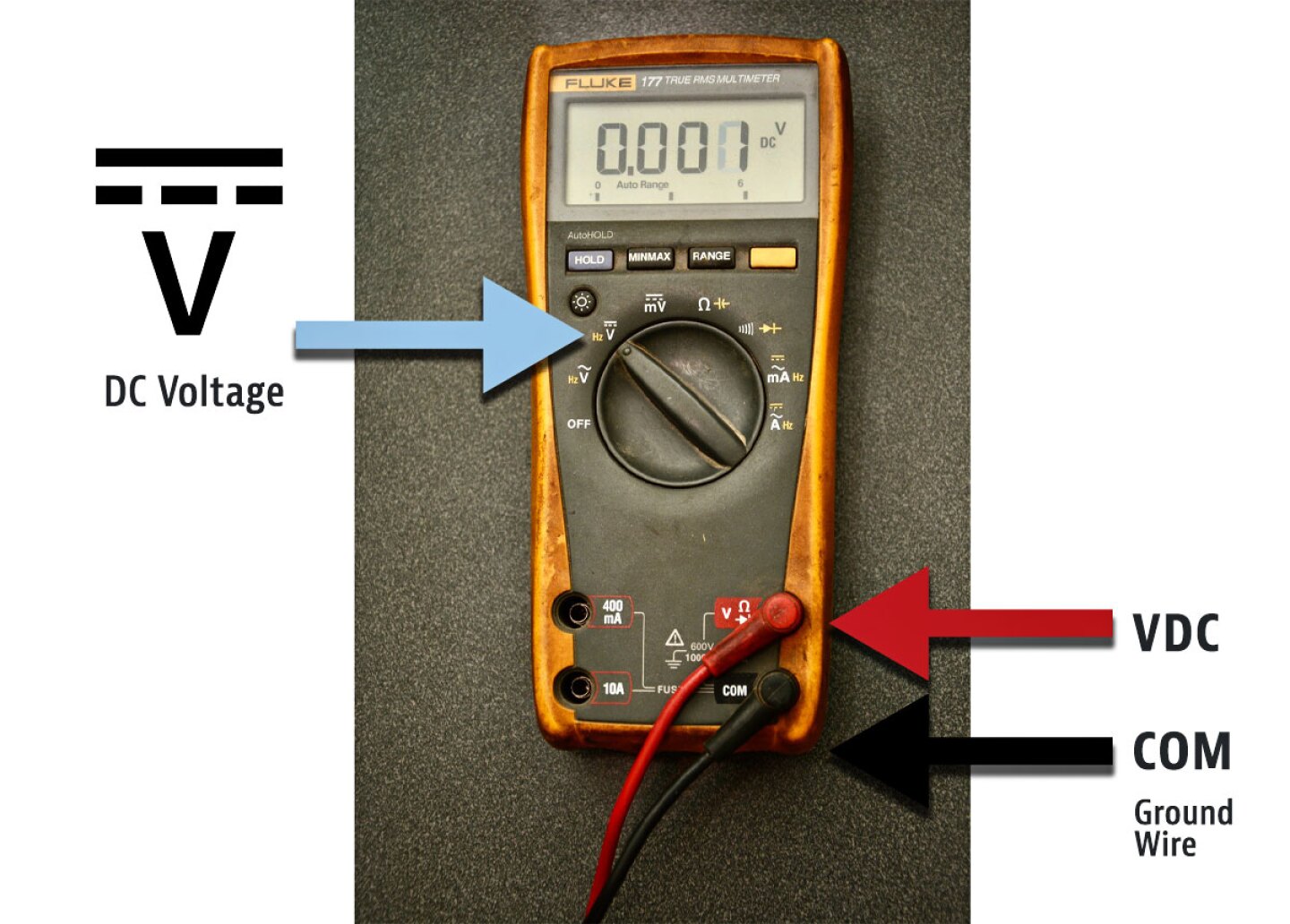
Credit: www.agweb.com
Safety Precautions
Testing live wires with a multimeter requires strong attention to safety. Electrical shocks can cause serious injuries or worse. Taking the right safety steps protects you and the equipment. Follow clear and simple precautions before and during the test.
Protective Gear Essentials
Always wear insulated gloves to avoid electric shocks. Use safety goggles to protect your eyes from sparks. Wear rubber-soled shoes to reduce the risk of grounding. Avoid wearing metal jewelry or watches during testing. Use tools with insulated handles for extra safety.
Power Off Vs. Live Testing
Turn off power before testing wires whenever possible. This lowers the risk of shock and short circuits. Sometimes, live testing is necessary to check voltage. Use a multimeter set to the correct range for live tests. Keep your hands dry and do not touch metal parts. Stay focused and work slowly to avoid mistakes.
Preparing The Multimeter
Preparing the multimeter correctly is important before testing live wires. It ensures accurate readings and keeps you safe. Taking time to set up the device helps avoid mistakes and damage.
Setting The Correct Mode
Turn the multimeter dial to the right mode for live wire testing. Usually, this means selecting the AC voltage setting. This mode measures the electric current flowing through the wire. Double-check the unit to confirm it shows volts (V) with a wavy line (~) symbol. This symbol stands for alternating current, which live wires carry.
Checking Battery And Leads
Check the multimeter’s battery before use. A weak battery can cause wrong readings. Replace it if the display is dim or the device does not turn on. Next, inspect the test leads. Look for cracks, breaks, or worn areas on the wires. Make sure the leads are plugged into the correct multimeter ports. Good leads ensure proper contact and safe testing.
:strip_icc()/voltage-detector-hot-cable-77726753-1946242d423c41a6802cc874eb7c8c89.jpg)
Credit: www.bhg.com
Testing Live Wires
Testing live wires is an important step in electrical work. It helps confirm if a wire carries current. Using a multimeter can safely check live wires before starting repairs or installations. Understanding how to test live wires correctly prevents accidents and ensures safe work.
Identifying Live Wires
First, recognize which wire is live. Usually, the live wire is brown or red in color. It carries the electrical current from the power source. Use caution, as this wire holds voltage and can cause shocks. Confirming the live wire is key before testing.
Proper Probe Placement
Set the multimeter to measure voltage. Place the black probe on a grounded surface or neutral wire. Touch the red probe carefully to the suspected live wire. Keep your hands steady. Avoid touching metal parts to prevent shocks. Correct probe placement gives accurate results.
Reading Voltage Values
Check the multimeter screen for voltage numbers. A live wire usually shows between 110 and 240 volts. If the reading is zero, the wire may not be live. Always double-check your settings and probe placement. Accurate readings ensure you know the wire’s status before work.
Troubleshooting Common Issues
Troubleshooting common issues is key when testing live wires with a multimeter. Problems can cause wrong results or stop the tool from working. Knowing how to fix these issues helps ensure safety and accuracy. Below are common problems and simple solutions.
Inaccurate Readings
Inaccurate readings often come from wrong settings on the multimeter. Check if the meter is set to measure voltage, not current or resistance. Use the right range; too high or low affects accuracy.
Dirty or damaged probes cause bad contact. Clean the tips or replace them if needed. Also, check the batteries. Weak batteries reduce meter performance.
Multimeter Not Powering On
A multimeter that won’t turn on usually has a dead battery. Replace the battery with a new one. Sometimes, the battery contacts may be dirty or loose. Clean or adjust them gently.
Inspect the fuse inside the multimeter. A blown fuse stops the device from powering on. Replace the fuse if it’s damaged. If the problem stays, the multimeter may need professional repair.
Advanced Testing Techniques
Advanced testing techniques help you check live wires safely and accurately. These methods use different multimeter settings to find electrical problems. Understanding these techniques improves your ability to work with live circuits.
Using Continuity And Resistance Modes
Continuity mode checks if a wire or circuit is complete. The multimeter beeps if the path is good. This helps find broken wires or bad connections quickly.
Resistance mode measures how much a wire or device resists electric flow. Low resistance means good connections. High resistance shows potential problems like corrosion or damage.
Use these modes to test switches, fuses, and wires. Always turn off power before testing resistance or continuity to avoid damage.
Testing Ac Vs. Dc Circuits
AC and DC circuits have different behaviors. Multimeters have separate settings for each type. Choose AC mode for home wiring and appliances.
DC mode measures batteries, solar panels, and some electronics. Using the wrong mode can give wrong readings or harm the meter.
Check the voltage range before testing. Start with the highest range, then lower it for better accuracy. This protects you and your tool.
Frequently Asked Questions
How To Safely Test Live Wires With A Multimeter?
To safely test live wires, first set the multimeter to AC voltage. Use insulated probes and never touch metal parts. Always test on a known live source before measuring unknown wires. Wear safety gloves and stand on an insulated surface to avoid shocks.
What Multimeter Setting Is Best For Live Wire Testing?
Set your multimeter to the highest AC voltage range. This setting helps measure voltage safely without damaging the device. If unsure, start with a higher range and adjust down for accuracy. Always confirm the multimeter is working correctly before testing live wires.
Can A Multimeter Detect Live Wires Without Contact?
Standard multimeters require contact with the wire for testing voltage. Non-contact voltage testers are better for detecting live wires without touching them. However, multimeters provide more precise voltage readings when probes contact the wire safely and correctly.
Why Is Testing Live Wires Important Before Electrical Work?
Testing live wires prevents electric shocks and equipment damage. It confirms if a wire is energized before handling. This step ensures safety and avoids short circuits or accidents during electrical repairs or installations.
Conclusion
Testing live wires with a multimeter keeps you safe and informed. Always double-check your tool settings before starting. Take your time and follow each step carefully. Avoid rushing to prevent mistakes or accidents. Practice makes the process easier and more confident.
Stay cautious and respect electrical safety rules. This skill helps you handle basic electrical tasks at home. Keep your multimeter handy for quick checks anytime. Safety first, always.