When you’re planning any kind of electrical project—whether it’s running new wiring in your home, upgrading an old circuit, or starting from scratch—choosing the right wire brand is more important than many people realize. Two names dominate the residential wiring market in North America: Romex and Southwire. If you walk into any hardware store, you’ll see both brands on the shelves, often right beside each other. But are they really the same? What differences matter in real-world use? This article will give you a clear, thorough comparison to help you make the best choice for your next job.
Many beginners assume all non-metallic (NM) cables are identical. That’s not true. Details like conductor material, sheathing quality, flexibility, and even the printing on the jacket can affect installation, safety, and long-term durability. As a friendly mentor who’s seen many DIYers and electricians face these choices, I’ll break down everything you need to know—without jargon or confusion.
What Are Romex And Southwire?
Both Romex and Southwire are leading brands of NM-B cable—the most common type of indoor electrical wire used in homes today. NM-B stands for non-metallic, type B, meaning the cable has a plastic sheath and is rated for up to 90°C (194°F) in dry locations.
Romex is actually a brand name, owned by Southwire Company. However, in the trade, “Romex” is often used as a generic term for all NM-B cables, much like “Kleenex” for tissues. But there are real Romex-branded wires, and Southwire also sells NM-B cable under its own Southwire label, as well as other names.
Romex Brand
- Romex was first produced in the 1920s.
- Known for its yellow, white, or orange sheathing (depending on wire gauge).
- Marketed as easy-to-strip and flexible for quick installation.
Southwire Brand
- Southwire is one of the largest wire and cable manufacturers in the world.
- Sells both Romex and Southwire-branded NM-B cables.
- Offers a wide range of wire products beyond Romex.
This means when people compare “Romex vs Southwire,” they’re usually comparing Romex-branded NM-B cable with Southwire’s own NM-B cable.
Key Differences Between Romex And Southwire
At first glance, both brands seem almost identical. They often use the same color codes, wire gauges, and have similar labeling. But a closer look reveals a few important differences.
Sheathing Quality And Thickness
The sheath is the outer plastic layer that protects the wires inside. It needs to be tough enough to resist nicks, cuts, and abrasion, but not so stiff that it’s hard to work with.
- Romex sheathing is usually a bit thinner and more flexible. This can make it easier to pull through holes and around corners, especially in tight spaces.
- Southwire NM-B cable tends to have a slightly thicker, tougher sheath. Some electricians say it feels more robust and offers better protection against mechanical damage.
Non-obvious insight: If you’re running wire through areas where nails or screws might hit it (like behind drywall), the tougher sheath of Southwire could be an advantage.
Flexibility And Ease Of Installation
- Romex is often praised for its flexibility. Many installers find it easier to bend and fish through studs or joists.
- Southwire cable, especially in larger gauges, can feel stiffer. For long, straight runs, this might not matter. But in remodels or tight spaces, the extra flexibility of Romex can save time.
Stripability
Stripping the sheathing off the cable cleanly is important for a neat, safe installation.
- Romex sheathing tends to peel off more smoothly. The “ripcord” (a nylon thread inside the sheath) is easy to find and use.
- Some Southwire cables have a tougher sheath that can be trickier to strip, especially if you use a knife instead of dedicated wire strippers.
Availability And Price
Both brands are widely available in big-box stores like Home Depot and Lowe’s, as well as electrical supply houses.
- Romex is often slightly more expensive. For example, a 250-foot roll of 12/2 NM-B may cost $5–$15 more for Romex than Southwire.
- Southwire cables are sometimes on sale or available in contractor packs, which can save money for larger projects.
Pro tip: Prices can vary by region and season, so always check both brands before buying.
Markings And Codes
Both brands print information (gauge, rating, UL listing) on the cable sheath. Romex often uses bolder print that’s easier to read in low light, while Southwire may use smaller, more compact text.
For code compliance, both brands carry UL listings, meet NEC (National Electrical Code) standards, and are accepted by inspectors nationwide.
Range Of Products
- Romex focuses mainly on NM-B cables for residential indoor use.
- Southwire offers NM-B, but also MC (metal-clad), UF-B (underground feeder), THHN (single conductor), and more.
If you need specialty wire (like for outdoor or wet locations), Southwire’s broader catalog may help.
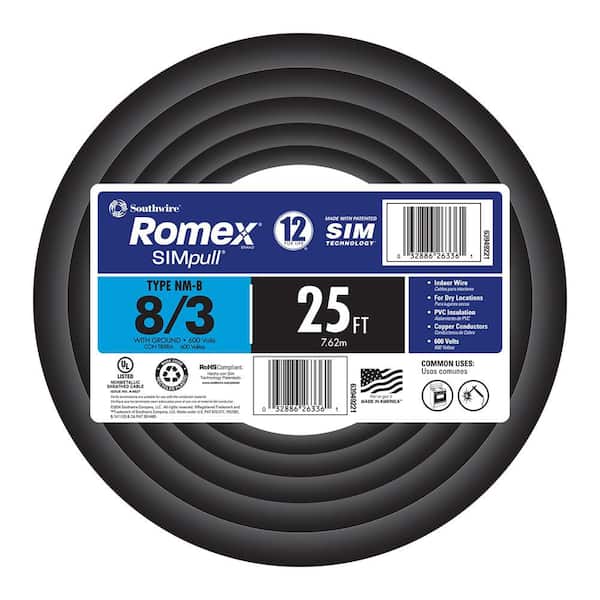
Credit: www.homedepot.com
Side-by-side Feature Comparison
To make the differences clearer, here’s a direct comparison of the most important features.
| Feature | Romex | Southwire |
|---|---|---|
| Sheath Thickness | Thinner, more flexible | Thicker, more durable |
| Flexibility | High, easy to bend | Moderate, can be stiff |
| Stripability | Easy, smooth peeling | Can be tougher |
| Price | Typically higher | Often lower |
| Product Range | Mainly NM-B | NM-B, MC, UF-B, more |
| UL Listed | Yes | Yes |
| Warranty | Typically lifetime | Typically lifetime |
Performance And Safety
All NM-B wires must pass strict safety standards, but small details can affect real-world performance.
Heat Resistance
Both Romex and Southwire NM-B cables are rated for 90°C (194°F) in dry locations, which is the maximum allowed for this wire type. Neither brand has a clear advantage here.
Chemical Resistance
If the wire will be exposed to chemicals (rare in homes, but possible in garages or workshops), check the manufacturer’s data sheets. Both Romex and Southwire use PVC sheathing, which is resistant to most household chemicals.
Conductor Quality
Both brands use solid copper for most NM-B cables. Some older or off-brand wires may use aluminum, which is not allowed for most home wiring today. Always check for solid copper conductors for safety and code compliance.
Non-obvious insight: Even though both brands use copper, some electricians claim that Romex conductors feel slightly smoother, making it easier to pull them through conduit or tight holes.
Fire Safety
Both brands are UL listed and pass fire safety tests. However, always avoid damaging the sheath during installation; a nicked wire can lead to shorts or fire risk.
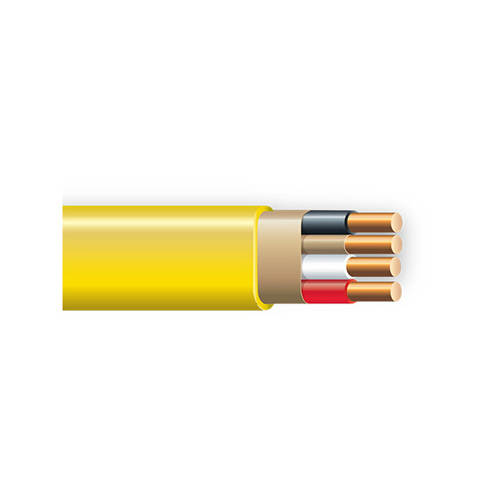
Credit: www.stephanedeneve.com
Romex Vs Southwire: Which Is Easier For Diyers?
If you’re a homeowner or beginner, you want a cable that’s simple to handle, easy to strip, and forgiving if you make a mistake.
- Romex is often recommended for first-time installers because of its flexibility and ease of stripping.
- Southwire may be better for pros who need tougher cable for challenging environments.
Here are some practical scenarios:
- Running wire through old framing: Romex bends more easily, so you’ll fight less with the cable.
- Wiring in a garage or workshop: Southwire’s thicker sheath may offer extra protection from impact or abrasion.
- Budget-sensitive project: Southwire might save you 5–10% on total wire costs, which adds up on large jobs.
Common Applications For Both Brands
Both Romex and Southwire NM-B are used for:
- Lighting circuits (15 or 20 amp)
- Outlet wiring in walls, floors, and ceilings
- Switch legs (wires from switch to light)
- Appliance circuits for stoves, dryers, etc.
Neither brand should be used outdoors or underground unless specifically labeled (for example, Southwire’s UF-B cable).

Credit: www.southwire.com
Code Compliance And Inspection
Many homeowners worry: Will inspectors approve Southwire as easily as Romex? The answer is yes—if the cable is UL listed and marked NM-B, both brands are accepted by building inspectors across the U.S. and Canada.
If your local inspector is picky, save the packaging or take a photo of the markings on the cable sheath to show proof of code compliance.
Real-world User Experiences
Online forums and reviews show that both brands have loyal fans. Here are a few real-world examples:
- A DIY homeowner in Texas found that Romex was easier to fish through old walls during a kitchen remodel, but went with Southwire in the basement due to cost savings.
- A professional electrician in Ohio prefers Southwire for new construction because it holds its shape in long runs, reducing the risk of “memory” (where wire wants to coil back up).
- A small contractor in Florida buys whichever is on sale, saying, “They both meet code, and after drywall goes up, nobody can tell the difference.”
Environmental Considerations
Some eco-conscious buyers ask about the environmental impact.
- Both brands use PVC sheathing, which is not biodegradable but is recyclable where facilities exist.
- Southwire has published sustainability reports and claims to use recycled materials in some products.
- Packaging for both brands is typically cardboard, which can be recycled.
If environmental impact is important to you, check the Southwire website for details on their “green” lines or recycled content.
How To Choose: Romex Or Southwire?
The main factors to consider are:
- Project type: For remodels or tight spaces, Romex’s flexibility is helpful. For new construction or exposed runs, Southwire’s tougher sheath may be better.
- Budget: If every dollar counts, check prices on both brands.
- Store availability: In some areas, only one brand may be stocked.
- Personal preference: Some people just like the feel or stripability of one brand over the other.
Buying Tips
- Always buy a little more wire than you think you’ll need.
- Check for the UL listing and NM-B marking on the sheath.
- Store wire in a dry place before installation to prevent damage.
Examples Of Product Labels
Here’s how you might see each brand labeled in stores:
Romex:
- “Romex SIMpull 12/2 NM-B”
- Color: Yellow sheath (for 12 gauge)
- Printed with gauge, voltage, UL, and date code
Southwire:
- “Southwire 12/2 NM-B”
- Color: Yellow sheath (for 12 gauge)
- Similar markings, sometimes with smaller font
Warranty And Customer Support
Both brands typically offer a lifetime limited warranty against defects in materials and workmanship. If you find a problem, contact the manufacturer directly—save your receipt or packaging for proof of purchase.
Table: Popular Nm-b Cable Sizes And Uses
To help you choose the right wire for your project, here’s a summary of common sizes.
| Wire Size (Gauge) | Typical Use | Color Sheath (Both Brands) | Max Amps |
|---|---|---|---|
| 14/2 | Lighting circuits | White | 15A |
| 12/2 | General outlets | Yellow | 20A |
| 10/2 | Water heaters, AC units | Orange | 30A |
| 8/2 | Dryers, ranges | Black | 40A |
Note: Always check local code requirements before selecting wire size.
Advanced Considerations
For most home wiring, the basic NM-B cable from either brand will work well. But advanced users might look for:
- Low-smoke, zero-halogen cable (for sensitive environments)
- Pre-cut lengths (for less waste)
- Specialty jackets (for high-moisture or rodent-prone areas)
Southwire is more likely to offer these specialty options. If you have unique needs, check both brands’ full catalogs.
Table: Quick Pros And Cons
A simple summary can help with the final decision.
| Brand | Pros | Cons |
|---|---|---|
| Romex |
|
|
| Southwire |
|
|
What The Experts Say
Most electricians agree that both brands are reliable for standard residential wiring. The choice often comes down to personal preference, price, and installation environment.
The National Electrical Code (NEC) does not specify brands, only that wire must be listed and labeled for the application. If you’re unsure, ask a local inspector or check the NEC for guidance. For more on electrical wiring standards, visit the National Fire Protection Association.
Frequently Asked Questions
Is Romex Safer Than Southwire?
Both brands are equally safe when installed correctly. They meet the same UL and NEC standards. The most important factor is proper installation, not brand.
Can I Mix Romex And Southwire Wires In The Same Project?
Yes, as long as both are the same type (for example, 12/2 NM-B) and are UL listed, you can use them together. Inspectors will approve both.
Why Is Romex Often More Expensive Than Southwire?
Romex is a well-known brand, and some people are willing to pay more for its reputation and flexibility. Southwire may be cheaper due to packaging, distribution, or store pricing policies.
Which Brand Should I Choose For Outdoor Wiring?
Neither standard Romex nor Southwire NM-B should be used outdoors. Look for UF-B cable (underground feeder) from Southwire or another brand, which is rated for wet or direct burial locations.
Do Both Brands Offer Warranties?
Yes. Both Romex and Southwire typically offer a lifetime warranty against defects. Keep your purchase receipt and packaging to make a claim if needed.
Choosing between Romex and Southwire isn’t about picking a “better” or “worse” wire—it’s about finding the right fit for your job, skills, and budget. Both will serve you well for safe, code-compliant home wiring. If you focus on proper installation, either choice is a solid investment in your home’s safety and reliability.