Have you ever wondered what the “NCV” setting on your multimeter means? If you’ve seen those letters but aren’t quite sure how to use them or why they matter, you’re not alone.
Understanding NCV can save you time, keep you safe, and make your electrical work much easier. You’ll discover exactly what NCV stands for, how it works, and why it’s one of the most useful features on your multimeter. By the end, you’ll feel confident using your multimeter like a pro.
Keep reading to unlock this simple yet powerful tool!

Credit: www.youtube.com
Ncv Function Basics
The NCV function on a multimeter stands for Non-Contact Voltage. It helps check for live electrical wires without touching them. This feature adds safety and speed during electrical work. Understanding how NCV works is useful for anyone handling electrical tools or doing home repairs.
What Ncv Detects
NCV detects the presence of an electric field near wires or devices. It senses live voltage in cables, outlets, switches, and wires. This function finds hidden live wires behind walls or inside electrical boxes. It does not measure voltage but indicates if voltage is present. NCV is ideal for quick safety checks.
How Ncv Works
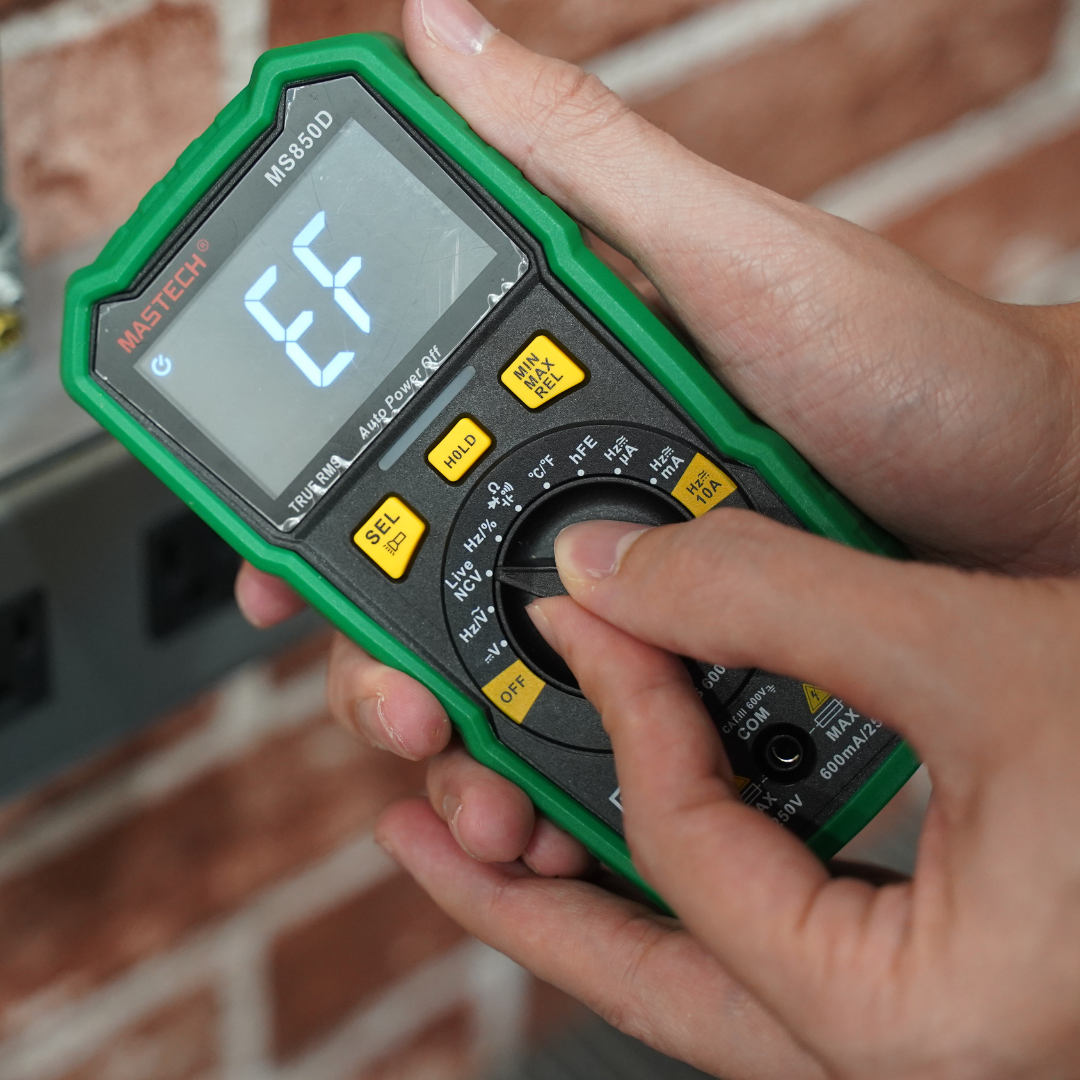
The NCV sensor picks up electric fields around energized wires. It uses a small internal sensor inside the multimeter tip. The sensor detects changes in the electrical field without direct contact. When voltage is detected, the meter usually beeps or lights up. This alerts the user to live electricity nearby. The NCV function works with AC voltage only.
Credit: www.mastech-group.com
Using Ncv On A Multimeter
Using NCV on a multimeter is a quick way to check for live wires without touching them. NCV stands for Non-Contact Voltage. This feature helps you find electricity safely and easily. It is useful for electricians, DIYers, and anyone working with electrical systems.
Activating Ncv Mode
Turn on your multimeter and select the NCV mode. This mode is usually marked with a symbol that looks like a wave or sound waves. Some multimeters enter NCV mode automatically when you turn the dial to voltage. Make sure to read your multimeter manual for exact instructions.
Proper Testing Techniques
Hold the multimeter near the wire or device you want to test. Do not touch the metal part of the probe. Keep the sensor close but not touching the wire. Move the meter slowly along the wire to find where the voltage is live. Test multiple spots to be sure. Always stay safe and avoid touching live wires directly.
Interpreting Ncv Signals
Your multimeter will beep, flash, or both if voltage is detected. The stronger the signal, the closer you are to live voltage. No sound or light means no voltage or very low voltage. Remember, NCV can detect AC voltage only. Use this feature as a quick check, not a precise measurement tool.
Benefits Of Ncv Testing
NCV testing on a multimeter offers many useful benefits. It helps check electrical wires without touching them. This method makes work safer and faster. It also fits many tasks at home or work.
Safety Advantages
NCV testing reduces the risk of electric shocks. You do not need to touch wires or open circuits. It detects voltage from a distance. This lowers chances of accidents and injuries.
Electricians and beginners can test safely. It is good for checking live wires before repair. Safety is the top benefit of NCV testing.
Speed And Convenience
NCV testing gives quick results. Simply hold the multimeter near the wire or outlet. No need to connect test leads. This saves time and effort.
The process is easy and user-friendly. It works in tight spaces where probes cannot reach. Testing is faster without opening covers or panels.
Applications In Daily Use
NCV testing suits many daily tasks. Homeowners can check power outlets for live wires. It helps find breaks or faults in cables.
Electricians use it for quick troubleshooting. It is useful in offices, factories, and outdoor settings. The tool makes electrical work simpler and safer every day.
Limitations And Precautions
The Non-Contact Voltage (NCV) feature on a multimeter helps detect live wires without touching them. It is useful for quick checks and safety. Still, this tool has limits. Knowing these limits and taking precautions can keep you safe and avoid mistakes.
False Positives And Negatives
NCV detectors may show false positives. They might beep near electrical cables or devices even if no live wire is present. This happens because the sensor picks up electric fields from other sources. False negatives can occur too, where the tool does not detect live voltage. Low voltage or shielded wires can cause this issue. Do not rely only on NCV for critical checks.
Environmental Factors
Strong lights, metal surfaces, and electrical noise can affect NCV readings. Moisture or wet conditions may cause wrong signals. The sensor might also react to static electricity. Keep the tool clean and dry. Test in a stable environment for better accuracy. Always check the multimeter’s battery and sensor before use.
When To Use Additional Testing
Use other testing methods if you need precise results. A traditional voltage tester or a multimeter with probes gives exact voltage readings. If you suspect a false reading, confirm with a different tool. For repair or installation work, do not depend only on NCV. Double-check to ensure safety and correct diagnosis.
Choosing The Right Ncv Multimeter
Choosing the right NCV multimeter is important for accurate and safe electrical testing. Not all multimeters with NCV (Non-Contact Voltage) features work the same. Picking the right one depends on your needs and skill level. Understanding key features helps you find a model that fits your tasks. Balancing price and performance ensures good value.
Consider the brand reputation and user reviews. This helps avoid poor quality or unreliable devices. A clear idea of what to expect from your NCV multimeter makes your purchase easier and smarter.
Key Features To Look For
Check the voltage detection range. A wider range covers more devices and wires. Look for clear LED or sound alerts for voltage presence. The display should be easy to read in different lighting. Auto power-off helps save battery life. Ergonomic design makes handling simple and safe. Some models include extra functions like continuity testing or resistance measurement.
Top Models And Brands
Fluke, Klein Tools, and Extech are well-known brands. They offer reliable NCV multimeters with good accuracy. These brands often include safety ratings for industrial use. User feedback shows their durability and easy operation. Less-known brands may offer cheaper options but can lack quality. Trust models with positive reviews and clear instructions.
Price Vs Performance
Higher price does not always mean better performance. Budget models can work well for home or light use. Professional use may require more expensive, feature-rich multimeters. Compare features against your needs to avoid overspending. Look for a balance between accuracy, durability, and cost. Investing in a good NCV multimeter saves time and improves safety.
Common Ncv Testing Scenarios
NCV, or Non-Contact Voltage, helps detect electrical current without touching wires. Many common tasks use NCV testing for safety and quick checks. These tests save time and reduce risk of shocks. Below are everyday examples where NCV testing is useful.
Checking Outlets And Switches
NCV testing finds live voltage in outlets and switches easily. Hold the multimeter near the outlet slots or switch terminals. A beep or light shows if voltage is present. This method avoids direct contact with wires. It helps check if outlets or switches are working or dangerous.
Testing Cables And Wires
Use NCV to test cables without stripping insulation. Place the meter close to the cable surface. The tool detects current inside without cutting wires. This test finds live wires quickly in walls or bundles. It helps identify faulty or active cables safely.
Troubleshooting Electrical Panels
Electrical panels have many wires and breakers. NCV testing spots live wires among many connections fast. Move the meter probe near breakers or wires. This test confirms which circuits have power. It aids in safely fixing or turning off the right circuit.
Safety Tips For Voltage Testing
Testing voltage with a multimeter requires care and attention. Safety is the top priority to avoid shocks and injuries. Simple safety steps can protect you during voltage testing.
Follow these tips to stay safe and use your multimeter correctly.
Personal Protective Equipment
Wear insulated gloves to protect your hands from electric shock. Safety glasses shield your eyes from sparks or debris. Use non-conductive shoes to reduce the risk of grounding yourself. Always wear clothes that cover your skin fully.
Avoiding Electrical Hazards
Never test voltage on live circuits with wet hands or wet tools. Check the multimeter’s condition before use. Avoid loose wires and damaged cables. Keep your work area dry and clean to prevent slips and accidental contact.
Proper Handling Of Tools
Hold the multimeter probes by the insulated handles only. Do not touch the metal tips during testing. Use the correct settings on your multimeter for the voltage range. Store the multimeter safely after use to avoid damage.

Credit: www.gvda-instrument.com
Frequently Asked Questions
What Does Ncv Mean On A Multimeter?
NCV stands for Non-Contact Voltage. It detects electrical voltage without touching wires. It helps identify live wires safely and quickly.
How Does Ncv Function On A Multimeter?
NCV senses electric fields emitted by live wires. It alerts users with sound or light signals when voltage is present nearby.
Why Is Ncv Important In Electrical Testing?
NCV improves safety by detecting voltage without direct contact. It prevents electric shocks and helps locate live circuits before work.
Can Ncv Detect All Voltage Types?
NCV mainly detects AC voltage from power lines. It is less effective with DC voltage or low-frequency signals.
Conclusion
NCV on a multimeter helps detect live wires safely. It shows if electricity is flowing without touching wires. This feature makes testing quick and easy for everyone. Knowing how to use NCV improves your electrical skills. Always handle electrical tools with care and attention.
Practice with your multimeter to feel more confident. This simple tool can save time and prevent accidents. Understanding NCV adds value to your basic electrical knowledge. Keep exploring and stay safe while working with electricity.