Wondering if your stator is working but don’t have a multimeter on hand? You’re not alone, and the good news is—you can still test it yourself.
Knowing how to check your stator without special tools can save you time, money, and frustration. In this guide, you’ll discover simple, effective ways to figure out if your stator is good or needs replacement. Keep reading, because understanding this one skill could keep your engine running smoothly and prevent unexpected breakdowns.
Tools Needed
Testing a stator without a multimeter is possible with some simple tools. These tools help you check if the stator works properly. You do not need expensive equipment. Many items found at home can help you test a stator effectively. Understanding the tools needed makes the process easier and faster.
Common Household Items
You can use everyday items to test a stator. A flashlight and a battery are useful to check the coils. Wires and a small bulb help see if electricity flows through the stator. A screwdriver is handy for removing covers or screws. These simple tools let you perform basic checks without complex gadgets.
Another useful item is a continuity tester made from a battery and a bulb. It shows if the circuit is complete or broken. These household items are easy to find and save money on special tools.
Alternative Measuring Tools
Other tools can measure electrical properties without a multimeter. A test light is a good option to check voltage presence. It lights up when current flows through the stator. A clamp meter can measure current without direct contact, useful for some stators.
Using these tools requires basic knowledge but gives reliable results. They provide a way to test stators when a multimeter is not available. Keep these alternatives handy to troubleshoot electrical parts simply.

Credit: grwinding.com
Visual Inspection
Visual inspection is the first step to test a stator without a multimeter. It helps find obvious problems that affect the stator’s function. This method uses careful looking and simple tools to check the stator’s condition.
Checking For Physical Damage
Start by examining the stator for any cracks or broken parts. Check the coil wires for cuts or frays. Look at the stator core to see if it is bent or warped. Physical damage can stop the stator from working properly.
Identifying Burn Marks And Corrosion
Look closely for dark burn marks on the coils or core. These marks show where the stator may have overheated. Check for rust or corrosion on metal parts. Corrosion can cause poor electrical connections and reduce performance.
Continuity Test Without Multimeter
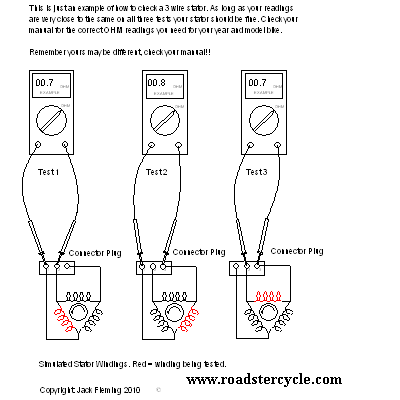
Testing a stator for continuity is important to check if the coils are intact. Without a multimeter, you can still perform a simple continuity test. This method uses basic tools that are easy to find. It helps to know if the stator wire is broken or connected properly. The test shows if electricity can flow through the wire circuit.
Using A Battery And Bulb
Take a small battery and a bulb with wires attached. Connect one wire from the battery to one end of the stator wire. Then connect the other battery wire to one bulb wire. Finally, touch the free bulb wire to the other end of the stator wire.
If the bulb lights up, the stator wire has continuity. If the bulb does not light, the wire may be broken. This simple setup shows if electricity flows through the stator coil or not.
Testing Wire Connections
Check the wire connections visually for loose or broken spots. Use your fingers to feel for damaged insulation or cuts. Twist and wiggle the wires gently while watching the bulb or listening for a sound.
Any flicker or light change means the wire connection is working. No change means the wire or connection could be faulty. This test helps find loose or broken wire points in the stator circuit.
Resistance Check With Diy Methods
Testing a stator’s resistance without a multimeter is possible with simple DIY methods. These checks help find issues in the stator windings. You do not need expensive tools for basic testing. Just a few household items and some careful steps can give useful results.
Resistance checks are important. They show if the coil wires inside the stator are broken or shorted. By using a simple circuit, you can see if current flows properly through the stator. This method helps confirm if the stator is working or needs repair.
Using A Simple Circuit
Create a basic circuit with a battery, a light bulb, and wires. Connect one wire from the battery’s positive side to the stator terminal. Then, connect another wire from the stator to the light bulb. Finally, connect the light bulb back to the battery’s negative side.
If the light bulb glows, the circuit is complete and the stator winding is likely good. No glow means there is a break or high resistance in the coil. Use a fresh battery and a small bulb to avoid damage. This setup tests if current flows through the stator.
Interpreting Results
A bright light means low resistance and a healthy stator coil. A dim light shows higher resistance or partial damage. No light means an open circuit or broken wire inside the stator.
This simple test does not give exact resistance values. It only tells if the winding is open or closed. For precise checks, a multimeter is still best. But this method quickly helps check the stator without special tools.
Using A Test Lamp
Using a test lamp is a simple way to check a stator without a multimeter. This method helps find if the stator has power or is broken. A test lamp glows when electricity flows through it. It is easy to use and requires few tools.
Setup Instructions
First, find the stator wires. They usually come from the engine. Connect the test lamp’s clip to a good ground, like the engine frame. Then, touch the test lamp probe to each stator wire. Make sure the engine is off during setup. Wear gloves for safety. Keep the test lamp ready to use when the engine starts.
Reading The Test Lamp Signals
Start the engine or have someone start it. Watch the test lamp carefully. If the lamp lights up bright, the stator wire has power. A dim light means weak or bad power. No light shows the stator may be broken. Test each wire one by one. This helps find which wire has issues.
Spin Test For Stator Functionality
The spin test for stator functionality offers a simple way to check the stator without a multimeter. It relies on physical movement and observation rather than electrical tools. This method helps identify basic issues that may affect the stator’s performance.
By spinning the stator manually and watching its output, you can detect problems like broken coils or poor connections. This test is quick and needs only basic tools and attention to detail.
Manual Rotation Techniques
Start by safely securing the stator in place. Use your hand or a small tool to spin the rotor connected to the stator. Turn it smoothly and steadily at a moderate speed.
Feel for any unusual resistance or grinding sounds. These signs may indicate mechanical damage or debris. Keep the rotation consistent to ensure clear observations.
Observing Output Response
While spinning, watch for any electrical output like sparks or small voltage signs. Use a simple bulb or LED to detect current flow from the stator wires.
Connect the bulb wires to the stator leads. If the bulb lights up during rotation, the stator is producing electricity. If not, the stator may have faults.
Safety Tips
Testing a stator without a multimeter requires extra care. Safety must come first. Electrical parts can cause shocks or damage if handled wrongly. Follow these safety tips to protect yourself and your stator.
Handling Electrical Components
Always wear insulated gloves to protect your hands. Avoid touching wires with bare skin. Make sure the engine is off and cool before starting. Keep your work area dry to prevent electric shocks. Use tools with insulated handles for safety. Never test a stator while the engine is running. Small sparks can happen; stay alert and keep flammable items away.
Preventing Damage To The Stator
Handle the stator gently to avoid bending or breaking wires. Do not pull on wires forcefully. Keep the stator clean and dry during testing. Avoid dropping the stator on hard surfaces. Use non-metallic tools when possible to avoid short circuits. Store the stator safely after testing to prevent dust and moisture buildup. Careful handling extends the stator’s life and ensures accurate tests.

Credit: www.youtube.com
Credit: roadstercycle.com
Frequently Asked Questions
How Can I Test A Stator Without A Multimeter?
You can test a stator by checking for visible damage, continuity with a test light, or resistance with a simple battery and bulb setup. Inspect the coils for breaks or burns and ensure connectors are clean and secure.
What Tools Are Needed To Test A Stator Without Multimeter?
Basic tools include a test light, battery, bulb, screwdrivers, and a wiring diagram. These help check coil continuity and functionality without using a multimeter.
Can A Test Light Detect A Faulty Stator Coil?
Yes, a test light can detect breaks in stator coils by illuminating when current passes through. If the light doesn’t glow, the coil may be faulty or open.
Is Visual Inspection Enough For Stator Testing?
Visual inspection helps identify obvious damage like burns or broken wires but can’t confirm electrical integrity. Combine it with simple electrical tests for accurate results.
Conclusion
Testing a stator without a multimeter is simple and practical. You can check for visible damage, loose wires, or burnt smells. Listening to unusual noises or feeling for heat helps too. These steps help find issues early and save money.
Always be careful and follow safety rules. This method works well when tools are limited. Try these tips to keep your stator in good shape.