Are you confused about choosing between a 6000 counts and a 20000 counts multimeter? Picking the right multimeter can make a huge difference in your work, whether you’re a hobbyist or a professional.
You might think higher counts always mean better accuracy, but that’s not the whole story. You’ll discover what these numbers really mean and how they affect your measurements. By the end, you’ll know exactly which multimeter suits your needs and why.
Keep reading to make a smart choice that saves you time and money.
Counts In Multimeters
Counts in multimeters are a key feature that affects how precise your measurements will be. It shows the highest number the meter can display on its screen. The count value helps users understand the limits of the multimeter’s display and accuracy. Different multimeters come with various count values, like 6000 or 20000 counts. These numbers tell you about the meter’s detail level and measurement quality.
What Counts Mean
Counts refer to the maximum digits a multimeter can show. For example, a 6000-count meter can display numbers up to 5999. A 20000-count meter can show numbers up to 19999. This means the 20000-count meter can measure smaller changes in voltage or current. Higher counts allow more precise readings and finer measurement steps. The count number is not the same as accuracy but helps improve resolution.
Impact On Measurement
Higher counts increase the resolution of the measurement. This means you see more detailed values on the screen. A 6000-count meter shows less detail than a 20000-count meter. For tasks needing precise data, a 20000-count meter is better. Lower count meters suit basic use or quick checks. Higher counts also help when measuring low voltages or currents. This makes it easier to detect small changes in the signals.

Credit: www.amazon.ae
Accuracy And Resolution
Accuracy and resolution are two key features that define a multimeter’s performance. They tell how close the readings are to the true value and how finely the multimeter can measure. These features matter a lot when comparing a 6000 count and a 20000 count multimeter. Understanding them helps choose the right tool for your needs.
Role Of Accuracy
Accuracy shows how close a reading is to the real value. A multimeter with high accuracy gives results that are very near the actual measurement. This reduces errors in testing and troubleshooting.
For example, a 6000 count multimeter might have an accuracy of ±0.5%. This means the reading can vary by half a percent. A 20000 count multimeter often offers better accuracy, such as ±0.2%, giving more reliable data.
Accuracy depends on the quality of components and calibration. Better accuracy helps with sensitive electronics and precise projects. It ensures measurements are trustworthy.
How Resolution Affects Readings
Resolution is the smallest change a multimeter can detect. A 6000 count multimeter can show up to 5999 counts on a range. This means it can detect smaller steps in voltage or current.
A 20000 count multimeter can display up to 19999 counts. This higher resolution allows it to measure finer differences. It shows more detail in the reading.
Higher resolution helps spot small fluctuations and changes. It is useful in detailed diagnostics and complex circuits. Low resolution may miss these small changes and give less useful data.
6000 Counts Multimeter
The 6000 counts multimeter is a popular tool for basic electrical measurements. It offers enough precision for many daily tasks. Many users find it reliable and easy to use. This type of multimeter displays readings up to 5999, which fits most home and workshop needs.
This multimeter balances cost and functionality well. It is less complex than higher count models. Many electricians and hobbyists prefer it for simple tests. The device works well for measuring voltage, current, and resistance.
Key Features
- Display shows up to 6000 counts for clear readings.
- Measures voltage, current, resistance, and continuity.
- Often includes a backlight for use in dim areas.
- Auto-ranging feature simplifies measurement selection.
- Compact and lightweight design enhances portability.
- Basic safety ratings for residential and light commercial use.
- Battery-powered, offering hours of continuous use.
Typical Use Cases
- Testing household electrical outlets and appliances.
- Checking batteries and small electronic devices.
- Basic troubleshooting of automotive electrical systems.
- Measuring simple circuits in DIY electronics projects.
- Verifying wiring and connections during installations.
- Performing routine maintenance on electrical equipment.
- Learning basic electrical measurement in educational settings.
20000 Counts Multimeter
The 20000 counts multimeter offers higher measurement resolution and accuracy. It shows more digits on its display than lower count models. This feature helps users read small changes in electrical values clearly. The multimeter can measure voltage, current, resistance, and other parameters with finer detail.
Such precision makes the 20000 counts multimeter a preferred tool for detailed tasks. Professionals and hobbyists benefit from its ability to detect subtle variations. This multimeter supports advanced functions that suit complex electrical systems. It is a reliable instrument for in-depth troubleshooting and testing.
Enhanced Capabilities
The 20000 counts multimeter provides better resolution than standard meters. It typically displays up to 19999 counts on the screen. This means it can detect smaller changes in measurements. The improved accuracy helps to avoid errors in readings.
These multimeters often include features like true RMS, temperature measurement, and capacitance testing. Such functions add versatility for various electrical tasks. The device usually has a faster update rate and better input protection. These traits make it safer and more efficient to use.
Ideal Applications
This multimeter suits professionals working with electronics and electrical systems. It is useful for engineers, technicians, and electricians. The device can handle low voltage circuits and precise components well.
It also helps in research labs and educational settings. Students and researchers can study electrical characteristics more accurately. The 20000 counts multimeter is perfect for detailed troubleshooting and quality control. It supports tasks where precision is crucial for success.
Comparing Precision
Precision is a key factor when choosing between a 6000 count and a 20000 count multimeter. The count number shows how many readings the device can display. Higher counts mean the multimeter can measure with finer detail. This can affect how accurate and reliable your measurements are.
Choosing the right level of precision depends on the tasks you perform. Small differences in readings can matter in sensitive electronics. Understanding how these multimeters perform in real use helps you pick the right tool.
Performance In Real Scenarios
A 6000 count multimeter works well for basic home and automotive tasks. It provides clear readings for voltage, current, and resistance. Most hobbyists and beginners find it sufficient for everyday checks.
A 20000 count multimeter offers more detailed results. It suits professionals who test small voltage changes and fine current levels. This precision is useful in electronics repair and design.
In actual use, a 20000 count meter shows smaller changes in measurements. This can help detect subtle faults or variations that a 6000 count meter might miss. For simple jobs, the extra detail may not be necessary.
Limitations Of Each Model
The 6000 count multimeter may not catch very small variations. It has less resolution, so some detailed problems can go unnoticed. It is also less ideal for precise calibration work.
The 20000 count multimeter is usually more expensive. It can be more complex to use for beginners. Sometimes its higher precision is not needed, adding cost without clear benefit.
Both types can be affected by environmental factors like temperature and noise. Accuracy depends on quality, not just count. Choose the multimeter that fits your measurement needs best.

Credit: www.amazon.com
Cost Vs Benefit
Choosing between a 6000 counts and a 20000 counts multimeter depends on the cost and the benefits each offers. Both have their uses, but the price difference can be significant. Understanding what you get for your money helps make the right choice for your needs.
Price Differences
A 6000 counts multimeter usually costs less than a 20000 counts model. The lower price makes it popular among hobbyists and casual users. The 20000 counts multimeter is pricier because it offers finer measurements and more features. Professionals who need precision often prefer the 20000 counts option despite the higher cost.
Value For Money
The 6000 counts multimeter provides good value for basic tasks. It handles most everyday measurements well and is easier on the budget. The 20000 counts multimeter offers better accuracy and more functions. This can save time and reduce errors in complex tasks. For users needing detailed data, the extra cost justifies itself with improved performance.
Choosing The Right Multimeter
Choosing the right multimeter is important for accurate measurements and ease of use. Multimeters come in different types, such as 6000 count and 20000 count models. Understanding the difference helps you pick the best tool for your needs. This guide breaks down key points to consider and offers recommendations for different users.
Considerations Based On Needs
Think about what you will measure most often. A 6000 count multimeter works well for basic tasks like testing batteries and simple circuits. It provides enough accuracy for general home and hobby use.
A 20000 count multimeter offers higher resolution and precision. It suits professionals who work with sensitive electronics or require detailed readings. It shows smaller changes in voltage or resistance clearly.
Also, check the types of measurements the multimeter supports. Some include temperature, frequency, or capacitance tests. Choose a device that matches your typical projects.
Consider the display size and ease of reading numbers. A clearer screen reduces mistakes and speeds up work. Battery life and durability matter too, especially for field use.
Recommendations For Users
For beginners and casual users, a 6000 count multimeter is a good start. It is simpler, less expensive, and meets most basic needs. It handles household repairs and simple electronics well.
Technicians and electronics enthusiasts benefit from a 20000 count multimeter. It provides detailed data and better accuracy for complex tasks. It helps diagnose subtle problems in circuits.
Students learning electronics might choose a 6000 count model to keep costs low. It teaches essential measuring skills without overwhelming features.
Professionals working in labs or workshops should invest in a 20000 count multimeter. The enhanced precision supports high-quality work and safety.
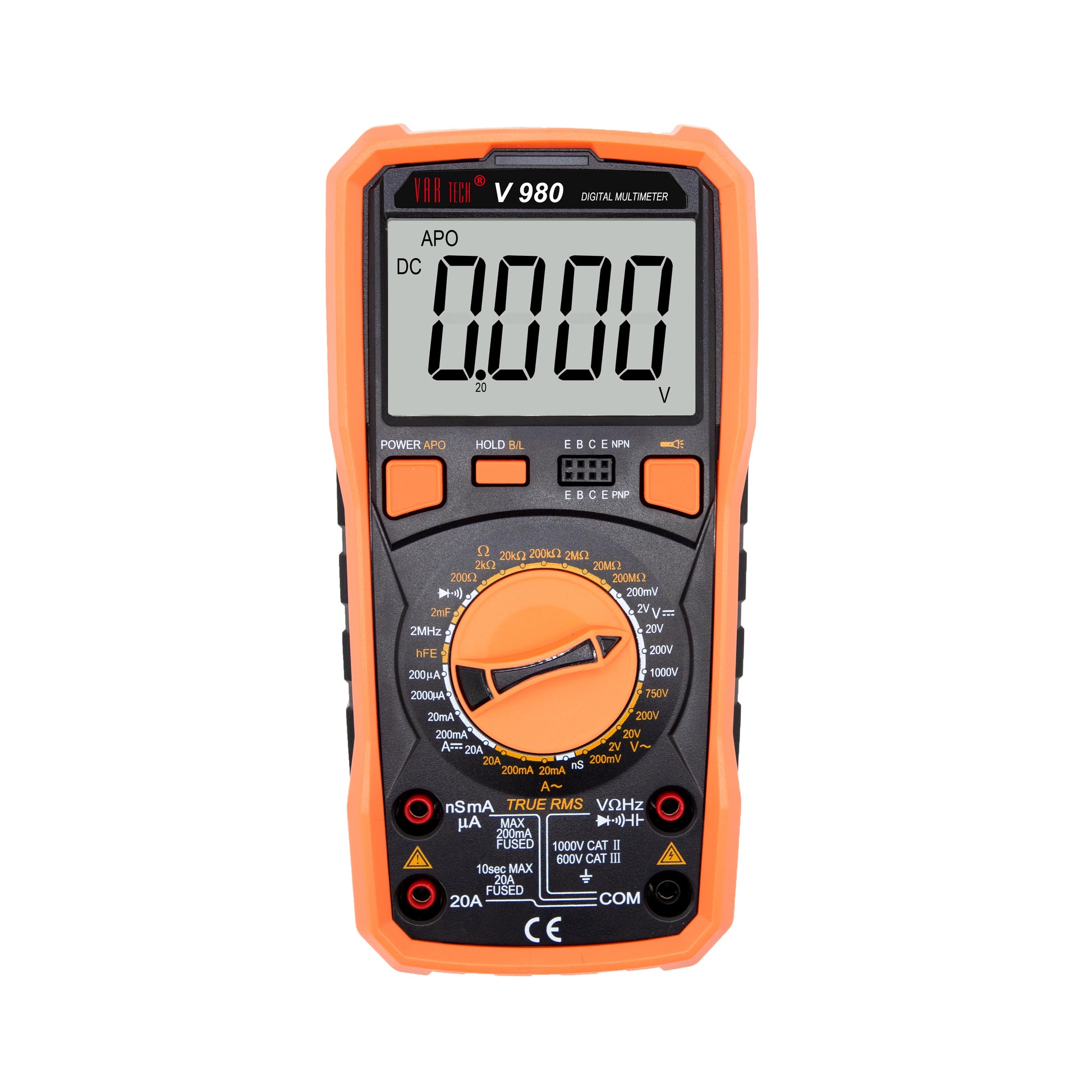
Credit: var-tech.com
Frequently Asked Questions
What Is The Difference Between 6000 And 20000 Counts Multimeters?
A 6000 counts multimeter shows readings up to 5999, while a 20000 counts model displays up to 19999. Higher counts mean better resolution and accuracy for precise measurements in electronics and electrical testing.
Which Multimeter Is Better For Professional Use?
A 20000 counts multimeter is better for professionals due to higher resolution and accuracy. It captures subtle changes in measurements, essential for advanced troubleshooting and detailed diagnostics.
Can 6000 Counts Multimeters Handle Complex Measurements?
Yes, 6000 counts multimeters are suitable for general-purpose measurements. However, they may lack the precision required for highly detailed or sensitive electronic work compared to 20000 counts models.
How Does Count Affect Multimeter Measurement Accuracy?
Higher counts improve measurement resolution, allowing finer distinctions in readings. This leads to more accurate and reliable results, especially when testing low voltage or small signals.
Conclusion
Choosing between a 6000 and 20000 counts multimeter depends on your needs. The 6000 count suits basic tasks well. The 20000 count offers higher accuracy for detailed work. Both types measure voltage, current, and resistance. Think about your budget and project requirements.
A simple multimeter can handle everyday jobs easily. For more precise readings, the higher count helps a lot. Remember, the right tool makes work easier and safer. Pick what fits your skill and task best.