If your vehicle is acting up, the throttle position sensor (TPS) might be the culprit. Knowing how to test a TPS sensor with a multimeter can save you time and money before rushing to the mechanic.
Imagine being able to diagnose the problem yourself, with just a simple tool you probably already own. In this guide, you’ll learn clear, step-by-step instructions to check your TPS sensor quickly and accurately. By the end, you’ll feel confident handling this crucial part of your car’s system.
Ready to take control of your vehicle’s health? Let’s dive in.

Credit: www.fluke.com
Tps Sensor Basics
The Throttle Position Sensor (TPS) plays a key role in your vehicle’s engine. It tells the engine control unit how far the throttle is open. This information helps the engine adjust fuel and air mix for smooth running.
Understanding the basics of the TPS sensor helps you spot problems early. It also makes testing the sensor easier and more accurate.
What The Tps Sensor Does
The TPS sensor measures the position of the throttle plate. The throttle plate controls air flow into the engine. As you press the gas pedal, the sensor sends a signal to the engine’s computer. This signal changes with the throttle position. The engine then adjusts fuel injection and ignition timing. This keeps the engine running efficiently and smoothly.
Common Symptoms Of A Faulty Tps
A bad TPS sensor can cause many problems. The engine might hesitate or jerk during acceleration. You could notice rough idling or stalling. Sometimes, the check engine light turns on. Poor fuel economy or sudden power loss can also occur. These signs suggest the TPS sensor needs testing or replacement.
Credit: www.youtube.com
Tools You’ll Need
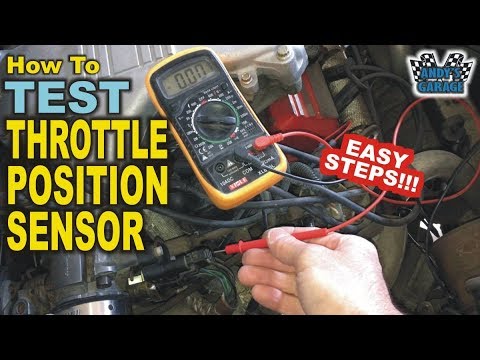
Testing a Throttle Position Sensor (TPS) with a multimeter requires specific tools. Having the right equipment helps you get accurate results. It also makes the process easier and faster.
Below, find the tools needed. Each item plays a key role in testing the TPS sensor correctly.
Choosing The Right Multimeter
Pick a multimeter that measures voltage, resistance, and continuity. A digital multimeter is best for clear readings. Look for one with a good display and easy controls. Make sure the multimeter can measure low voltage accurately. This feature is important for TPS sensor tests.
Additional Supplies
Besides the multimeter, you need a few more supplies. Use back-probe pins or thin probes to reach sensor wires without damage. Have electrical contact cleaner to clean connectors if needed. A flashlight helps to see tight spaces under the hood. Keep gloves handy for safety and grip. Also, have a vehicle repair manual for your car model. It guides you on sensor location and wiring details.
Preparing For The Test
Preparing for the test is the first step in checking your TPS sensor. It helps ensure accurate results and keeps you safe. This section guides you through locating the sensor and taking safety measures before testing.
Locating The Tps Sensor
The TPS sensor sits on the throttle body of your engine. It connects to the throttle plate shaft. Find the throttle body near the air intake manifold. The sensor usually has a three-wire connector. Look for a small plastic part attached to the throttle. Identifying the sensor correctly saves time and avoids mistakes.
Safety Precautions
Safety is important when working on your vehicle. Start by turning off the engine and removing the key. Disconnect the battery to avoid electric shocks. Wear gloves to protect your hands from sharp parts. Work in a well-ventilated area to avoid harmful fumes. Keep tools organized and away from moving parts. Follow these steps to keep yourself safe and the test accurate.

Credit: www.onallcylinders.com
Testing Voltage Output
Testing the voltage output of a Throttle Position Sensor (TPS) helps find if it works properly. The TPS sends voltage signals to the car’s computer. These signals change as the throttle moves. Measuring these voltages with a multimeter shows if the sensor is good or bad.
Setting Up Your Multimeter
Turn on your multimeter and set it to measure DC voltage. Use the 20-volt range for accuracy. Connect the black probe to the ground or negative terminal. Use the red probe for positive readings. Make sure your multimeter is ready before testing the TPS.
Measuring The Reference Voltage
Find the TPS reference wire, usually 5 volts from the car’s battery. Touch the red probe to this wire. Place the black probe on a good ground. The multimeter should show about 5 volts. A different reading means a wiring or power problem.
Checking The Signal Voltage
Put the red probe on the TPS signal wire. Keep the black probe on the ground. Slowly open the throttle by hand. Watch the voltage rise smoothly from about 0.5 volts to near 4.5 volts. Sudden jumps or drops mean the TPS is faulty.
Testing Sensor Resistance
Testing the resistance of a Throttle Position Sensor (TPS) helps check its condition. Resistance tells how well the sensor passes electrical current. This test shows if the sensor works right or has faults. A multimeter with an ohmmeter function measures this resistance. Follow clear steps to get accurate readings.
Using The Ohmmeter Function
Set the multimeter to the ohmmeter mode. This mode measures resistance in ohms (Ω). Connect the multimeter leads to the sensor terminals. Make sure the sensor is disconnected from the vehicle. Slowly move the sensor shaft or pedal. Watch for changes in the resistance reading on the multimeter. The resistance should change smoothly without sudden jumps.
Interpreting Resistance Readings
Check the sensor’s resistance against the manufacturer’s specs. The resistance should increase or decrease steadily as the sensor moves. Sudden spikes or drops mean the sensor is faulty. A constant reading with no change is also a bad sign. Compare your readings carefully to decide if the TPS needs replacing.
Analyzing Test Results
After testing the TPS sensor with a multimeter, the next step is to analyze the results. This step helps you know if the sensor works well or needs replacement. Understanding the numbers and patterns is key. It guides you to make the right repair choices. Below are ways to spot normal readings and signs of faulty sensors.
Identifying Normal Readings
Normal readings show a smooth change in voltage as you move the throttle. The voltage should start near 0.5 volts at closed throttle. It rises steadily to about 4.5 volts at full throttle. No sudden jumps or drops should appear. The sensor’s resistance also changes evenly without spikes. These signs mean the TPS sensor is working correctly.
Detecting Faulty Sensor Indicators
Faulty sensors give unusual or erratic readings. Voltage may jump or drop sharply without moving the throttle. Sometimes it stays fixed at one value, showing no change. Resistance might be inconsistent or have gaps. These issues cause engine problems like rough idling or poor acceleration. Finding these signs means you need to replace the TPS sensor soon.
Next Steps After Testing
After testing the TPS sensor with a multimeter, knowing what to do next is important. The test results guide your next steps. You can decide whether the sensor needs replacement or if other checks are necessary. This helps keep your vehicle running smoothly and prevents further issues.
When To Replace The Tps Sensor
Replace the TPS sensor if the voltage readings are outside the normal range. Look for jumps or drops in voltage that do not match the throttle position. A faulty TPS often causes rough idling, poor acceleration, or stalling. If these symptoms appear along with bad test results, replacement is the best option.
Also, replace the sensor if it fails the resistance or continuity test. Sometimes cleaning the sensor helps, but most times, replacement is safer. Using a new TPS sensor restores proper throttle response and engine performance.
Additional Diagnostics To Consider
Testing the TPS sensor is one step in vehicle diagnosis. Check the wiring harness for damage or loose connections. Faulty wiring can cause wrong sensor readings.
Scan the vehicle’s computer for trouble codes. These codes help identify related issues like fuel or ignition problems. Test other related sensors, such as the idle air control valve or mass airflow sensor. They work together with the TPS to control engine performance.
Frequently Asked Questions
What Is A Tps Sensor And Why Test It?
A TPS sensor measures throttle position in vehicles. Testing ensures accurate readings for smooth engine performance and fuel efficiency.
How Do You Test A Tps Sensor With A Multimeter?
Connect the multimeter to the TPS sensor terminals. Measure voltage changes as the throttle moves. Stable, smooth voltage indicates a good sensor.
What Voltage Range Should A Tps Sensor Show?
Typically, a TPS sensor voltage ranges from 0. 5 to 4. 5 volts. It starts low at idle and increases smoothly with throttle opening.
Can A Faulty Tps Sensor Cause Engine Problems?
Yes, a bad TPS sensor can cause rough idling, poor acceleration, and stalling. Testing helps identify and fix these issues early.
Conclusion
Testing a TPS sensor with a multimeter is simple and helpful. It lets you find problems early and save money. Follow the steps carefully and check the readings. A good sensor keeps your engine running smoothly. Keep your tools ready and practice safety.
Now, you can test your TPS sensor with confidence. Remember, small checks prevent big car troubles later. Try it out and keep your vehicle in top shape.