Modern electronics rely on measuring and analyzing signals. Oscilloscopes are the main tools for this job, helping engineers, technicians, and students see what is happening inside circuits. Today, you can choose between digital oscilloscopes and mixed signal oscilloscopes. Each type offers unique features and benefits. Understanding these differences is important if you want to select the right tool for your work.
Oscilloscopes are not just for experts. Even beginners use them to debug circuits, test sensors, and learn electronics. But confusion often arises when deciding between digital and mixed signal models. Some people believe mixed signal scopes are only for professionals or that digital scopes cannot handle complex tasks.
In reality, both have strengths, and choosing wisely can save money, time, and frustration.
Let’s explore how these two types work, their advantages, and when to use each. This guide will help you make a confident decision, whether you are a student, hobbyist, or engineer.
What Is A Digital Oscilloscope?
A digital oscilloscope measures and displays electrical signals as waveforms on a screen. It converts analog signals into digital data using an analog-to-digital converter (ADC). This allows you to view, store, and analyze the data on a computer-like interface.
Digital oscilloscopes replaced older analog models because they offer:
- Higher accuracy: Digital processing gives precise measurements.
- Storage: You can save waveforms for later analysis.
- Advanced features: Automated measurements, math functions, and signal analysis.
Most digital oscilloscopes have two or four channels, letting you view multiple signals at once. They are ideal for testing sensors, audio circuits, and simple digital systems.
Key Features Of Digital Oscilloscopes
- Bandwidth: Measures how fast the oscilloscope can respond to changes in a signal. Typical bandwidths are 50 MHz to 1 GHz for affordable models.
- Sample rate: Tells how many times per second the oscilloscope samples the signal. Higher rates (e.g., 1 GSa/s) capture fast events.
- Memory depth: Determines how much data can be stored. More memory means longer recording time.
- Triggering: Lets you focus on specific events (like a voltage spike).
- Screen resolution: High resolution helps visualize details in waveforms.
Many digital oscilloscopes include USB ports, LAN connections, and software for exporting data.
Who Uses Digital Oscilloscopes?
These scopes are popular with:
- Students and hobbyists learning electronics
- Engineers testing analog circuits
- Technicians troubleshooting simple faults
Digital oscilloscopes are best for analog signals and basic digital testing.
What Is A Mixed Signal Oscilloscope?
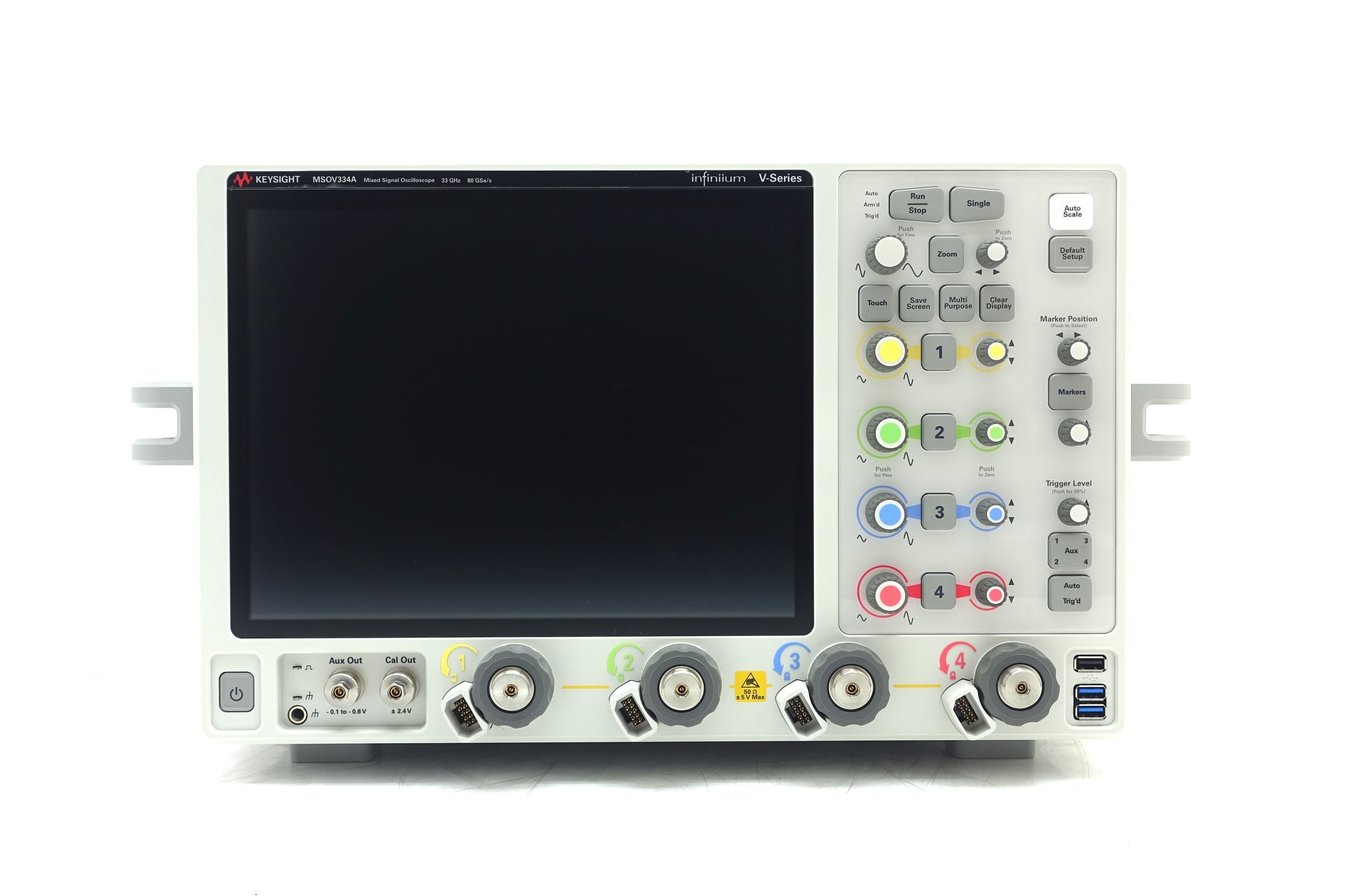
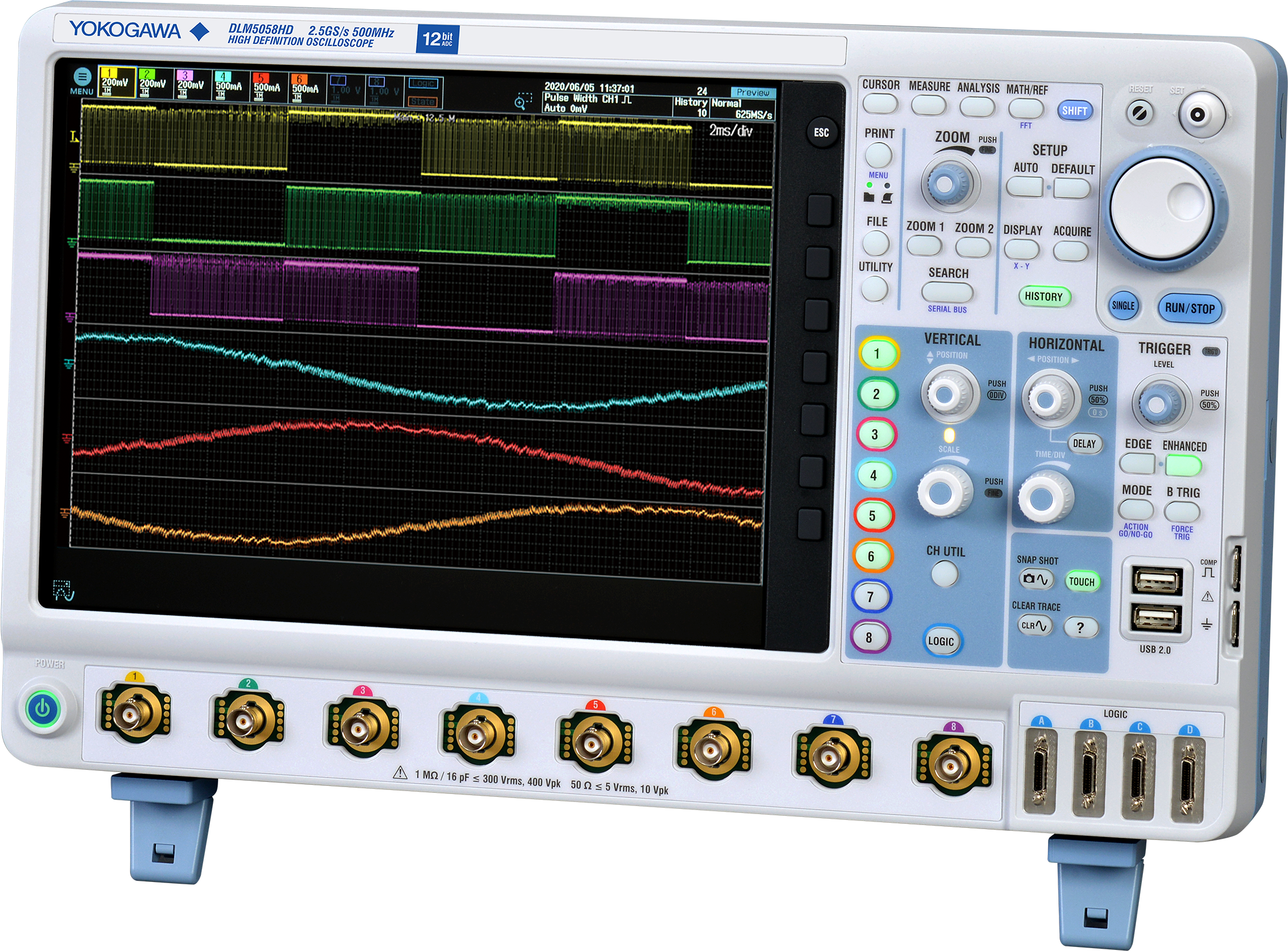
A mixed signal oscilloscope (MSO) is a digital oscilloscope with extra features for digital analysis. It can measure both analog signals and digital signals at the same time. This is useful in modern devices, where analog and digital circuits often work together.
An MSO has traditional analog channels plus many digital channels (sometimes 16 or more). You can see how digital data lines (like microcontroller pins) change alongside analog voltages.
Key Features Of Mixed Signal Oscilloscopes
- Analog channels: Usually 2–4, same as a digital oscilloscope.
- Digital channels: 8, 16, or more for monitoring digital lines.
- Logic analysis: Shows digital signals as high (1) or low (0).
- Protocol decoding: Understands communication standards (like SPI, I2C, UART).
- Time correlation: Displays analog and digital signals together for easy comparison.
Mixed signal oscilloscopes often include features for debugging embedded systems, microcontrollers, and digital communication.
Who Uses Mixed Signal Oscilloscopes?
MSOs are favored by:
- Embedded system engineers
- Developers working with microcontrollers (Arduino, STM32, etc.)
- Professionals designing devices with sensors, displays, and wireless communication
MSOs are essential when you need to debug both analog and digital signals in a project.

Credit: www.keysight.com
Digital Vs Mixed Signal Oscilloscope: Key Differences
Choosing between a digital oscilloscope and an MSO depends on your needs. Here’s a clear comparison:
| Feature | Digital Oscilloscope | Mixed Signal Oscilloscope |
|---|---|---|
| Signal Types | Analog only | Analog + Digital |
| Channels | 2–4 analog | 2–4 analog, 8–16 digital |
| Logic Analysis | No | Yes |
| Protocol Decoding | Rare | Common |
| Use Cases | Analog circuits, simple digital | Embedded systems, microcontrollers |
| Price | Lower | Higher |
Real-world Example
Suppose you are testing a sensor connected to a microcontroller. With a digital oscilloscope, you can see the sensor’s voltage signal. But you cannot easily check the microcontroller’s digital output pins. An MSO lets you monitor both the sensor’s analog signal and the digital pins at the same time.
This saves troubleshooting time.
Advantages And Limitations
Understanding the strengths and weaknesses helps you avoid common mistakes.
Digital Oscilloscope Advantages
- Affordable: Entry-level models start under $300.
- Simple to use: Less setup, fewer features.
- Good for analog work: Audio, sensors, power supplies.
Digital Oscilloscope Limitations
- Cannot view multiple digital signals easily
- No protocol decoding for digital communication
- Limited for embedded and modern digital projects
Mixed Signal Oscilloscope Advantages
- Versatile: Handles analog and digital signals
- Debugging power: Finds errors in digital systems fast
- Protocol decoding: Decodes SPI, I2C, UART, CAN, and more
Mixed Signal Oscilloscope Limitations
- Higher cost (starting around $600–$800)
- More complex interface
- Sometimes overkill for simple analog projects
Choosing The Right Oscilloscope
Your choice depends on what you work on most. Here are key questions to ask:
- Do you need to measure both analog and digital signals?
- Will you debug microcontrollers, digital buses, or communication protocols?
- Is budget a concern?
- Do you prefer a simple interface or advanced features?
Comparison Table: Typical Use Cases
| User Type | Recommended Oscilloscope | Reason |
|---|---|---|
| Student | Digital Oscilloscope | Low cost, easy to learn |
| Hobbyist | Digital Oscilloscope | Analog circuits, basic tasks |
| Embedded Engineer | Mixed Signal Oscilloscope | Debugging digital systems |
| Professional Technician | Mixed Signal Oscilloscope | Complex troubleshooting |
| Audio Engineer | Digital Oscilloscope | Focus on analog signals |
Non-obvious Insights
- Many beginners think MSOs are only for experts, but using digital channels is often simple.
- Mixed signal scopes can save hours by showing digital glitches alongside analog waveforms.
- Some digital oscilloscopes have limited protocol decoding, but MSOs are built for it.
Common Mistakes When Buying
Avoid these errors when choosing your oscilloscope:
- Ignoring future needs: You might start with analog circuits but later need digital analysis. Consider growth.
- Overpaying for features: Buying an MSO if you never work with digital signals wastes money.
- Underestimating memory depth: Low memory can miss important signal events.
- Not checking software compatibility: Some brands offer poor PC software, making analysis harder.
Credit: www.keysight.com
Practical Tips For Using Oscilloscopes
- Label your probes: Mixing up analog and digital probes leads to confusion.
- Use protocol decoding carefully: Check if your scope supports your communication protocol.
- Calibrate regularly: Oscilloscopes drift over time; calibration keeps measurements accurate.
- Record signals for review: Saving waveforms helps compare past and future results.
- Start with simple setups: Avoid using too many channels until you understand the interface.
Market Trends And Statistics
The oscilloscope market is growing fast. According to industry reports, global oscilloscope sales reached $2.1 billion in 2023. Mixed signal models account for nearly 30% of new purchases, as embedded systems and IoT devices increase. Brands like Tektronix, Keysight, and Rohde & Schwarz dominate the market.
New MSO models offer advanced features like touchscreen displays, wireless data transfer, and cloud storage. Digital oscilloscopes are also improving, with better sample rates and user interfaces.
For more on the oscilloscope market, see this Wikipedia article.
Credit: tmi.yokogawa.com
Frequently Asked Questions
What Is The Main Difference Between Digital And Mixed Signal Oscilloscopes?
The main difference is that digital oscilloscopes measure only analog signals, while mixed signal oscilloscopes can measure both analog and digital signals at the same time. MSOs have extra digital channels for logic analysis and protocol decoding.
Can I Use A Digital Oscilloscope For Microcontroller Debugging?
You can use a digital oscilloscope to view analog signals from sensors or power lines. However, it is not ideal for debugging digital pins or communication protocols. For microcontroller work, a mixed signal oscilloscope is much better.
Are Mixed Signal Oscilloscopes Harder To Use?
Mixed signal oscilloscopes have more features, but the basic functions are similar to digital scopes. The extra digital channels may require setup, but most brands make the interface user-friendly. Beginners can quickly learn to use MSOs.
Do Mixed Signal Oscilloscopes Cost Much More?
Yes, MSOs are more expensive than digital oscilloscopes because they include extra hardware and software for digital analysis. Entry-level MSOs start around $600–$800, while basic digital scopes can be found for under $300.
Which Brands Offer Good Mixed Signal Oscilloscopes?
Top brands include Tektronix, Keysight, Rigol, and Rohde & Schwarz. These companies offer reliable MSOs with good support and software. Always check reviews and specifications before buying.
Oscilloscopes are powerful tools for electronics work. Choosing between digital and mixed signal types depends on your projects. If you only work with analog circuits, a digital oscilloscope is affordable and easy. If you deal with microcontrollers or embedded systems, an MSO is worth the investment.
Understanding these differences will help you work smarter and solve problems faster.