
Network Analyzer Vs Oscilloscope: Key Differences, Uses, And Practical Insights
Choosing the right tool for testing electronic circuits can be confusing. Two of the most common instruments are the network analyzer and the oscilloscope. Both are essential in electronics, but they serve very different purposes. If you’re new to electronics, or just want to understand these devices better, this guide will help you compare them clearly. You’ll learn what each instrument does, where it shines, and which one fits your needs.
What Is A Network Analyzer?
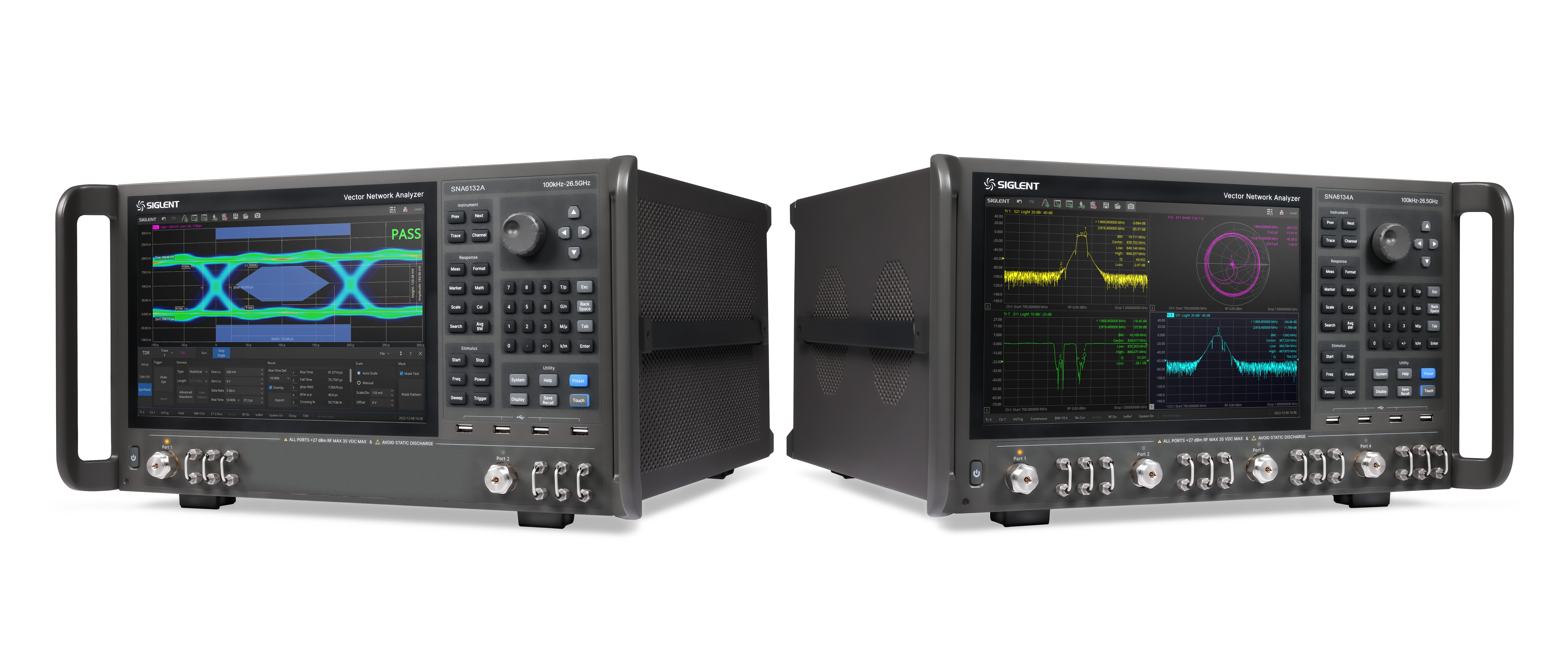
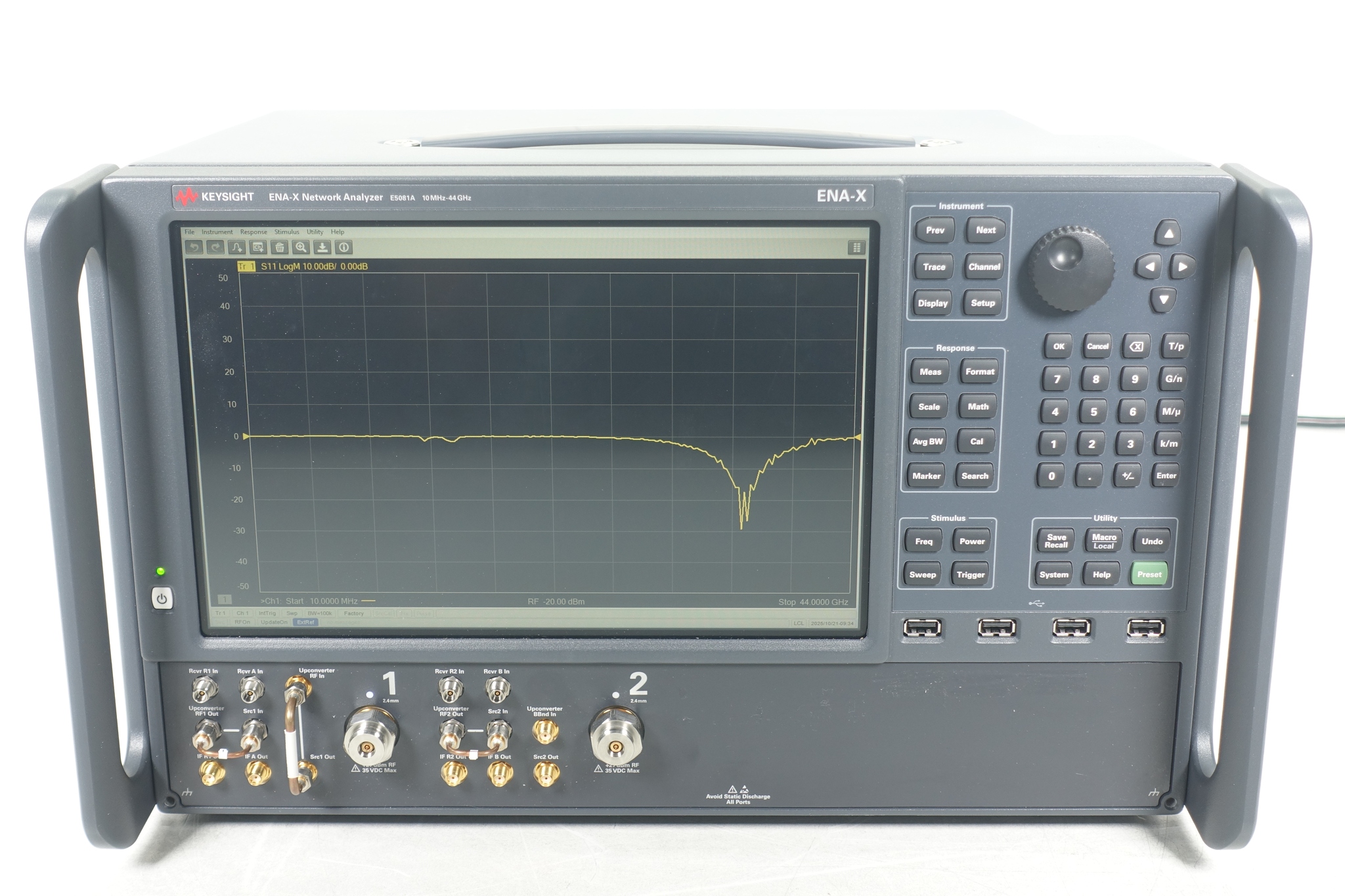
A network analyzer is a device used to measure electrical networks, especially how signals behave through them. Most often, it’s used for radio frequency (RF) and microwave circuits. The main job of a network analyzer is to test how signals are transmitted and reflected in cables, antennas, amplifiers, and filters.
Network analyzers can measure things like:
- S-parameters (scattering parameters): These show how much of a signal passes through or bounces back from a device.
- Gain: How much a signal is amplified.
- Loss: How much signal is lost during transmission.
There are two main types:
- Vector Network Analyzer (VNA): Measures both magnitude and phase of signals. Most advanced and commonly used.
- Scalar Network Analyzer (SNA): Measures only signal strength (magnitude).
VNAs are used in testing wireless devices, satellite communications, and high-speed electronics. SNAs are simpler and cheaper, good for basic RF tests.
What Is An Oscilloscope?
An oscilloscope shows how a signal changes over time. It displays the waveform on a screen, letting you see things like voltage, frequency, and noise. Oscilloscopes are used in almost every electronics lab. They help you:
- Visualize voltage or current waveforms.
- Find signal problems, like glitches or spikes.
- Measure timing between events.
Oscilloscopes can be:
- Analog: Older type, less common now.
- Digital: Most popular, more features and accuracy.
Modern oscilloscopes can record and analyze many types of signals, from slow DC voltages to fast digital pulses.
Credit: siglentna.com
Main Differences Between Network Analyzer And Oscilloscope
Understanding how these instruments differ is key to choosing the right one. Here’s a simple breakdown:
| Feature | Network Analyzer | Oscilloscope |
|---|---|---|
| Primary Use | Frequency-domain analysis | Time-domain analysis |
| Measures | S-parameters, gain, loss | Voltage/current vs time |
| Display | Amplitude & phase vs frequency | Waveform vs time |
| Typical Applications | RF, microwave, antennas | General electronics, digital circuits |
| Price Range | $2,000–$100,000+ | $300–$20,000+ |
Non-obvious insight: Many beginners think oscilloscopes can measure everything. However, oscilloscopes cannot analyze frequency response, phase, or S-parameters—these are unique to network analyzers.
How Network Analyzers Work
Network analyzers generate signals and send them through a device under test (DUT), like an antenna or filter. They then measure how much of the signal comes out and how much is reflected. The analyzer compares the input and output, showing details like loss or gain.
Most VNAs can sweep across a wide frequency range (from a few kHz up to 50 GHz or more). They use reference channels for accuracy, and calibration is critical to get reliable results.
Typical Measurement Example
Suppose you’re testing a Wi-Fi antenna. The VNA sends a signal from 2. 4 GHz to 2. 5 GHz and measures how much is reflected (S11) and how much passes through (S21). These results show if the antenna is tuned correctly and works well at Wi-Fi frequencies.
How Oscilloscopes Work
Oscilloscopes sample the voltage of a signal many times per second and plot it on the screen. This lets you see if the signal is stable, noisy, or has unexpected spikes. You can also measure:
- Rise/fall time of pulses
- Pulse width
- Timing between events
Digital oscilloscopes have advanced features, like math functions, automatic measurements, and memory for recording long waveforms.
Typical Measurement Example
Imagine troubleshooting a microcontroller circuit. You probe the clock signal with an oscilloscope. The screen shows if the clock is clean, or if there’s jitter or missing pulses. You can zoom in to check timing between signals.
Non-obvious insight: Oscilloscopes are not just for viewing waveforms. Many models can decode digital signals (like I2C, SPI, UART) and trigger on specific events, making them powerful for embedded system work.
Key Applications
Network Analyzer Applications
- RF circuit design: Testing amplifiers, filters, and mixers.
- Antenna testing: Checking impedance and return loss.
- Cable and connector testing: Finding faults and mismatches.
- Wireless communications: Ensuring devices work across frequencies.
Network analyzers are critical in industries like telecom, aerospace, and medical devices.
Oscilloscope Applications
- Circuit debugging: Finding faults in electronics.
- Timing analysis: Checking delays and synchronization.
- Signal integrity: Measuring noise and distortion.
- Digital communications: Decoding and testing data buses.
Oscilloscopes are used everywhere—from automotive repair to university labs.
Credit: www.keysight.com
Choosing Between Network Analyzer And Oscilloscope
Picking the right tool depends on what you need to measure.
| Scenario | Best Tool | Reason |
|---|---|---|
| Testing RF filter performance | Network Analyzer | Measures frequency response and loss |
| Debugging microcontroller signals | Oscilloscope | Shows voltage and timing over time |
| Checking antenna matching | Network Analyzer | Shows reflection (S11) vs frequency |
| Measuring signal glitches | Oscilloscope | Visualizes fast events and noise |
Practical tip: If you want to measure how a device responds to different frequencies, use a network analyzer. If you want to see how a signal changes over time, use an oscilloscope.
Specifications That Matter
When buying or using these instruments, check these important specs:
For Network Analyzers
- Frequency range: Higher ranges are needed for microwave and 5G work.
- Dynamic range: Shows how weak or strong signals it can measure.
- Number of ports: More ports allow testing complex devices.
- Sweep speed: Faster is better for production lines.
For Oscilloscopes
- Bandwidth: Higher bandwidth lets you see faster signals.
- Sample rate: More samples per second mean better accuracy.
- Memory depth: Allows recording longer signals.
- Number of channels: More channels help in multi-signal analysis.
Common mistake: Many buyers focus only on bandwidth or frequency range. But dynamic range and memory depth are equally important for real-world testing.
Limitations And Challenges
Neither tool is perfect for every job.
Network Analyzer Limitations
- Expensive, especially high-frequency models.
- Needs careful calibration.
- Not useful for low-speed or time-domain signals.
Oscilloscope Limitations
- Cannot measure frequency response or S-parameters.
- Limited frequency range (most go up to a few GHz).
- Needs good probes and setup to avoid errors.
Non-obvious insight: Calibration is often overlooked. Poor calibration in a network analyzer can lead to wrong measurements, especially in professional RF work. Always calibrate before testing.
Real-world Example: 5g Device Testing
Testing a 5G smartphone involves both tools:
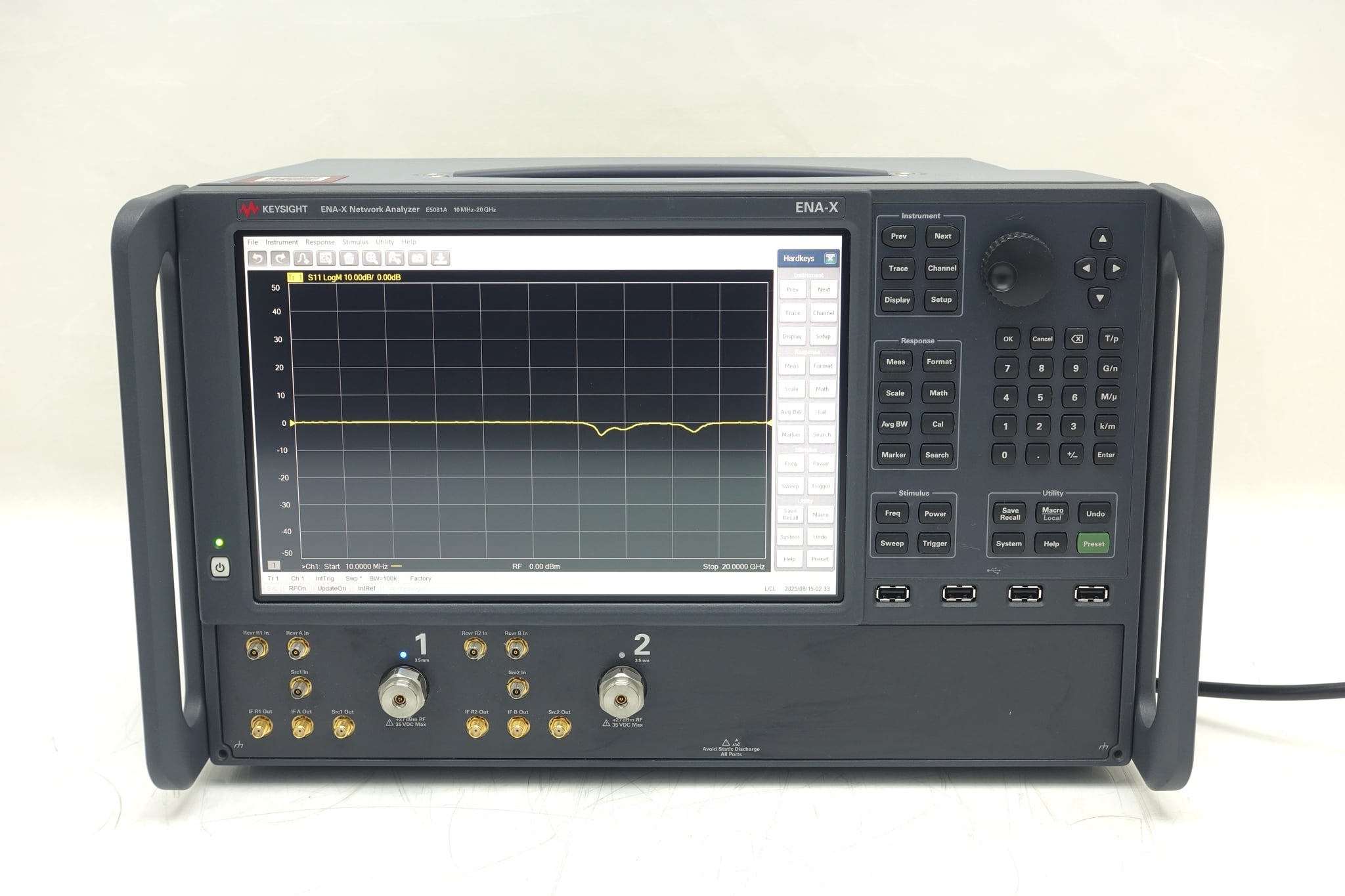
- Network Analyzer: Checks antenna performance at 3.5 GHz and above. Ensures the antenna matches the frequency bands and doesn’t lose signal.
- Oscilloscope: Monitors digital signals between chips, checks timing, and detects glitches in high-speed data lines.
Using both gives a complete picture of the device’s performance.
Credit: www.keysight.com
Comparison Table: Summary
Here’s a quick summary of their differences for easy reference:
| Aspect | Network Analyzer | Oscilloscope |
|---|---|---|
| Signal Analysis | Frequency-domain | Time-domain |
| Measurement Focus | S-parameters, gain, loss | Voltage, timing |
| Best For | RF, microwave, antennas | General electronics, digital signals |
| Calibration Needs | High | Moderate |
| Typical Price | High | Low to medium |
How To Decide Which One You Need
Ask yourself these questions:
- Are you working with RF or microwave circuits? If yes, a network analyzer is required.
- Do you need to see signal shape or timing? Then an oscilloscope is ideal.
- Are you testing antennas or filters? Network analyzer.
- Are you debugging digital electronics? Oscilloscope.
If you have the budget, both tools are useful. But for most beginners and hobbyists, an oscilloscope is more versatile.
Tips For Beginners
- Start with an oscilloscope if you’re new to electronics. It helps you understand signals and troubleshoot circuits.
- Learn calibration basics for both tools. Calibration is key for accurate results.
- Rent or borrow a network analyzer before buying, especially for expensive models.
- Use good quality probes and cables. Bad accessories can ruin your measurements.
- Read manuals and tutorials. Manufacturers often provide free guides.
For deeper learning, visit Wikipedia’s Network Analyzer page.
Frequently Asked Questions
What Is The Main Difference Between A Network Analyzer And An Oscilloscope?
The main difference is in what they measure. A network analyzer analyzes signals in the frequency domain, focusing on S-parameters, gain, and loss. An oscilloscope shows signal changes over time (time domain), letting you visualize waveforms and timing.
Can An Oscilloscope Replace A Network Analyzer?
No. An oscilloscope cannot measure S-parameters, frequency response, or phase information. It’s great for time-domain signals, but not for RF or frequency analysis.
Which Tool Is Better For Antenna Testing?
A network analyzer is better for antenna testing because it can measure reflection and transmission across a wide range of frequencies, showing if the antenna is tuned correctly.
How Much Do These Instruments Cost?
Network analyzers range from $2,000 to over $100,000, depending on frequency range and features. Oscilloscopes start at about $300 for basic models and can go up to $20,000 for high-end versions.
Do I Need Both Instruments For Electronics Work?
It depends on your projects. For RF and wireless work, a network analyzer is essential. For general circuit debugging and digital electronics, an oscilloscope is usually enough. Advanced labs often have both.
Understanding the roles of network analyzers and oscilloscopes will help you test and design electronic circuits more effectively. With this knowledge, you can choose the right instrument for your next project and avoid common beginner mistakes.