If you’ve ever tested electronic circuits, you’ve likely used a function generator. But you may have noticed two output options: 50 Ohm and High Z (High Impedance). These settings seem simple, yet they affect your measurements and circuit performance in big ways. Understanding the difference is crucial for accurate results, especially if you’re new to lab equipment or troubleshooting.
This article walks you through the 50 Ohm vs High Z dilemma, using 50 practical examples. Each item highlights a real-world scenario or application, so you’ll see how the choice impacts signal integrity, power delivery, and more. Whether you’re designing, testing, or learning electronics, this guide will help you make confident decisions.
What Does 50 Ohm Mean?
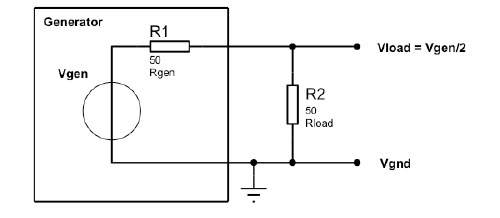
A 50 Ohm output means the function generator presents a source impedance of 50 ohms. This matches standard lab cables and RF systems. When connected to a 50-ohm load, signal amplitude and power are correctly delivered, minimizing reflection and distortion. Many coaxial cables (like RG58) are designed for 50 Ohm systems.
What Is High Z?
High Z (High Impedance) usually refers to outputs with very high internal resistance—often thousands or millions of ohms. In High Z mode, the generator sends the full voltage, expecting little current to flow. This setting is used when connecting to loads with high impedance, like oscilloscope probes or amplifier inputs.
50 Examples: Function Generator 50 Ohm Vs High Z
Here are 50 practical scenarios comparing the two output types. Each example highlights why the right setting matters.
1. Rf Signal Testing
If you’re testing radio frequency circuits, 50 Ohm output gives accurate power and voltage. High Z distorts RF signals.
2. Oscilloscope Probes
Oscilloscope probes are typically high impedance. Use High Z output for correct voltage readings.
3. Audio Circuit Input
Audio devices often have high input impedance. High Z avoids signal loss.
4. Transmission Line Matching
For coaxial cables, a 50 Ohm match prevents signal reflection and ensures integrity.
5. Logic Level Testing
Digital logic circuits expect specific voltages. High Z ensures signals aren’t reduced by the generator’s output resistance.
6. Impedance Measurement
If you’re measuring impedance, use 50 Ohm for known source resistance.
7. Power Amplifier Drive
Amplifiers often expect high input impedance. High Z maintains signal strength.
8. Signal Attenuation
A mismatch can cause signal attenuation. 50 Ohm prevents loss in cable systems.
9. Breadboard Testing
Breadboards are high impedance. High Z output prevents voltage drop.
10. Filter Response Analysis
Filters with high input impedance perform best with High Z.
11. Rf Power Meter Calibration
Power meters are calibrated for 50 Ohm. Use 50 Ohm output.
12. Sensor Simulation
Sensors with high impedance need High Z for realistic simulation.
13. Signal Integrity In Cables
50 Ohm matches coaxial cable, reducing distortion.
14. Pulse Generator Applications
Pulse circuits require precise timing. 50 Ohm avoids rounding of pulses.
15. Capacitive Load Testing
Capacitive loads work better with High Z output.
16. Low-power Circuit Testing
Low-power circuits have high input impedance. High Z prevents loading.
17. Transmission Line Delay Measurement
50 Ohm gives accurate timing for delay measurement.
18. Isolation Amplifier Input
Isolation amplifiers expect high impedance. Use High Z.
19. Mixer Input Testing
Mixers used in RF circuits need 50 Ohm for proper signal transfer.
20. Signal Generator Calibration
Calibration is performed against 50 Ohm standards.
21. Crystal Oscillator Simulation
Crystal circuits have high impedance—High Z is best.
22. Microcontroller Input
Microcontrollers are high impedance devices. High Z ensures accuracy.
23. Antenna Testing
Antennas often require 50 Ohm matching for performance.
24. Audio Mixer Input
Mixers have high impedance. High Z prevents signal loss.
25. Buffer Amplifier Input
Buffer amplifiers expect high impedance. High Z is ideal.
26. Test Fixture Design
Test fixtures for RF use 50 Ohm for consistency.
27. Cable Loss Measurement
Loss measurements are accurate with 50 Ohm matching.
28. Power Divider Testing
Power dividers operate in 50 Ohm systems.
29. Comparator Input
Comparators have high impedance. Use High Z.
30. Signal Reflection Analysis
50 Ohm prevents unwanted reflections.
31. Signal Coupling To Oscillators
Oscillators with high impedance need High Z.
32. Data Communication Line Simulation
Communication lines (like Ethernet) use 50 Ohm for simulation.
33. Sampling Circuit Input
Sampling circuits are high impedance. High Z is best.
34. Rf Switch Testing
RF switches are 50 Ohm devices.
35. Active Filter Input
Active filters require high impedance—use High Z.
36. Frequency Response Measurement
50 Ohm gives accurate frequency response in RF.
37. Low-pass Filter Testing
Low-pass filters with high impedance inputs need High Z.
38. Voltage Divider Analysis
Voltage dividers are sensitive to loading—High Z helps.
39. Preamp Input Testing
Preamps are high impedance. High Z is correct.
40. Attenuator Calibration
Attenuators use 50 Ohm for calibration.
41. Logic Analyzer Input
Logic analyzers are high impedance. Use High Z.
42. Rf Attenuator Testing
Attenuators are calibrated for 50 Ohm.
43. High-speed Digital Testing
High-speed digital signals require 50 Ohm for integrity.
44. Sensor Data Acquisition
Sensors often have high impedance. High Z is best.
45. Signal Conditioning Circuit Input
Conditioning circuits need high impedance—High Z.
46. Rf Coupler Testing
RF couplers are designed for 50 Ohm.
47. Differential Amplifier Input
Differential amplifiers are high impedance.
48. Photodiode Circuit Testing
Photodiodes are high impedance. High Z prevents loss.
49. Power Supply Ripple Simulation
Ripple tests are performed in high impedance circuits—High Z is best.
50. Precision Instrumentation Input
Precision instruments usually have high input impedance. High Z ensures accurate measurements.
Comparing 50 Ohm Vs High Z: Data Tables
To highlight the practical differences, here are two comparison tables:
| Scenario | Best Output Setting | Why |
|---|---|---|
| RF Circuit Testing | 50 Ohm | Minimizes signal reflection |
| Oscilloscope Probe | High Z | Ensures correct voltage reading |
| Audio Device Input | High Z | Prevents signal loss |
| Transmission Line | 50 Ohm | Ensures signal integrity |
| Microcontroller Input | High Z | Maintains voltage accuracy |
And another table comparing signal behavior:
| Output Setting | Signal Amplitude (Typical) | Reflection Risk | Load Compatibility |
|---|---|---|---|
| 50 Ohm | Half (if load is 50 Ohm) | Low | 50 Ohm systems |
| High Z | Full | High (in 50 Ohm cable) | High impedance inputs |
Key Insights Beginners Often Miss
- Voltage Halving in 50 Ohm Mode: If you connect a function generator set to 50 Ohm output to a high impedance load, the signal amplitude will be about double what you expect. That’s because the generator assumes the load is 50 Ohm and halves the voltage internally.
- Cable Length and Reflection: Using High Z with long coaxial cables (50 Ohm) can cause signal reflections and standing waves. Always match impedance for cable runs.
How To Choose: Practical Tips
- Always check your load’s impedance before selecting the output setting.
- For most test points on breadboards or IC pins, choose High Z.
- For RF circuits, use 50 Ohm—even if your device is high impedance, match the cable.
- When in doubt, start with High Z and observe the signal amplitude. Switch to 50 Ohm if you see reflections or amplitude drop.

Credit: electronics.stackexchange.com
Common Mistakes
- Using 50 Ohm output with a high impedance device causes voltage drop and inaccurate measurements.
- Using High Z with 50 Ohm cables leads to signal distortion and noise.
- Forgetting to set the generator’s amplitude correctly for your load can damage sensitive devices.
Real-world Example
Suppose you want to inject a test tone into an audio amplifier. The amp’s input is high impedance (about 10 kOhm). If you use 50 Ohm output, the signal will be too weak. High Z gives you the correct amplitude.
But if you’re testing an RF filter over a coaxial cable, 50 Ohm output is essential. High Z will cause reflections and unreliable results.

Credit: www.youtube.com
Advanced Applications
Some advanced function generators offer selectable output impedance. This feature is valuable for:
- Impedance matching in mixed systems
- Simulating different source conditions
- Calibrating sensitive instruments
If your generator has this feature, experiment with settings to see how your circuit responds.
Frequently Asked Questions
What Happens If I Use 50 Ohm Output With A High Impedance Load?
The signal amplitude will be about twice what the generator displays. This can lead to incorrect readings and confusion in measurements.
Why Does Impedance Matching Matter For Cables?
Impedance matching prevents signal reflection and loss, especially in RF and high-frequency systems. Using mismatched settings causes distortion and unreliable data.
Can I Damage My Circuit By Choosing The Wrong Output Setting?
In rare cases, yes. Sensitive ICs or amplifiers can be overloaded if the signal amplitude is too high, especially if using High Z with high voltage.
How Do I Know My Device’s Input Impedance?
Check the datasheet or manual. Most audio, logic, and measurement devices are high impedance (1 kOhm or more). RF devices usually specify 50 Ohm.
Where Can I Learn More About Function Generator Outputs?
A great resource is Wikipedia’s Function Generator article.
Credit: www.falco-systems.com
Wrapping Up
Choosing between 50 Ohm and High Z output on your function generator isn’t just a technical detail—it’s a fundamental step for accurate testing and circuit performance. By understanding real-world applications and recognizing signal behavior, you’ll avoid common pitfalls and get reliable results every time. Use this guide and its 50 examples to make informed decisions in your lab, and your measurements will always reflect reality.