When people hear about RF meters and EMF meters, they often think these devices are the same. But they are not. If you are worried about electromagnetic exposure, work with electronics, or want to measure radiation in your home, understanding the difference is important. Many beginners make the mistake of buying the wrong tool for their needs. This article will explain what each meter does, how they work, and help you choose the right one for your situation. You’ll get practical advice, real-life examples, and clear comparisons—so you can make an informed choice and avoid common mistakes.
What Is An Rf Meter?
An RF meter measures radio frequency (RF) radiation. This type of radiation comes from wireless devices, cell towers, Wi-Fi routers, cordless phones, and even baby monitors. RF meters are designed to detect high-frequency electromagnetic waves—usually from 3 kHz to 300 GHz.
For example, if you live near a cell tower or use many wireless devices, an RF meter can show how much RF radiation is present. These meters are used in homes, schools, and workplaces to check exposure levels. Professionals also use them to test and maintain wireless networks.
Typical Uses Of Rf Meters
- Checking Wi-Fi and cellular signal strength: You can measure how strong the signals are in different rooms.
- Detecting RF “hot spots”: Some places have high RF exposure, often near routers or antennas.
- Ensuring compliance: Businesses check if RF levels meet safety standards.
- Troubleshooting electronics: Engineers use RF meters to find interference or signal problems.
How Rf Meters Work
RF meters use antennas to pick up radio frequency energy. They convert this energy into readings you can see on a screen. Most RF meters show values in units like microwatts per square meter (μW/m²) or volts per meter (V/m). The readings help you understand whether you are exposed to low, medium, or high RF levels.
Some advanced RF meters can display graphs or show which frequencies are present. Basic models only show the total RF energy. If you want to know exactly what device is causing the radiation, you need a meter with frequency analysis.
What Is An Emf Meter?
An EMF meter measures electromagnetic fields (EMFs), which include both electric and magnetic fields. EMF meters are used to check exposure from power lines, electrical wiring, appliances, and other sources. These fields are usually low-frequency (from 0 Hz up to about 300 Hz), unlike RF meters that measure much higher frequencies.
For example, if you want to check the EMF levels near your refrigerator or computer, an EMF meter is the right tool. People also use EMF meters to find “dirty electricity” or stray currents in homes.
Typical Uses Of Emf Meters
- Detecting electric and magnetic fields from appliances: For example, microwaves or TVs.
- Testing home wiring: Find leaks or faults in electrical systems.
- Checking power lines: EMF meters show field strength near overhead wires.
- Finding sources of EMF in bedrooms: Many people want low EMF for better sleep.
How Emf Meters Work
EMF meters use sensors to detect electric and magnetic fields. Most show readings in milligauss (mG) or microtesla (μT) for magnetic fields, and volts per meter (V/m) for electric fields. Some meters measure only magnetic fields, while others measure both.
A common mistake is confusing EMF meters with RF meters. EMF meters cannot measure Wi-Fi or cellular signals—those are too high-frequency. They are focused on lower-frequency fields from electrical systems.
Key Differences Between Rf Meters And Emf Meters
It’s easy to mix up these meters. The main difference is the type and frequency of radiation each one measures.
| Feature | RF Meter | EMF Meter |
|---|---|---|
| Frequency Range | 3 kHz – 300 GHz (high-frequency) | 0 Hz – 300 Hz (low-frequency) |
| Measures | Radio frequency electromagnetic waves | Electric and magnetic fields |
| Common Sources | Wi-Fi, cell towers, wireless devices | Power lines, appliances, home wiring |
| Units | μW/m², V/m | mG, μT, V/m |
| Typical Users | Wireless engineers, health inspectors | Electricians, homeowners, health-conscious |
Non-obvious Insights
- Many beginners think one meter can measure all types of electromagnetic radiation, but no single device covers both RF and EMF ranges effectively.
- Some meters are advertised as “EMF meters” but only measure magnetic fields, not electric fields—always check specifications.
Choosing The Right Meter For Your Needs
Picking the correct meter depends on what you want to measure. Here are practical points to help you decide:
When To Use An Rf Meter
- You want to check exposure from wireless devices (Wi-Fi, cell towers, etc. ).
- You need to troubleshoot signal interference in electronics.
- You are concerned about health effects from high-frequency radiation.
When To Use An Emf Meter
- You need to measure fields from appliances, home wiring, or power lines.
- You want to test for magnetic fields in bedrooms or offices.
- You are worried about low-frequency exposure.
Common Mistakes
- Buying a “combo” meter: Many cheap meters claim to measure both RF and EMF, but usually do a poor job at one or both.
- Ignoring frequency range: Always check the meter’s specifications. If it doesn’t cover the frequencies you care about, it’s useless for your needs.
- Assuming more expensive means better: Price does not always equal accuracy. Some mid-range meters are more reliable than expensive models.
Practical Example
Imagine you’re worried about Wi-Fi signals in your home. An EMF meter will not detect these signals because Wi-Fi operates at 2. 4 GHz or 5 GHz—far above what EMF meters can measure. You need an RF meter.
If you’re concerned about the EMF from your refrigerator, an RF meter won’t help. The fridge produces low-frequency fields, so you need an EMF meter.

Credit: www.amazon.com
How Accurate Are These Meters?
Accuracy depends on the quality of the meter and how you use it. Most consumer meters are not calibrated to laboratory standards. Professional devices are more accurate but cost much more.
| Meter Type | Average Price Range | Typical Accuracy |
|---|---|---|
| RF Meter | $80 – $500 | ±10% to ±20% |
| EMF Meter | $40 – $300 | ±5% to ±15% |
Tips For Getting Reliable Measurements
- Read the manual: Many errors come from incorrect usage.
- Avoid metal surfaces: They can reflect or block fields, affecting readings.
- Check battery level: Low power can make meters unreliable.
- Calibrate if possible: Some meters allow you to adjust for baseline readings.
- Test multiple locations: Don’t rely on one spot—fields can vary a lot.
Health And Safety Considerations
Both RF and EMF exposures are regulated in many countries. For example, the Federal Communications Commission (FCC) in the US sets limits for RF exposure. There are no strict limits for EMF from household sources, but many people still want to reduce exposure.
What Levels Are Safe?
- For RF exposure, the FCC limit is typically 1 mW/cm² for the general public.
- For EMF, there is no single “safe” level, but experts suggest keeping magnetic fields below 1 mG in bedrooms.
Reducing Exposure
- Distance: The further you are from the source, the lower your exposure.
- Shielding: Use shielding materials to block EMF or RF if needed.
- Turn off devices: When not in use, switch off wireless devices or appliances.

Credit: safelivingtechnologies.com
Comparing Popular Models
Let’s look at how two common meters compare in features and use.
| Model | Type | Frequency Range | Features | Price |
|---|---|---|---|---|
| Acoustimeter AM-10 | RF Meter | 200 MHz – 8 GHz | Audio feedback, digital display | $350 |
| Trifield TF2 | EMF Meter | 0 Hz – 100 kHz | Measures magnetic, electric, and RF | $150 |
The Acoustimeter AM-10 is a favorite for checking wireless signals. The Trifield TF2 is popular for its ability to measure both electric and magnetic fields and even basic RF, but it’s less accurate for high-frequency RF.
Professional Vs Consumer Meters
If you are a professional (engineer, health inspector), you may need more advanced meters. These usually cost over $1000 and offer better accuracy and features like data logging or frequency analysis.
Consumer meters are cheaper, easy to use, and good enough for most home checks. But they may miss weak signals or have lower precision.
Non-obvious Insight
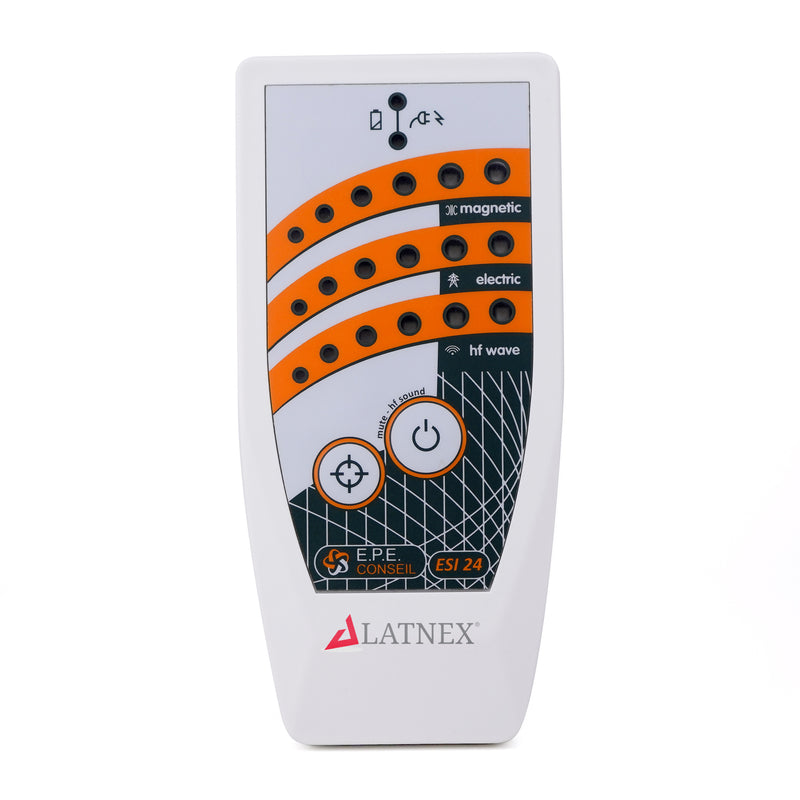
Some professional meters can connect to computers and create detailed graphs of field strength over time. This is useful for tracking changes or documenting exposure for legal or health reasons.
Credit: www.emrss.com
Frequently Asked Questions
What Is The Main Difference Between An Rf Meter And An Emf Meter?
An RF meter measures radio frequency radiation from wireless devices, while an EMF meter measures electric and magnetic fields from electrical systems and appliances. The biggest difference is the frequency range each covers.
Can One Meter Measure Both Rf And Emf?
Most meters are designed for one type. Some “combo” meters exist, but they often lack accuracy in at least one range. If you need to measure both, it’s best to buy separate, specialized meters.
Are Rf And Emf Meters Safe To Use?
Yes. Both types are passive—they detect fields but do not emit any radiation themselves. It’s important to use them according to the manual for accurate readings.
How Do I Know Which Meter I Need?
Think about the sources you want to measure. For wireless signals (Wi-Fi, cell towers), use an RF meter. For electrical appliances or power lines, use an EMF meter. Always check the frequency range listed in the product details.
Where Can I Find Official Guidelines On Safe Exposure Levels?
You can find official limits and safety information from government agencies like the FCC. For more details, see FCC Radio Frequency Safety.
Choosing the right meter is not just about price or looks. It’s about matching the tool to the job. Understanding the differences between RF and EMF meters will help you make smarter decisions, protect your health, and solve technical problems more effectively.
Remember, no single meter can cover every need. Take time to learn the basics and check specifications before you buy. With the right tool, you’ll get accurate results and peace of mind.