Choosing the right voltage tester can make all the difference in your work. When it comes to Fluke vs Klein voltage testers, you want to know which one will keep you safe, save you time, and deliver accurate results every time.
You might be wondering which brand offers better features or stands up to tough jobsite conditions. Keep reading, because this comparison will help you make a smart choice that fits your needs perfectly. By the end, you’ll feel confident picking the right tool to power up your projects.
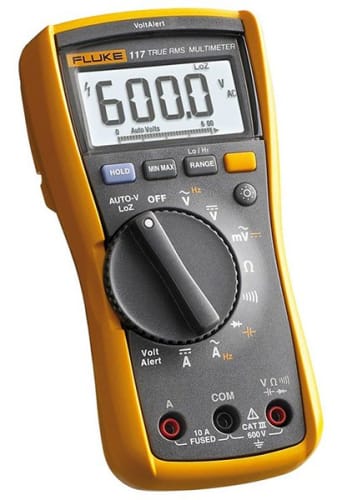
Credit: www.tequipment.net
Brand Reputation
Brand reputation plays a big role in choosing a voltage tester. It shows trust, quality, and reliability. Buyers often pick brands known for strong performance and safety. Both Fluke and Klein hold a solid place in the market. Their history and customer feedback reveal much about their products.
Fluke’s Market Presence
Fluke is a well-known brand worldwide. It has served electricians and technicians for decades. Fluke products are famous for accuracy and durability. The brand invests heavily in research and quality control. This focus helps maintain high standards. Fluke’s tools often appear in professional toolkits. Their voltage testers come with clear instructions and safety features. Many users trust Fluke for critical electrical work.
Klein’s Industry Standing
Klein Tools has a long history in the electrical industry. It is known for making tough, reliable hand tools. Klein’s voltage testers are popular among electricians. The brand focuses on user-friendly design and safety. Klein builds products that last in tough conditions. Many professionals respect Klein for consistent quality. It has a loyal customer base in the US and abroad. Klein balances cost and performance well for everyday use.

Credit: www.youtube.com
Design And Build Quality
The design and build quality of a voltage tester affect its performance and user experience. Both Fluke and Klein prioritize strong construction and practical design. These tools are made for tough work environments and frequent use. They must be easy to hold, reliable, and last long.
Ergonomics And Durability
Fluke voltage testers have a comfortable grip that fits well in the hand. They are lightweight, reducing fatigue during long tasks. The buttons and controls are easy to reach and use. Klein testers also offer good grip and balance. Their design prevents slipping, even with gloves on. Both brands use shock-resistant cases to protect internal parts. They can handle drops and rough handling without damage. This makes them reliable for daily use on job sites.
Material And Finish
Fluke testers use high-quality plastic and rubber materials. The finish is smooth but not slippery. Rubber edges add extra protection against impacts. Klein tools use durable plastic with a textured finish for better grip. Their finish resists dirt and grime, keeping the tool clean longer. Both brands ensure strong seals to protect against dust and moisture. This helps the testers work well in various conditions. The materials used give confidence in the tool’s long life.
Measurement Accuracy
Measurement accuracy is key when choosing a voltage tester. It ensures the readings are reliable and safe. Both Fluke and Klein offer strong accuracy, but they differ in some ways.
Voltage Detection Range
Fluke testers usually cover a wide voltage range. They detect from low to high voltages effectively. Klein testers also support a good range but may vary by model. A broader detection range means more versatility on different jobs.
Response Time
Response time matters for quick and efficient work. Fluke voltage testers tend to respond fast to voltage presence. Klein testers also offer quick detection but can be slightly slower. Faster response helps avoid delays and improves safety.
Safety Features
Safety is the top priority when choosing a voltage tester. Both Fluke and Klein focus on protecting users during electrical work. Their testers include several key safety features that reduce risk and increase reliability.
Overload Protection
Overload protection stops damage to the tester and the user. Fluke testers often have built-in fuses that blow if current is too high. This prevents sparks and burns. Klein testers also include overload protection, usually through a fuse or circuit breaker. This feature ensures the device can handle sudden voltage spikes safely.
Insulation And Certifications
Good insulation keeps users safe from electric shocks. Fluke testers use high-quality plastic and rubber coatings. These materials resist electricity and provide a solid grip. Klein voltage testers also have strong insulation, designed to protect hands from live wires.
Both brands carry important safety certifications. Fluke products often meet CAT III or CAT IV standards, meaning they are safe for industrial and residential use. Klein testers carry similar certifications, proving their reliability and safety in real-world conditions.
Ease Of Use
Ease of use is a vital factor when choosing a voltage tester. Both Fluke and Klein offer tools designed to simplify electrical testing. Understanding how each tester handles display, interface, and portability helps you pick the right device. A tester that is easy to read, navigate, and carry makes your work faster and safer.
Display And Interface
Fluke voltage testers feature bright, clear displays. The screen shows large numbers and symbols for quick reading. Their interface uses simple buttons that respond well. Klein testers also have easy-to-read screens but with fewer colors. The buttons on Klein devices are straightforward and well spaced. Both brands focus on clear visuals to reduce mistakes during testing.
Portability
Portability matters for electricians on the move. Fluke testers are lightweight and fit comfortably in pockets. They often include clips for hands-free use. Klein testers are compact and sturdy, designed to handle rough conditions. Both tools are easy to carry, but Fluke models tend to be slightly smaller. This makes Fluke testers a bit easier to transport all day.

Credit: www.reddit.com
Battery Life And Power Options
Battery life and power options are important for voltage testers. They affect how long the tool works and how easy it is to keep it ready. Choosing a tester with good battery life means less worry about running out during a job. Power options also play a role in convenience and cost.
Battery Type
Fluke voltage testers usually use standard AA or AAA batteries. These batteries are easy to find and replace. Klein testers often have built-in rechargeable batteries. Rechargeable batteries save money over time. They also reduce waste from disposable batteries.
Both types have pros and cons. Disposable batteries work well for long periods without charging. Rechargeable batteries need power sources but offer quick reuse. The choice depends on how and where you work.
Power Efficiency
Fluke testers tend to have efficient power use. They can last many hours before needing new batteries. Klein testers focus on low power consumption too. Their rechargeable models manage energy well to extend use.
Some models turn off automatically after inactivity. This feature helps save battery life. Power efficiency means fewer interruptions and lower costs. It supports longer work sessions with fewer pauses for charging or battery changes.
Price And Value
Price and value are key factors when choosing a voltage tester. Both Fluke and Klein offer reliable tools, but their costs and benefits differ. Understanding these differences helps you pick the right tester for your needs and budget. Let’s explore how their prices compare and what kind of warranty and support you get with each brand.
Cost Comparison
Fluke voltage testers often come with a higher price tag. This cost reflects their advanced features and durability. Klein testers are usually more affordable. They provide solid performance for everyday tasks. The choice depends on your budget and how often you plan to use the tester. Investing in Fluke might pay off for professionals who need top accuracy. For occasional use, Klein offers good value at a lower price.
Warranty And Support
Fluke provides a strong warranty, often up to three years. Their customer support is well-known and helpful. Klein also offers warranties, usually one to two years. Their support is responsive but can vary by region. A longer warranty gives peace of mind against defects. Both brands stand behind their products, but Fluke’s warranty and support are more comprehensive. This can add extra value to your purchase over time.
User Feedback
User feedback plays a vital role in choosing the right voltage tester. Real users share honest opinions about the tools’ performance. Their experiences highlight strengths and weaknesses. This section explores what professionals and customers say about Fluke and Klein voltage testers.
Professional Reviews
Experts praise Fluke for its accuracy and durability. Many find its readings reliable even in tough conditions. Klein testers are noted for their ease of use and compact design. Some professionals mention Klein’s affordability as a strong point. Both brands receive high marks for safety features. Overall, experts trust Fluke for heavy-duty work. Klein is favored for quick, simple tasks.
Customer Experiences
Customers say Fluke testers last longer and rarely fail. Users appreciate clear displays and fast response times. Klein testers get positive comments for being lightweight and easy to carry. Some users find Klein less expensive but still reliable. A few mention Fluke’s higher price but feel it’s worth it. Many users recommend both brands based on their specific needs. The feedback shows both products meet user expectations well.
Best Use Cases
Choosing the right voltage tester depends on the tasks you face daily. Both Fluke and Klein voltage testers have specific strengths. Knowing their best use cases helps pick the right tool for your job. This section highlights where each tester performs best.
Ideal Applications For Fluke
Fluke testers excel in professional and industrial environments. They handle high voltage levels safely and accurately. Electricians working on commercial buildings trust Fluke for its reliability. It suits tasks like troubleshooting complex circuits and testing power distribution panels. Fluke testers also work well in harsh conditions. They offer strong durability and resistance to dust and water. Their advanced features help detect voltage even in noisy electrical environments.
Ideal Applications For Klein
Klein voltage testers work great for general electrical work and home projects. They fit well for residential wiring and small appliance repairs. Klein tools are known for their user-friendly design and portability. They suit electricians who need a compact tester for quick checks. Klein testers perform well in low to medium voltage settings. Their affordable price makes them a favorite among DIYers and beginners. They also provide clear visual and audio indicators for easy readings.
Frequently Asked Questions
What Are The Main Differences Between Fluke And Klein Voltage Testers?
Fluke testers offer high accuracy and advanced features, while Klein focuses on durability and affordability. Fluke is preferred for professional use, and Klein suits general electrical tasks. Both brands ensure safety, but Fluke provides more precise readings and versatile functions.
Which Voltage Tester Brand Is Best For Electricians?
Fluke is often considered the best for electricians due to its reliability, precision, and extensive features. Klein is a good budget-friendly option for basic electrical testing. Professionals prioritize Fluke for complex jobs, while Klein fits well for everyday residential or light commercial work.
How Do Fluke And Klein Voltage Testers Compare In Safety Features?
Both brands provide essential safety features like overload protection and insulated grips. Fluke testers usually include advanced safety certifications and rugged designs. Klein also offers reliable safety but with fewer high-end certifications. Both meet industry standards for electrical testing safety.
Are Fluke Voltage Testers More Expensive Than Klein?
Yes, Fluke testers generally cost more because of their advanced technology and precision. Klein testers are more affordable, targeting budget-conscious users. The price difference reflects the level of features, accuracy, and professional-grade reliability in each brand’s products.
Conclusion
Both Fluke and Klein voltage testers offer reliable performance. Fluke provides precise readings with advanced features. Klein focuses on durability and user-friendly design. Choose based on your specific needs and budget. Both brands ensure safety during electrical work. Trust your skills and the right tool.
Safety and accuracy matter most in testing. A good voltage tester makes the job easier. Consider what features suit your daily tasks. Either choice supports safe and effective work.