When it comes to testing electrical equipment, choosing the right tool can make all the difference. You’ve probably heard of Fluke and Megger, two big names in the industry.
But which one is truly better for your needs? This isn’t just about brand names—it’s about accuracy, reliability, and getting the job done safely. Keep reading, and you’ll discover the key differences that will help you make the smartest choice for your work.
Don’t settle for less when it comes to your tools.

Credit: mme-ae.com
Fluke Testing Tools
Fluke testing tools are trusted by professionals worldwide. They offer reliable and accurate measurements. These tools help diagnose electrical problems quickly. Their design focuses on ease of use and durability.
Fluke tools cover a wide range of testing needs. From simple voltage checks to complex insulation testing. They support electricians, engineers, and technicians in daily tasks.
Key Features
Fluke tools provide precise readings with high accuracy. They have clear, easy-to-read displays. Many models include backlit screens for low light work. Safety features protect users from electrical hazards. Compact and lightweight designs allow easy handling. Some tools offer data logging and wireless connectivity.
Popular Models
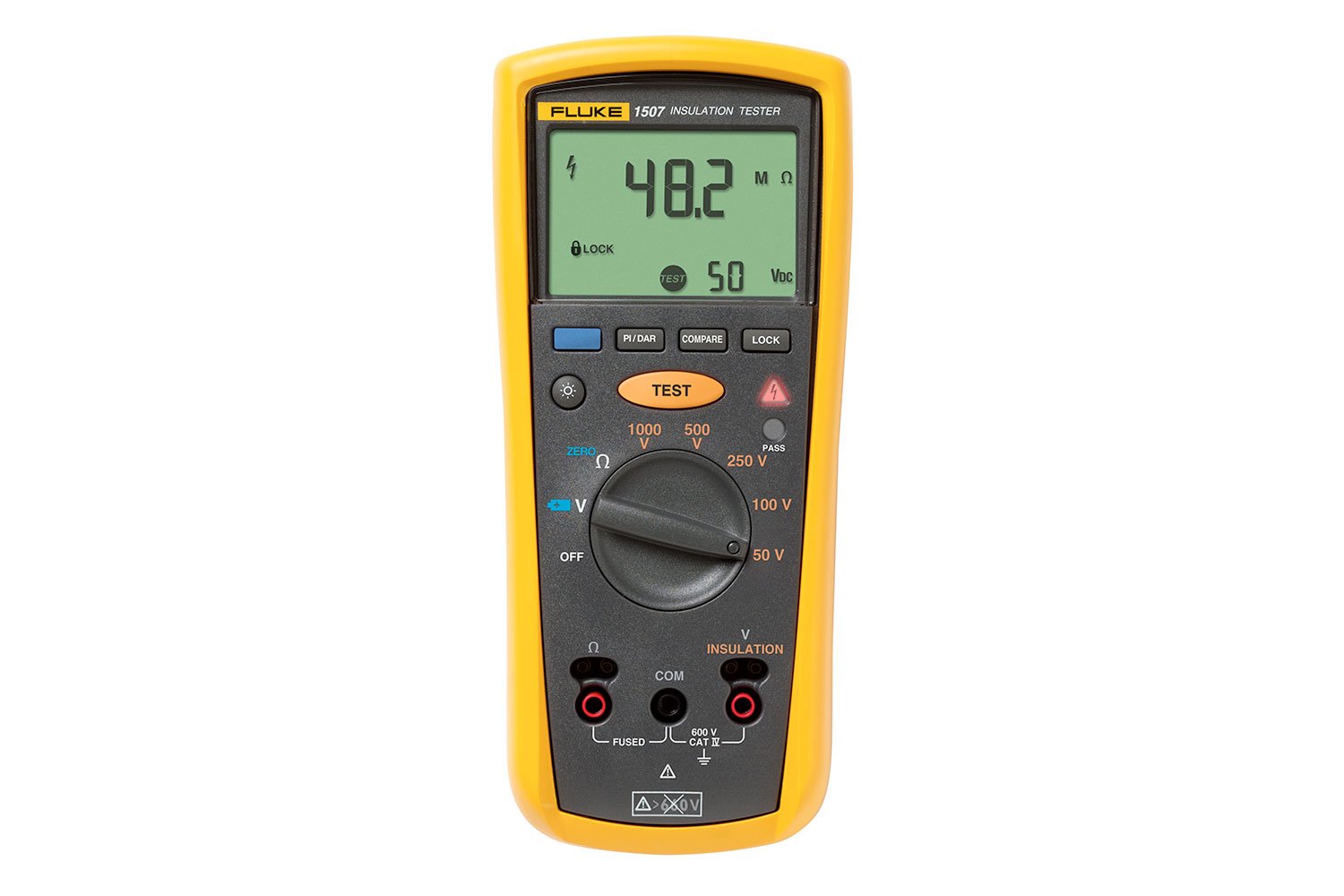
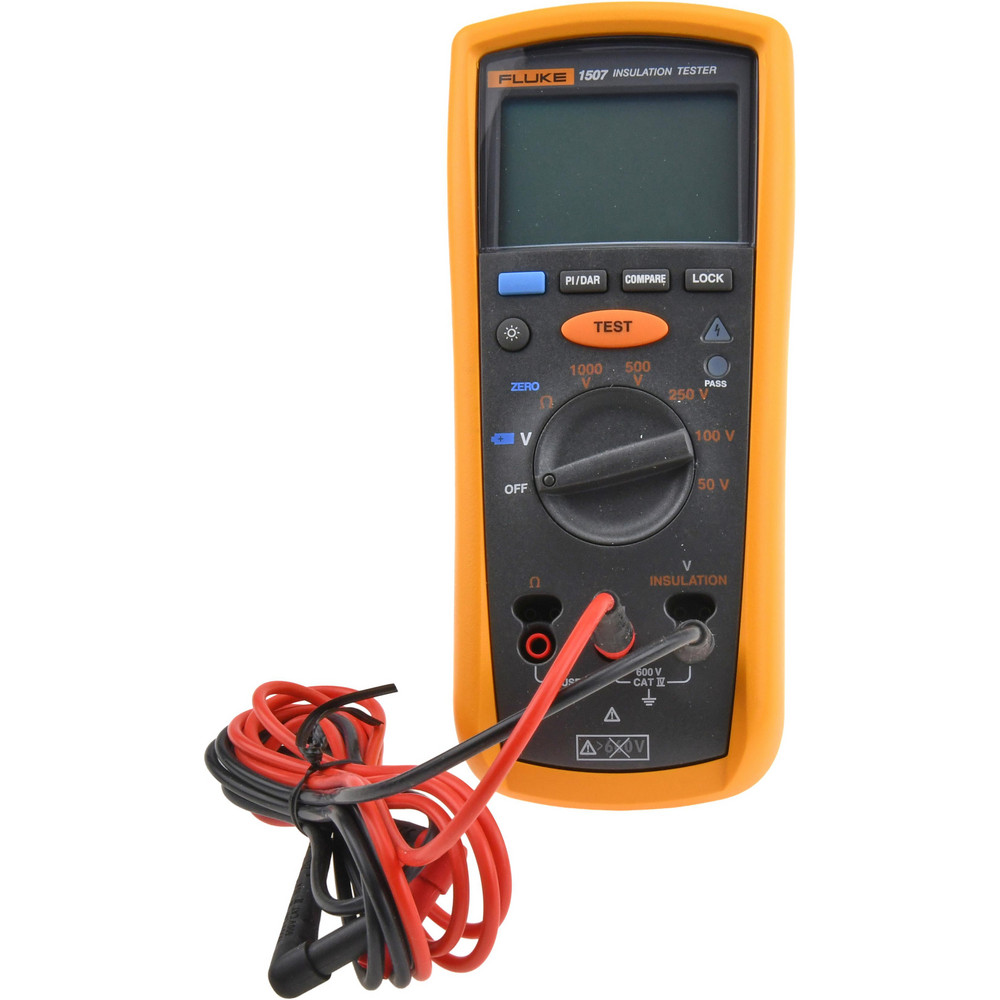
The Fluke 87V is popular for general electrical troubleshooting. The Fluke 179 is known for its reliability and ease of use. The Fluke 1507 Insulation Tester measures insulation resistance effectively. The Fluke 62 Max infrared thermometer checks surface temperatures without contact. Each model suits different testing requirements.
Applications
Fluke tools are used in electrical maintenance and repair. They help test circuits, motors, and wiring. Insulation testers find faults in cables and equipment. Infrared thermometers detect overheating components. These tools also assist in building inspections and safety checks.
Megger Testing Tools
Megger testing tools are known for their reliability in electrical testing. They help check insulation resistance and electrical faults. These tools are simple to use and give accurate results. Many electricians and engineers trust Megger for safe and fast testing.
Megger tools suit different types of electrical systems. They are built to last in tough work conditions. The brand focuses on quality and precision to ensure safety in electrical jobs.
Key Features
Megger tools offer strong insulation testing. They measure resistance quickly and clearly. Many models come with easy-to-read displays. Some have built-in memory to store test results. The tools are portable and lightweight. They also have safety features to protect users.
Popular Models
The Megger MIT Series is widely used for insulation resistance testing. MIT230 and MIT420 are common models. They provide fast and accurate readings. Another popular model is the Megger MFT1700. It offers multiple functions like earth testing and loop impedance. These models fit many testing needs.
Applications
Megger tools test cables and motors. They check transformers and generators for faults. These tools find insulation breakdowns before damage occurs. Electricians use them in homes, factories, and power plants. They help maintain safe electrical systems.
Performance Comparison
Comparing the performance of Fluke and Megger devices helps users choose the right tool. Both brands offer strong features, but their performance varies in key areas. Understanding these differences can guide you to the best fit for your needs.
Accuracy And Reliability
Fluke devices provide precise readings with minimal error. Their tests often deliver consistent results across different conditions. Megger tools also offer reliable accuracy, especially in insulation testing. Both brands maintain strong performance over time. Choosing between them depends on the specific test requirements.
Durability And Build Quality
Fluke products are built to withstand tough job site environments. They feature rugged casing and shock resistance. Megger instruments are also designed for durability, with solid construction. Both brands handle rough use well. Fluke might have a slight edge in weather resistance.
Ease Of Use
Fluke tools often feature intuitive controls and clear displays. They focus on user-friendly interfaces for faster operation. Megger devices are straightforward but sometimes require more setup. Fluke’s design helps beginners adapt quickly. Megger suits users who prefer detailed control options.
Price And Value
Price and value play a big role in choosing between Fluke and Megger. Both brands offer quality tools but at different price points. Understanding their cost and what you get helps make a smart purchase.
Value is not just about the price tag. It also includes durability, features, and after-sales support. A higher price might mean better reliability and service. Let’s explore the details.
Cost Analysis
Fluke tools generally cost more than Megger products. Fluke targets professionals who need precise and durable equipment. Megger offers budget-friendly options for basic testing needs.
The price difference can range from 20% to 50% depending on the model. Fluke devices often have advanced features that justify the higher cost. Megger suits users who want good value without extra features.
Warranty And Support
Fluke provides longer warranty periods, usually 3 to 5 years. This shows confidence in product durability. Their customer support is responsive and available worldwide.
Megger offers standard warranties, often 1 to 3 years. Their support is decent but varies by region. Both brands offer repair and replacement services, but Fluke’s network is broader.
User Experience
User experience plays a key role in choosing between Fluke and Megger. Both brands offer tools for electrical testing but differ in ease of use. Understanding how users feel about these tools can help in making the right choice. Let’s explore feedback from professionals and the training resources available.
Feedback From Professionals
Many professionals find Fluke devices user-friendly and intuitive. The controls are simple and easy to learn. Users praise the clear display and quick results. Some report Fluke tools are lighter, making fieldwork easier.
Megger users highlight the reliability and accuracy of their tools. Some mention a steeper learning curve but appreciate the detailed readings. The robust build quality also gets positive remarks for tough work conditions.
Training And Resources
Fluke offers extensive online tutorials and manuals. These resources help users understand tool functions quickly. The company also provides webinars and customer support for better learning.
Megger provides detailed guides and hands-on training sessions. Their materials cover advanced testing techniques. This support benefits users who want deeper knowledge of electrical testing.
Credit: www.fluke.com
Choosing The Right Tool
Choosing the right tool for electrical testing is important. Both Fluke and Megger offer reliable options. Picking the right one depends on what you need to do and where you will work. Understanding your needs helps you get accurate results and save time.
Let’s explore the key factors and use cases that guide your choice between Fluke and Megger.
Factors To Consider
First, look at the type of tests you will perform. Fluke tools often focus on general electrical measurements like voltage and current. Megger is known for insulation testing and cable fault location. Check the specific features each tool offers.
Next, think about the environment. Some tools work better in tough conditions. Consider tool durability and safety ratings. Battery life matters for long jobs without easy charging.
Also, consider ease of use. Tools with clear displays and simple controls reduce errors. Support and warranty are important for long-term reliability.
Use Case Scenarios
For electricians working on everyday electrical panels, Fluke tools provide quick and accurate readings. They suit troubleshooting and maintenance tasks well. Fluke meters are handy for measuring voltage, current, and resistance.
Megger tools excel in specialized jobs like insulation resistance testing. They help find wiring faults and check cable health. Industrial settings and power utilities often use Megger instruments for these tasks.
Choose Fluke for general electrical work and Megger for detailed insulation checks. Knowing your job type guides you to the right tool.
Credit: www.mscdirect.com
Frequently Asked Questions
What Is The Difference Between Fluke And Megger?
Fluke specializes in versatile electrical test tools, while Megger focuses on insulation testers. Fluke offers broader diagnostic devices, Megger excels in insulation resistance measurement. Both brands ensure accuracy but serve slightly different electrical testing needs.
Which Brand Is Better For Insulation Testing?
Megger is widely preferred for insulation testing due to its specialized, reliable insulation resistance meters. Fluke also provides insulation testers but is more known for multi-function electrical testers. Choose Megger for dedicated insulation testing tasks.
Are Fluke And Megger Tools Easy To Use?
Yes, both Fluke and Megger tools are designed with user-friendly interfaces. They offer clear displays and straightforward controls, making them accessible for professionals and beginners in electrical testing.
Can Fluke And Megger Tools Be Used Interchangeably?
While some overlap exists, Fluke and Megger tools are not fully interchangeable. Fluke suits general electrical testing; Megger is better for insulation-specific tests. Select the tool based on the testing requirement for optimal results.
Conclusion
Both Fluke and Megger offer reliable tools for electrical testing. Fluke is known for user-friendly features and quick results. Megger provides strong insulation testing and durable designs. Choosing depends on your specific needs and budget. Think about what tests you perform most often.
Consider how often you need to carry the device. Both brands serve professionals well in different ways. Careful choice leads to safer and easier electrical work.