Choosing the right oscilloscope can be tricky, especially when you’re deciding between Hantek and Picoscope. You want a tool that fits your needs, budget, and skill level without any guesswork.
This comparison will help you see the real differences and benefits of each brand. By the end, you’ll feel confident about which oscilloscope is the perfect match for your projects. Keep reading to make a smart, informed choice that saves you time and money.
Hantek Oscilloscopes
Hantek oscilloscopes offer a solid choice for electronics enthusiasts and professionals. They provide various models suitable for different tasks. These devices help users measure and analyze electrical signals clearly and quickly.
Hantek focuses on practical design and reliable performance. Many users appreciate the balance between cost and features. This makes Hantek a popular brand in budget-friendly oscilloscope options.
Product Range
Hantek offers a wide range of oscilloscopes. Models vary from basic handheld devices to advanced benchtop units. They cover bandwidths from 20 MHz up to 200 MHz. This variety suits beginners and experienced users alike.
Key Features
Most Hantek oscilloscopes come with multiple input channels. They support various trigger types for better signal capture. Some models include waveform recording and playback. USB connectivity allows easy data transfer to computers.
Performance And Accuracy
Hantek oscilloscopes deliver decent performance for their price. They provide clear signal displays with minimal noise. Accuracy is good enough for hobby and educational use. High-end models offer better precision for professional work.
User Interface And Software
The user interface is simple and straightforward. Controls and menus are easy to navigate. Hantek software supports Windows systems for data analysis. It allows users to save, view, and share waveform data.
Price And Value
Hantek oscilloscopes are budget-friendly. They offer strong value for entry-level users. The price suits hobbyists and small labs. Users get useful features without a high cost.
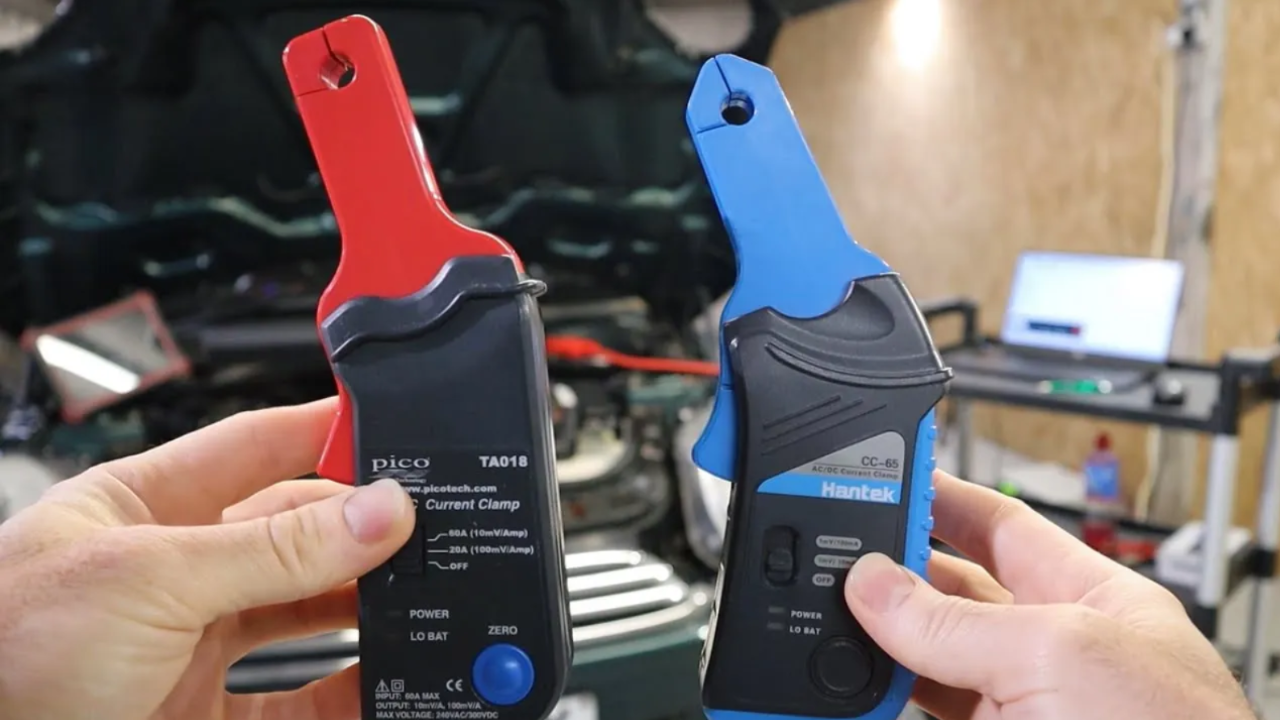
Credit: www.mechanicmindset.com
Picoscope Oscilloscopes
Picoscope oscilloscopes are popular tools for engineers and hobbyists. They provide detailed insight into electrical signals. These devices connect to computers and offer strong analysis features. Many users trust Picoscope for its reliability and ease of use.
The brand offers a variety of models to meet different needs. Each model focuses on precision and user-friendly design. Picoscope is known for combining quality with flexible software options.
Product Range
Picoscope offers models from basic to advanced levels. Entry models suit students and beginners. Higher-end models serve professionals and complex tasks. Options include different bandwidths and channel counts. This variety helps users find the right tool for their work.
Key Features
Picoscope devices include deep memory for long signal capture. They support multiple signal types, including analog and digital. Features like advanced triggering improve data accuracy. Many models have built-in signal generators. These features help users analyze and test circuits effectively.
Performance And Accuracy
Picoscope oscilloscopes deliver precise measurements. Their high sampling rate captures fast signals clearly. Noise reduction techniques improve signal clarity. The devices maintain accuracy even with complex waveforms. This performance makes Picoscope a trusted choice for detailed work.
User Interface And Software
The software is simple and intuitive to use. It runs on Windows, macOS, and Linux. Users can view, save, and analyze data easily. The interface supports zoom, math functions, and comparisons. Regular software updates add new features and fixes.
Price And Value
Picoscope oscilloscopes range in price to match features. Entry-level models offer good value for basic needs. Advanced models cost more but provide extra capabilities. The devices balance cost with performance well. Many users find Picoscope a smart investment for their projects.
Design And Build Quality
The design and build quality of an oscilloscope affect its usability and lifespan. Both Hantek and Picoscope offer solid designs but differ in key areas. Understanding these differences helps choose the right tool for your needs.
Portability
Hantek models often come in compact shapes. They are light and easy to carry. This suits fieldwork and quick tests outside the lab. Picoscope devices are usually smaller and USB-powered. They fit easily into a laptop bag. Picoscope’s design focuses on minimal weight and space. Both brands serve portability well but target slightly different users.
Durability
Hantek units have robust plastic cases. They resist minor drops and daily wear. The build feels solid enough for workshop use. Picoscope tends to use more delicate materials. They rely on careful handling and indoor use. Hantek may last longer in rough environments. Picoscope suits gentle use in clean spaces better.
Display And Controls
Hantek usually features a built-in screen with buttons. The screen size varies but is bright and clear. Controls are simple and responsive for quick setup. Picoscope depends on the computer screen for display. It uses software controls rather than physical buttons. This offers flexibility but needs a PC to operate. Hantek’s design supports standalone use. Picoscope offers a modern, software-driven interface.
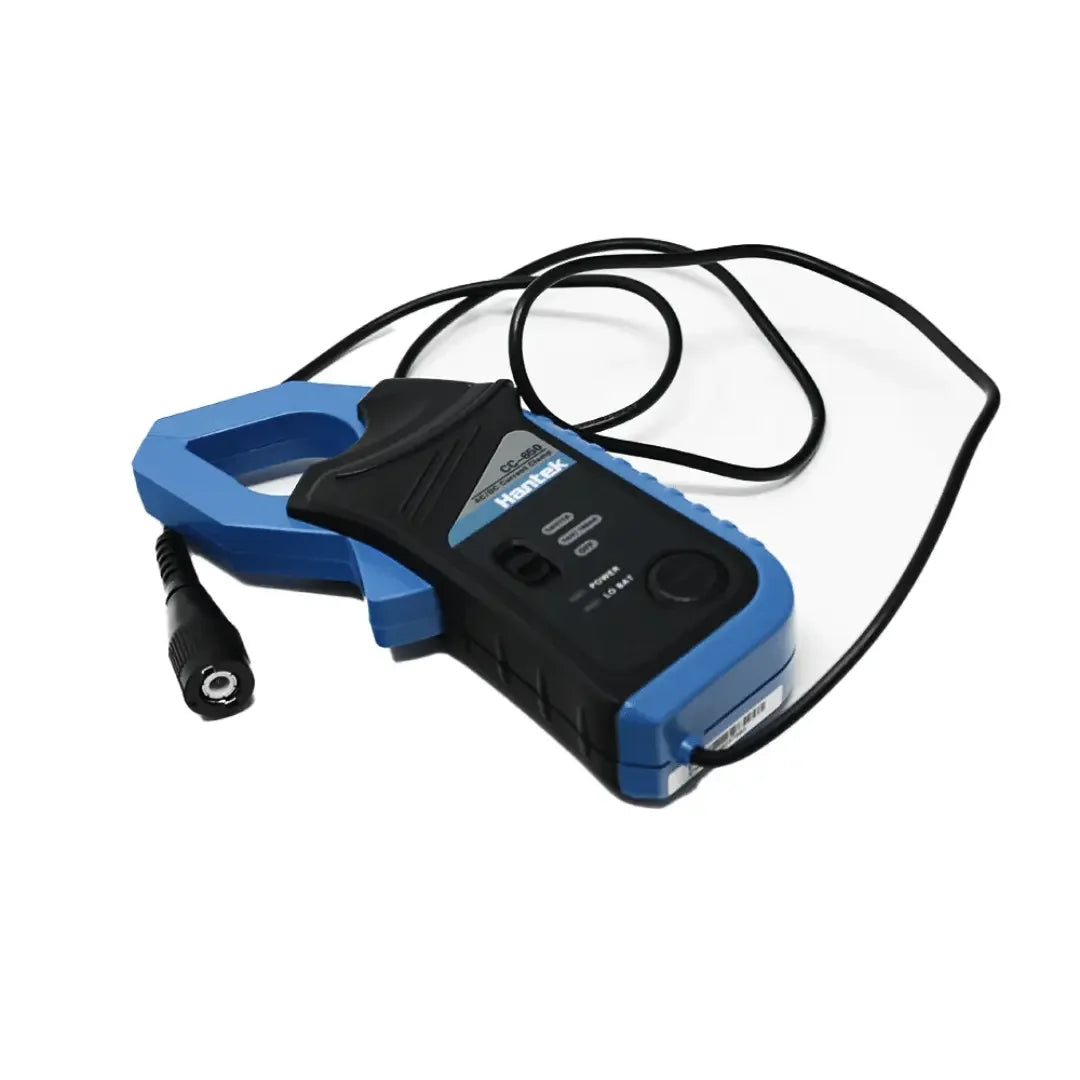
Credit: mechanicsuperstore.com
Technical Specifications Comparison
Understanding the technical specifications helps choose the right tool. Both Hantek and Picoscope offer features that suit different needs. Comparing their specs reveals strengths and limits. This makes your decision clearer and easier.
Bandwidth And Sampling Rate
Bandwidth shows the highest frequency the device can measure. Hantek models often provide up to 100 MHz bandwidth. Picoscope devices can offer bandwidths from 10 MHz to 500 MHz and beyond. Sampling rate is the speed of data capture. Hantek usually reaches up to 1 GSa/s. Picoscope can achieve sampling rates over 1 GSa/s, depending on the model. Higher bandwidth and sampling rate mean better signal detail.
Channels And Inputs
Channels are the separate signals the device can measure at once. Hantek scopes commonly have 2 or 4 channels. Picoscope devices vary widely, from 2 to 8 channels in some models. Input types also differ. Hantek mostly uses standard BNC connectors. Picoscope offers BNC and special connectors for specific signals. More channels allow monitoring multiple signals simultaneously.
Memory Depth
Memory depth stores captured data before processing. Hantek usually has memory depths around 1 million samples. Picoscope provides memory depth ranging from 4 million to over 128 million samples. Larger memory depth allows longer or more detailed signal recording. This is useful for capturing complex or long-lasting signals.
Triggering Options
Triggering controls when the device starts data capture. Hantek offers basic triggers like edge and pulse. Picoscope has advanced triggering, including window, dropout, and pulse width. More triggering options help catch specific signal events. This improves accuracy and analysis of signals.
Software And Compatibility
Software and compatibility are crucial when choosing between Hantek and Picoscope. The software affects how easily you operate the device. It also impacts the quality of your data analysis. Both brands offer unique software features. They support various platforms and tools that suit different users. Understanding these differences helps you pick the right oscilloscope for your needs.
Supported Platforms
Hantek software supports Windows and Android systems. It allows easy connection with many devices. Picoscope works mainly on Windows but also supports macOS and Linux. This wide support suits users with different computers. Both brands offer mobile apps for added convenience. Compatibility with multiple platforms ensures smooth operation.
Analysis Tools
Hantek provides basic analysis tools for quick signal checks. It includes waveform capture and measurement features. Picoscope offers advanced analysis tools like spectrum analysis and math channels. Its software allows deep data inspection and custom views. Users needing detailed insights may prefer Picoscope’s tools. Hantek fits users who want straightforward analysis options.
Firmware Updates
Both Hantek and Picoscope offer regular firmware updates. These updates improve performance and add new features. Hantek updates are easy to install through their software. Picoscope provides detailed update instructions and support. Keeping firmware current ensures device reliability and better functionality. Firmware updates keep your oscilloscope up to date with technology.

Credit: www.youtube.com
User Experience And Support
User experience and support play a big role in choosing between Hantek and Picoscope. Both brands offer tools for electronics testing, but how easy they are to use and the help available vary. This section explores these factors to help users decide which fits their needs better.
Ease Of Use
Hantek devices have a simple design that many beginners find friendly. The menus are clear, and the setup process is quick. Users can start testing without much training.
Picoscope offers more advanced features, but this can make it harder for new users. The software is powerful but may need some time to learn. Experts will appreciate its depth.
Customer Support
Hantek provides basic customer support through email and online forms. Responses may take a few days, but staff are helpful with common issues. Warranty terms are straightforward.
Picoscope offers faster support with phone and chat options. Their team often resolves problems quickly. They also provide detailed manuals and tutorials to assist users.
Community And Resources
Hantek has an active user community on forums and social media. Users share tips and troubleshooting advice. Video guides and user manuals are widely available.
Picoscope has a larger, more technical community. There are many online tutorials, webinars, and detailed documents. This helps users solve complex problems and learn new skills.
Use Cases And Applications
Choosing between Hantek and Picoscope depends on the tasks you need to perform. Both tools serve different users and projects. Understanding their use cases helps pick the right one. Each device suits various fields and skill levels.
Hobbyist Projects
Hantek is a popular choice for hobbyists. It offers good features at a low price. Many beginners use it for simple electronics tasks. It helps test circuits and learn basic signals. The portable design fits small home labs. Hobbyists find Hantek easy to set up and use.
Professional Engineering
Picoscope fits better for professional engineers. It provides high resolution and advanced functions. Engineers use it for detailed signal analysis. It supports complex testing in labs and workplaces. The software offers many options for data capture. Picoscope is reliable for long-term, precise work.
Automotive Diagnostics
Both Hantek and Picoscope work well in automotive diagnostics. Hantek models include features for engine and sensor testing. It helps check car electronics with ease. Picoscope offers more detailed waveform analysis. Mechanics use it to find hard-to-see faults. Each tool improves vehicle troubleshooting speed.
Education And Training
Schools and training centers use both scopes. Hantek suits beginners learning electronics basics. It is budget-friendly and simple to operate. Picoscope supports advanced courses with deep analysis. Students learn to handle real-world signal challenges. Teachers appreciate clear interfaces and helpful features.
Choosing The Right Oscilloscope
Choosing the right oscilloscope matters for your projects. It affects how well you can test and measure electronic signals. Different needs require different tools. Hantek and Picoscope are popular choices. Each has strengths and limits. Understanding your needs helps pick the best one.
Consider what matters most to you. Budget, performance, portability, and future use all play a role. Here are key points to think about.
Budget Considerations
Set a clear budget before buying. Hantek models tend to be more affordable. They fit well if you have a tight budget. Picoscope devices usually cost more but offer advanced features. Choose what fits your price range without cutting essential functions.
Performance Needs
Identify the signals you will test. Hantek works well for basic to medium tasks. Picoscope suits complex or high-speed signals better. Check bandwidth, sample rate, and memory depth. Higher specs give better accuracy and detail. Match performance to your project demands.
Portability Requirements
Think about where you will use the oscilloscope. Hantek offers portable handheld options. They are easy to carry on-site or in the field. Picoscope devices often connect to a laptop. They are compact but need a computer to operate. Choose based on your mobility needs.
Future-proofing
Plan for growth in your work. Picoscope tends to have more software updates and features. It supports advanced analysis and new protocols. Hantek may have fewer updates but is reliable. Pick a device that will serve your future projects well.
Frequently Asked Questions
What Are The Main Differences Between Hantek And Picoscope?
Hantek offers budget-friendly, basic features, ideal for beginners. Picoscope provides advanced, high-resolution analysis, suited for professionals. Both serve different user needs effectively.
Which Oscilloscope Is Better For Automotive Diagnostics?
Hantek is commonly preferred for automotive work due to its affordability and ease of use. Picoscope offers more detailed data but at a higher cost.
Can Picoscope Replace Hantek For General Electronics Testing?
Yes, Picoscope can replace Hantek for most tasks. It offers superior performance and software features but requires a higher investment.
How Do Software Features Compare Between Hantek And Picoscope?
Picoscope has advanced, user-friendly software with more analysis tools. Hantek software is simpler, suitable for basic waveform viewing and measurements.
Conclusion
Choosing between Hantek and Picoscope depends on your needs and budget. Hantek offers good features at a lower price. Picoscope provides advanced tools for detailed analysis. Both brands have strong user communities and support. Think about what matters most: ease, accuracy, or cost.
Test each option if possible before deciding. Your choice should fit your projects and skill level. Both tools help you learn and solve electronics problems well. Keep these points in mind to pick the right oscilloscope for you.