Are you unsure if your trailer plug is working properly? A faulty trailer plug can cause lights to malfunction and create unsafe driving conditions.
But don’t worry—you don’t need to be an expert to check it yourself. With just a simple tool called a multimeter, you can quickly test your trailer plug and find out what’s wrong. Keep reading, and you’ll learn easy, step-by-step instructions that anyone can follow to make sure your trailer’s electrical connection is safe and reliable.
Tools Needed
Testing a trailer plug requires a few basic tools. Having the right equipment makes the job easier and more accurate. This section explains the tools needed to test a trailer plug with a multimeter.
Choosing The Right Multimeter
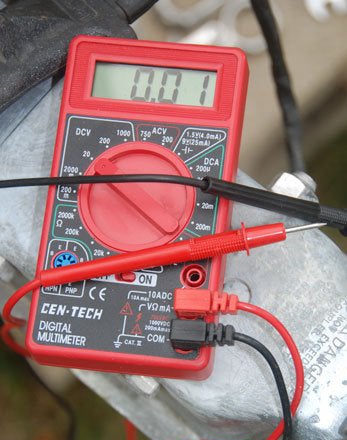
Select a multimeter that measures voltage, resistance, and continuity. A digital multimeter is best for clear readings. Look for one with an easy-to-read display. Choose a model with a hold function to keep readings visible. Ensure the multimeter has probes suitable for small connectors.
Additional Accessories
Use alligator clips to hold the probes steady during testing. A flashlight helps to see the plug pins clearly in low light. Keep a wiring diagram of the trailer plug for reference. Carry a small screwdriver for opening covers or tightening connections.
Credit: www.truckspring.com
Trailer Plug Basics
Understanding the basics of a trailer plug is important before testing it with a multimeter. A trailer plug connects the towing vehicle to the trailer. It sends power to the trailer’s lights and signals. Knowing the plug’s parts and functions helps find problems quickly. This knowledge makes testing easier and safer.
Trailer plugs come in different shapes and sizes. Each type has a specific number of pins. These pins carry electrical signals for lights, brakes, and more. Learning about these types and pin functions will prepare you for testing.
Common Plug Types
Several plug types are common on trailers. The 7-pin round plug is popular for larger trailers. It controls lights, brakes, and auxiliary power. The 4-pin flat plug is simpler. It handles only basic lighting signals. The 5-pin and 6-pin plugs offer extra functions. Knowing your plug type helps choose the right test method.
Pin Functions
Each pin in a trailer plug has a special job. Some pins control the tail lights and brake lights. Others handle turn signals or backup lights. One pin may provide ground connection to complete the circuit. Knowing each pin’s role helps test the right wire. It also prevents mistakes during testing.
Preparing For Testing
Preparing to test a trailer plug with a multimeter is important for accurate results. Proper preparation ensures safety and helps avoid mistakes during testing. Follow clear steps before you start measuring the plug’s electrical connections.
Safety Precautions
Always wear safety gloves to protect your hands. Make sure the vehicle and trailer are turned off. Avoid testing in wet or damp areas to prevent shocks. Check that the multimeter probes are in good condition. Keep your workspace clear of clutter to avoid accidents.
Setting Up The Multimeter
Turn on the multimeter and set it to the correct mode. Use the voltage or continuity setting depending on the test type. Insert the probes into the correct ports on the multimeter. Test the multimeter on a known power source first. Adjust the range if the reading is too high or low.

Credit: www.wikihow.com
Testing Procedures
Testing a trailer plug with a multimeter helps find electrical issues fast. The process includes checking continuity, measuring voltage, and testing the ground connection. Each step ensures the trailer plug works correctly and safely. Follow these testing procedures carefully to avoid damage and errors.
Checking Continuity
Set the multimeter to continuity mode. Touch the probes to each wire end on the trailer plug. The multimeter beeps if the wire is complete. No beep means a broken wire or bad connection. Test each pin one by one for full coverage.
Measuring Voltage
Switch the multimeter to DC voltage mode. Connect the trailer plug to the towing vehicle. Touch the red probe to the power pin and the black to ground. Read the voltage on the multimeter screen. It should match the vehicle’s battery voltage.
Testing Ground Connection
Keep the multimeter in voltage mode. Place one probe on the ground pin of the plug. Touch the other probe to the vehicle’s metal frame. A voltage close to zero means a good ground. High voltage indicates a poor ground connection.
Troubleshooting Tips
Troubleshooting trailer plugs with a multimeter can be simple. Understanding common problems helps you fix them fast. This section guides you through key tips to spot and solve issues. Follow these steps to check your trailer plug effectively.
Identifying Faulty Pins
Start by inspecting each pin in the trailer plug. Look for bent or broken pins that might cause poor contact. Use the multimeter to test continuity between the pins and the trailer lights. A lack of continuity means a faulty pin or connection. Clean any corrosion or dirt on the pins to improve contact. Replace pins that are damaged beyond repair to ensure proper function.
Common Wiring Issues
Check the wiring for cuts, frays, or loose connections. Worn wires can cause lights to flicker or not work at all. Use the multimeter to test for voltage at each wire. No voltage means a break or bad connection in the wiring. Secure loose wires with electrical tape or connectors. Replace damaged wires to restore full electrical flow.
Maintenance Advice
Proper maintenance keeps your trailer plug working well. It helps avoid common problems like bad connections and shorts. Simple care steps can extend the plug’s life. They also make testing with a multimeter more accurate and easier.
Regular checks and cleaning prevent dirt and corrosion buildup. These factors often cause electrical issues. Follow these tips to keep your trailer plug in top shape.
Cleaning The Plug
Start by disconnecting the trailer plug from the vehicle. Use a soft brush or cloth to remove dirt and dust. Avoid using water or harsh chemicals that can damage the plug. For stubborn grime, use a little rubbing alcohol on a cloth. Clean each pin carefully to ensure good contact. Let the plug dry completely before reconnecting it.
Protecting Against Corrosion
Corrosion blocks electrical signals and causes problems. Apply dielectric grease on the plug’s pins after cleaning. This grease stops moisture from causing rust. Store the trailer plug in a dry place when not in use. Cover the plug with a rubber cap or plastic cover to keep water out. Check the plug regularly for signs of corrosion or damage. Early care avoids costly repairs later.

Credit: www.youtube.com
Frequently Asked Questions
How Do I Test A Trailer Plug With A Multimeter?
Set your multimeter to the continuity or voltage mode. Connect the probes to the plug terminals and check for proper voltage or continuity. This verifies if each pin is working correctly and ensures the trailer’s electrical system functions properly.
What Voltage Should I Expect From A Trailer Plug?
A standard trailer plug should show 12 volts when the vehicle’s lights are on. This voltage powers the trailer’s brake lights, indicators, and other electrical components. Lower or no voltage indicates a wiring or connection issue.
Can A Multimeter Detect Trailer Plug Wiring Faults?
Yes, a multimeter can identify wiring faults like breaks, shorts, or incorrect connections. Testing continuity and voltage helps pinpoint problems in the trailer plug wiring. This makes troubleshooting quick and effective.
Is It Necessary To Test A Trailer Plug Regularly?
Regular testing ensures the trailer’s electrical system is safe and reliable. It helps prevent unexpected failures on the road. Testing before long trips is especially important for safe towing.
Conclusion
Testing a trailer plug with a multimeter is simple and important. It helps you find wiring problems fast. Follow the steps carefully and check each wire. A working plug keeps your trailer lights safe and clear. Regular checks prevent accidents on the road.
Take your time and use the multimeter right. This small test saves big trouble later. Keep your trailer ready for every trip. Safety first, always.