Power supplies are the backbone of any electronics lab. When you need reliable voltage and current for prototyping, testing, or repair, the right bench power supply makes all the difference. Two brands stand out for affordable, quality lab gear: Siglent and Rigol. Both are popular among engineers, students, and hobbyists. But which one is right for you? Choosing between Siglent vs Rigol power supply is not always simple. Each brand has unique strengths, features, and value points. This guide will help you understand their similarities, differences, and which is the best fit for your needs.
Why Bench Power Supplies Matter
A bench power supply is not just a box that gives you voltage. It’s a precise tool. With the right supply, you can:
- Set exact voltage and current for sensitive circuits
- Limit current to protect devices under test
- See how your design behaves under changing loads
- Test battery charging and discharging safely
If your supply is unstable or inaccurate, you risk damaging parts or getting bad test results. That’s why picking a quality brand is essential. Both Siglent and Rigol are known for delivering solid performance at prices much lower than older brands like Keysight or Tektronix.
Background: Siglent And Rigol
Both Siglent and Rigol are Chinese manufacturers with global distribution. Over the past 15 years, they have transformed the test equipment market. Their oscilloscopes, signal generators, and power supplies now compete with brands that used to cost twice as much.
- Siglent was founded in 2002. They are recognized for innovation and for bringing advanced features to lower price ranges. Their SPD and SDL series power supplies are used worldwide.
- Rigol started in 1998. They became famous for affordable digital oscilloscopes, but their DP and DL series power supplies are also highly respected.
Both brands have invested heavily in usability, interfaces, and connectivity. But they do have important differences. Let’s dig into what makes each one unique.
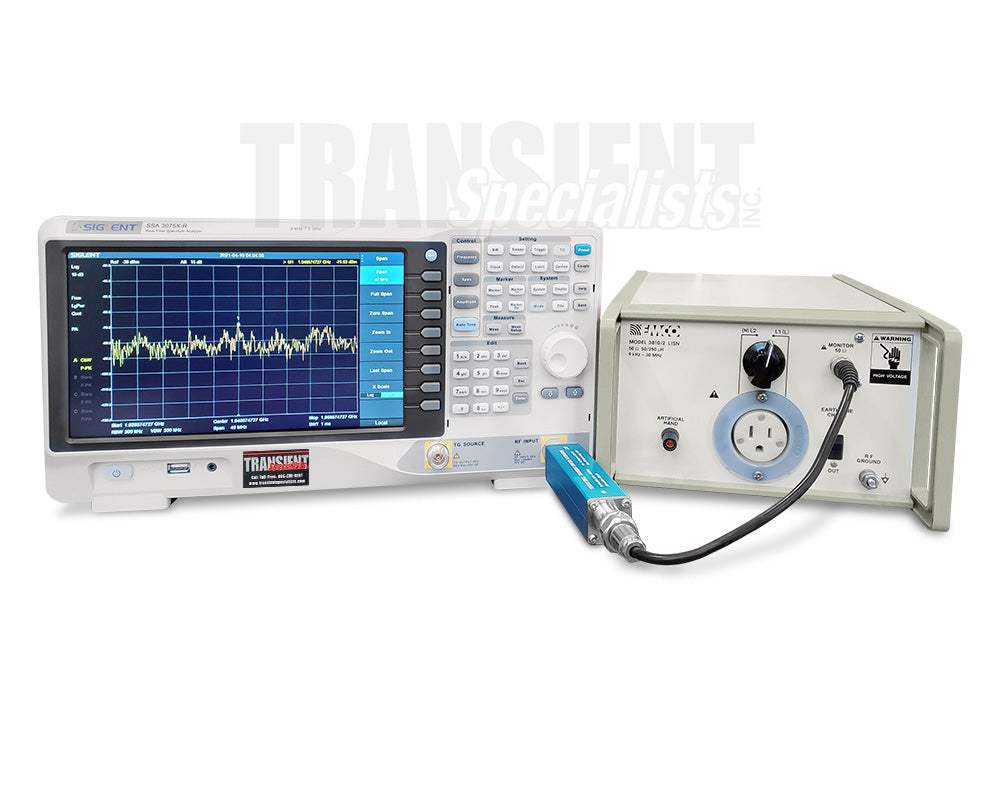
Credit: transientspecialists.com
Key Features To Compare
When comparing Siglent vs Rigol power supply models, focus on these main factors:
- Output Channels
- Voltage and Current Range
- Accuracy and Stability
- Interface and Controls
- Protection and Safety Features
- Remote Control and Connectivity
- Build Quality and Reliability
- Software and Support
- Price and Value
Let’s look at each area in detail.
Output Channels: One, Two, Or Three?
Most bench power supplies offer one, two, or three outputs. More channels mean you can power multiple circuits or do dual-rail setups (for example, +12V and -12V). Here’s how Siglent and Rigol compare:
- Siglent: SPD series offers single and triple output models. SDL series focuses on single-channel electronic loads.
- Rigol: DP700 and DP800 series have single, dual, and triple channel models, like the DP832 (3 channels).
If you often work with analog circuits or need positive and negative rails, a triple output supply is a huge time-saver. Siglent’s triple-channel models are often more affordable, but Rigol’s offer more flexibility (for example, independent channel settings).
Insight: Beginners often buy a single-channel supply to save money, but soon realize the value of at least two channels, especially for op-amp or microcontroller projects.
Voltage And Current Range
The voltage and current ranges define what kind of circuits you can test. Let’s compare two bestsellers:
| Model | Voltage Range | Current Range | Channels |
|---|---|---|---|
| Siglent SPD3303X-E | 0-32V (2x), 0-6V (1x) | 0-3.2A (2x), 0-5A (1x) | 3 |
| Rigol DP832 | 0-30V (2x), 0-5V (1x) | 0-3A (2x), 0-3A (1x) | 3 |
| Siglent SPD1168X | 0-16V | 0-8A | 1 |
| Rigol DP711 | 0-30V | 0-5A | 1 |
Siglent sometimes provides higher maximum current on one channel, which helps for power-hungry motors or LED testing. Rigol’s voltage range is often wider on single-channel models, useful for higher-voltage projects.
Accuracy And Stability
A bench supply is only as good as its accuracy and stability. This means the output voltage and current should match the display, and not drift over time.
- Siglent: Known for good accuracy, usually within 0.03% for voltage and 0.2% for current on their X-E models.
- Rigol: Similar accuracy, but sometimes slightly better on high-end models (e.g., DP832A). Voltage error is typically under 0.05%.
Both brands offer 4-digit displays for voltage and current, making it easy to set precise values. Rigol often has a slightly more responsive display, but Siglent’s measurements are very close.
Advanced Tip: For sensitive analog work, also check the “ripple and noise” specs. Both Siglent and Rigol keep ripple below 2 mVrms, which is enough for most lab work.
Interface And Controls
Using a bench power supply should be simple and intuitive. Here’s what you’ll notice:
- Siglent: Large color display, clear menu system. Many SPD models have rotary knobs for voltage and current, plus number pad for quick entry.
- Rigol: Also uses bright color screens, but the user interface can be deeper—more menu layers, but also more features (like programmable memories).
Siglent’s UI is usually faster for beginners—fewer steps to set limits or enable/disable channels. Rigol offers more customization, like saving and recalling setups. Some users prefer Siglent for quick jobs, while Rigol appeals to those who like to fine-tune.
Protection And Safety Features
Protection features keep your circuit (and your supply) safe from accidents. Look for:
- Over-voltage protection (OVP)
- Over-current protection (OCP)
- Short circuit protection
- Temperature sensors and auto shutdown
Both brands include these as standard, but Siglent often makes them easier to set up. For example, on many Siglent models, you can set OVP/OCP directly from the front panel with a single button. Rigol sometimes requires diving into menus.
Non-obvious insight: Many beginners ignore protection settings. But for expensive prototypes, always set OVP/OCP a little above your expected values—you’ll avoid surprises.

Credit: www.eevblog.com
Remote Control And Connectivity
Modern bench supplies often connect to your PC for automation, data logging, or remote control.
- Siglent: Standard USB and LAN ports. SCPI command support. Some models support web interfaces, making remote control from a browser easy.
- Rigol: USB, LAN, and sometimes GPIB. SCPI commands supported. Rigol’s UltraSigma software is powerful for scripting, but can be complex for new users.
If you want to automate tests or collect data, both brands are solid. Siglent’s web control is easier for basic needs, while Rigol gives more advanced scripting options.
Build Quality And Reliability
Bench power supplies should last for years. Both Siglent and Rigol use solid cases, quality connectors, and large cooling fans.
- Siglent: Slightly heavier, with metal cases on most models. Feels robust. Fans are quiet but always on.
- Rigol: Also sturdy, but sometimes lighter. Fans are temperature-controlled, so quieter when idle.
Neither brand is “cheap” in construction, but Siglent has a reputation for extra-durable buttons and knobs.
Software And Support
Good software and support can make your life easier, especially for automation or troubleshooting.
- Siglent: SPD and SDL models can be controlled by EasyPower software. Manuals are clear. Online forums and YouTube tutorials are helpful. Firmware updates are easy to install.
- Rigol: UltraSigma software is more powerful but can be intimidating. Manuals are detailed but sometimes dense. Community support is strong, and firmware upgrades are frequent.
Both brands offer English support, but response times vary. Siglent’s US and EU offices are newer, so sometimes answers take longer. Rigol has a longer track record in the West.
Price And Value
Price is often the deciding factor. Here’s a typical comparison (prices in USD as of 2024):
| Model | Channels | Max Power | Approx. Price |
|---|---|---|---|
| Siglent SPD3303X-E | 3 | 220W | $330 |
| Rigol DP832 | 3 | 195W | $450 |
| Siglent SPD1168X | 1 | 128W | $270 |
| Rigol DP711 | 1 | 150W | $320 |
Siglent is usually 10–30% cheaper for similar specs. If you need maximum value, Siglent often wins. Rigol costs a bit more, but you get stronger software and sometimes better warranty.
Practical tip: Don’t just compare prices—think about how often you’ll use features like remote control or triple output. Spending a little more for the right model saves you frustration later.
Model-by-model Showdown
Let’s look at some of the most popular models side by side.
Siglent Spd3303x-e Vs Rigol Dp832
Both are 3-channel supplies perfect for labs, schools, or serious hobbyists.
- SPD3303X-E: Two 0-32V/3.2A channels, one 0-6V/5A. Total 220W. Color screen, easy controls, built-in web server, and USB/LAN. Typically $100+ less than Rigol.
- DP832: Two 0-30V/3A channels, one 0-5V/3A. Total 195W. Color screen, advanced features (like timer output, waveform generation), USB/LAN/GPIB (on some models), and UltraSigma support.
Summary: Siglent is better for value and ease of use. Rigol gives more features for advanced users and better integration with automated setups.
Siglent Spd1168x Vs Rigol Dp711
Best for users who need high current on a single channel (e. g. , motors, power amplifiers).
- SPD1168X: 0-16V up to 8A. Simple interface, USB/LAN, quiet fan. Strong for battery and motor work.
- DP711: 0-30V up to 5A. Wider voltage, less current. More advanced software options.
Summary: Choose Siglent for high current, Rigol for high voltage and remote automation.
Real-world User Experiences
Lab users and electronics teachers have shared thousands of reviews. Here’s what stands out:
- Siglent: Users love the “plug and play” feel. Out of the box, it’s easy to use. Many mention the solid knobs and clear display. Some wish the fan was quieter, but few have reliability issues.
- Rigol: Users praise the deep features, like output sequencing and programmable lists. The fan is quiet, but the UI can be confusing for beginners. Some advanced features require “option codes” (extra cost).
A common beginner mistake is to focus only on specs, not on the feel of the device. Visit a local lab or watch video reviews to see the interface in action.

Credit: www.youtube.com
When To Choose Siglent
- You want the best value for money
- You need simple, fast setup
- High current output is important
- You prefer easy-to-use protection features
- You don’t need advanced automation
Siglent is a great fit for students, repair shops, and anyone building up their first serious lab.
When To Choose Rigol
- You need advanced remote control
- You want the deepest feature set
- You value integration with other test equipment (oscilloscope, DAQ, etc.)
- You’re comfortable with more complex menus
Rigol is ideal for research labs, automation engineers, or those who want “pro” features at a reasonable price.
Common Buyer Mistakes
- Focusing only on price: The cheapest model is not always best. Think about your future needs.
- Ignoring channel count: Single channel saves money, but two or three channels are often needed.
- Skipping protection settings: Always use OVP/OCP, even for low-power work.
- Not checking remote options: If you’ll do scripting or data logging, make sure the supply supports your software.
- Overlooking build quality: Try to touch and use the supply before buying, if possible.
Non-obvious insight: Many users regret not buying a supply with LAN/USB—remote control makes long tests much easier, even if you don’t use it at first.
The Future: Which Brand Is Improving Fastest?
Both Siglent and Rigol have released new models with better displays, lower noise, and more connectivity over the past 5 years. Siglent’s SPD-X-E series and Rigol’s DP800A models now rival much more expensive brands.
Siglent is catching up on advanced features, while Rigol is working on making their UI simpler. Both brands listen to user feedback and roll out firmware updates often. If you buy a new model today, you’re likely to get useful updates in the future.
For the latest specs and software, check the official Siglent Technologies website or Rigol’s site.
Frequently Asked Questions
What Is The Main Difference Between Siglent And Rigol Power Supplies?
The main difference is in the user interface and advanced features. Siglent supplies are easier for beginners, with simple controls and fast setup. Rigol supplies offer more advanced functions (like programmable outputs and deeper remote control), but the menu system is more complex. Both brands offer accurate and reliable hardware.
Are Siglent And Rigol Power Supplies Safe For Sensitive Electronics?
Yes, both brands include protection features like OVP and OCP, which keep sensitive circuits safe. Always set these limits before connecting to expensive devices. Both brands also have low ripple and noise, so they are safe for analog and digital electronics.
Can I Control These Power Supplies From My Computer?
Yes. Both Siglent and Rigol offer USB and LAN connectivity. You can use SCPI commands for automation, or their official software for remote control. Siglent’s web interface is easier for simple tasks, while Rigol’s UltraSigma software is more advanced but harder to learn.
Which Brand Is Better For Beginners?
Siglent is usually better for beginners. Their supplies are easy to use, with clear displays and simple menus. Rigol is great for advanced users, but the interface can be confusing for those new to lab equipment.
Do Siglent And Rigol Power Supplies Come With A Warranty?
Yes, both offer warranties, usually 1-3 years depending on the region and model. Check with your seller for details. Both brands are known for good reliability, but Siglent is sometimes rated higher for build quality.
Choosing between Siglent and Rigol for your lab’s power supply means considering your needs today—and what you’ll want to do in the future. Both brands deliver solid, reliable performance. For most users, Siglent offers unbeatable value and simplicity. For those who need advanced features or automation, Rigol is a smart investment.
Take your time, compare models, and your bench will thank you for years to come.