When it comes to automotive electrical diagnosis, few tools are as valuable as a reliable circuit tester. Two brands stand out in this space: Snap-on Multi Probe and Power Probe. Many mechanics, both beginners and experienced, wonder which one offers better performance, value, and ease of use. Choosing the right probe can save time, reduce frustration, and even help avoid costly mistakes. In this guide, you’ll find a clear, side-by-side look at these two tools, practical advice, and insights that most first-time buyers miss.
Understanding Circuit Testing Tools
Before diving deep into the Snap-on Multi Probe and Power Probe, it’s helpful to understand what these tools do. Circuit testers, also called automotive probes, help diagnose electrical faults in vehicles. They check voltage, continuity, and ground integrity. Some models can even activate components, send power, or simulate signals.
A good probe can make complex wiring issues much easier to find. However, not all probes are created equal. Factors like build quality, features, safety, and price all matter. Let’s see how Snap-on and Power Probe compare.
Snap-on Multi Probe: What Sets It Apart?
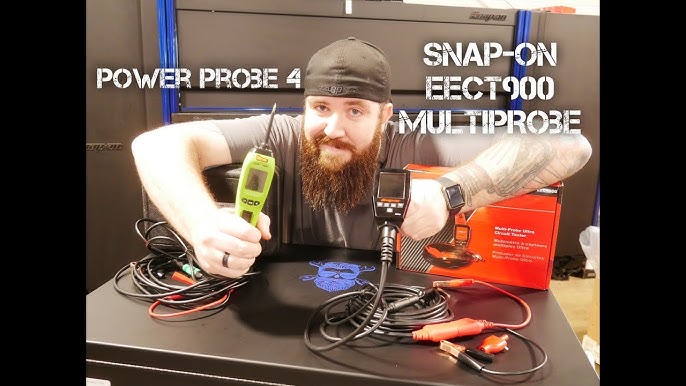
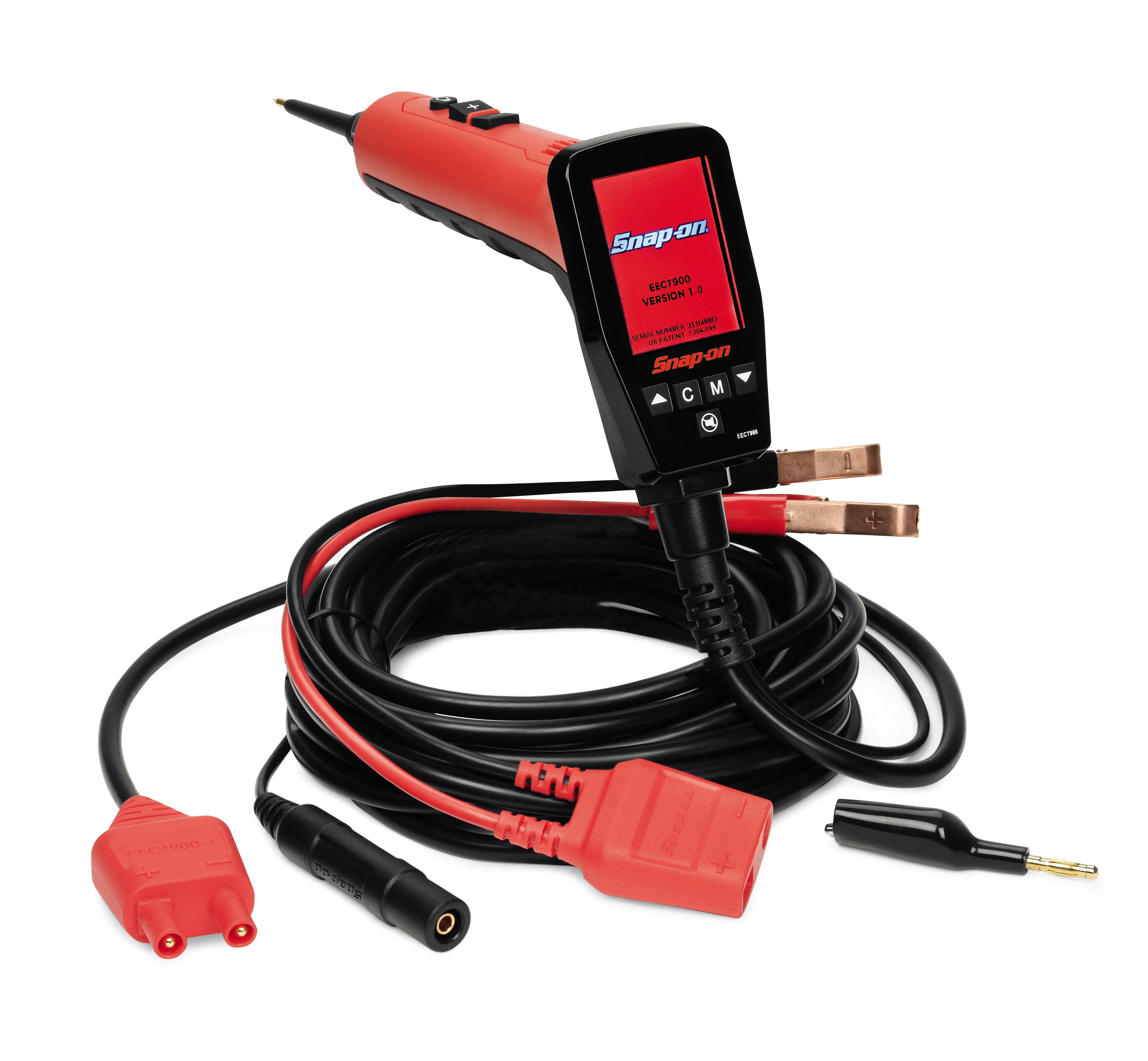
The Snap-on Multi Probe is known for its rugged design and professional-grade features. Snap-on is a respected name in the auto repair world, and their tools are often considered premium.
Key Features
- All-in-one functionality: Measures voltage, continuity, resistance, and more.
- Power delivery: Can send voltage or ground to components for active testing.
- Built-in short circuit protection: Prevents damage if you make a wrong connection.
- Bright display: Easy-to-read digital screen, even in low light.
- Long test lead: Usually around 20 feet, allowing you to reach anywhere in the vehicle.
- Heavy-duty build: Feels solid, designed to last in busy shops.
Pros
- Durability: Snap-on tools are famous for lasting decades.
- Accurate readings: The probe’s electronics are calibrated for precise measurement.
- Safety: Short circuit protection is a big plus for beginners.
- Warranty: Snap-on’s warranty is among the best in the industry.
Cons
- Cost: Snap-on tools are expensive. The Multi Probe often costs two to three times more than similar tools.
- Limited availability: Usually sold through authorized dealers or tool trucks.
- Weight: Heavier and bulkier than some competitors.
Typical Use Cases
- Diagnosing wiring issues in modern cars with complex electronics.
- Testing sensors and actuators in engine and body systems.
- Professional shops that need reliable, daily-use tools.
Credit: www.youtube.com
Power Probe: Why Is It So Popular?
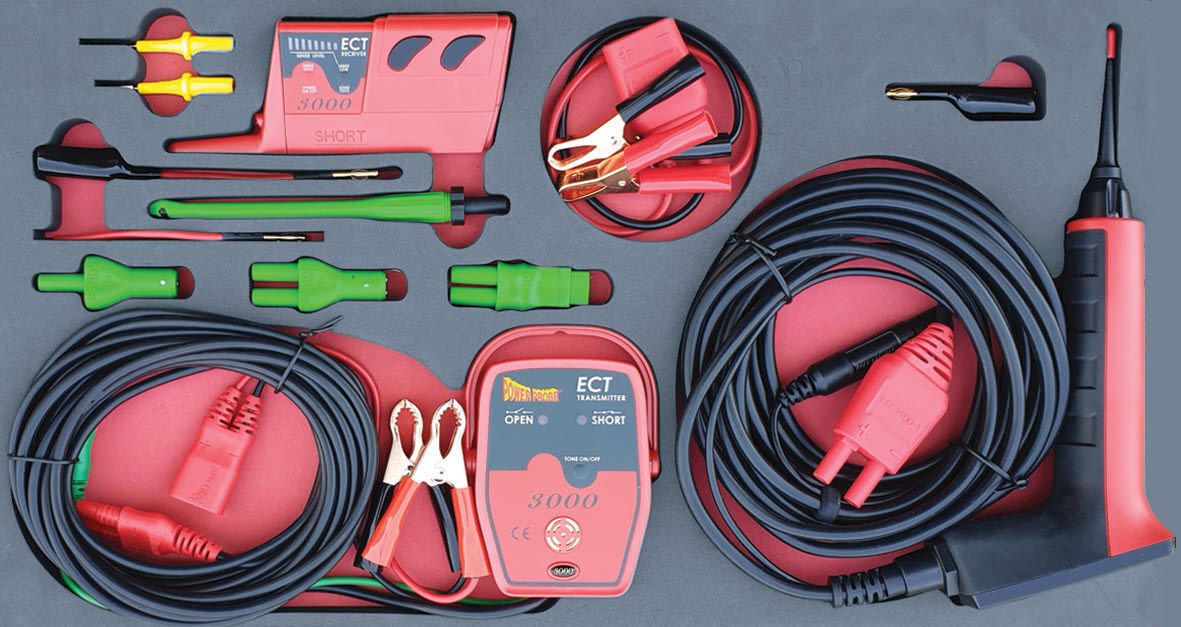
The Power Probe series is a favorite among DIYers, mobile mechanics, and even professionals who want value and versatility. The company has released several models, such as Power Probe III and Power Probe IV.
Key Features
- Easy power and ground supply: Instantly apply voltage or ground to components.
- Audio and visual alerts: Beeps and lights for quick feedback.
- Digital display: Clear voltage readings.
- Component activation: You can turn on lights, motors, or relays without going to the fuse box.
- Long lead: Most models include an 18–20 foot cable.
- Accessory options: Some models offer add-ons like relay testers or circuit tracers.
Pros
- Affordable: Usually less than half the price of Snap-on.
- Lightweight: Easier to handle, especially for beginners.
- Widely available: Sold online, in auto parts stores, and tool shops.
- Upgradable: Many models let you add accessories or update firmware.
Cons
- Build quality: Not as rugged as Snap-on. Some users report buttons wearing out over time.
- Fewer safety features: Basic models might not protect as well against user mistakes.
- Warranty: Usually shorter than Snap-on’s.
Typical Use Cases
- Quick electrical checks in cars, motorcycles, or boats.
- Mobile mechanics who need portable tools.
- Beginners learning automotive diagnostics.
Side-by-side Comparison
To make things clearer, here’s a direct comparison between popular models from Snap-on and Power Probe.
| Feature | Snap-on Multi Probe | Power Probe IV |
|---|---|---|
| Price Range (USD) | $400–$600 | $150–$220 |
| Voltage Range | 0–70V DC | 0–70V DC |
| Lead Length | 20 ft | 18 ft |
| Display Type | Backlit digital | Color digital |
| Short Circuit Protection | Yes | Yes (on PP IV) |
| Warranty | Lifetime | 1 year |
| Component Activation | Yes | Yes |
| Accessories | Limited | Many available |
| Weight | Heavier | Lighter |
Features That Matter Most
Choosing between the Snap-on Multi Probe and Power Probe comes down to what you value most. Here’s what really matters:
1. Accuracy And Reliability
Both probes are accurate, but Snap-on’s electronics have a reputation for holding calibration longer. If you work in a high-volume shop, this can matter. For occasional DIY use, Power Probe’s accuracy is more than enough.
2. Safety
Some beginners don’t realize how easy it is to short a circuit or damage a car’s computer. Snap-on offers better built-in protection. However, recent Power Probe models (like the IV) have improved a lot in this area.
3. Display And Feedback
Both brands offer clear digital displays, but Power Probe IV adds a color screen and extra visual cues. This makes it easier to spot voltage changes at a glance.
4. Power And Ground Delivery
Applying voltage or ground directly to a circuit can save time. Both tools allow this, but Snap-on’s relay feels more robust. Power Probe’s switch is easier to use but may wear faster.
5. Accessories And Upgrades
Power Probe offers more add-ons, like temperature sensors or relay testers. Snap-on’s accessories are fewer but tend to be very high quality.
6. Warranty And Support
Snap-on’s lifetime warranty is hard to beat. If you plan to use the probe daily for years, this adds value. Power Probe’s warranty is shorter, though their customer service is responsive.
Real-world Performance: What Users Say
User reviews and shop feedback paint a clear picture of both tools in action.
Snap-on Multi Probe
Most professional mechanics praise the Multi Probe for its reliability. It’s often described as “the tool you buy once and keep forever.” Users like the solid feel and the confidence that comes with Snap-on’s brand. Some say the tool has survived drops, spills, and years of daily use without issues.
However, some beginners find the cost hard to justify. If you’re only testing circuits a few times a month, the investment may not make sense.
Power Probe
The Power Probe IV and earlier models are praised for their ease of use. Many DIYers say this was the first tool that helped them truly understand automotive wiring. The beep and light feedback are especially helpful for beginners.
Some users mention issues with the probe’s buttons or leads after a few years. However, for the price, most find the tool more than worth it. Power Probe’s wide availability means you can get a replacement quickly if needed.
Credit: www.snapon.co.za
Practical Scenarios: Which Tool Fits Best?
Let’s look at a few scenarios to highlight the strengths of each tool.
Scenario 1: Full-time Mechanic In A Busy Shop
If you diagnose complex electrical problems daily, the Snap-on Multi Probe is a wise investment. Its durability means fewer tool replacements, and the warranty covers unexpected failures. The tool’s accuracy and protection features reduce the risk of damaging expensive car computers.
Scenario 2: Diy Enthusiast Or Weekend Mechanic
If you only work on your own cars or help friends, the Power Probe is a more practical choice. It’s easy to learn, lightweight, and does 95% of what the Snap-on can do for a lower price. You can always upgrade later if your needs grow.
Scenario 3: Mobile Mechanic Or Field Tech
Here, portability and versatility matter. The Power Probe’s lighter weight and available accessories make it a top pick. You can carry extra leads, adapters, or even a spare unit without much hassle.
Scenario 4: Shop With Multiple Technicians
Shops often buy a mix of both tools. Snap-on Multi Probe for the senior techs, and Power Probe units for junior staff or as backup tools. This balances cost and performance.
Cost Of Ownership And Value
Many buyers focus only on the sticker price, but total cost of ownership matters more. Snap-on’s higher price includes a lifetime warranty and proven durability. Over ten years, this can end up cheaper than buying two or three Power Probes.
On the other hand, if you’re just starting out, it makes sense to begin with a Power Probe. You can learn, make mistakes, and upgrade later. If you lose or break the tool, the financial hit is smaller.
Here’s a quick look at the cost over five years for typical users.
| Tool | Initial Cost | Estimated Repairs/Replacement | Total 5-Year Cost |
|---|---|---|---|
| Snap-on Multi Probe | $500 | $0 (warranty covers most issues) | $500 |
| Power Probe IV | $200 | $100 (possible replacement or repair) | $300 |
Credit: sep.snapon.com
Common Mistakes When Choosing A Circuit Tester
Many first-time buyers overlook important factors. Here are two common mistakes:
- Ignoring warranty and support: It’s easy to look only at price. But a good warranty can save hundreds later. Snap-on’s support is often faster and more personal, especially in the US.
- Buying more features than needed: Some buyers get the most advanced probe, expecting to use every function. In reality, most people use just voltage, continuity, and power delivery. Choose a model that fits your real needs.
Non-obvious Insights Most Beginners Miss
- Lead length matters more than you think: A few extra feet can mean the difference between reaching a rear light and having to move your power supply. Always check if the lead is long enough for large vehicles.
- Component activation saves hours: Both Snap-on and Power Probe let you activate relays or motors from the probe. This means you don’t have to run back and forth to the driver’s seat or fuse box. For complex diagnostics, this is a game-changer.
Which Tool Is Right For You?
There’s no single answer. Here’s a summary to help you decide:
- Choose the Snap-on Multi Probe if you want the best durability, warranty, and support, and you work on cars professionally.
- Choose the Power Probe if you want value, easy learning, and flexibility, or you’re a DIYer.
If you’re still unsure, try to borrow or test each tool before buying. Many shops or tool trucks will let you try before you buy.
Where To Learn More
To see these tools in action, check out real-world user reviews or official product guides. For further reading, the official Snap-on and Power Probe websites have detailed manuals and video tutorials. For a broader overview of automotive circuit testing, the Automotive Diagnostic Tools page on Wikipedia is a great resource.
Frequently Asked Questions
What Is The Main Difference Between Snap-on Multi Probe And Power Probe?
The main difference is build quality, price, and warranty. Snap-on tools are more durable and have a lifetime warranty, but they cost much more. Power Probe offers similar features but is lighter, cheaper, and easier to buy.
Can Beginners Use Both Tools Safely?
Yes, but Snap-on Multi Probe has better built-in safety features to protect against user mistakes. Power Probe is easy to use, but beginners should be careful to avoid short circuits, especially on older models.
Do Both Probes Work On All Vehicles?
Both tools work on most 12V and 24V automotive systems, including cars, trucks, and motorcycles. For hybrid or electric vehicles, always check the tool’s voltage range and safety instructions.
Is The Snap-on Multi Probe Worth The Extra Money?
If you’re a professional or value long-term reliability and support, the Snap-on Multi Probe is worth it. For occasional use, the Power Probe offers better value.
What Accessories Are Available For These Tools?
Power Probe offers more accessories, like relay testers, temperature probes, and circuit tracers. Snap-on has fewer add-ons, but their quality is high. Always check compatibility before buying extras.
Choosing between the Snap-on Multi Probe and Power Probe is a personal decision. Think about your budget, how often you’ll use the tool, and what features matter most to you. With the right probe, electrical diagnostics become faster, safer, and much less stressful.