When it comes to the world of electrical wiring, two names stand out in North America: Wirenco and Southwire. Both companies have carved strong reputations for supplying wire and cable, but choosing between them isn’t always simple. For contractors, electricians, and even homeowners, the differences can impact project success, safety, and budgets. If you’ve ever stood in an aisle or browsed online and wondered, “Which one is truly better for my needs?”—this in-depth guide is for you.
Let’s explore how these brands compare, what sets them apart, and what you should know before making your next purchase.
Brand Backgrounds And Market Position
Understanding the history and reputation of each company helps clarify why these brands matter.
Wirenco
Wirenco is a newer player, but it has quickly gained attention for its focus on high-quality building wire, especially THHN/THWN-2 cables. Based in the United States, Wirenco targets both professional and DIY markets, promoting products that meet or exceed industry standards. Their growth has been driven by competitive pricing and reliable performance. Wirenco is especially popular among smaller contractors and online buyers looking for value without sacrificing code compliance.
Southwire
Southwire is a giant in the industry. Founded in 1950, this Georgia-based company is one of North America’s largest wire and cable producers. Southwire serves commercial, industrial, and utility markets, and its products are widely distributed in big box stores and electrical supply houses. Their reputation is built on innovation, extensive product lines, and partnerships with major construction projects. Southwire is often considered the “go-to” for large jobs and long-term reliability.
Product Range And Variety
A major difference between Wirenco and Southwire is the scope of their offerings.
Wirenco’s Core Products
Wirenco focuses mainly on:
- THHN/THWN-2 copper building wire (various gauges)
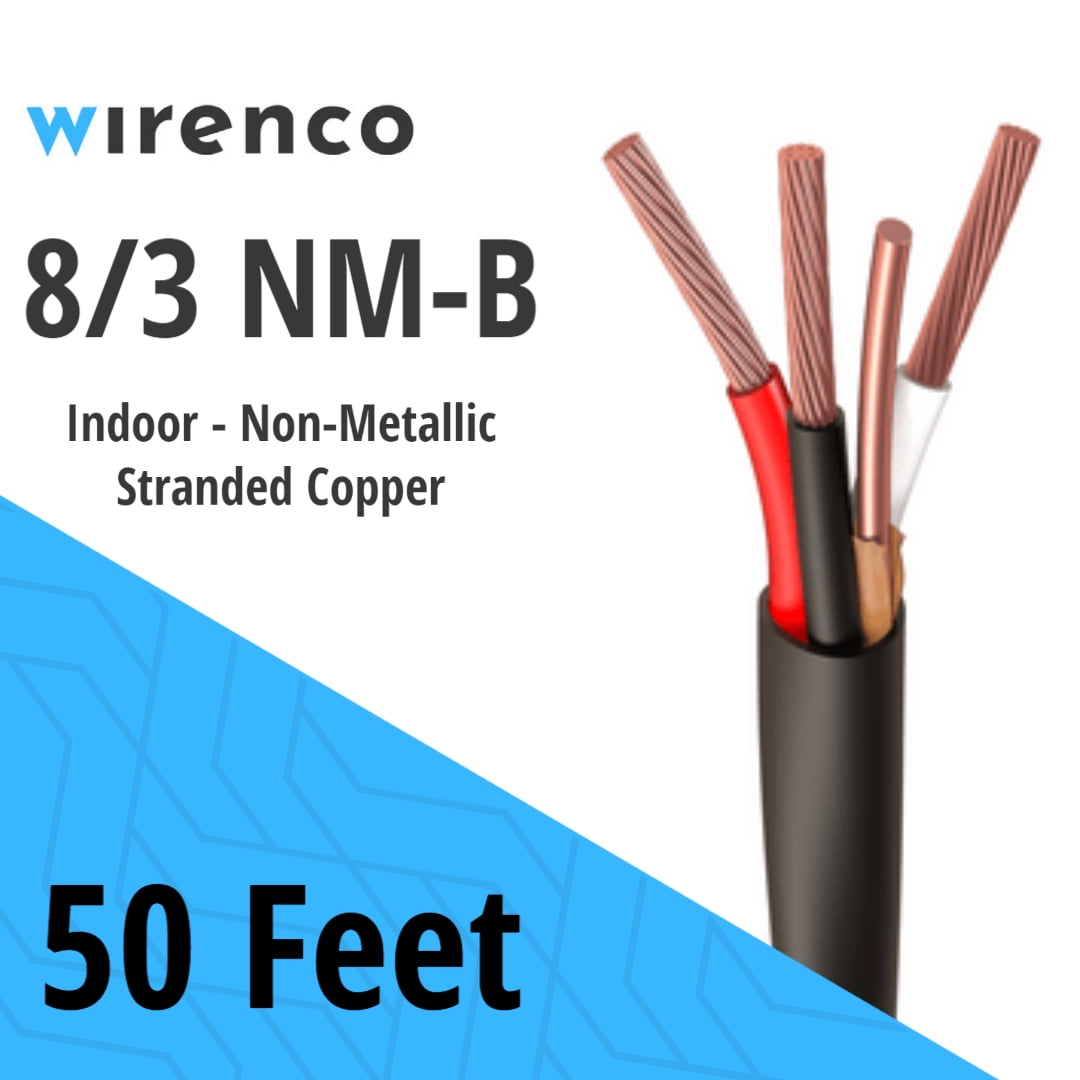
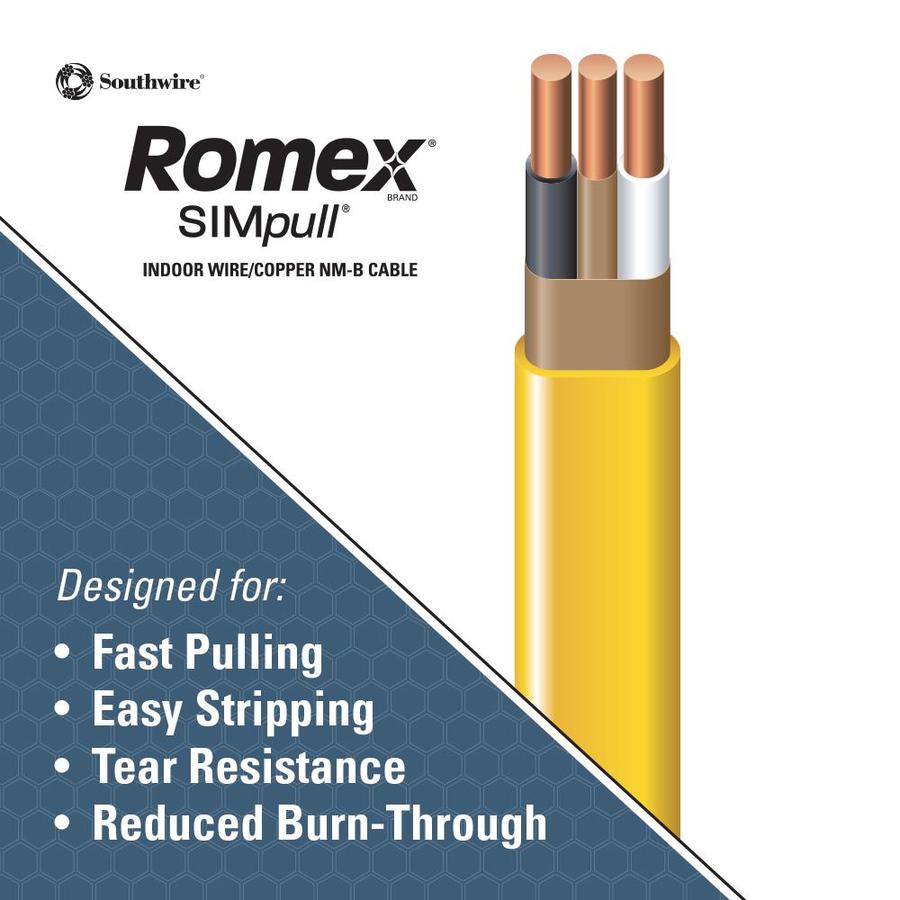
- Romex®-type NM-B cables
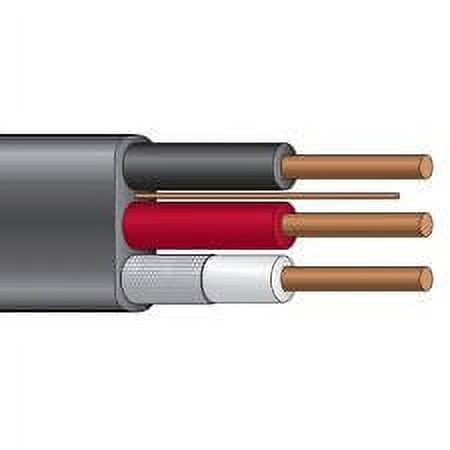
- UF-B direct burial cables
- A limited selection of specialty wires (mostly for residential and light commercial work)
Their catalog is streamlined, which helps them maintain quality control and competitive prices. However, this also means fewer choices for highly specialized needs.
Southwire’s Extensive Selection
Southwire offers a vast range of products, including:
- Building wire (THHN/THWN-2, XHHW, NM-B)
- Industrial cable (control, instrumentation, and armored cables)
- Utility and high-voltage transmission wire
- Flexible cords and specialty cables
- Tools and electrical accessories
This diversity is a big reason why Southwire dominates large projects. If you need a specific type of wire, chances are Southwire makes it.
Comparing Popular Product Lines
Below is a snapshot comparing the most common products from each brand.
| Product Type | Wirenco | Southwire |
|---|---|---|
| THHN/THWN-2 Copper Wire | Yes (main focus) | Yes (many options) |
| NM-B Romex | Yes | Yes |
| Industrial/Utility Wire | Limited | Extensive |
| Flexible Cords | No | Yes |
| Specialty Cables | Few | Many |
Credit: www.walmart.com
Quality And Standards
Quality isn’t just about the copper inside. It’s about meeting safety codes, real-world durability, and user experience.
Certifications And Compliance
Both brands’ products are UL-listed and meet National Electrical Code (NEC) requirements. This is essential for passing inspections and ensuring safety.
- Wirenco: All core products are UL-listed and RoHS compliant. The company emphasizes third-party testing, which is attractive to buyers who want assurance on quality.
- Southwire: Not only UL-listed, but Southwire often exceeds minimum code standards. Their in-house testing labs and certifications cover a wider range, including environmental and performance standards.
Real-world Durability
Feedback from electricians reveals subtle but meaningful differences. Southwire’s insulation and jacketing are known for being tough but flexible, even after long storage. Wirenco’s cables are generally smooth to pull and consistent in gauge sizing, but some users say the insulation feels a bit thinner than Southwire’s.
Performance In Harsh Conditions
For outdoor or demanding environments, Southwire often wins due to its heavier-duty offerings and proven track record on large jobs. Wirenco performs well in standard residential and commercial settings, but if you’re dealing with extreme heat, cold, or abrasion, Southwire’s reputation for ruggedness is a plus.
Price Comparison
Cost is a major factor for most buyers, especially for large projects or budget-sensitive work.
General Pricing Trends
- Wirenco is typically 5–15% cheaper than Southwire for comparable products. This makes it attractive for contractors who need to keep bids low.
- Southwire’s higher price often reflects its market dominance, brand trust, and wider distribution network.
Example Price Points
Here’s how common wire types compare in real-world pricing (as of early 2024, for 500 feet spools, 12 AWG THHN wire):
| Brand | Approximate Price (USD) | Notes |
|---|---|---|
| Wirenco | $90–$110 | Available mostly online |
| Southwire | $105–$130 | Easy to find in stores |
Prices can vary based on region, supplier, and copper market fluctuations. Bulk discounts are common for both brands.
Value For Money
Wirenco’s lower prices make it ideal for straightforward jobs where code compliance is the priority. Southwire’s added cost is often justified for projects where long-term durability or inspector scrutiny is more intense.
Non-obvious insight: For very large orders, some suppliers offer “price match” or special quotes for Southwire, narrowing the gap with Wirenco. Always request quotes from multiple vendors if you’re buying in bulk.
Availability And Distribution
Where you buy matters—especially when you need wire fast.
Wirenco’s Sales Channels
Wirenco is sold mostly through online retailers like Amazon, Home Depot, and specialty e-commerce platforms. Some local supply houses carry their products, but availability is patchier compared to Southwire.
- Pros: Easy online ordering, frequent deals, fast shipping.
- Cons: Harder to find in physical stores if you need something immediately.
Southwire’s Network
Southwire is everywhere—big box stores (Home Depot, Lowe’s), electrical supply houses, and online. Contractors can pick up emergency supplies locally almost anywhere in the US and Canada.
Non-obvious insight: Southwire also supplies wire sold under private labels (store brands), so you may be buying Southwire quality even if the packaging says otherwise.
Applications And Use Cases
Choosing the right brand depends on your project type.
Residential Wiring
Both brands are widely used for home wiring—outlets, lights, and appliances. Wirenco is favored for new builds and renovations where cost is a driver, while Southwire is trusted for older homes or places with strict inspections.
Commercial And Industrial Projects
Southwire dominates here due to its broader range and robust performance in demanding environments. Wirenco can be used for basic commercial installs, but for industrial or large-scale jobs, Southwire’s specialty products win out.
Diy Projects
Wirenco is popular among DIYers who order online and want to save money. The packaging is clear, and the product is easy to work with. Southwire, however, is often chosen by more experienced DIYers who want “contractor-grade” materials.
Packaging And Handling
Small details in packaging can make a big difference on the job.
Wirenco
- Packaging: Simple, often shrink-wrapped coils or boxes.
- Labeling: Clear gauge and length markings.
- Handling: Lightweight, easy to carry, but less rugged in transport.
Southwire
- Packaging: Heavy-duty spools, reels, and contractor packs.
- Labeling: Color-coded and highly visible for quick identification.
- Handling: Bulkier, but more durable for rough job sites.
Electricians often mention that Southwire’s spools are less likely to tangle or collapse, which saves time and frustration.
Customer Support And Warranty
Support matters, especially when something goes wrong.
Wirenco
Wirenco offers standard warranties (usually 1 year) and is responsive to email and online inquiries. Their smaller size can mean more personalized service, but replacement parts and on-site support are limited.
Southwire
Southwire provides extended warranties (up to 5 years on some products) and has robust customer service, including technical support hotlines. They also offer training resources and online specification tools for contractors.
Non-obvious insight: Southwire’s warranty claims are rarely needed, but when they are, their process is faster due to more local reps and established systems.
Credit: motionpub.com
Environmental And Sustainability Practices
Many buyers today care about environmental impact.
Wirenco’s Approach
Wirenco products are generally RoHS compliant, meaning they avoid harmful substances like lead or mercury. The company does not yet publish detailed sustainability reports.
Southwire’s Initiatives
Southwire is a leader in green manufacturing, with major investments in recycling, energy efficiency, and zero-waste goals. They have published detailed environmental reports and offer “green wire” options with recycled content.
For projects seeking LEED certification or other green building standards, Southwire’s documentation and reputation are a clear advantage.
User Reviews And Reputation
Feedback from real-world users can reveal issues that specs do not.
Wirenco Reviews
- Strengths: Consistently praised for value, code compliance, and smooth pulling.
- Weaknesses: Occasional complaints about thinner insulation, less rugged packaging, and shipping delays.
- Best for: Budget-focused buyers and straightforward residential wiring.
Southwire Reviews
- Strengths: Excellent reliability, tough insulation, easy local sourcing.
- Weaknesses: Higher price, rare reports of spooling issues.
- Best for: Demanding jobs, contractors who need proven performance, and large commercial projects.
Non-obvious insight: Some users report that Wirenco’s wire is easier to strip with hand tools, while Southwire’s insulation can be tougher to remove but offers better abrasion resistance.
Credit: shopwirenco.com
Common Mistakes When Choosing
Selecting the right wire brand is more than just picking a name.
- Assuming all UL-listed wires are the same: Even with the same certification, differences in insulation quality, flexibility, and ease of use can affect your project.
- Ignoring local code preferences: Some inspectors or municipalities prefer certain brands, especially for commercial jobs.
- Not checking packaging: Bulk wire without a spool can be difficult to handle on site.
- Overvaluing price over reliability: For small jobs, saving a few dollars makes sense, but in critical projects, a brand with a proven track record (like Southwire) may avoid costly callbacks.
- Missing bulk discounts or special offers: Both brands have deals that can change the price equation.
Which Brand Is Right For You?
Every project and buyer is different. Here’s a summary to help decide:
- Choose Wirenco if: You want good wire at a lower cost, are buying online, and are wiring a house or small business.
- Choose Southwire if: You need specialty cables, buy locally, want extended warranty, or are working on a major or critical project.
For large jobs, get quotes from both brands and check with your inspector or project manager before deciding.
Real-world Example: Residential Rewire
A contractor rewiring a 2,000-square-foot home compared both brands. Wirenco’s 12/2 NM-B cable saved about $120 over Southwire for the whole project. The wire pulled smoothly, and the inspector approved the installation. However, for the outdoor garage feed, the contractor chose Southwire UF-B cable because of its thicker insulation and proven outdoor performance.
This example shows that mixing brands based on application can be a smart move.
Future Trends
The wire and cable market is evolving. Both brands are investing in new technologies—Wirenco by expanding its online reach and Southwire by developing smart-wire solutions and greener products. Expect continued competition, better deals for bulk buyers, and more transparent environmental reporting.
Frequently Asked Questions
Is Wirenco Wire As Safe As Southwire?
Both brands produce UL-listed wire that meets NEC standards. For typical residential or commercial use, Wirenco is just as safe as Southwire if installed properly. For high-stress or specialty applications, Southwire may offer an extra margin of safety.
Why Is Southwire More Expensive?
Southwire charges more due to its brand reputation, widespread distribution, and often heavier-duty construction. Their products also include extended warranties and more robust packaging, which add to costs.
Can I Mix Wirenco And Southwire Wire In One Project?
Yes, as long as both wires meet local electrical codes and are of the same type and gauge for the application. Inspectors care about compliance, not brand. Mixing is common, especially when sourcing from multiple suppliers.
Where Can I Buy Wirenco And Southwire Wire?
Wirenco is widely available online, including Amazon and Home Depot websites. Southwire can be found in nearly all major hardware stores, supply houses, and online retailers. For more information, you can visit the official Southwire site.
Which Brand Is Better For Outdoor Wiring?
Southwire is generally preferred for outdoor or harsh environments due to its thicker insulation and broader range of weather-resistant products. Wirenco is suitable for standard underground feeds, but for demanding conditions, Southwire is a safer bet.
In the end, both Wirenco and Southwire have strengths. Your choice depends on your project, budget, and how much you value local availability versus price. By understanding the subtle differences, you can buy with confidence—knowing your wiring will do the job safely and reliably.