Are you confused about choosing between a 2000 count and a 6000 count multimeter? Picking the right tool can make your work easier, faster, and more accurate.
But how do you know which one fits your needs? Whether you’re a beginner or a pro, understanding the difference can save you time and money. Keep reading, and by the end, you’ll be confident about making the best choice for your projects.
Credit: www.ebay.com
Basic Features Of 2000 And 6000 Count Multimeters
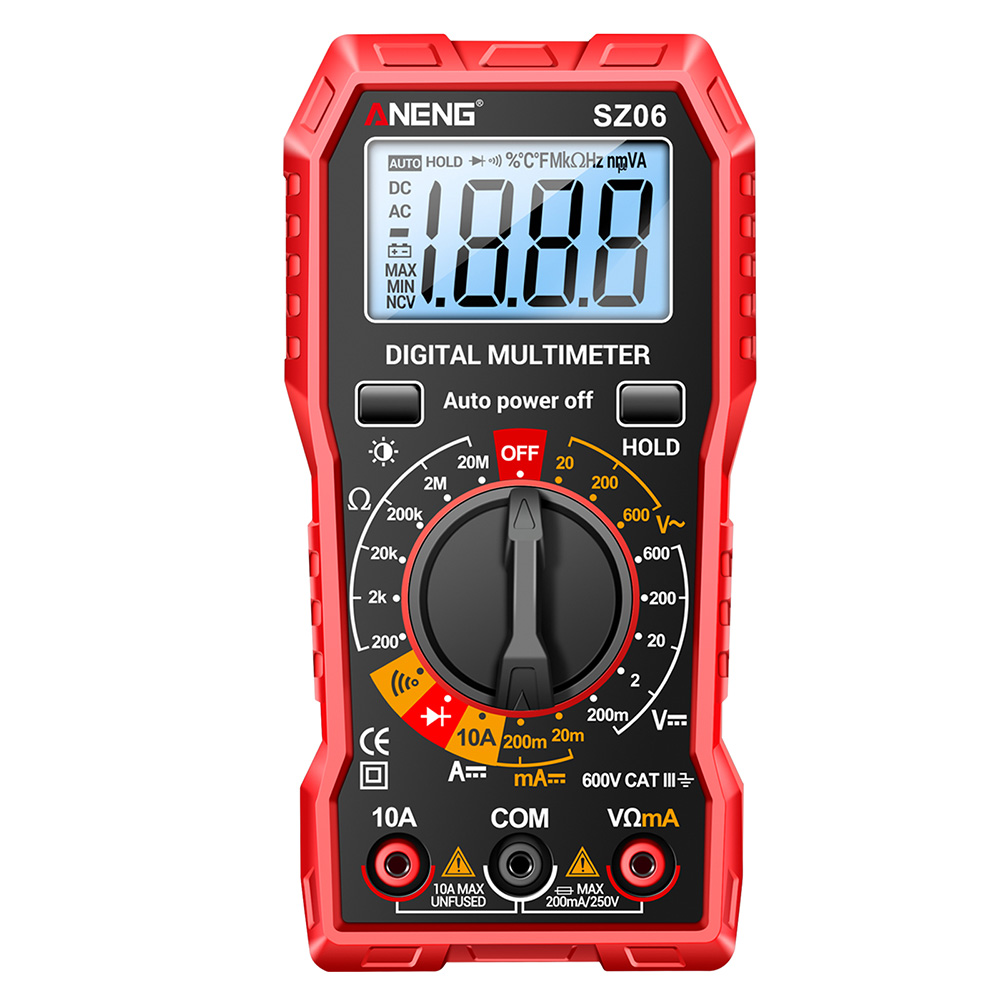
Understanding the basic features of 2000 and 6000 count multimeters helps choose the right tool. Both types measure voltage, current, and resistance. Each offers different levels of detail and precision. Knowing these differences saves time and improves accuracy in tasks.
Display Resolution Differences
The display resolution shows how many digits the multimeter can read. A 2000 count multimeter shows up to 1999 on its screen. A 6000 count multimeter can display values up to 5999. Higher resolution means the meter shows smaller changes in measurements. This helps in detecting finer details in electrical readings.
Measurement Accuracy
Accuracy defines how close the reading is to the true value. 6000 count multimeters usually offer better accuracy than 2000 count models. This makes them suitable for tasks needing precise readings. The 2000 count meters are good for basic checks but may show slight errors in detailed work.
Input Range Capabilities
Input range is the span of values the multimeter can measure. 6000 count multimeters often have wider input ranges than 2000 count types. They handle higher voltages and currents safely. The 2000 count models work well for common household and small electronics tasks. Choosing the correct input range avoids damage and ensures safe use.
Performance In Various Applications
Performance varies between 2000 and 6000 count multimeters in different tasks. The count number shows the device’s resolution and accuracy. Higher count means more detailed readings and better precision. This difference affects how well a multimeter works in various settings.
Home Electrical Testing
For home use, a 2000 count multimeter often suffices. It handles basic tasks like checking outlets, fuses, and switches. The readings are clear enough for simple repairs and safety checks. A 6000 count multimeter offers finer details. It helps detect small voltage drops and subtle issues. This can prevent bigger problems later.
Industrial Usage
Industries need precise and reliable measurements. A 6000 count multimeter suits this purpose well. It reads small changes in voltage and current accurately. This accuracy is crucial for complex machinery and safety. A 2000 count multimeter may miss minor faults. It works for simple machines but not for advanced systems.
Automotive Diagnostics
Car repairs demand exact data from multimeters. The 6000 count model captures detailed electrical signals. It helps find weak batteries, faulty sensors, and wiring issues. The 2000 count multimeter covers basic battery and circuit tests. It fits casual use but might not catch every problem. Professionals prefer higher count devices for better diagnostics.
Durability And Build Quality
Durability and build quality are key factors when choosing between a 2000 count and a 6000 count multimeter. These traits affect how long the device lasts and how well it handles tough conditions. Both multimeters have different designs and materials that influence their strength. Understanding these differences helps in picking the right tool for daily use or professional tasks.
Material And Design
The 2000 count multimeter usually has a simpler design with plastic housing. This makes it lighter but less tough. The 6000 count multimeter often uses stronger plastics or rubberized parts. These materials protect the device from shocks and drops. The design also plays a role. The 6000 count models often have better grips and reinforced corners. This adds to their durability during rough handling.
Resistance To Environmental Factors
Resistance to dust, moisture, and temperature changes varies between the two. The 6000 count multimeter tends to have better sealing against water and dust. It can work in harsher environments like construction sites. The 2000 count multimeter may not handle wet or dusty places as well. Temperature resistance is also higher in the 6000 count model. This makes it reliable for outdoor or industrial use.
User Experience
User experience plays a big role in choosing between a 2000 count and a 6000 count multimeter. It affects how easily you can take measurements and how comfortable the device feels during use. Small details like screen clarity, button layout, and device weight all impact your overall satisfaction.
This section highlights key aspects of user experience. You will learn how these multimeters differ in ease of use, portability, and battery life. These points help you decide which multimeter fits your needs best.
Ease Of Use And Interface
The 2000 count multimeter usually has a simple interface. It shows fewer digits, making it easier for beginners. The screen is clear but less detailed. Buttons and dial controls are basic and straightforward.
The 6000 count multimeter offers more features and detailed readings. The display shows more digits and sometimes extra information. This can be helpful but might confuse new users. The buttons may have more functions, requiring a short learning curve.
Portability And Size
The 2000 count multimeter tends to be smaller and lighter. This makes it easy to carry in a tool kit or pocket. Its compact size suits quick checks and fieldwork.
The 6000 count multimeter is often bigger. It may have a larger screen and more buttons. This size can be less convenient for carrying around. Some models include protective cases but add bulk.
Battery Life
Both multimeters use batteries that last several hours of continuous use. The 2000 count model often consumes less power due to fewer features.
The 6000 count multimeter may drain batteries faster. Extra functions and brighter displays need more energy. Some models offer auto power-off to save battery life.
Price And Value Comparison
Comparing the price and value of 2000 count and 6000 count multimeters helps buyers make smart choices. Both types measure electrical values but differ in accuracy and features. Understanding their costs and benefits ensures you pick the right tool for your needs.
Cost Differences
The 2000 count multimeter usually costs less than the 6000 count model. Basic features and lower resolution reduce its price. The 6000 count multimeter has better accuracy and more functions, raising its price. Budget buyers often choose 2000 count for simple tasks. Those needing precise readings prefer 6000 count despite the higher cost.
Long-term Investment
Spending more on a 6000 count multimeter can save money over time. Its durability and advanced features reduce the need for upgrades. The 2000 count model may require replacement sooner due to limited capabilities. Choosing a higher count multimeter supports long-term projects and professional use. Think beyond the initial price to get better value.
Warranty And Support
Higher-end 6000 count multimeters often come with longer warranties. This adds security and peace of mind. Customer support tends to be better for more expensive models. The 2000 count multimeters may have shorter warranty periods. Check warranty details before purchase to avoid future issues. Good support enhances the overall value of your multimeter.

Credit: www.amazon.com.be
Choosing The Right Multimeter
Choosing the right multimeter matters for both beginners and experts. A good multimeter makes testing easier and more accurate. Understanding the difference between a 2000 count and 6000 count multimeter helps you pick the best one. This choice affects your work quality and efficiency.
Matching Multimeter To Task
Think about the tasks you will do most. A 2000 count multimeter works well for simple home repairs. It shows readings up to 1999 counts, enough for basic checks.
A 6000 count multimeter offers more detail. It can measure up to 5999 counts. This helps in professional work or precise measurements. Choose the device that fits your needs.
Budget Considerations
Price plays a big role in choosing a multimeter. A 2000 count model usually costs less. It is ideal for those with limited budgets.
Expect to pay more for a 6000 count multimeter. The extra cost brings better accuracy and features. Decide how much you want to spend before buying.
Future-proofing Your Tool
Think about future tasks too. A 6000 count multimeter may last longer as your skills grow. It handles more complex jobs and offers better precision.
A 2000 count multimeter may need replacing soon if your needs increase. Investing in a higher count device can save money over time. Plan for your tool to grow with you.

Credit: jw.manuals.plus
Frequently Asked Questions
What Is The Difference Between 2000 And 6000 Count Multimeters?
A 2000 count multimeter shows up to 1999 readings, while a 6000 count shows up to 5999. The 6000 count offers higher resolution and more precise measurements, ideal for detailed diagnostics and advanced electrical work.
Which Multimeter Count Is Better For Beginners?
A 2000 count multimeter is simpler and sufficient for basic tasks. Beginners benefit from its ease of use and affordability. For precise work, professionals prefer the 6000 count, but beginners rarely need that level of detail.
How Does Multimeter Count Affect Measurement Accuracy?
Count affects resolution, not absolute accuracy. A higher count multimeter can display smaller measurement changes. Thus, a 6000 count multimeter provides finer detail, improving the clarity of readings but not necessarily increasing overall accuracy.
Can A 6000 Count Multimeter Measure All 2000 Count Functions?
Yes, a 6000 count multimeter includes all functions of a 2000 count device. It offers enhanced resolution and extra features, making it a versatile tool for both simple and complex electrical measurements.
Conclusion
Choosing between a 2000 and 6000 count multimeter depends on your needs. The 6000 count model offers higher accuracy and better detail. The 2000 count is simpler and fits basic tasks well. Consider how often and what you will measure.
A higher count helps with precision in complex work. For simple home use, the lower count is enough. Think about your budget and skill level too. Both types have their place. Pick the one that matches your daily projects best.