
Choosing the right voltage tester is a key step for anyone working with electricity, from professional electricians to DIY users. A small tool can make a big difference in safety, speed, and accuracy. Among the most common choices are 1Ac and 2Ac voltage testers. At first, they might look almost the same, but their features, performance, and ideal uses are not identical. This guide will clear up the differences, explain when to pick each one, and help you avoid common mistakes when choosing or using these testers.
What Is A Voltage Tester?
A voltage tester is a handheld tool designed to check the presence of voltage in electrical circuits. It helps you find out if a wire or outlet is live (has electrical power) or dead (no power). Voltage testers can be contact (touch the wire) or non-contact (sense the field around live wires). Non-contact voltage testers are popular because they reduce the risk of shocks.
Understanding 1ac And 2ac Voltage Testers
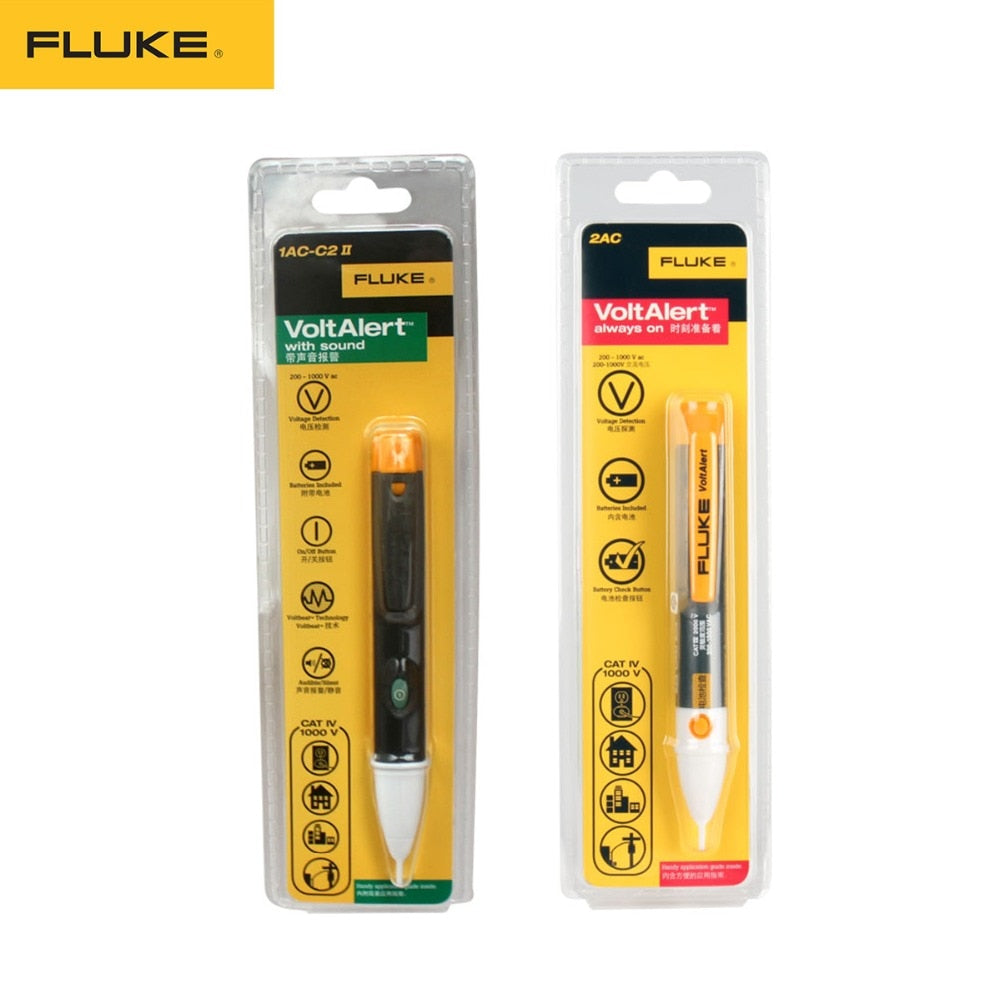
1Ac and 2Ac are product lines from Fluke, a top brand in electrical testing equipment. These non-contact voltage testers are widely used by professionals and homeowners. But what sets them apart? Let’s dig in.
What Is A 1ac Voltage Tester?
The 1Ac voltage tester is a non-contact tool that detects AC voltage in a range commonly found in homes and businesses (usually 90V to 1000V AC). It is compact, simple, and gives a clear visual (usually a red light) and sometimes an audible indication when voltage is present.
What Is A 2ac Voltage Tester?
The 2Ac voltage tester is an updated version with more features. It often has a wider voltage detection range, improved durability, and sometimes extra indicators for better clarity. It’s designed to be even more reliable in varied work conditions.
Side-by-side: 1ac Vs 2ac Voltage Tester
It’s easier to see differences with a direct comparison. Here’s how the two testers stack up:
| Feature | 1Ac | 2Ac |
|---|---|---|
| Voltage Range | 90V – 1000V AC | 90V – 1000V AC (or up to 1200V, model dependent) |
| Indication | Red LED, audible beep | Red LED, louder beep, improved visibility |
| Battery Type | 2 x AAA | 2 x AAA |
| Auto Power-Off | No | Yes (some models) |
| Durability | Standard | Enhanced, drop tested |
| Pocket Clip | Yes | Yes |
| Price | Lower | Slightly higher |
Key Differences Explained
Looking at features is helpful, but it’s important to understand what these differences mean in real life.
Voltage Range
Both testers cover the standard voltage range found in homes and offices. However, some 2Ac models can detect up to 1200V, which is useful in light industrial settings. If you only work on home wiring, the extra range may not matter.
Visual And Audible Indication
The 1Ac gives a simple red light and beep. The 2Ac usually has a brighter LED and a louder beep, which helps in noisy or bright environments. This small change can prevent mistakes when working in poor lighting.
Durability
1Ac testers are strong enough for home use. 2Ac testers are often drop-tested, with rugged bodies. If you often work at construction sites or in rough conditions, durability is a real advantage.
Power Management
Some 2Ac testers have auto power-off, which saves battery life. This is useful if you forget to switch off your tool—something even experienced users do.
Price
The 1Ac is usually cheaper, but the price difference is not huge. If you want more features and robustness, the 2Ac justifies the extra cost.
Pros And Cons
Here’s a quick overview of the strengths and weaknesses of each tester:
| Tester | Pros | Cons |
|---|---|---|
| 1Ac | – Simple to use – Affordable – Reliable for home use |
– Fewer features – Less durable – No auto power-off |
| 2Ac | – More robust – Brighter, clearer signals – Extra safety features |
– Slightly more expensive – Some features may not be needed for simple jobs |
When To Use 1ac Vs 2ac Voltage Tester
Choosing the right tool depends on your needs:
- Homeowners/DIY Users: The 1Ac is a reliable, budget-friendly choice for checking outlets, switches, and basic wiring.
- Electricians/Technicians: The 2Ac is better for those working in different environments, needing brighter indicators, or exposed to harsh conditions.
- Light Industrial Use: Go for the 2Ac if you need to check higher voltage circuits.
How To Use A Non-contact Voltage Tester Safely
Using a voltage tester is simple, but small mistakes can lead to wrong results or even accidents. Here’s a basic guide:
- Check the Tester First: Before using, test the voltage tester on a known live circuit. This confirms it’s working.
- Hold Properly: Grip the insulated part. Do not touch the tip or metal parts.
- Approach the Wire/Outlet: Bring the tester’s tip close to (not touching) the wire or outlet.
- Look and Listen: If the tester lights up or beeps, voltage is present. No signal means it’s likely dead—but always double-check.
- Re-test: After finishing, test on a live circuit again to confirm your tester didn’t fail during use.
Two Insights Beginners Miss
- False Negatives Are Possible: Strong electromagnetic fields, poor batteries, or faulty testers can make a live wire seem dead. Always double-check with a second method if safety is critical.
- Non-Contact Testers Don’t Measure Voltage: These tools show presence, not the amount of voltage. For exact measurements, use a multimeter.
Battery Life And Replacement
Both testers use standard AAA batteries. Battery life depends on use, but regular users should replace batteries every few months. Weak batteries can give false readings—if the tester seems less bright or quieter, replace batteries right away.
Common Mistakes To Avoid
- Trusting the Tester Alone: Never assume a circuit is dead based only on one test. Always verify.
- Not Testing on a Live Source First: Skipping this step is a top reason for accidents.
- Touching the Tip: Even with insulation, it’s risky to touch the sensing end during use.
- Ignoring Battery Warnings: A weak signal often means low battery, not a dead circuit.
Practical Buying Tips
Here’s what to keep in mind when choosing between 1Ac and 2Ac testers:
- Assess Your Needs: For simple home checks, 1Ac is enough. For jobs with more risk or poor lighting, 2Ac is safer.
- Don’t Buy Features You Won’t Use: If you never work on high-voltage or industrial sites, basic is fine.
- Check Warranty: Fluke gives a warranty on both lines. Choose a seller that honors it.
- Buy from Official Sources: Counterfeit testers are a real risk. Always buy from trusted suppliers.
Real-world Example
Imagine you’re installing new light fixtures. You want to make sure the power is off before starting. A 1Ac tester will help you quickly check each wire at the switch and fixture. If you’re in a dim attic or noisy environment, a 2Ac tester’s brighter light and louder beep can make a real difference. For most home jobs, either will work, but pros often carry a 2Ac for extra security.
Comparing Alternatives
Some users consider multimeters or solenoid testers as alternatives. While these tools give more information, they are bulkier, need more skill, and in some cases require direct contact, which is less safe for beginners. For simple “is it live?” checks, non-contact testers are best.

Credit: mme-ae.com
Maintenance And Care
To keep your tester reliable:
- Store it in a dry place.
- Replace batteries regularly.
- Clean the tip with a dry cloth.
- Don’t drop or expose to water.
- Test before and after each use.
A well-cared-for tester can last for years with minimal cost.
Are There Safety Certifications?
Both 1Ac and 2Ac testers from brands like Fluke are CAT IV 1000V rated, meeting international safety standards. This means they are safe for use on outlets and main panels. Always check for certifications before buying.
For more about safety categories, the Wikipedia page on CAT ratings explains how these standards protect you.
Credit: www.metcopacific.com
Summary: Which One Should You Buy?
- Pick a 1Ac voltage tester if you want a simple, reliable tool for home or light use.
- Pick a 2Ac voltage tester if you need more visibility, work in noisy or dark places, or want extra toughness.
- Both testers are safe and effective when used properly. The main difference is in features and price, not the core function.
Choosing between them is not just about cost—it’s about matching the tool to your environment and risk level. With the right voltage tester, you work safer and faster.
Frequently Asked Questions
What Is The Main Difference Between 1ac And 2ac Voltage Testers?
The main difference is that 2Ac testers have more robust construction, brighter and louder indicators, and sometimes a wider voltage range. 1Ac testers are simpler and usually cheaper.
Can I Use These Testers For Dc Voltage?
No, both 1Ac and 2Ac voltage testers are designed for AC voltage only. They do not detect DC voltage.
Are 1ac And 2ac Testers Safe For Beginners?
Yes, both are safe if used correctly. Always test the tester on a live source before and after use, and follow safety instructions.
How Often Should I Replace The Batteries?
Replace AAA batteries every few months or whenever the tester’s light or beep is weak. Regular battery changes prevent false readings.
Do I Need A Multimeter If I Have A 1ac Or 2ac Tester?
A multimeter is useful for measuring the exact voltage and other electrical values. But for simple “live or not” checks, a 1Ac or 2Ac tester is faster and safer.
With the right voltage tester, you can work confidently, knowing you have an extra layer of safety and accuracy in every electrical task.

Credit: www.youtube.com