Klein Tools Vs Fluke: Which Brand Is Best for Electricians and Technicians?
If you work with electricity, you probably know these two famous names: Klein Tools and Fluke. Both are trusted by professionals around the world. But if you have to choose, which brand is better for your job? This is a common question for both beginners and experienced electricians, especially when investing in tools that must be accurate, safe, and long-lasting.
Let’s explore what makes Klein Tools and Fluke different, where each brand shines, and how to pick the right one for your needs. We’ll look at their histories, product lines, quality, pricing, real user experiences, and expert insights. By the end, you’ll have a clear understanding of which brand matches your work style and budget.
The Story Behind Each Brand
Understanding the background of Klein Tools and Fluke helps you see why each brand has a loyal following.
Klein Tools: Over 165 Years Of Heritage
Klein Tools started in 1857 in Chicago, Illinois. From the beginning, they focused on making strong, practical hand tools for professionals. For many electricians, Klein pliers and screwdrivers are almost a tradition—often passed down from one generation to the next.
Klein is still a family-owned business, which is rare for a company this old. Their focus is on the needs of electricians, linemen, and tradespeople. Most Klein tools are made in the USA, and the company is known for listening to user feedback to improve their products.
Fluke: Innovation In Electronics Testing
Fluke is much younger, founded in 1948 by John Fluke in Washington State. Their specialty is electronic test equipment—tools that measure, diagnose, and solve electrical and electronic problems. Fluke’s yellow digital multimeters (DMMs) and test devices are famous for reliability and accuracy.
While Fluke does not have the broad hand tool range of Klein, they lead the market in electrical testing, troubleshooting, and calibration equipment. Fluke is often the first choice for professionals who need precise, dependable instruments for sensitive or high-risk jobs.
Product Range: What Does Each Brand Offer?
Both Klein Tools and Fluke serve electricians, but their main products are different. Here’s how their lineups compare:
| Brand | Main Product Focus | Popular Items |
|---|---|---|
| Klein Tools | Hand Tools & Accessories | Pliers, screwdrivers, wire strippers, cable cutters, tool bags |
| Fluke | Electrical Test Equipment | Digital multimeters, clamp meters, thermal imagers, insulation testers |
Klein Tools Highlights
- Pliers: Side-cutting, needle nose, and lineman’s pliers are Klein’s signature tools.
- Screwdrivers and Nut Drivers: Designed for comfort, grip, and durability.
- Wire Strippers and Cutters: Simple to use and trusted for safety.
- Tool Bags and Storage: Rugged and practical for job sites.
- Electrical Testers: Klein has expanded into basic testers and entry-level meters.
Fluke Highlights
- Digital Multimeters (DMMs): Industry standard for accuracy and safety.
- Clamp Meters: Measure current without breaking the circuit.
- Voltage Testers: Non-contact and contact models for fast checks.
- Thermal Imagers: Find hot spots in circuits and equipment.
- Advanced Analyzers: For power quality, insulation, and process calibration.
One thing beginners often miss: Klein’s main strength is hand tools, while Fluke’s is test equipment. If you need both types, you may end up buying from both brands.
Build Quality And Durability
When you buy tools, you want them to last for years—even with heavy use. Let’s see how Klein and Fluke compare on build quality.
Klein Tools: Built For Tough Conditions
- Materials: Most Klein pliers, cutters, and wrenches use high-carbon steel. Handles are often insulated for electrical safety.
- Testing: Klein tools go through drop, flex, and impact tests.
- Real-World Use: Many electricians report using the same Klein pliers for 10–20 years with only minor wear.
- Lifetime Warranty: Most hand tools are covered, with exceptions for some electronics and testers.
Fluke: Precision And Safety
- Materials: Fluke meters use durable plastics, high-quality probes, and gold-plated connectors for accuracy.
- Safety Ratings: Fluke devices meet high safety standards (CAT III, CAT IV) for hazardous environments.
- Extreme Testing: Fluke meters are drop-tested and built to withstand surges.
- Warranty: Most meters have a 3-year warranty, and some advanced models offer lifetime coverage.
A practical insight: Hand tools (like pliers) see more physical abuse than meters. That’s why Klein focuses on toughness, while Fluke focuses on protecting sensitive electronics and users from dangerous faults.
Accuracy, Safety, And Performance
For professional electrical work, accuracy and safety are not optional—they are required.
How Klein Tools Perform
- Hand Tools: Klein pliers and cutters deliver consistent grip and cutting force. Their screwdrivers fit fasteners snugly, reducing slip and injury.
- Basic Testers: Klein voltage testers and entry-level meters are accurate enough for most residential jobs but may not match Fluke for advanced diagnostics.
Fluke’s Edge In Testing
- Measurement Accuracy: Fluke DMMs and clamp meters are known for exact readings, low error, and stable performance.
- Safety: Features like fuse protection, high-voltage ratings, and clear displays help prevent mistakes.
- Advanced Features: Many Fluke models include True RMS (for accurate readings with complex signals), data logging, and wireless connectivity.
A common mistake: Using a low-quality tester for high-voltage or industrial work. Fluke’s meters are designed to protect both the user and the equipment in demanding environments.
Price Comparison: Cost Vs. Value
Let’s compare typical prices for similar products:
| Product | Klein Tools Price Range | Fluke Price Range |
|---|---|---|
| Lineman’s Pliers | $25–$50 | N/A |
| Wire Strippers | $15–$35 | N/A |
| Tool Bag | $40–$100 | N/A |
| Basic Voltage Tester | $20–$50 | $35–$70 |
| Digital Multimeter | $40–$120 | $100–$400+ |
| Clamp Meter | $60–$150 | $120–$500+ |
- Klein Tools are generally more affordable, especially for hand tools and basic testers.
- Fluke meters and instruments cost more but offer higher accuracy, advanced features, and safety.
For beginners or home users, Klein’s testers may be enough. For professionals handling complex or dangerous work, Fluke’s higher price can be seen as an investment in safety and reliability.
User Experience And Ergonomics
Working all day with tools means comfort and ease-of-use matter.
Klein Tools: Ergonomic Strength
- Handle Design: Klein handles are shaped for comfort, reducing fatigue.
- Grip Texture: Non-slip coatings help in sweaty or oily conditions.
- Weight Balance: Tools are balanced for easy control, important for repetitive tasks.
Fluke: User-friendly Interfaces
- Large Displays: Fluke meters have bright, clear screens with big numbers.
- Simple Controls: Rotary dials and buttons are logical and easy to use, even with gloves.
- Backlight and Sound: Useful in dark areas or noisy environments.
Many professionals say: “Klein tools feel like an extension of my hand, while Fluke meters feel like a smart assistant.” This shows how each brand designs for the user’s real working conditions.
Credit: www.tequipment.net
Customer Support And Warranty
After-sales service can save money and headaches if something goes wrong.
Klein Tools Support
- Easy Warranty Claims: Most stores replace defective hand tools quickly.
- US-Based Support: Fast response, especially for American customers.
- Online Resources: Manuals, FAQs, and tool guides available.
Fluke Customer Service
- Global Network: Authorized service centers in many countries.
- Calibration and Repair: Professional meter calibration available.
- Detailed Documentation: Clear manuals, safety guides, and online troubleshooting.
A beginner’s insight: Warranties cover defects, not abuse or misuse. Always check terms and keep your proof of purchase.
Real-world Reviews: What Users Say
Looking at real user feedback gives a clearer picture than marketing promises.
What Electricians Like About Klein Tools
- Durability: “My Klein cutters are 12 years old and still sharp.”
- Feel: “Handle fits my hand—less pain after a long day.”
- Price: “Great value for the money.”
What Makes Fluke Stand Out
- Accuracy: “Never have to double-check my Fluke meter.”
- Trust: “I work in hospitals—only Fluke is allowed.”
- Features: “Data logging saves me hours when troubleshooting.”
Some users combine both: Klein for hand tools, Fluke for meters. This mix gets the best of both worlds without overspending.

Credit: www.reddit.com
Advanced Features And Innovations
If you want the latest tech, here’s what each brand offers.
Klein Tools
- Hybrid Tools: Multi-function pliers and drivers save space.
- Bluetooth Testers: Some voltage testers now sync with your phone.
- Integrated Lighting: Tools with built-in LEDs for dark spaces.
Fluke
- Wireless Meters: Send data to your phone or tablet for remote monitoring.
- Thermal Imaging: Find hot spots without contact.
- Data Storage: Save and transfer measurement history.
A non-obvious insight: Advanced features matter more for troubleshooting and documentation. If you just need to cut wire or tighten a screw, classic hand tools are enough.
Choosing The Right Brand For Your Needs
Let’s match typical user profiles with the best brand choice.
- Residential Electrician: Klein for hand tools, basic testers; Fluke if budget allows for a professional meter.
- Industrial Technician: Fluke meters for safety, Klein for tough hand tools.
- DIY Homeowner: Klein offers affordable, reliable basics. Fluke testers are a plus if you want extra safety.
- HVAC Specialist: Both brands offer specialized tools, but Fluke’s advanced meters are often preferred.
- Apprentice or Student: Start with Klein for value, upgrade to Fluke as skills grow.
Pro tip: Never buy a fake or gray-market meter. Only buy from authorized dealers to ensure safety and warranty.
Where Each Brand Falls Short
No brand is perfect. Here are some common complaints.
Klein Tools Weaknesses
- Test Equipment: Some meters lack advanced features or high accuracy.
- Global Availability: Harder to find outside North America.
- Innovation Pace: Slower to add new technology than Fluke.
Fluke Weaknesses
- Price: Expensive for students or those on a budget.
- Repair Costs: Out-of-warranty service can be costly.
- Hand Tool Selection: Very limited compared to Klein.
A final tip: Decide based on your real daily needs, not just the brand reputation. The best tool is the one that makes your work safer, faster, and more accurate.
Head-to-head: Sample Product Comparison
Here’s a direct look at two popular entry-level products:
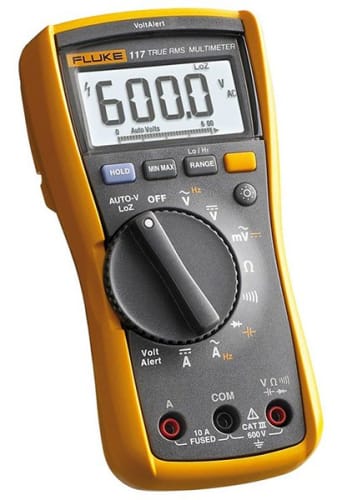
| Feature | Klein MM400 Multimeter | Fluke 117 Multimeter |
|---|---|---|
| Accuracy | ±1.5% (DCV) | ±0.5% (DCV) |
| True RMS | No | Yes |
| Auto-Range | Yes | Yes |
| Non-Contact Voltage | No | Yes |
| Price | $45–$70 | $180–$220 |
This shows why Fluke is more expensive: higher accuracy, True RMS, and extra safety features. But for basic jobs, the Klein meter covers the essentials at a fraction of the price.

Credit: www.youtube.com
Environmental Responsibility And Manufacturing
Many users care about where and how their tools are made.
- Klein Tools: Most hand tools are made in the USA, with some items made in Mexico or China. The company supports American manufacturing and local jobs.
- Fluke: Most meters are designed and tested in the USA, with some manufacturing in China and other countries. Fluke focuses on quality control and global standards.
- Sustainability: Both companies are making efforts to reduce waste and energy use, but this is more visible in Fluke’s official reports.
A non-obvious insight: Country of origin does not always equal quality—design, material, and testing matter more.
Where To Buy And What To Avoid
- Authorized Dealers: Get genuine products, warranty, and support.
- Big Box Stores: Good for Klein hand tools, but check for real Fluke meters.
- Online Marketplaces: Watch out for counterfeits, especially with Fluke.
If you want to compare the latest models and specs, visit the official sites for Klein Tools and Fluke.
Frequently Asked Questions
What Makes Fluke Meters So Expensive Compared To Klein?
Fluke meters are built for extreme accuracy, safety, and advanced features. They meet strict industry standards (like CAT IV safety), which requires more costly components and testing. If you need reliable results in dangerous or sensitive environments, the extra price pays for better protection and fewer mistakes.
Are Klein Tools Made In The Usa?
Most Klein hand tools (like pliers and screwdrivers) are made in the USA. However, some products—especially electronics and testers—may be made in Mexico or China. Always check the packaging or official website for the country of origin if this matters to you.
Can You Use Klein Testers For Industrial Work?
Klein testers are fine for most residential and light commercial jobs. For high-voltage, industrial, or critical systems, Fluke testers are usually recommended due to higher accuracy, advanced safety, and better durability under tough conditions.
How Do I Spot A Fake Fluke Meter?
Common signs of a fake Fluke include unusually low price, missing warranty, poor packaging, and errors in the manual. Always buy from authorized dealers or reputable stores. Fluke also offers an online tool to check serial numbers for authenticity.
Which Brand Is Better For Beginners?
For most beginners, Klein offers affordable, durable hand tools and basic testers. You can start with Klein, then invest in a Fluke meter as your skills and needs grow. Many professionals use both brands for different tasks.
Choosing between Klein Tools and Fluke is not just about the name—it’s about matching the right tool to your real work. Klein is trusted for practical, tough hand tools, while Fluke leads in testing accuracy and safety. Most electricians and technicians find that using both brands gives them the best results on the job. For further details, you can check the Fluke Corporation Wikipedia page for more on Fluke’s history and products.
Whether you’re wiring a new house, solving a tricky circuit problem, or teaching the next generation, your tools matter. Choose wisely, and your work—and safety—will thank you.