Choosing the right multimeter can make all the difference in your electrical work. When you come across terms like Cat 2 and Cat 3, it might feel confusing.
But understanding the difference between Cat 2 vs Cat 3 multimeters is crucial for your safety and the accuracy of your measurements. This guide will help you quickly grasp what sets these categories apart, so you can pick the perfect tool for your needs.
Keep reading—you’ll discover simple tips that can protect you from costly mistakes and keep your projects running smoothly.
Cat 2 Multimeter Basics
Understanding Cat 2 multimeters is important for safe and accurate electrical testing. These tools measure voltage, current, and resistance in low to moderate energy circuits. They have specific limits and safety features. Knowing these basics helps you choose the right multimeter for your tasks.
Voltage And Current Limits
Cat 2 multimeters typically handle voltages up to 600 volts. Their current limits usually max out around 10 amps. These limits protect the device and user from electrical hazards. Exceeding these limits can cause damage or injury. Always check the multimeter’s rating before use.
Typical Usage Scenarios
Cat 2 multimeters suit testing household appliances and power tools. They work well for measuring circuits connected to wall sockets. Use them for low-energy circuits like lighting and small motors. Avoid using Cat 2 meters on high-energy or industrial equipment.
Safety Ratings Explained
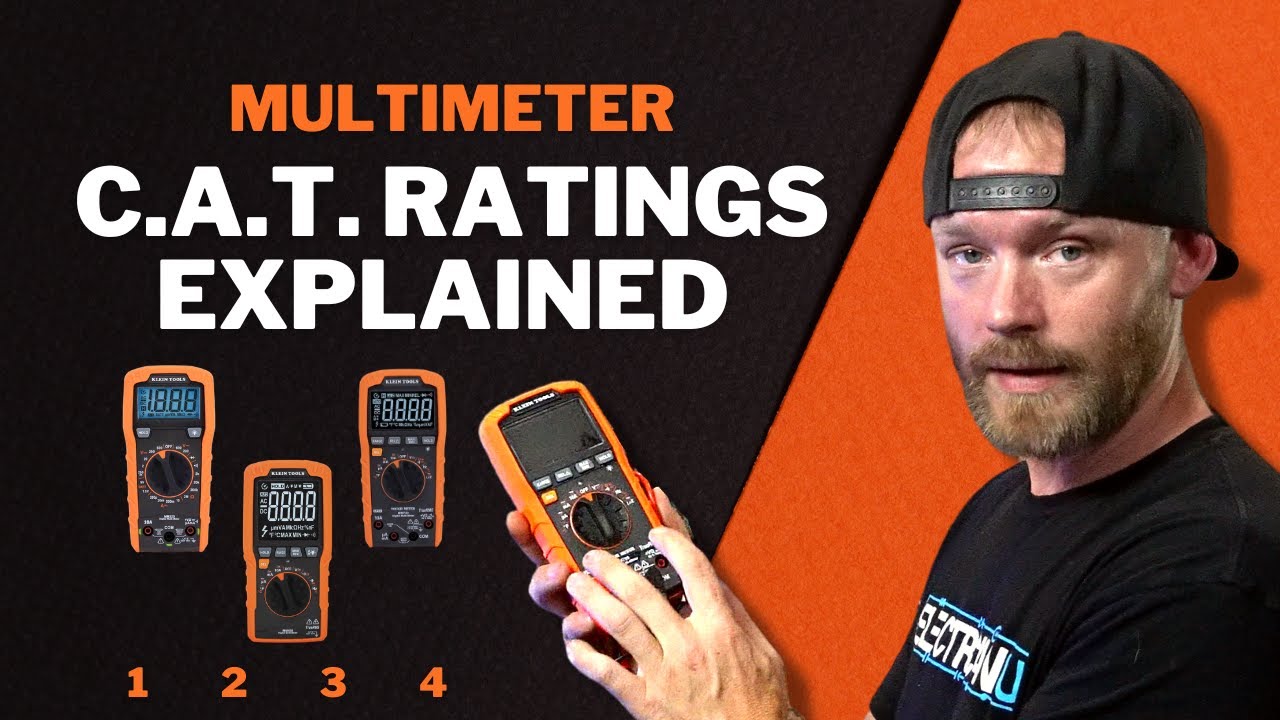
Safety ratings classify multimeters by circuit types they can test safely. Cat 2 rating means the device is safe for single-phase receptacle connected circuits. It offers moderate protection against voltage spikes. Higher categories like Cat 3 and Cat 4 provide more protection for industrial environments.
Credit: www.youtube.com
Cat 3 Multimeter Essentials
A Cat 3 multimeter is designed for testing in tougher electrical environments. It offers more protection than Cat 2 meters. These meters handle higher energy levels safely. Knowing the essentials helps you choose the right tool. Understanding Cat 3 features ensures safer and accurate measurements.
Cat 3 meters are built for industrial and commercial use. They provide durability and strong insulation. This makes them ideal for electricians and technicians working with complex systems.
Higher Voltage Handling
Cat 3 multimeters can handle voltages up to 600 volts or more. This is higher than Cat 2 meters, which usually handle up to 300 volts. This ability helps when measuring power in buildings or factories. It reduces the risk of damage or injury during tests.
Common Applications
These meters work well for testing circuit breakers and distribution panels. They are used in commercial wiring and fixed installations. Cat 3 multimeters are common in industrial settings. They measure voltage and current safely in these areas.
Enhanced Safety Features
Cat 3 meters include strong insulation and protection against surges. They have shields to protect users from electric shocks. Their design meets strict safety standards for professional use. These features prevent accidents and improve reliability during tests.
Comparing Safety Standards
Cat 2 and Cat 3 multimeters differ in safety levels for electrical testing. Cat 3 models handle higher energy and are safer for industrial use. Choosing the right category helps prevent accidents and protects both the user and equipment.
Insulation And Protection Levels
Cat 2 and Cat 3 multimeters differ in insulation and protection. Cat 3 meters have stronger insulation to handle higher energy spikes. They work well on building wiring and fixed installations. Cat 2 meters are designed for lower energy circuits, like appliances and electronics. The extra insulation in Cat 3 meters helps prevent damage and electric shocks. This makes Cat 3 safer for tougher electrical environments.Impact On User Safety
User safety improves with higher category ratings. Cat 3 multimeters reduce risk in industrial or commercial settings. They can handle sudden voltage surges without harming the user. Cat 2 meters offer basic protection for simple tasks. Using a Cat 2 meter in a Cat 3 environment increases danger. Choosing the right category helps avoid electrical accidents and injuries. Safety depends on matching the meter to the work environment.Compliance With Regulations
Electrical safety rules require using the correct meter category. Cat 3 meters meet stricter standards for workplace and outdoor use. Cat 2 meters follow rules for household and low-energy use. Regulatory bodies like IEC set these standards worldwide. Using a meter that meets regulations avoids fines and legal trouble. It also ensures the meter performs reliably under expected conditions. Compliance is key for safety and professional work quality.
Credit: www.testequity.com
Performance Differences
Performance differences between Cat 2 and Cat 3 multimeters affect how you use them. These differences impact accuracy, durability, and speed. Understanding these areas helps pick the right tool for your work.
Measurement Accuracy
Cat 3 multimeters offer higher accuracy than Cat 2 models. They handle higher voltages and complex circuits better. Cat 2 meters work well for low-voltage tasks but may show small errors in tougher environments. Choosing a Cat 3 meter ensures precise readings on industrial or commercial jobs.
Durability And Build Quality
Cat 3 multimeters are built tougher to resist shocks and harsh conditions. Their casing is stronger and better insulated. Cat 2 meters have lighter construction and suit home or light electrical use. For heavy-duty or outdoor work, Cat 3 tools last longer and maintain safety.
Response Time
Cat 3 meters typically have faster response times. They display readings more quickly, saving time during diagnostics. Cat 2 meters respond slower but work fine for simple checks. Fast response helps in troubleshooting fast-changing electrical signals or faults.
Choosing The Right Multimeter
Choosing the right multimeter is important for safety and accuracy. Different categories like Cat 2 and Cat 3 offer various levels of protection. Picking the right one depends on your tasks and work area. Understanding your needs helps you avoid risks and get reliable readings.
Assessing Your Needs
Think about what you will test. Cat 2 suits household electronics and small appliances. Cat 3 fits better for building wiring and industrial equipment. Choose based on the voltage and type of circuits you handle. This helps ensure your multimeter matches your work’s demands.
Work Environment Considerations
Consider where you will use the multimeter. Cat 3 models are designed for tougher environments with higher energy levels. Cat 2 is fine for low-energy spaces like home or small workshops. The environment affects the safety features you need. Choose a multimeter that can handle your work setting safely.
Budget Vs. Safety
Safety should never be ignored for a lower price. Cat 3 multimeters cost more but offer better protection. Cat 2 is cheaper but less safe for high-energy work. Balance your budget with the risks involved. It is better to spend more on safety than risk damage or injury.
Common Misconceptions
Many people confuse Cat 2 and Cat 3 multimeter ratings. These ratings tell you about the safety level of the tool. Misunderstanding these can lead to wrong choices and unsafe use. Clear knowledge helps you pick the right multimeter for your needs.
Cat Ratings And Multimeter Quality
Cat ratings do not show the quality of the multimeter. They only show how much electrical energy the meter can safely handle. A high Cat rating means it can handle stronger electrical surges. But it does not mean the meter is more accurate or better made.
When Cat 2 Is Enough
Cat 2 suits low energy circuits like household appliances or electronics. Many tasks around the home do not need Cat 3. Using a Cat 2 multimeter for small jobs keeps costs down. It also avoids extra bulk and complexity.
Avoiding Safety Risks
Choosing the wrong Cat rating can cause injury or damage. Using a Cat 2 meter in a Cat 3 environment is unsafe. Always check the rating before testing high-energy circuits. Safety is the top priority when working with electricity.

Credit: www.hisco.com
Frequently Asked Questions
What Is The Difference Between Cat 2 And Cat 3 Multimeters?
Cat 2 multimeters are designed for low-energy circuits like household appliances. Cat 3 multimeters handle higher energy circuits such as distribution panels safely. Cat 3 offers better protection against voltage spikes and transient surges than Cat 2.
Which Category Is Safer For Industrial Use, Cat 2 Or Cat 3?
Cat 3 multimeters are safer for industrial environments. They are built to withstand higher energy faults common in industrial installations. Cat 2 is suitable only for basic household or low-energy circuit testing.
Can I Use A Cat 2 Multimeter For Cat 3 Measurements?
No, using a Cat 2 multimeter for Cat 3 environments is unsafe. Cat 2 meters lack adequate protection for higher energy faults in Cat 3 circuits. Always use the correct category rating to ensure safety.
How Does Voltage Rating Differ Between Cat 2 And Cat 3 Multimeters?
Cat 2 multimeters typically support up to 600V, suitable for simple circuits. Cat 3 multimeters can handle up to 1000V or more, ideal for distribution panels. Higher voltage rating means better protection and versatility.
Conclusion
Choosing between Cat 2 and Cat 3 multimeters depends on your work needs. Cat 2 suits low-energy circuits like home appliances. Cat 3 is best for higher energy areas such as distribution panels. Safety ratings protect you from electrical hazards.
Always pick the right category for your tasks. This choice keeps you safe and tools lasting longer. Understanding these differences helps you work smarter and safer. Keep these points in mind when buying a multimeter. Stay safe and measure with confidence every time.