
Finding the best homeowner multimeter can make a big difference when tackling electrical tasks around the house. It’s not just about measuring voltage or current; it’s about having a reliable tool that’s easy to use and accurate. Whether you’re checking outlets, testing batteries, or troubleshooting appliances, the right multimeter simplifies the job. For everyday home use, you don’t need anything overly complex, but you do want something sturdy and precise. A good multimeter strikes the right balance between features and simplicity, making it a handy tool for anyone who likes to handle small electrical repairs safely and confidently.
Klein Tools Mm325 Digital Multimeter
The Best Homeowner Multimeter for anyone who needs a reliable and straightforward device to test household electrical components safely.

This digital multimeter is a practical tool designed for homeowners who want to measure voltage, current, resistance, and test batteries or continuity around the house. Its manual-ranging feature helps avoid confusion for users who prefer direct control over measurement settings.
Using this multimeter feels straightforward, with clear LED indicators for proper lead placement and a backlit display that makes reading easy in dim areas. I found it saves time by reducing guesswork and improving measurement accuracy during routine electrical checks.
Real-World Use Highlights
- LED indicators ensure correct test lead placement, reducing errors.
- Backlit LCD screen supports visibility in low light conditions.
- Compact size and kickstand provide convenience on the job.
- Battery test mode helps quickly check household batteries.
- Manual ranging gives precise control, though it requires user knowledge.
Considerations Before Buying
- Manual ranging might be challenging for beginners used to auto-ranging meters.
- Limited to 600V AC/DC which is sufficient for home but not industrial use.
- No wireless or app connectivity for data logging.
Choosing This Multimeter for Home Use
This multimeter suits homeowners who want dependable, easy-to-read measurements for common electrical tasks. It’s especially good for those comfortable with basic manual controls and value clear feedback during testing.
However, if you prefer a fully automatic device or need to measure higher voltages, this may not be ideal. Keep in mind that mastering the manual range settings will improve your experience with this tool.
Thoughtful Selection Advice
If you often perform electrical troubleshooting at home and want a durable, no-frills multimeter, this model fits well. It avoids unnecessary complexity while providing essential features like battery testing and lead-alert LEDs.
Users who want a simpler, automatic setup might find the manual ranging a bit cumbersome. My tip: spend time getting familiar with the dial settings first to boost your confidence and accuracy.
Rest assured, this tool offers solid performance without confusion, making it a reasonable choice for many household electrical tasks.
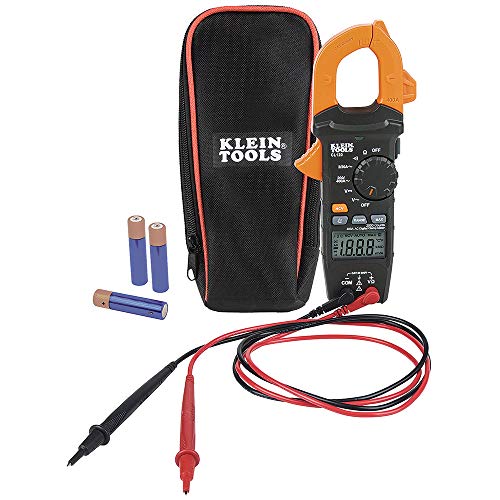
Klein Tools Green Clamp Meter
The Klein Tools Green Clamp Meter is a solid choice for anyone seeking the Best Homeowner Multimeter to handle basic electrical measurements safely and simply.
What to Expect From This Multimeter
This digital clamp meter from Klein Tools measures AC current with a clamp and also checks AC/DC voltage, resistance, and continuity using test leads. It’s designed to simplify electrical testing at home, especially with its non-contact voltage detection that adds a layer of safety.
In daily use, the backlit LCD makes reading measurements easier in dim spaces, and the auto-ranging feature means you don’t have to guess the correct range. Holding and operating the meter feels straightforward, with thoughtful touches like a side test lead holder and optional magnetic hanger for hands-free work.
Ease and Challenges in Everyday Use
- Clear display helps read results quickly, even in low light.
- Non-contact voltage tester adds convenience and safety.
- Auto-ranging reduces guesswork and speeds up testing.
- Compact size and light weight make it easy to handle.
- Test lead holder keeps accessories organized during use.
- Limited to 400 Amp AC clamp range, which might not suit heavy industrial tasks.
- Does not include a built-in magnetic hanger; this is an optional accessory.
- Green color might show dirt or wear more easily over time.
Finding the Right Fit
This meter fits best for homeowners who want a reliable tool for occasional electrical checks and repairs. Its safety features and easy operation provide confidence without complexity.
However, if you need a meter for very high current measurements or professional-level diagnostics, this model may feel limited. Also, those who prefer all-in-one accessories might miss the included magnetic hanger.
- Great for basic electrical troubleshooting and voltage checks.
- Ideal for those who value safety features like non-contact testing.
- Not designed for heavy-duty or industrial electrical work.
Thoughts on Choosing This Multimeter
If you are a homeowner looking for a straightforward multimeter that covers essential functions with some handy extras, the Klein Tools clamp meter offers a balanced package. It keeps testing safe and simple without overwhelming you with settings.
Keep in mind the clamp current limit and accessory needs before buying. A small investment in a magnetic hanger could improve your workflow. Overall, it’s a dependable tool that can serve well for routine home electrical tasks.
Aneng Digital Home Multimeter
The Best Homeowner Multimeter for anyone needing a reliable tool to measure electrical values safely at home or in automotive settings.

Daily Use Insights for Home Electrical Tasks
- Measures AC/DC voltage, current, resistance, and continuity with ease.
- Clear display helps avoid misreading values during quick checks.
- Protective silicone case adds durability in active environments.
- Compact design fits comfortably in hand and pocket for easy portability.
- Safety features like double fuses and insulated probes reduce risk.
Considerations for Your Needs
- Not suited for advanced industrial applications or high-voltage testing.
- Screen size may feel small for users with vision difficulties.
- Basic instructions might require supplemental learning for beginners.
Thoughts for Potential Users
This ANENG multimeter is well-suited for homeowners who want a dependable device for routine electrical checks, including outlet testing and battery diagnostics. Its safety features and versatility make it a practical choice for everyday tasks without overwhelming complexity.
However, if you need a tool for professional-grade or heavy-duty electrical work, this model might not meet all your requirements. It’s best for those comfortable with basic electrical measurements and looking for a portable, user-friendly instrument.
Choosing This Multimeter Wisely
If you’re a homeowner or hobbyist needing straightforward measurements around the house or car, this ANENG model offers a good balance of safety, accuracy, and convenience. It’s easy to carry and operate, which helps build confidence during use.
On the other hand, skip this if you require advanced features or a larger display for detailed diagnostics. Before use, familiarize yourself with the manual to get the most accurate readings and extend the device’s lifespan. This tool provides steady reliability for those who value practical and safe measurement over complexity.
Allsun Mini Manual Range Multimeter
The Best Homeowner Multimeter for those needing a simple, compact tool to handle basic electrical tests around the house.
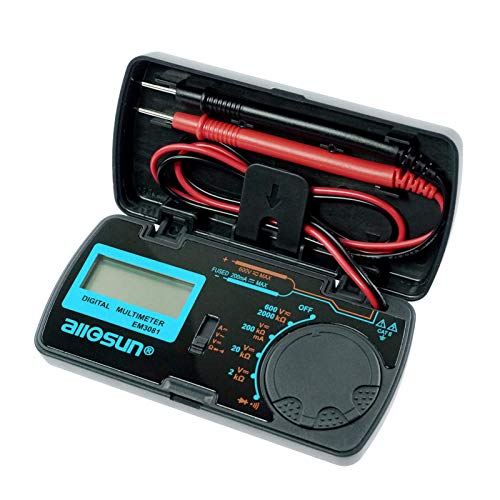
This is a handheld mini multimeter designed for homeowners who want to test electrical circuits without fuss. It solves common problems like checking batteries, measuring voltage, and continuity, all with a manual range selector that avoids auto-ranging confusion. The compact size makes it easy to carry and store.
Using this multimeter feels straightforward and reliable. The manual operation requires a bit of attention, but it gives clear readings once you get used to it. It’s lightweight, fits in a pocket, and is handy for quick troubleshooting around the home or vehicle.
Practical Insights for Home Use
- Compact and portable for easy storage in toolkits or glove compartments
- Manual range selection allows precise control over measurements
- Includes basic functions: DC/AC volts, amps, ohms, continuity, and diode testing
- Does not auto power off, so remember to turn it off manually to save battery
- Not suitable for heavy commercial or high-load electrical testing
Thoughts on Suitability and Use
This multimeter suits homeowners who prefer simple, no-frills tools for occasional electrical checks. It’s ideal for quick battery tests, appliance troubleshooting, and continuity checks in household wiring. However, if you want auto-ranging or heavy-duty use, this model might feel limiting.
Choosing This Multimeter
If you need a basic, compact multimeter mainly for household use, this allsun model fits well. It’s easy to carry and covers essential functions without complexity. Those requiring automatic range detection or advanced features should consider other options. Remember to remove the battery tape before first use and manually turn off the device to preserve battery life. This tool offers steady performance for routine tasks and gives you confidence when dealing with everyday electrical problems.
Gardner Bender Analog Multimeter
The Best Homeowner Multimeter for those who need a reliable and straightforward tool to measure AC/DC voltage and other electrical parameters at home.

This analog multimeter by Gardner Bender is a manual range tester designed to measure voltage and other electrical values with ease. It is well suited for homeowners who want to handle basic electrical troubleshooting, offering a color-coded display that simplifies reading measurements. The 15-position rotary dial lets you select from multiple functions and ranges, which can help avoid confusion during use.
In real-world use, it feels solid and straightforward. The clear analog display makes it easier to interpret readings compared to digital screens, especially in low light. While it requires manual range selection, this adds a level of control that some users appreciate. I found it reliable for quick checks around the house without complicated menus or settings.
What to Expect When Testing at Home
- Clear, color-coded analog display for quick reading
- Manual range selection means you control measurement precision
- Compact and lightweight, easy to carry during home tasks
- Fuse overload protection adds a layer of safety
- Includes replaceable test leads for long-term use
Consider Before You Buy
- No auto-ranging feature, so some familiarity with multimeters helps
- Analog needle can be less precise for very fine measurements
- Basic model without advanced digital functions or logging
Finding the Right Fit for Homeowners
This Gardner Bender multimeter fits well for homeowners who want a simple, dependable tool for basic electrical testing around the house. It works well for those who are comfortable with manual settings and prefer an analog display to digital readouts.
However, those who want automatic range detection or more detailed digital features might find this model limiting. If you need high-precision measurements or advanced diagnostics, you may want to look elsewhere.
- Great for quick voltage and continuity checks
- Good for learning basic electrical measurements
- Not ideal for professional electricians needing advanced functions
Balancing Simplicity and Practical Use
This analog multimeter offers a straightforward approach without unnecessary complexity. It is practical for everyday homeowner needs, especially if you value a visible needle and manual control over measurement ranges.
The trade-off is that it requires some understanding of how to select the correct range, and the analog display is less suited for fine detail. Still, it provides enough accuracy for typical home projects and repairs.
When to Choose This Multimeter
If you want a no-nonsense tool to perform basic electrical tests at home and appreciate the tactile feel of an analog meter, this is a solid choice. It suits those who prefer clear visual feedback and can handle manual range selection without frustration.
Skip this if you need digital precision or automatic features. A practical tip is to review the included instructions carefully to maximize your confidence in using the rotary dial and interpreting readings. Overall, it offers dependable service with a calm, straightforward design that won’t overwhelm.
Narrowing Down The Best Homeowner Multimeter For Your Needs
Choosing the right multimeter can feel overwhelming with so many options. Start by thinking about what you’ll mostly measure: voltage, current, or resistance. Consider if you prefer manual or auto-ranging models for ease of use. Don’t overlook safety features like lead-alert protection, especially if you’re new to electrical testing. Size and portability matter if you plan to carry it around often. Most people miss checking if the display is backlit, which helps in low light conditions. Focus on what fits your typical tasks rather than all the bells and whistles.
The 30-second Checklist For A Best Homeowner Multimeter
- Does it measure both AC and DC voltage? Yes / No
- Is the display easy to read in different lighting? Yes / No
- Can you comfortably hold and operate it with one hand? Yes / No
- Are the test leads easy to connect and store? Yes / No
- Does it offer safety features like fuse protection or lead-alert? Yes / No
- Is it lightweight enough for occasional carrying? Yes / No
Avoiding Buyer’s Regret With Your Homeowner Multimeter
Regret #1: Buying a multimeter that’s too complex. Many models have features homeowners rarely use. Stick to essential functions to avoid confusion and wasted money.
Regret #2: Overlooking safety features. Without proper protection, you risk inaccurate readings or worse. Choose a multimeter with built-in safeguards like lead placement alerts or fuse protection.
Regret #3: Picking a unit that’s hard to read or use in dim spaces. A backlit display and clear indicators make testing easier and safer. Don’t compromise on visibility.
Quick Pick Table For The Best Homeowner Multimeter
| If you want… | Look for this | Avoid this |
|---|---|---|
| Easy and fast measurements | Auto-ranging feature | Manual ranging with complex dial |
| Clear readings in any light | Backlit LCD display | No illumination or small screen |
| Safe testing for beginners | Lead-alert or fuse protection | No safety indicators or warnings |
| Portable and compact design | Lightweight with test lead holders | Bulky or heavy without carrying options |
| Multi-purpose use (battery, voltage, current) | Measures AC/DC voltage, current, resistance, continuity | Limited function meters |
Practical Tips For Using Your Homeowner Multimeter
- Always check the battery before use to avoid inaccurate readings or sudden shutdowns.
- Start with the highest measurement range to prevent damaging the multimeter.
- Use the test lead holders to keep probes secure when not in use or during hands-free operations.
- Keep the multimeter clean and store it in its protective case to extend its life.
- Familiarize yourself with the dial and buttons before testing live circuits to reduce errors.
Best Homeowner Multimeter Faqs
Can I use a homeowner multimeter for automotive battery testing?
Yes, many homeowner multimeters include battery test modes suitable for automotive batteries. Check the product features to confirm this function.
Is it necessary to choose an auto-ranging multimeter?
Auto-ranging makes measurements easier and faster, especially for beginners. However, manual-ranging models can be more affordable and offer precise control if you prefer.
How do I maintain my multimeter to ensure accurate readings?
Regularly inspect the test leads for damage, replace batteries as needed, and store the device in a dry, dust-free environment. Calibration might be required over time.
Are all multimeters safe to use on household wiring?
Not all are. Look for models with appropriate voltage ratings and safety features like fuse protection and lead-alert to ensure safe use on household circuits.
What does continuity testing mean, and do I need it?
Continuity testing checks if a circuit is complete. It’s useful for troubleshooting wiring and connections in your home, so it’s a handy feature for homeowners.
Can I rely on the backlit display for dark spaces?
Yes, a backlit display greatly improves visibility when working in low-light conditions, making it easier to read measurements accurately.
What should I do if the multimeter shows inconsistent readings?
Check the battery level and test lead connections first. If problems persist, calibration or professional servicing might be necessary.
Final Thoughts On Choosing The Best Homeowner Multimeter
Finding the right multimeter for home use is about matching features to your typical tasks. Consider ease of use, safety features, and clear displays as top priorities. A lightweight, versatile model often fits most homeowner needs well.
If you’re torn between models, the simple tie-break rule is to pick the one that feels most comfortable and intuitive in your hands. This will help you test confidently and safely every time.