Many people are curious about the tools used to detect invisible dangers like electromagnetic fields (EMF) and radiation. Two common devices in this area are the EMF meter and the Geiger counter. At first glance, these tools might seem similar. Both measure something you cannot see or feel. However, they are quite different in what they detect, how they work, and why people use them. Understanding these differences is important—especially if you want to protect your health, improve safety, or simply satisfy your curiosity.
What Is An Emf Meter?
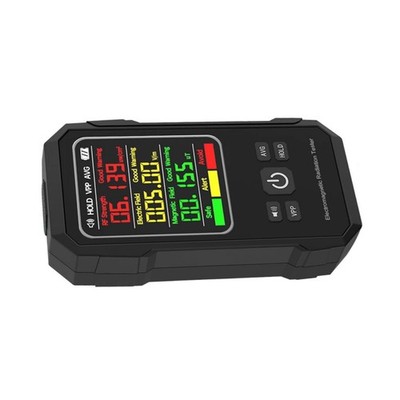
An EMF meter is designed to measure electromagnetic fields. These fields are created when electric currents flow through wires, devices, or even the air. EMF meters help identify the strength and sources of these fields. The unit of measurement is usually milligauss (mG) or microtesla (μT).
Many homes, workplaces, and schools have electrical wiring, appliances, Wi-Fi routers, and cell phones—all of which emit EMF. Sometimes, people worry about possible health effects. An EMF meter can show if EMF levels are higher than usual.
How Does An Emf Meter Work?
Most EMF meters use sensors that detect changes in magnetic or electric fields. There are two main types:
- Single-axis meters: These only measure EMF in one direction. You need to move the meter around to get an accurate reading.
- Tri-axis meters: These can measure EMF in all directions at once. They are easier and faster to use.
When you turn on an EMF meter, it senses the surrounding electromagnetic energy. The display shows the reading instantly.
Types Of Emf Meters
- Magnetic field meters: Measure only magnetic fields (from power lines, motors).
- Electric field meters: Measure electric fields (from wires, devices).
- RF meters: Measure radio frequency fields (from Wi-Fi, cell towers).
Some advanced meters measure more than one type.
Common Uses
- Checking EMF levels near power lines or substations
- Testing home appliances for EMF emission
- Investigating Wi-Fi and cell phone signal strength
- Assessing workplace safety
Some people use EMF meters for ghost hunting, but scientists consider this unreliable.
Typical Emf Levels
The US Environmental Protection Agency says most homes have EMF levels below 0.5 mG. Near power lines, readings can be much higher—sometimes over 5 mG.
What Is A Geiger Counter?
A Geiger counter is a device for detecting ionizing radiation. This includes alpha, beta, and gamma rays. Geiger counters are used in labs, nuclear plants, hospitals, and sometimes by hobbyists.
Ionizing radiation can damage living tissue and cause health problems. Geiger counters help find dangerous sources and measure exposure.
How Does A Geiger Counter Work?
The main part of a Geiger counter is the Geiger-Müller tube. When radiation particles hit the tube, they create an electric pulse. The counter records this pulse and shows the result. Most Geiger counters click or beep every time they detect radiation.
The readings are shown in counts per minute (CPM) or microsieverts per hour (μSv/h).
Types Of Geiger Counters
- Handheld units: Small, portable, used for fieldwork.
- Stationary units: Used in labs or nuclear facilities.
- Personal dosimeters: Worn for monitoring exposure over time.
Common Uses
- Monitoring radiation around nuclear power stations
- Testing soil and water for contamination
- Checking imported goods for radioactivity
- Medical diagnostics (sometimes)
- Educational demonstrations
Geiger counters are NOT suitable for measuring EMF. They only detect ionizing radiation.
Typical Radiation Levels
Natural background radiation is usually 0.05–0.2 μSv/h. Higher levels are found near radioactive materials or after nuclear accidents.
Key Differences Between Emf Meter And Geiger Counter
It’s easy to confuse these devices, but their differences are clear once you look closely.
| Feature | EMF Meter | Geiger Counter |
|---|---|---|
| What It Measures | Electromagnetic fields (non-ionizing) | Ionizing radiation (alpha, beta, gamma) |
| Main Purpose | Detect EMF from electronics, power lines | Detect radioactive contamination |
| Measurement Units | Milligauss, microtesla | CPM, μSv/h |
| Common Users | Homeowners, electricians, safety inspectors | Scientists, nuclear workers, health physicists |
| Health Risks Measured | Possible EMF exposure | Radiation exposure |
Why People Confuse Emf Meters And Geiger Counters
Both devices are used to detect invisible dangers. Many beginners think they do the same job. In reality, EMF meters cannot detect radioactive contamination, and Geiger counters cannot measure electromagnetic fields from Wi-Fi or electrical wires.
For example, if you are worried about a nuclear power plant nearby, an EMF meter will not help. You need a Geiger counter. If you are concerned about Wi-Fi signals or power lines, a Geiger counter will not show EMF levels.

Credit: www.reddit.com
Choosing The Right Device For Your Needs
When deciding between an EMF meter and a Geiger counter, ask yourself: What do I want to measure?
When To Use An Emf Meter
- You suspect high EMF from power lines or home appliances
- You want to check Wi-Fi, cell phone, or smart meter emissions
- You are concerned about possible EMF-related health effects
When To Use A Geiger Counter
- You live near a nuclear facility
- You want to check for radioactive contamination after an accident
- You are testing rocks, soil, or imported goods for radioactivity
Common Mistakes
- Using the wrong device: Many people buy a Geiger counter to check Wi-Fi signals. This does not work.
- Ignoring calibration: Both devices must be calibrated for accurate readings.
- Not understanding units: EMF and radiation have very different units. Confusing them can lead to wrong conclusions.
- Expecting Geiger counters to detect low-frequency EMF: Geiger counters are blind to non-ionizing radiation.
Practical Examples
Let’s look at some real-world situations to see which device is best.
Example 1: Checking Radiation After A Nuclear Accident
After the Fukushima nuclear disaster, people used Geiger counters to monitor air, soil, and water for radioactive contamination. EMF meters were useless for this purpose.
Example 2: Measuring Emf In A Home
If you want to find out how much EMF is coming from your microwave, router, or bedroom wiring, an EMF meter is the right tool. It shows if levels are higher than what experts recommend.
Example 3: School Safety
Some schools use EMF meters to check for high EMF near computers and Wi-Fi routers. Others use Geiger counters when science classes handle radioactive samples. The tools are not interchangeable.
Example 4: Hobbyists And Paranormal Investigations
Some ghost hunters use EMF meters to look for unexplained EMF spikes. However, this is not supported by science. Geiger counters are sometimes used in urban exploration to check for radioactive hot spots.
Technical Comparison
To help clarify the differences, see the technical specs below.
| Specification | EMF Meter | Geiger Counter |
|---|---|---|
| Detection Range | 0.01–1000 mG | 0.05–1000 μSv/h |
| Accuracy | ±10% | ±15% |
| Response Time | Instant (1–2 seconds) | Instant (clicks/beeps) |
| Power Source | Batteries | Batteries |
| Calibration Needed? | Yes | Yes |
Health Risks: Emf Vs Radiation
The health risks from EMF and radiation are not the same.
Emf Health Concerns
Research on EMF exposure is still ongoing. Some studies suggest possible links to headaches, sleep problems, or cancer. However, the evidence is not strong. The World Health Organization states that EMF levels in homes are usually safe.
Radiation Health Risks
Ionizing radiation is much more dangerous. High doses can cause radiation sickness, cancer, or death. Even small doses over time may increase cancer risk. Nuclear workers wear dosimeters to monitor exposure.
Non-obvious Insights
- Not all EMF is harmful: Most EMF in homes is far below levels considered risky. People often worry more than needed.
- Radiation cannot be detected by EMF meters: Some beginners think EMF meters can spot radioactive contamination. This is incorrect. Only Geiger counters or specialized radiation detectors can do this.
Credit: www.ebay.com
Cost And Accessibility
Both devices are sold online and in stores. Prices vary by features and quality.
Emf Meter Prices
- Basic models: $30–$70
- Advanced tri-axis models: $100–$300
Geiger Counter Prices
- Simple handheld units: $80–$200
- Professional models: $400–$1,000+
Always check for calibration certificates before buying.
Data Reliability
Not all devices are equally reliable. Cheap EMF meters may give false readings. Geiger counters need regular calibration. For critical uses (like workplace safety or nuclear monitoring), buy professional-grade devices.

Credit: www.amazon.com
Environmental Impact
Both devices use batteries. Some advanced models use rechargeable batteries, reducing waste. Choose devices with energy-saving features.
Summary Table: Emf Meter Vs Geiger Counter
Here’s a quick summary for easy reference.
| Device | Detects | Best For | Not Suitable For |
|---|---|---|---|
| EMF Meter | Non-ionizing EMF | Checking electronics, home wiring | Detecting radioactive contamination |
| Geiger Counter | Ionizing radiation | Testing for radioactive materials | Measuring Wi-Fi, power lines |
Final Thoughts
Choosing between an EMF meter and a Geiger counter comes down to your needs. If you want to detect EMF from household devices or power lines, get an EMF meter. If you are concerned about radioactive materials or nuclear accidents, a Geiger counter is essential. Using the right tool will give you accurate results and peace of mind. Remember to look for reliable brands, check calibration certificates, and understand what your device can and cannot detect. For more detailed information about radiation detection, you can visit Wikipedia.
Frequently Asked Questions
What Is The Main Difference Between An Emf Meter And A Geiger Counter?
An EMF meter measures electromagnetic fields from sources like power lines and electronics. A Geiger counter detects ionizing radiation (alpha, beta, gamma) from radioactive materials.
Can An Emf Meter Detect Radiation?
No, EMF meters cannot detect ionizing radiation. They only measure electromagnetic fields, not radioactive contamination.
Are Geiger Counters Safe To Use At Home?
Yes, Geiger counters are safe. They do not emit radiation—they only detect it. Always follow instructions and use them correctly.
What Units Do Emf Meters And Geiger Counters Use?
EMF meters display readings in milligauss (mG) or microtesla (μT). Geiger counters use counts per minute (CPM) or microsieverts per hour (μSv/h).
Do I Need To Calibrate My Emf Meter Or Geiger Counter?
Yes, regular calibration is important for both devices. Calibration ensures accurate readings and helps you avoid mistakes. Check with the manufacturer for calibration schedules.