
When working with electrical systems, measuring resistance helps you understand the health and safety of circuits, wires, and equipment. Two key tools for resistance measurement are the megohmmeter and the ohmmeter. At first glance, they may seem similar, but each serves a distinct purpose and operates differently. Knowing which tool to use—and when—can make a big difference in troubleshooting, maintenance, and safety.
This article breaks down the features, uses, and differences of megohmmeters and ohmmeters. You’ll find practical examples, technical comparisons, and clear advice for choosing the right instrument. Whether you’re a beginner or a technician seeking clarity, you’ll gain a full understanding without confusion or jargon overload.
What Is An Ohmmeter?
An ohmmeter is a device designed to measure resistance in electrical circuits. Resistance is measured in ohms (Ω). Ohmmeters are common in electronics, electrical repairs, and labs. They help check for continuity, find faults, and ensure components are working.
Types Of Ohmmeters
- Analog ohmmeter: Uses a needle to show resistance on a scale. Simple but less precise.
- Digital ohmmeter: Shows resistance as a number on a digital screen. More accurate and easier to read.
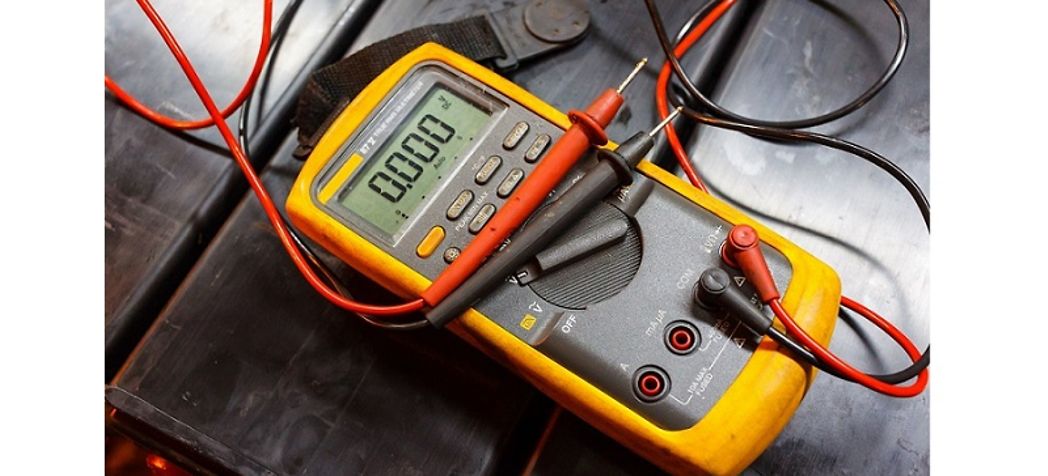
- Multimeter: A device that combines ohmmeter, voltmeter, and ammeter functions. Most modern ohmmeters are part of a multimeter.
How An Ohmmeter Works
The ohmmeter sends a small current through the circuit or component. It then measures how much the current slows down, which tells you the resistance. If the resistance is very low, the circuit is good. If the resistance is high or infinite, there may be a break or fault.
Common Uses
- Checking wire continuity
- Testing resistors and components
- Finding short circuits
- Verifying electrical connections
Practical Example
Suppose you want to check if a wire is broken inside the insulation. You connect an ohmmeter to both ends. If the reading is close to zero, the wire is good. If the reading is infinite, the wire is broken.
What Is A Megohmmeter?
A megohmmeter (often called a “megger”) is a special tool used to measure very high resistance, usually in the megaohm (MΩ) range. It is mainly used to test insulation in electrical equipment and wiring.
How A Megohmmeter Works
Unlike the ohmmeter, the megohmmeter applies a much higher voltage, often from 250V up to 5,000V. This high voltage is necessary to test insulation, which should have very high resistance. If insulation resistance drops too low, it could mean the material is damaged, leading to leaks, shocks, or fires.
Typical Applications
- Testing insulation on cables and wires
- Checking motors, transformers, and generators
- Verifying electrical safety in industrial environments
- Preventive maintenance for high-voltage equipment
Practical Example
Imagine you want to check the insulation on a motor. You connect a megohmmeter across the motor windings and ground. If the reading is several megaohms, the insulation is strong. If the reading is low, the insulation may be failing, which could be dangerous.
Key Differences Between Megohmmeter And Ohmmeter
While both tools measure resistance, their designs, uses, and measurement ranges are quite different. Here’s a detailed comparison:
| Feature | Ohmmeter | Megohmmeter |
|---|---|---|
| Measurement Range | 0.1 Ω to 10 MΩ | 1 MΩ to 1000 MΩ+ |
| Test Voltage | 1–12 V (usually) | 250–5000 V (sometimes higher) |
| Purpose | General resistance testing | Insulation resistance testing |
| Safety Risk | Low | High (due to test voltage) |
| Main Users | Electricians, hobbyists | Industrial technicians, engineers |
How Each Device Is Used
Using An Ohmmeter
To use an ohmmeter:
- Turn off power to the circuit.
- Connect the probes to both ends of the wire/component.
- Read the resistance value on the screen.
- Interpret the results:
- Near zero: Good connection
- High/infinite: Broken wire or faulty component
Common mistake: Measuring resistance on a live circuit. Always turn off the power to avoid damage or inaccurate readings.
Using A Megohmmeter
To use a megohmmeter:
- Ensure the equipment is isolated and safe.
- Connect the test leads to the insulation and ground.
- Select the appropriate test voltage.
- Press the test button and observe the reading.
- Interpret the results:
- High resistance (above 1 MΩ): Good insulation
- Low resistance: Possible insulation failure
Important tip: Choose the right voltage for the equipment. Too high may damage sensitive devices; too low won’t give accurate results.
When To Use Megohmmeter Vs Ohmmeter
Knowing when to use each tool is crucial. Here are scenarios for each:
- Ohmmeter: Use when checking continuity, testing resistors, or troubleshooting low-voltage electronics.
- Megohmmeter: Use for insulation tests, high-voltage equipment checks, or safety inspections in industrial settings.
If you’re unsure, ask: Are you measuring a normal circuit or checking insulation? For circuits, use an ohmmeter. For insulation, use a megohmmeter.
Accuracy And Limitations
Ohmmeter Accuracy
Modern digital ohmmeters are quite accurate, usually within 1%–2%. But accuracy can drop if the battery is weak or if the circuit is not fully disconnected. Always check the battery and make sure the circuit is isolated.
Megohmmeter Accuracy
Megohmmeters are designed for high resistance, but readings can vary based on humidity, temperature, and test voltage. For best results, follow the manufacturer’s instructions and record the conditions during testing.
Limitations
- Ohmmeters cannot detect insulation breakdown unless resistance falls within their range.
- Megohmmeters are not suitable for low-resistance measurements—they can’t detect small faults.
Safety Considerations
Ohmmeter Safety
Ohmmeters are generally safe. They use low voltage and current. Still, always disconnect from live power before testing.
Megohmmeter Safety
Megohmmeters use high voltage, which can be dangerous. Always:
- Wear insulated gloves
- Warn others before testing
- Discharge equipment after testing
- Follow safety protocols
Never use a megohmmeter on sensitive electronics or equipment not rated for high voltage.
Real-world Examples
Example 1: Checking Continuity In A Home Appliance
Suppose your toaster is not working. Using an ohmmeter, you check the resistance across the heating element. If you see a low resistance, the element is fine. If the resistance is infinite, the element is broken.
Example 2: Insulation Test In A Factory
An industrial technician needs to test the insulation of a high-voltage cable. Using a megohmmeter, they apply 1000V and measure resistance. If the reading is above 100 MΩ, the cable is safe. If it drops below 10 MΩ, it’s time to replace the cable.
Example 3: Motor Maintenance
During preventive maintenance, a technician uses a megohmmeter to check a motor’s winding insulation. If the resistance drops below 2 MΩ, they schedule repairs to avoid future breakdowns.

Credit: www.burster.com
Comparison Table: Common Uses
Here’s a summary of typical tasks for each instrument:
| Task | Ohmmeter | Megohmmeter |
|---|---|---|
| Wire continuity | ✔ | ✘ |
| Insulation resistance | ✘ | ✔ |
| Testing resistors | ✔ | ✘ |
| Motor winding check | ✘ | ✔ |
| Finding shorts | ✔ | ✘ |
| Safety inspections | ✘ | ✔ |
Factors To Consider When Choosing
Before you buy or use a resistance meter, consider:
- Measurement range: Do you need to measure low or high resistance?
- Test voltage: Will you be working with sensitive circuits or insulation?
- Safety: Are you trained for high-voltage testing?
- Accuracy: Does your job require precise readings?
- Application: Are you testing wires or insulation?
Non-obvious insight: Some advanced multimeters can measure up to 20 MΩ, but this is still not enough for insulation tests. Don’t rely on a regular multimeter for safety-critical insulation checks.
Credit: www.partstown.com
Common Mistakes And How To Avoid Them
- Using an ohmmeter on live circuits: Always turn off power first.
- Using a megohmmeter on electronic devices: Can cause damage.
- Ignoring environmental factors: Humidity and temperature can affect readings, especially with a megohmmeter.
- Not discharging equipment after a megohmmeter test: High voltage may stay on the equipment and cause shocks.
Another insight: Insulation tests with megohmmeters should be repeated regularly, not just once. Insulation can degrade over time, so schedule tests for preventive maintenance.
The Importance Of Regular Testing
Regular resistance testing is critical for electrical safety. For homes, ohmmeter tests can prevent fires caused by faulty wiring. For factories, megohmmeter tests catch insulation problems before they become dangerous. Statistics show that over 30% of industrial electrical failures are caused by insulation breakdown—most of these can be detected early with regular megohmmeter testing.
Future Trends
With modern technology, both ohmmeters and megohmmeters are becoming smarter. Wireless connectivity, data logging, and digital displays make tests faster and more reliable. Some devices now alert you if the resistance changes suddenly, helping spot problems before they cause damage.
For advanced insulation testing, new megohmmeters can measure polarization index (PI) and dielectric absorption ratio (DAR), which provide deeper insights into insulation quality. These features are useful for critical equipment in hospitals, power plants, and factories.
Frequently Asked Questions
What Is The Main Difference Between A Megohmmeter And An Ohmmeter?
The megohmmeter measures very high resistance, mainly for insulation tests, using high test voltages. The ohmmeter measures low to moderate resistance in circuits and components, using low voltage.
Can I Use A Megohmmeter Instead Of An Ohmmeter?
No. A megohmmeter is not suitable for low-resistance measurements and can damage sensitive circuits. Use an ohmmeter for general resistance tests and a megohmmeter for insulation.
Is It Safe To Use A Megohmmeter At Home?
Megohmmeters use high voltage and are best for professional use. For home repairs, stick with an ohmmeter or multimeter. If you must use a megohmmeter, follow strict safety protocols.
How Often Should Insulation Be Tested?
For industrial equipment, insulation should be tested at least once a year. For critical systems, test every 3–6 months. Regular testing prevents accidents and equipment failure.
Are There Ohmmeters That Can Measure Insulation Resistance?
Some advanced multimeters can measure up to 20 MΩ, but this is not enough for insulation testing. Use a dedicated megohmmeter for reliable insulation measurements.
Choosing between a megohmmeter and an ohmmeter depends on your task, safety needs, and accuracy requirements. Both instruments are essential for electrical work, but they are not interchangeable. By understanding their features, uses, and limitations, you can make safer, smarter decisions in any electrical project. For more technical details and standards, visit Wikipedia. Proper resistance testing protects people, equipment, and investments—make it part of your routine.

Credit: www.ebay.com